We live in a deeply absurd era of the automobile, one where real trucks have mutated into three-ton, seventy-thousand-dollar steel cathedrals designed exclusively to conquer suburban target parking lots. But every once in a while, the universe corrects itself, and into this landscape of bloated vanity projects slides the Ford Maverick Tremor. It is a tiny, honest, unibody utility knife that went to the gym, slapped on some knobby tires, and decided it wanted to play in the dirt with the heavyweights. Instead of pretending to be a heavy-duty tractor you don’t need, the Tremor takes the brilliantly simple premise of the standard Maverick—an affordable, brilliant piece of everyday transit—and injects it with just enough off-road silliness and mechanical cleverness to make you realize that maybe, just maybe, this is all the truck anyone actually needs.


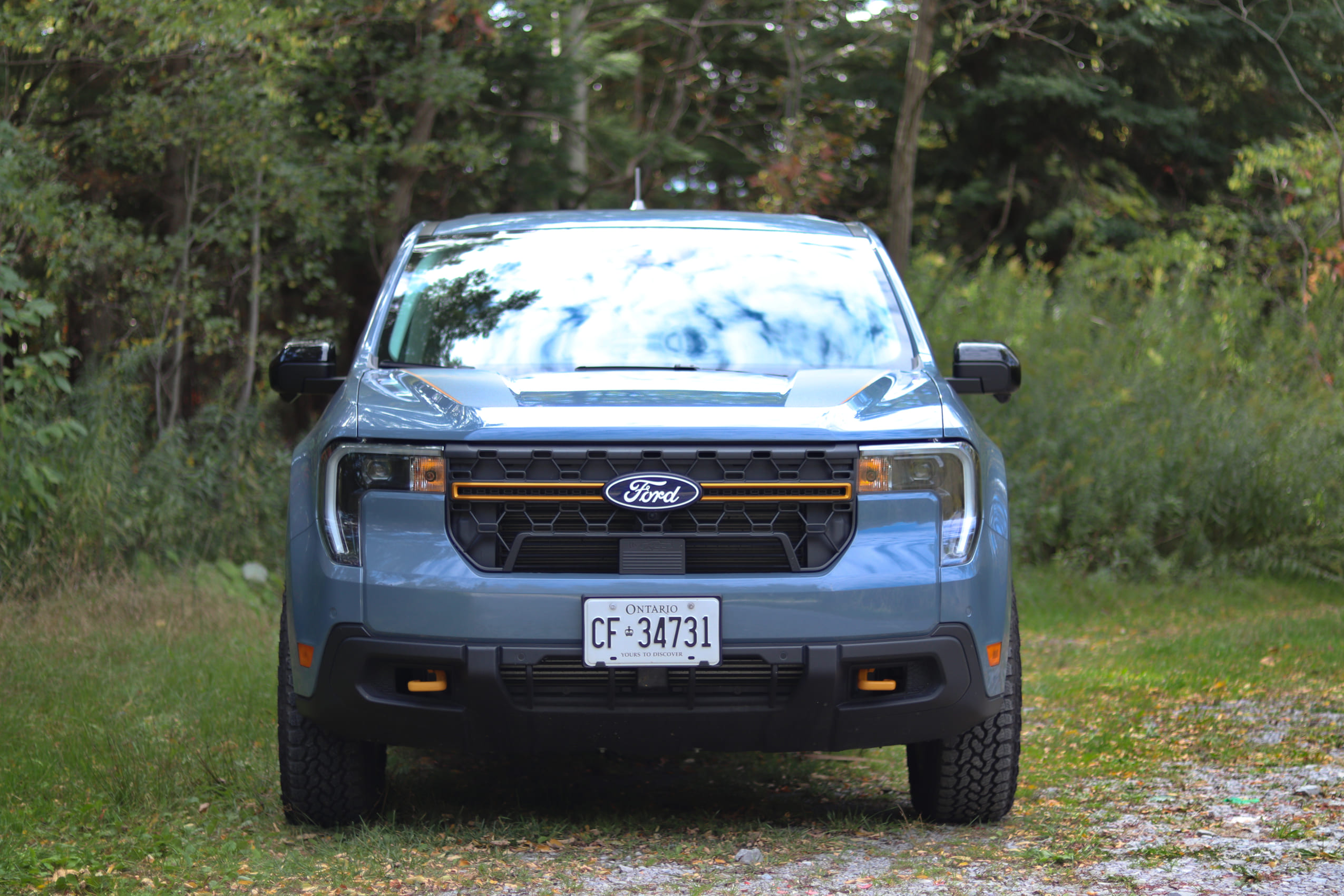


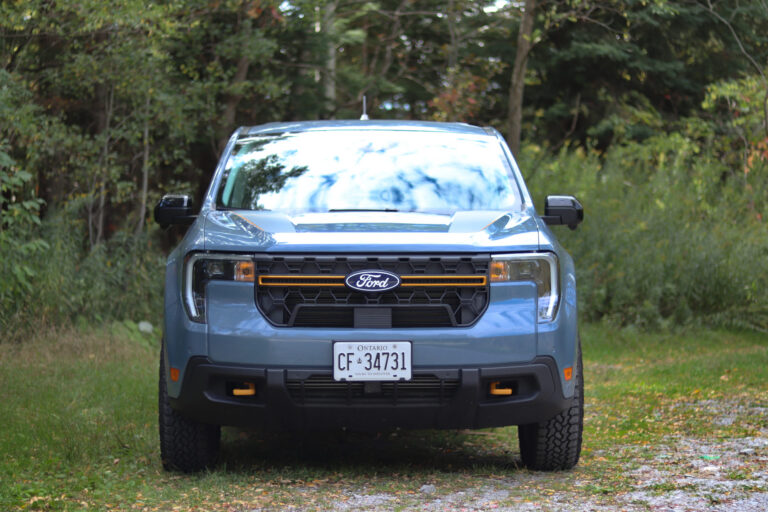
Up front, the Tremor ditches the plain, commuter-car mug of its lesser siblings for a face that looks like it’s actively searching for a fire trail to bully. The updated front fascia gets chopped and reshaped for a drastically improved approach angle, showing off a set of exposed, bright-orange recovery hooks poking through a heavy-duty front skid plate like a pair of angry fangs. Nestled inside the reshaped grille—which sports its own matching splash of orange trim—are sleek LED headlights framing a dark, aggressive mesh. It’s a design that somehow manages to look purposeful and eager without crossing over into the cartoonish, angry-transformer territory that plagues full-sized off-road rigs.
Step around to the side, and the Tremor’s stance instantly tells you this isn’t the Maverick your local auto parts store uses for delivery runs. It sits noticeably higher on an off-road-tuned suspension, giving the body a lifted, tonka-toy posture that completely changes its proportions. The wheel wells are stuffed with chunky all-terrain rubber wrapped around unique 17-inch dark aluminum wheels—complete with a single orange-painted pocket that looks like a high-speed blip on a radar screen. Subtly flared fenders, blacked-out mirror caps, and bold graphic decals trailing down the lower doors reinforce the vibe, transforming a simple two-box profile into something genuinely athletic.
At the back, the Tremor keeps things functional while proudly showing off its trail-ready hardware, starting with a exposed rear hitch and dark-tinted taillights framing the stamped MAVERICK tailgate. Lower the gate, and you’re looking at Ford’s brilliantly clever 4.5-foot FLEXBED, a Swiss Army knife of utility packed with built-in slots for DIY 2×4 dividers, a slew of heavy-duty tie-down points, and integrated 110V power outlets to keep gear charged out in the middle of nowhere. It’s a short bed, sure, but with built-in cubbies, LED box lighting, and a multi-position tailgate that lets you haul full sheets of plywood, it proves that smart design beats sheer square footage every single time.
Climb inside, and the Maverick’s dashboard design greets you with a masterclass in industrial geometry, eschewing fake luxury for a honest, blocky layout that feels like it was drafted by someone who actually owns a tape measure. Dominating the dash is a massive 13.2-inch touchscreen running SYNC 4, acting as an ultra-modern centerpiece floating above a sensible row of physical controls and chunky air vents. It looks genuinely cool, but run your hand across the top, and reality sets in. There is a total, unapologetic absence of soft-touch materials—it’s a landscape of hard, molded plastics from door to door. Yet, Ford’s designers were clever: by embossing unique geometric textures, exposed faux-fasteners, and subtle orange Tremor accents directly into the plastic, they made cheap materials look like an intentional, rugged design choice rather than an insult to your checkbook. Everything feels tightly screwed together, delightfully durable, and thoroughly wipe-clean.


What the cabin lacks in plushness, it completely makes up for in spatial efficiency, boasting an interior layout that feels impossibly airy for a truck with such a tiny footprint. Thanks to a tall roofline, thin door panels, and a low beltline, front and rear headroom is superb, while knee room in the back row easily rivals a mid-size crossover—making it a surprisingly legitimate four-door commuter for actual adults. Space utilization is where the Maverick truly shines: the door pockets are cleverly carved out to hold giant one-liter water bottles upright, the floating center console is littered with deep cubbies, and flipping up the rear seat cushions reveals massive hidden storage bins perfect for hiding mud-caked gear, tools, or expensive camera bags from prying eyes.
When you slide into the Tremor-badged seats, the initial impression is surprisingly positive—they’re nicely cushioned, wrapped in durable ActiveX synthetic leather with high-contrast Tremor-orange stitching, and offer a commandingly high, upright view of the road. On quick sprints around town or short trail runs, they are supremely comfortable and supportive. However, push past the two-hour mark on a long highway slog, and the cracks start to show. The seats lack meaningful side bolstering, and depending on your trim, the driver’s seat adjustments are fairly basic, with minimal lumbar support tweakability and zero manual tilt for the lower cushion. It’s a setup clearly engineered for getting in and out of all day on job sites or short excursions, but on extended road trips, your lower back will eventually start filing formal complaints about the lack of fine-tuned adjustability.
Under the hood, Ford leaves zero room for eco-virtue signaling: the Tremor completely bypasses the thrifty hybrid powertrain and comes strictly one way. You get the punchy 2.0-liter EcoBoost turbocharged inline-four paired with a traditional eight-speed automatic transmission. No hyperactive CVT or rubbery hybrid step-less nonsense here. Power distribution isn’t handled by the standard Maverick’s garden-variety front-biased all-wheel-drive setup either. Instead, the Tremor steals a page from the Focus RS rally playbook, slotting an advanced twin-clutch rear-drive unit into the back axle.
This clever bit of mechanical wizardry includes a differential that can actively vector torque between the rear wheels—dumping up to 100% of available rear axle torque to whichever single rear tire actually has traction when you’re teetering on three wheels over a rutted trail. Throw in a heavy-duty transmission cooler, a lockable four-wheel-drive mode, and a dedicated Trail Control crawl-system, and you’re looking at a legitimately sophisticated hardware suite trapped inside a unibody commuter footprint.


Now, because our tester was opted purely for trail-bashing without the optional 4K Tow Package, it maxes out at a modest 2,000-pound towing threshold. But if you’re the type who actually plans to pull a decent-sized camper or a pair of track bikes, checking that factory towing box transforms this little rig into a proper mini-hauler. Adding the package bumps capacity up to 4,000 pounds by equipping a higher-capacity radiator, a beefier transmission fluid cooler, a shorter final-drive axle ratio, and an upgraded fan setup. Best of all, it integrates a factory brake controller directly into the dash and swaps out the standard four-pin trailer connector for a heavy-duty 7-pin harness—meaning you get proportional electric trailer braking control straight from the cockpit without having to splice ugly aftermarket controllers or wireless Bluetooth dongles into your knee space.
Behind the wheel, the Tremor strikes a brilliant balance between city agility and surprisingly robust capability, making it an absolute joy to live with on a daily basis. Thanks to its compact unibody footprint, navigating tight urban parking garages, squeezing through narrow city streets, and pulling split-second U-turns feels as effortless as driving a mid-size hatchback. Yet, when duty calls, that 2.0-liter EcoBoost engine delivers a serious wallop of low-end torque. Pushing through city traffic or pulling a loaded trailer feels utterly painless—there’s zero hesitation or drama when you stomp the throttle to merge onto a fast-moving highway lane with weight hooked up to the back.
The real genius of everyday life with the Tremor, though, comes down to pure accessibility. Because it isn’t jacked up on a traditional body-on-frame platform, the bed sides sit at a sensible, human height. You don’t need a ladder or a pole-vault just to reach inside. Loading heavy gear, tying down cargo, or tossing equipment into the back is completely effortless on your back and shoulders. Combined with its light steering and easy sightlines, it effortlessly tackles the unglamorous daily grunt work that makes owning a full-size truck such a agonizing exercise in overkill.
Predictably, the trade-off for all this budget versatility comes the moment you leave the city behind and hit open pavement. That same punchy EcoBoost engine, while eager, drinks fuel with far more enthusiasm than you’d expect from a small truck, quickly erasing any illusions of economy-car frugality if you drive with a heavy right foot.


Compounding the fuel penalty is a noticeable lack of cabin refinement at speed. The moment you cross 60 mph, wind and road noise flood the interior, amplified by the Tremor’s aggressive all-terrain tires which sing a constant, high-frequency tread hum into the floorboards. Throw in that hard-as-rock plastic dashboard—which rattles over sharp impacts and looks unapologetically cheap—and the cabin leaves zero doubt about the truck’s entry-level roots. It’s a noise and material penalty you’ll happily forgive when parking in tight spots or playing in the mud, but on a five-hour highway haul, your ears will definitely be asking for a bit more sound deadening.
Ultimately, the Ford Maverick Tremor isn’t just a great small truck; it’s a long-overdue reality check for an automotive industry obsessed with excess. While the rest of the market continues to build oversized, overpriced, body-on-frame behemoths that spend 99% of their lives commuting to office parks, the Tremor stands as a brilliant, one-of-a-kind counterpoint. It gives you genuine utility, smart bed packaging, and legit trail capability in a package that actually fits in a standard garage and negotiates city traffic without requiring a commercial driver’s license.
It isn’t perfect—the fuel economy is merely average at least without a hybrid, the cabin noise can get tedious on long highway runs, and the interior plastics won’t let you forget where Ford saved a few bucks. But those flaws are tiny concessions for what is easily the most honest, useful, and rational truck on the road today. For anyone who actually uses a bed to haul real gear rather than inflate their ego, the Maverick Tremor isn’t just all the truck you need—it’s the exact blueprint for what modern trucks should have been all along.
| Engine Type | 2.0L EcoBoost Turbocharged Inline-4 |
| Transmission | 8-Speed Automatic |
| Horsepower | 250 hp @ 5,500 rpm |
| Torque | 280 lb-ft @ 3,000 rpm |
| Drivetrain | Advanced 4WD |
| Rear Differential | Twin-Clutch Rear Drive Unit w/ Electronic Lock |
| Configuration | SuperCrew / 4.5-ft Bed |
| Max Towing Capacity | 2,000 lbs (4,000 lbs w/ 4K Tow Pkg) |
| Max Payload | 1,140 lbs |
| Website | www.ford.ca |
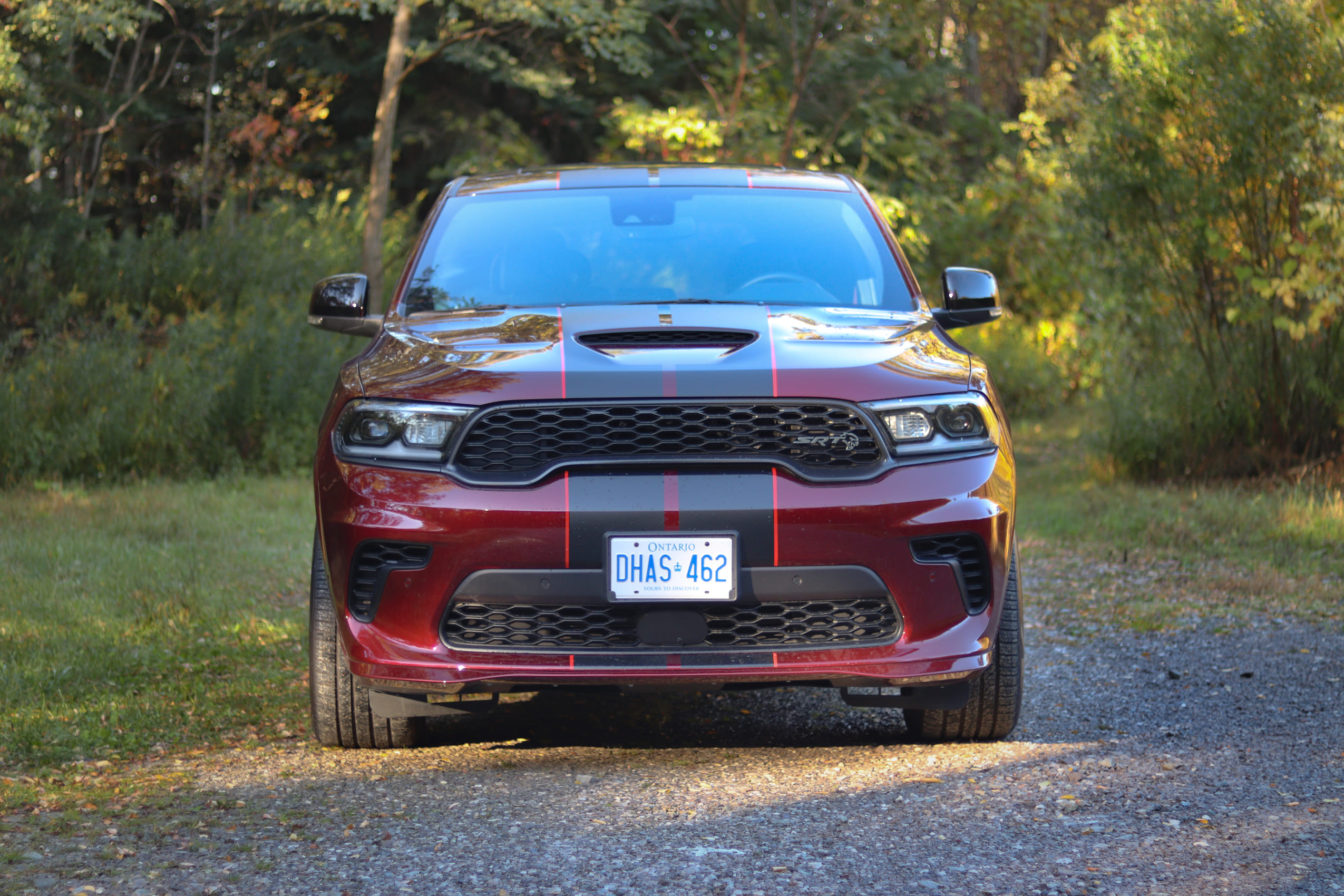
2026 Dodge Durango SRT Hellcat Jailbreak Review: Magnificent, Middle-Finger Automotive
The 2026 Dodge Durango Hellcat Jailbreak isn’t a car; it’s an act of magnificent, middle-finger industrial satire. In an era…


Track Review: Suzuki GSX-8R – From Street Comfort to Trackday
Having already put the Suzuki GSX-8R through its paces on public roads in our previous review, it was only fitting…
2026 Ford Maverick Tremor: The Right-Sized Swiss Army Knife We
We live in a deeply absurd era of the automobile, one where real trucks have mutated into three-ton, seventy-thousand-dollar steel…
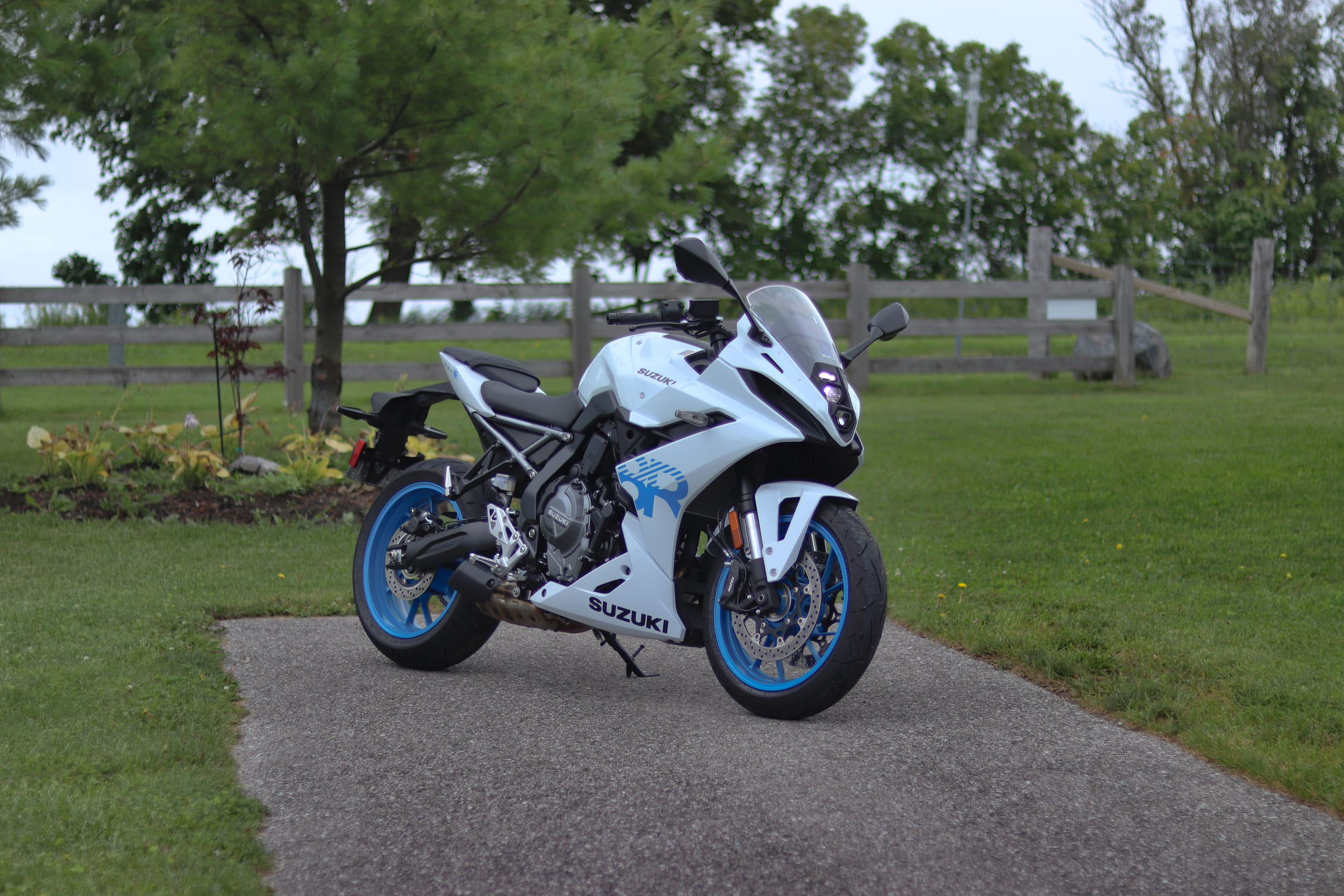
2026 Suzuki GSX-8R: The Middleweight Sport Bike Formula Done Right
The motorcycle world has spent the last decade trapped in a profoundly stupid dick-measuring contest, obsessed with building 200-horsepower, track-focused…
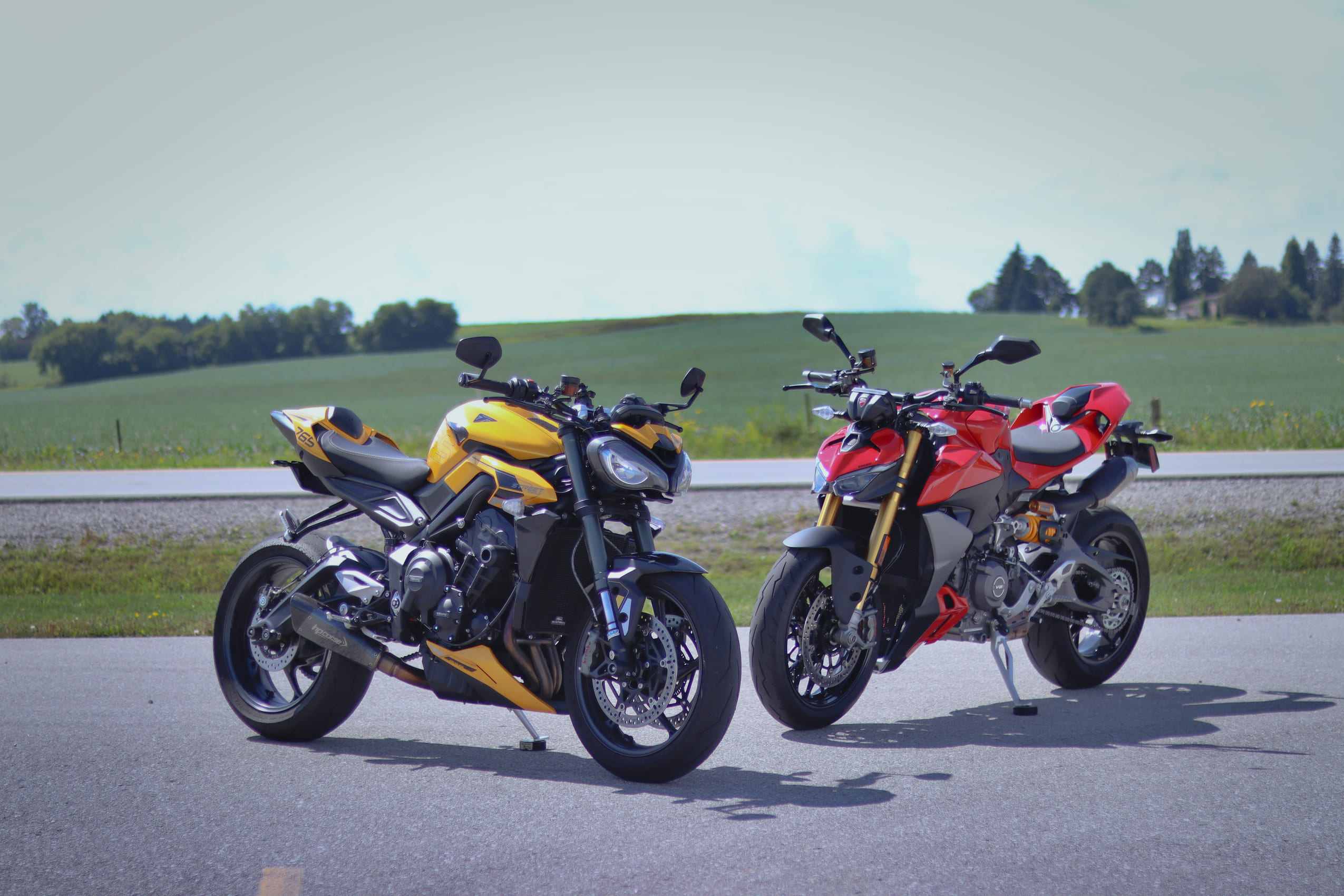
British Precision vs. Italian Violence: 2026 Ducati Streetfighter V2S vs.
Human beings are inherently absurd creatures, but nowhere is that absurdity more evident than in our willingness to strap our…
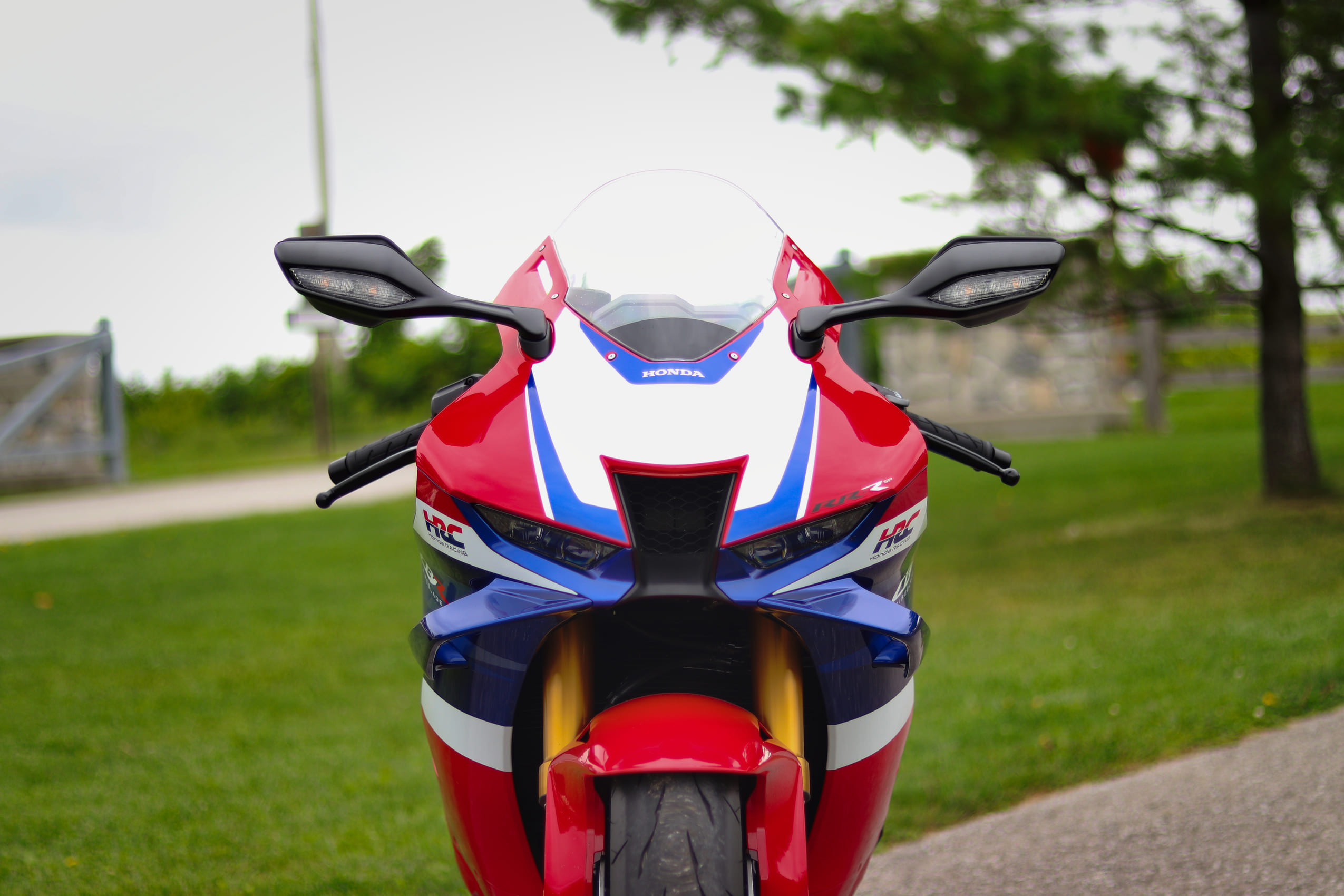
2026 Honda CBR1000RR-R Fireblade SP Review: Pure Mechanical Violence
The 2026 Honda CBR1000RR-R Fireblade SP is not a motorcycle; it is a clinical, unrelenting exercise in absolute mechanical insanity…