The 2025 Can-Am Pulse isn’t just an electric motorcycle — it’s Bombardier finally putting its snowmobile-and-ATV DNA on the street, with a high-voltage twist. Forget carburetors, clutches, and V-twin nostalgia; this thing hums with electrons and swagger, built to drag Can-Am’s motorsports heritage into the EV age. It looks like a sci-fi prop parked at your local cafe, but the moment you twist the throttle, you realize it’s more than cosplay: it’s an unapologetically Canadian attempt to prove that the electric future doesn’t have to be boring.


The Pulse doesn’t really look like a motorcycle so much as it looks like what Hollywood thinks motorcycles will look like in 2040. Can-Am calls the design language “neo-modern,” but it’s really a blend of Tron Lightcycle minimalism and Canadian pragmatism. A full-length LED blade slices across the front, turning the headlight into a light show, while the bodywork is taut, clean, and almost cartoonishly geometric.
Look closer, and you’ll notice Can-Am’s designers slipped in quirks that prove this isn’t just a design-school fever dream. The tank area is carved into a broad, flat plane — not because there’s a gas tank underneath, but because they know riders need somewhere to lean against when they are tucked in. The single swingarm is exposed and sculpted like it belongs on a concept bike, while the wheels are turbine-styled alloys that wouldn’t look out of place on an electric hypercar. Even the mirrors feel like they were styled, not sourced from a generic parts bin.
Swing a leg over the Pulse and you realize Can-Am’s designers didn’t just build it to look futuristic — they actually made it feel like a real motorcycle. The riding position splits the difference between sporty and sane: bars set just high enough that you’re not folded into a yoga pose, pegs placed so you can hustle it without blowing out your knees. It’s the ergonomics equivalent of a tailored jacket — sharp, but comfortable enough to wear all day.
Front and center is a massive touch-sensitive TFT screen that makes most gas bikes look like they are running on Windows 95. It’s crisp, colourful, and unapologetically obsessed with data. Speed, range, riding modes, regen settings — it’s all there, presented in fonts and graphics that feel modern and intuitive. For iPhone users, it even has CarPlay feature, something we rarely see in the motorcycling world. Swipe through the menus and you’ll find Bluetooth integration, and customizable layouts so you can choose whether you want to stare at your speed or your dwindling battery percentage. It’s both the most useful and most distracting part of the bike, and Can-Am knows it.


Here is the kicker: the Pulse actually feels well-built. Panels line up. Plastics don’t rattle. Switchgear clicks with that satisfying “BMW iDrive” precision. The controls don’t look like they were borrowed from a snowblower — a miracle, considering Can-Am could have easily raided the Ski-Doo parts bin. The button layout feels a little overwhelming at first sight, but they feel premium with chunky buttons with clear haptics and backlit.
Ergonomically, the Pulse is like a polite Canadian host: it makes sure you’re comfortable, then hands you a drink strong enough to knock you flat. The handlebars are wide enough that it doesn’t feel like a sport bike, narrow enough to give right amount of sporty feeling. The seat height is just right for average humans, even at 6’1″ I didn’t feel cramped at all. The bike sits relatively low to the ground, which makes it more accessible for shorter adults.
Underneath the sci-fi bodywork, the Pulse is packing a battery that’s less “laptop cells in a shoebox” and more “miniaturized EV platform.” Can-Am doesn’t mess around: the pack is liquid-cooled, mounted low in the frame to keep the center of gravity down where it belongs. Capacity? Just north of 10 kWh — not Tesla-big, but in motorcycle terms that’s a respectable chunk of electrons. Translation: enough juice for around 150 km of urban riding, or less if you insist on testing the “warp speed” setting at every stoplight.
Feeding off that pack is a permanent-magnet electric motor, mounted mid-ship and spinning out the kind of instant torque that makes even litre-bikes riders raise an eyebrow. Peak output lands in the 50-ish horsepower neighborhood, but it’s torque that defines the Pulse: more than 53 lb-ft, delivered from zero rpm. No clutch, no lag, no drama — just twist and bam! — you are at illegal speeds before your brain finishes the thought. Can-Am even tuned in multiple ride modes, so you can go from “eco-friendly commuter” to “I just passed a Ducati with no gears” with a flick of your thumb.


When the electrons runs dry depends on how you ride it. The Pulse comes with Level 2 compatibility right out of the box — no “optional accessory” nickel-and-diming. Plug into a 240-volt charger and you’re looking at a 0-80% refill in about an hour. On standard 120-volt wall power it’s more like “overnight and a podcast marathon,” but that’s expected. Fast charging isn’t here yet, not just because batteries this size don’t really need it, but the takeaway is simple: plug it in while you’re at work or grabbing lunch, and you’ll be topped off before you finish your coffee.
The Pulse’s spec sheet doesn’t read like some bargain-bin commuter — Can-Am went full grown-up with the chassis. Up front you’ve got KYB 41mm inverted forks with no adjustment options. Out back, a monoshock keeps things planted, and the whole setup is tuned more for “urban assault with backroad detours” than racetrack lap times. It soaks up potholes without rattling your spine, yet stays taut enough that diving into a corner doesn’t feel like herding a moose on roller skates.
Braking is also handled by proper hardware — twin discs up front with radial-mount calipers that actually bite, and a single-disc in the rear that’s less about stopping power and more about keeping ABS busy. Layer in regen braking — adjustable through the TFT — and you get this delicious extra dimension of control. Roll off the throttle and the bike actually slows, feeding electrons back into the pack. Dial it up to max and you can practically one-pedal ride, surfing traffic with nothing but your right twist. It’s weird feeling at first, addictive by the second stoplight, and soon you are wondering why gas bikes even bother with engine braking anymore.
Now, here’s the funny part: walking the Pulse around a parking lot feels like dragging an overfed labrador. It’s heavy, no denying it — the battery mass is real. The moment you’re rolling, the weight evaporates. That low-mounted pack and wide bars give it a planted, confidence-inspiring feel, the kind that makes even cautious riders start carving harder and harder through corners. At the limit, it’s shockingly nimble, with a neutral balance that flatters instead of punishes.


Living with the Pulse every day is equal parts revelation and recalibration. Forget about gas stations — your “fill-up” is a wall plug at home, and your range anxiety fades once you realize 90% of rides are well within its battery comfort zone. Commuting becomes absurdly easy: no clutch, no heat, no drama, just twist-and-go smoothness that makes city traffic feel like a video game on easy mode. The silence turns heads at crosswalks, the instant torque annihilates gaps in traffic, and the built-in storage plus Bluetooth mean it’s actually practical. Even your gear stays cleaner — no oily chain fling, no hot exhaust to dodge. This isn’t a toy for Sunday mornings. It’s a bike you’ll want to ride every single day.
And that’s the magic of the 2025 Can-Am Pulse: it’s not pretending to be the future — it’s the future, wrapped in bodywork that looks like it rolled straight out of a concept sketch. Sure, the range isn’t infinite, and yes, it’s pricier than a gas-powered middleweight. But what you get in return is a motorcycle that’s silent, stylish, shockingly capable, and deeply fun in a way few EVs manage to be. Heavy in garage, featherweight on the move, and brimming with character, the Pulse isn’t trying to replace your Harley, or your sportbike. It’s trying to be your everyday ride — and for a lot of riders, it just might succeed.
2025 Can-Am Pulse Specifications
| Motor | Permanent Magnet Electric Motor |
| Power Output | ~47 hp (35 kW) peak, 27 hp (20 kW) continuous |
| Torque | 53 lb-ft (72 Nm) |
| Battery Pack | 10.0 kWh, liquid-cooled, sealed |
| Range | Up to 160 km (urban) |
| Charging | Level 2: 0–80% in ~1.5 hours Level 1: Overnight (120V) |
| Frame | Steel trellis with aluminum components |
| Front Suspension | Inverted telescopic fork |
| Rear Suspension | Monoshock, adjustable preload |
| Front Brakes | Twin discs, radial-mount calipers, ABS |
| Rear Brakes | Single disc with ABS |
| Regenerative Braking | Multiple levels, throttle-adjustable |
| Weight | ~390 lbs (177 kg) |
| Seat Height | 31.5 in (800 mm) |
| Website | can-am.brp.com/on-road/ca/ |
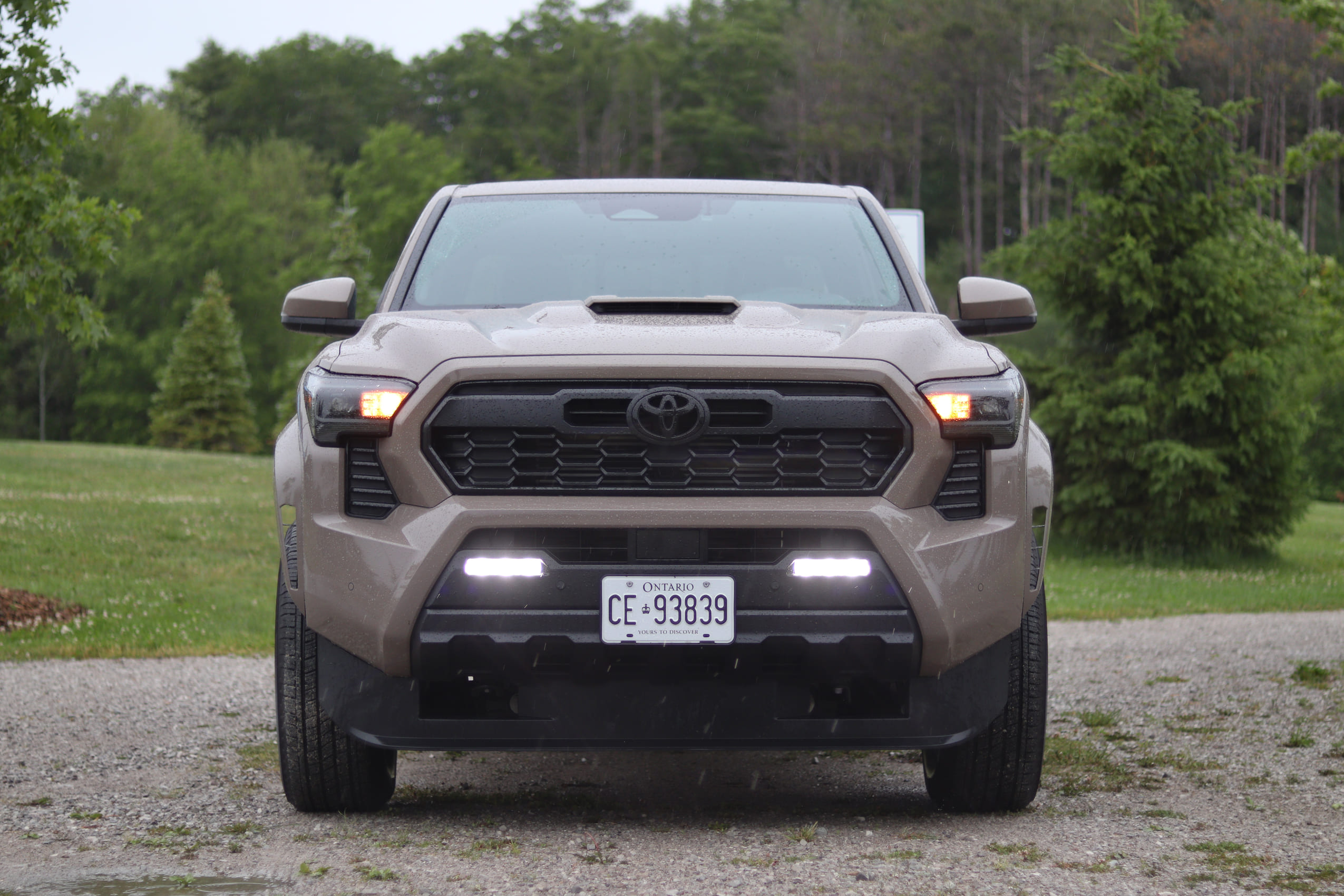
The 2026 Toyota Tacoma Manual is a Beautiful, Defiant Mistake
The modern mid-size truck has become an exercise in digitised isolation, a tool designed to conquer the wilderness while shielding…

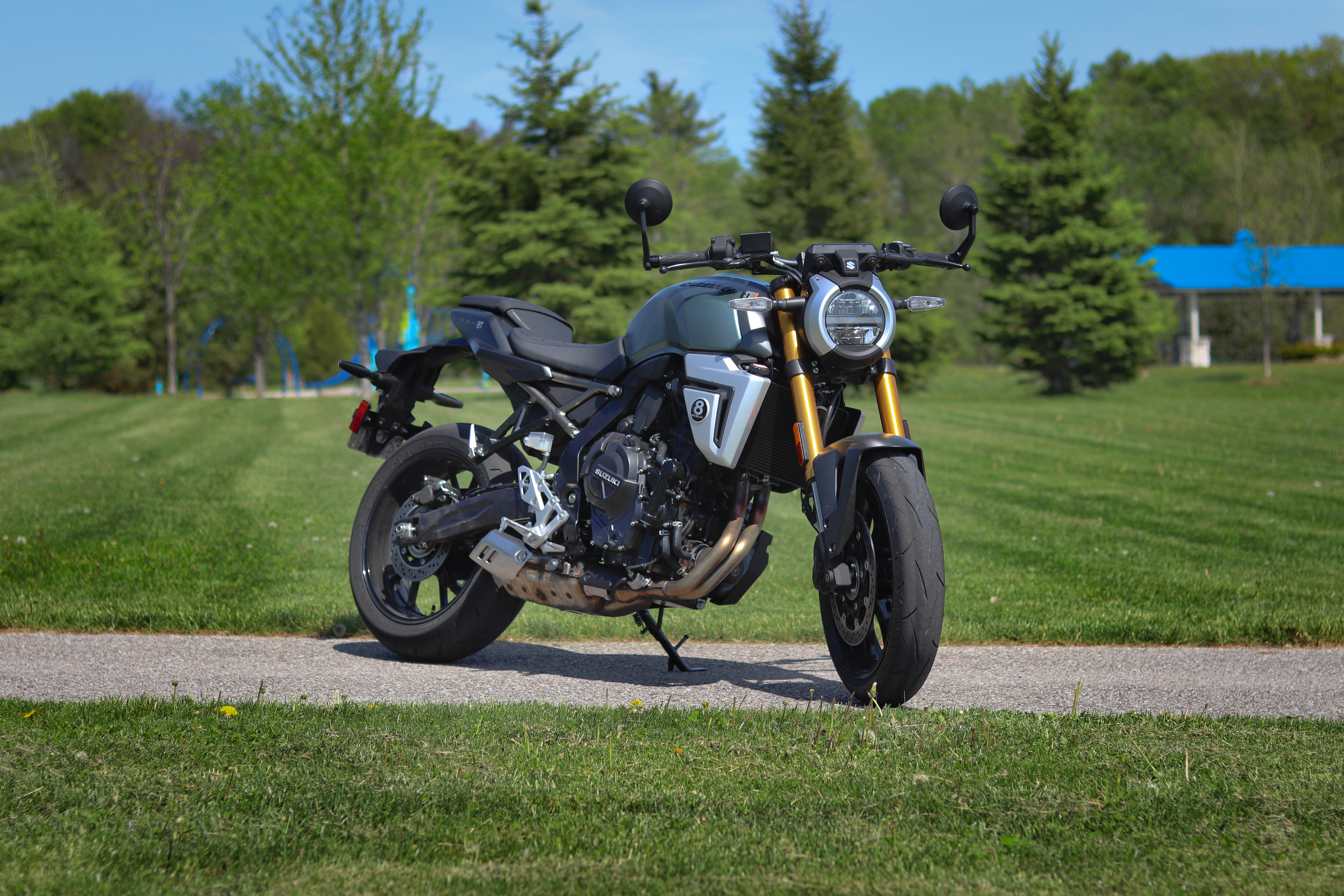
2026 Suzuki GSX-8T Review: Weaponizing Nostalgia
Let’s face it: we all knew Suzuki’s brilliantly characterful 776cc parallel-twin was going to get spread across the lineup like…
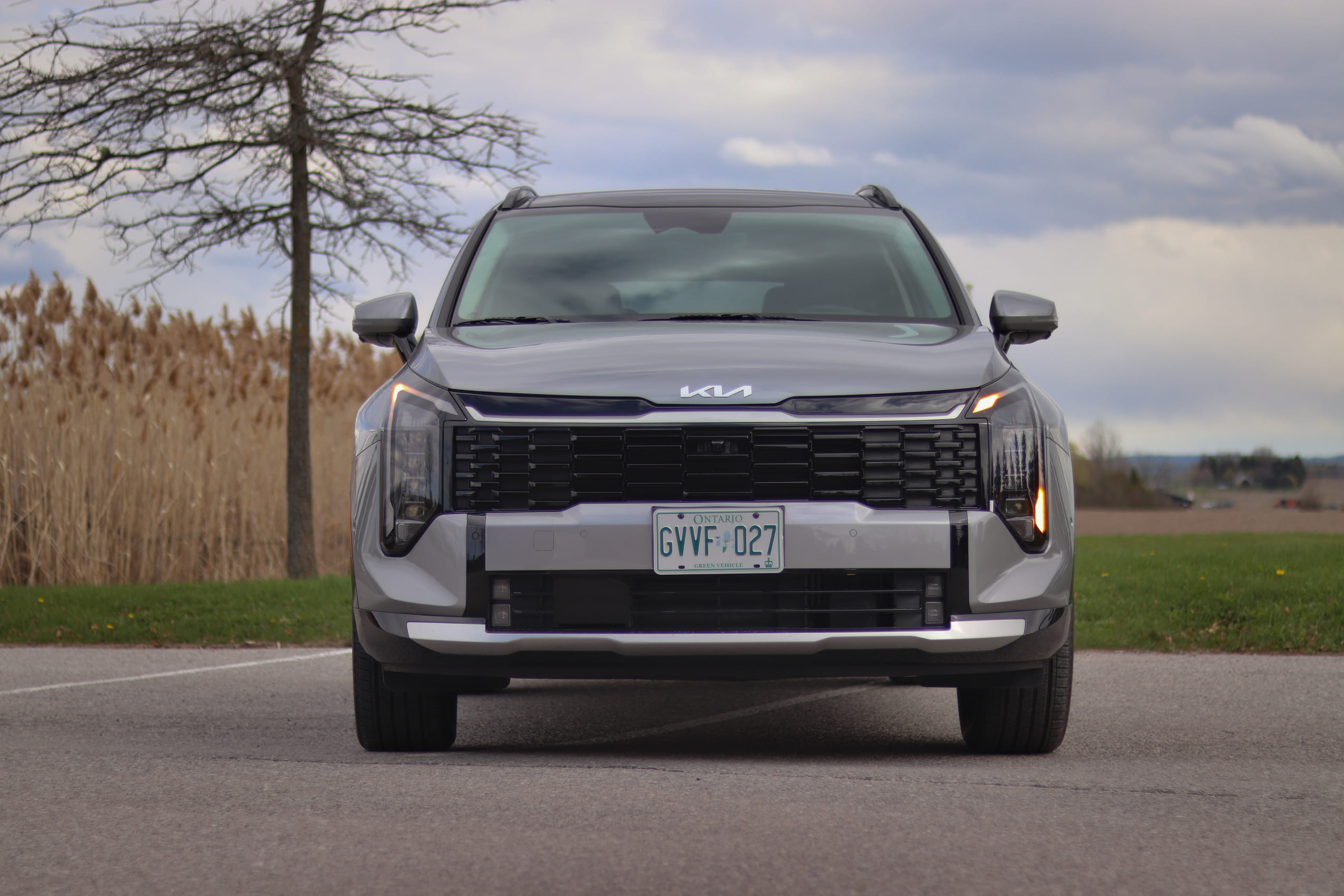
The Korean Audacity: Why the 2026 Sportage PHEV Should Make
Look at the 2026 Kia Sportage Plug-In Hybrid, and you are staring directly at the absolute pinnacle of contemporary Korean…
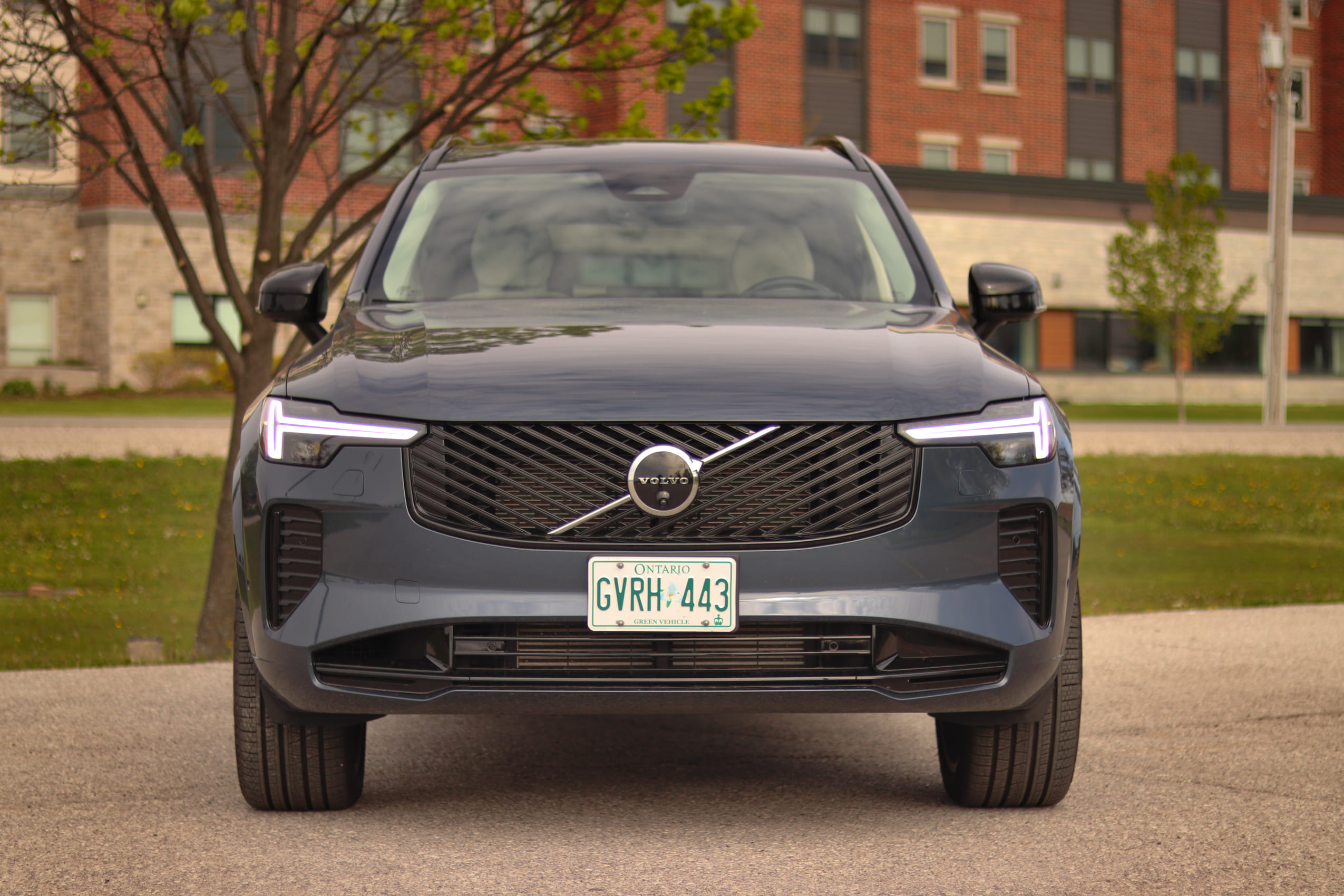
The 2026 Volvo XC90 T8 Review: Grandfathered into the Future
When the second-generation Volvo XC90 debuted over a decade ago, it was a revelation of Scandinavian minimalism that made the…
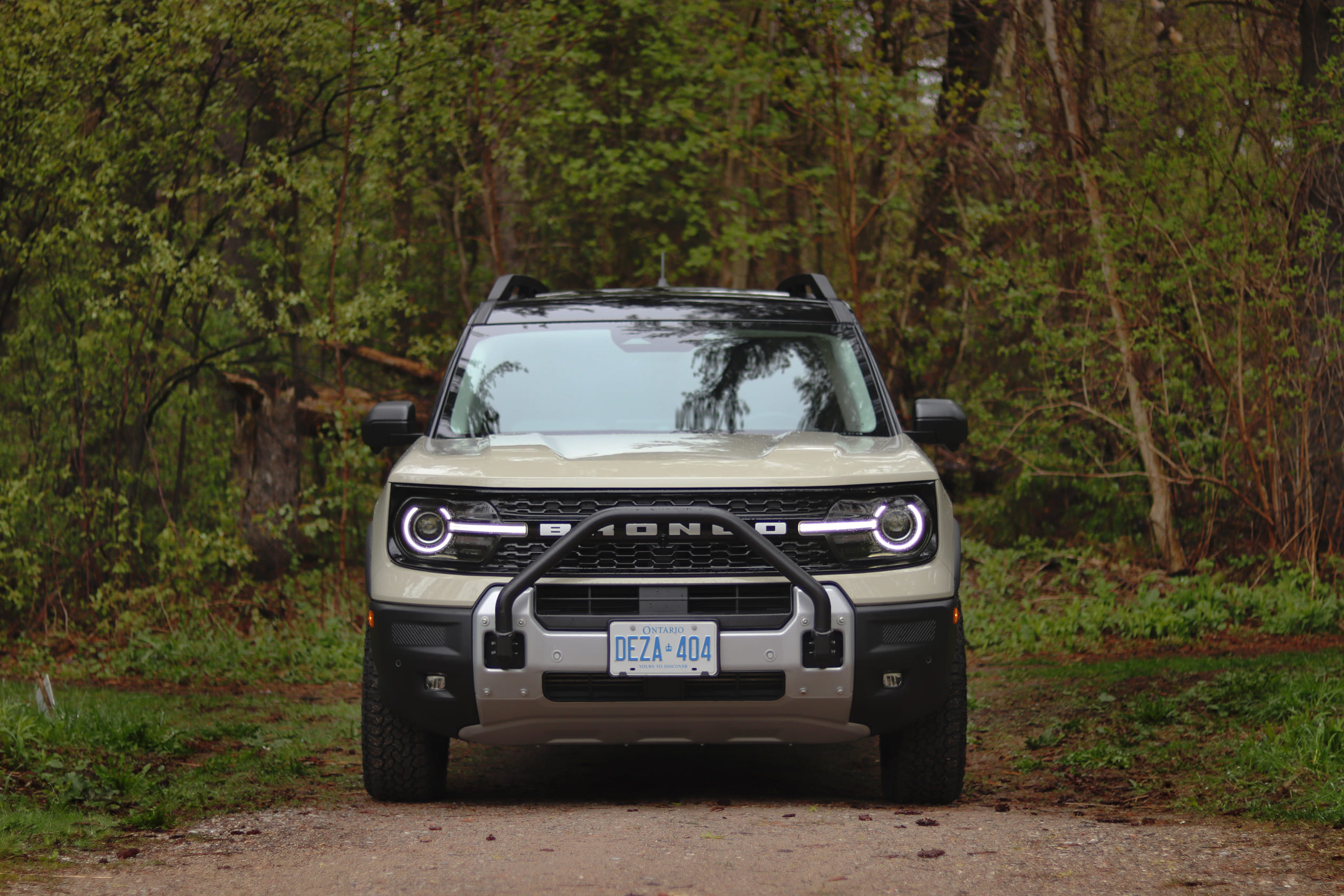
The Brilliant Absurdity of the 2026 Bronco Sport Sasquatch
Let’s be honest about what’s actually happening here. For years, the automotive industry has been playing a cruel joke on…
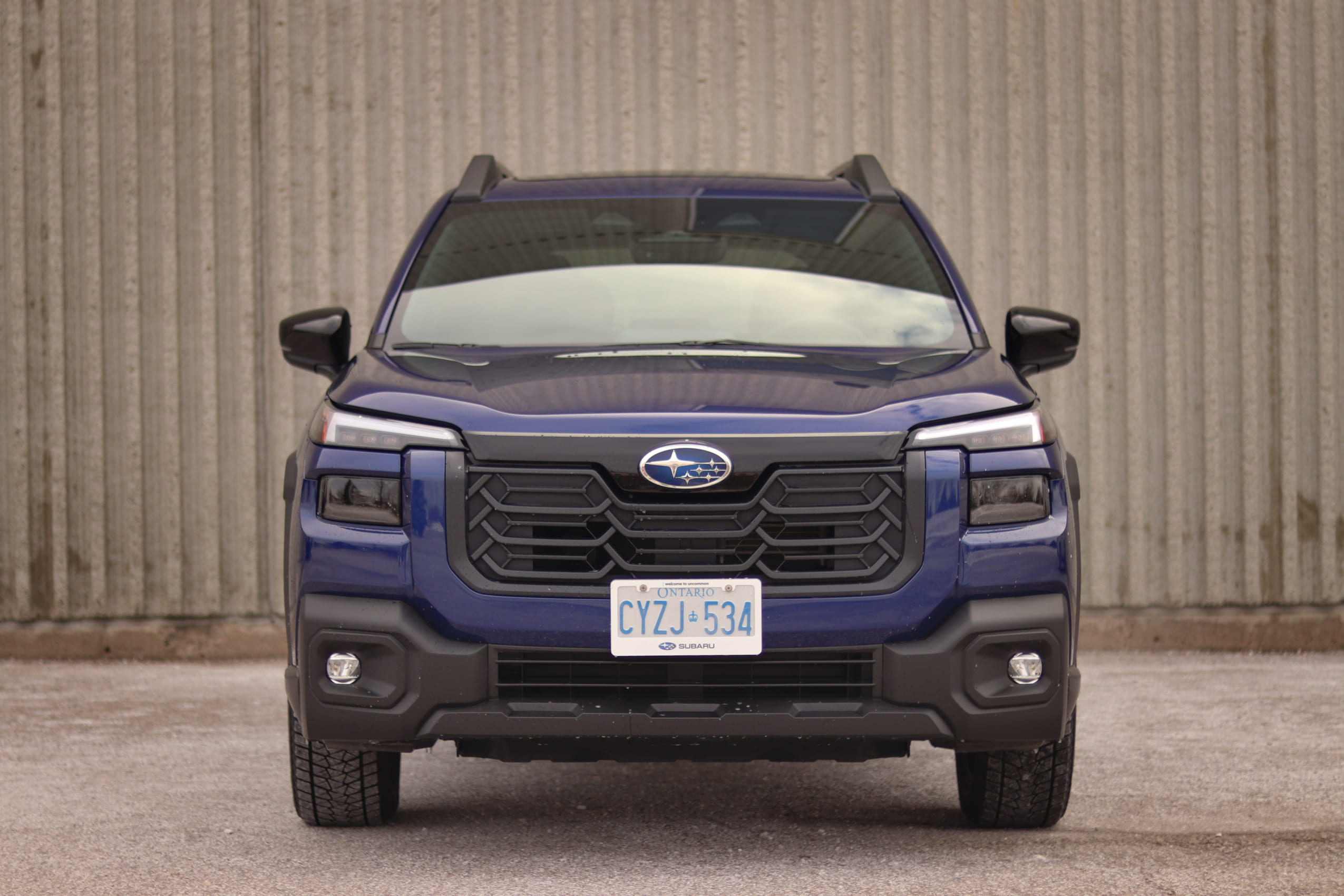
The 2026 Subaru Outback: A Station Wagon Having an SUV
For three decades, the Subaru Outback has been the ultimate automotive cheat code for people who secretly wanted a station…