Subaru finally did it — they electrified the Forester. But don’t panic: this isn’t some silent, soulless crossover trying to cosplay a Prius. The 2025 Subaru Forester Hybrid feels like a Subaru — boxy, honest, and stubbornly practical — but now it sips fuel instead of chugging it. It’s the same all-weather mountain goat we know, just a bit more smug about its carbon footprint. The big story isn’t horsepower or torque; it’s how seamlessly the hybrid system integrates with Subaru’s trademark Symmetrical AWD, proving that saving gas doesn’t have to mean saving excitement for someone else.


The 2025 Subaru Forester Hybrid looks exactly like what it is — a Forester that’s been through a glow-up, not an identity crisis. Subaru didn’t reinvent the wheel; they just sharpened its edges. The new front fascia is squarer, bolder, and a bit more grown-up, like it finally started drinking espresso instead of energy drinks.
Slimmer LED headlights frame a wider grille that gives of “ready-for-anything” energy, and the trademark cladding still covers everything short of the windshield — because dirt happens. The proportions are pure Forester: tall, boxy, unapologetically functional. Subaru added a few hybrid-only details, like subtle badging and a new blue accent here and there, but thankfully resisted the temptation to turn it into an eco cosplay.
Every panel looks like it was designed with both aerodynamics and door dings in mind. There’s more structural stiffness baked in this time, so it feels tighter and more confident on the road — and yet it still looks like it’s about to head off into the woods with a kayak and a golden retriever. The design team even threw in a few practical gimmicks, like a hands-free tailgate and roof rails beefy enough to carry half of your garange. The overall vibe? Honest utility wrapped in quite sophistication — a crossover that still knows how to get dirty, but now cleans up nicely afterward.


Climb into the 2025 Subaru Forester Hybrid and you’ll immediately feel… déjà vu. The dashboard, the center stack, even the air vents — it’s like every other Subaru decided to copy each other’s homework and change only the font. The layout is logical and visibility is excellent, but the overall design is as exciting as oatmeal. It’s all function over form, and that’s fine — but a little personality wouldn’t hurt. You do get a few new touches like a fully digital instrument cluster that finally modernizes the driver’s view, but the rest of the cabin feels trapped in a time loop where “good enough” has been the design brief for almost a decade.
The infotainment system is the biggest offender. Subaru proudly plunks a giant tablet-style screen in the middle of the dash, but the software behind it feels like it’s powered by dial-up internet. Menu transitions lag, response times are sluggish, rear-view camera is blurry, and the graphics look like they were designed by someone who still uses Windows Vista. It does have wireless Apple CarPlay and Android Auto — and thankfully, those work flawlessly — but the native system feels out of sync with the rest of the industry. The irony? The new digital driver display looks crisp and futuristic, while the main infotainment feels stuck two generations behind.
Where the Forester Hybrid redeems itself is in sheer practicality. Interior space is generous in every direction — the tall greenhouse gives you superb visibility and a genuine sense of airiness that few competitors can match. Rear passengers get ample legroom, the doors open extra wide, and the cargo area is still one of the most usable in its class. Subaru didn’t compromise space for the hybrid battery either, so you can still cram in a family’s worth of camping gear, two mountain bikes, and a week’s worth of regrets. It’s a cabin designed by people who actually use their cars for something much more than Instagram photos.


There are, of course, the usual Subaru quirks: the seats are comfortable but slightly firm, some plastics feel a bit too “wilderness ready”, and the ergonomics favour function over flair. But that’s the part of the Forester charm — it’s built to handle mud, dogs, and ski boots without flinching. The 2025 Hybrid’s interior might not win any design awards, but it nails what Subaru buyers actually care about: space, comfort, and the kind of usability that makes every drive feel effortless, even if the interface testing your patience along the way.
Underneath the 2025 Subaru Forester Hybrid’s sensible skin lives an engineering cocktail that could only come from a Subaru-Toyota brain merge. At its core sits Subaru’s tried-and-true 2.5-litre flat-four — the horizontally opposed heart that keeps the brand’s centre of gravity somewhere near the earth’s crust. But now, it’s joined by a Toyota-sourced hybrid system, combining an electric motor and lithium-ion battery to give the Forester long-overdue efficiency cred. The total output still hovers around 190 horsepower, which doesn’t sound like much until you realize that, for Subaru, this is basically Formula 1.
What makes this system fascinating isn’t the headline numbers, but how it all works together. Toyota’s hybrid tech — typically front-biased and fuel-miserly — had to be re-engineered to play nicely with Subaru’s full-time Symmetrical All-Wheel Drive system. Instead of just slapping an e-motor onto the rear wheels and calling it a day, Subaru still offers an actual rear differential, with rear axles and a shaft — which means it is still a mechanical AWD system prioritizing traction over fuel efficiency.


This partnership is a huge deal for Subaru. Until now, their hybrid attempts were more “proof of concept” than actual competition — good intentions, mediocre execution. By leveraging Toyota’s hyrid brains and combining them with Subaru’s AWD magic, the brand finally has a drivetrain that feels cohesive, not cobbled together. It’s efficient without neutering the driving experience — and it gives Subaru a legitimate player in the hybrid compact SUV space — something they desperately needed as rivals push toward electrification.
In short, this isn’t just a hybrid Forester. It’s Subaru quietly saying, “Fine, we’ll do efficiency — but our way.” You still get boxer burble, the grip, and the go-anywhere attitude — now with the added satisfaction of watching the fuel gauge move slower than your pulse on a Sunday drive. It’s the hybrid system for people who still want to take the long way home, preferably through a dirt road.
2025 Subaru Forester Hybrid – Specifications
| Engine | 2.5L DOHC 16-valve horizontally opposed 4-cylinder (Atkinson cycle) |
| Electric Motor | Permanent magnet synchronous motor |
| Combined Power Output | 194 hp |
| Transmission | Continuously variable automatic |
| Drivetrain | Symmetrical All-Wheel Drive |
| Battery Type / Capacity | Lithium-ion / 1.1 kWh (approx.) |
| Fuel Economy (Combined) | 7.4 L/100 km (31 mpg US combined) |
| Ground Clearance | 220 mm / 8.7 in |
| Cargo Volume (Seats Up) | 27.5 cu ft / 778 L |
| Cargo Volume (Seats Folded) | 69.1 cu ft / 1958 L |
| Website | www.subaru.ca |
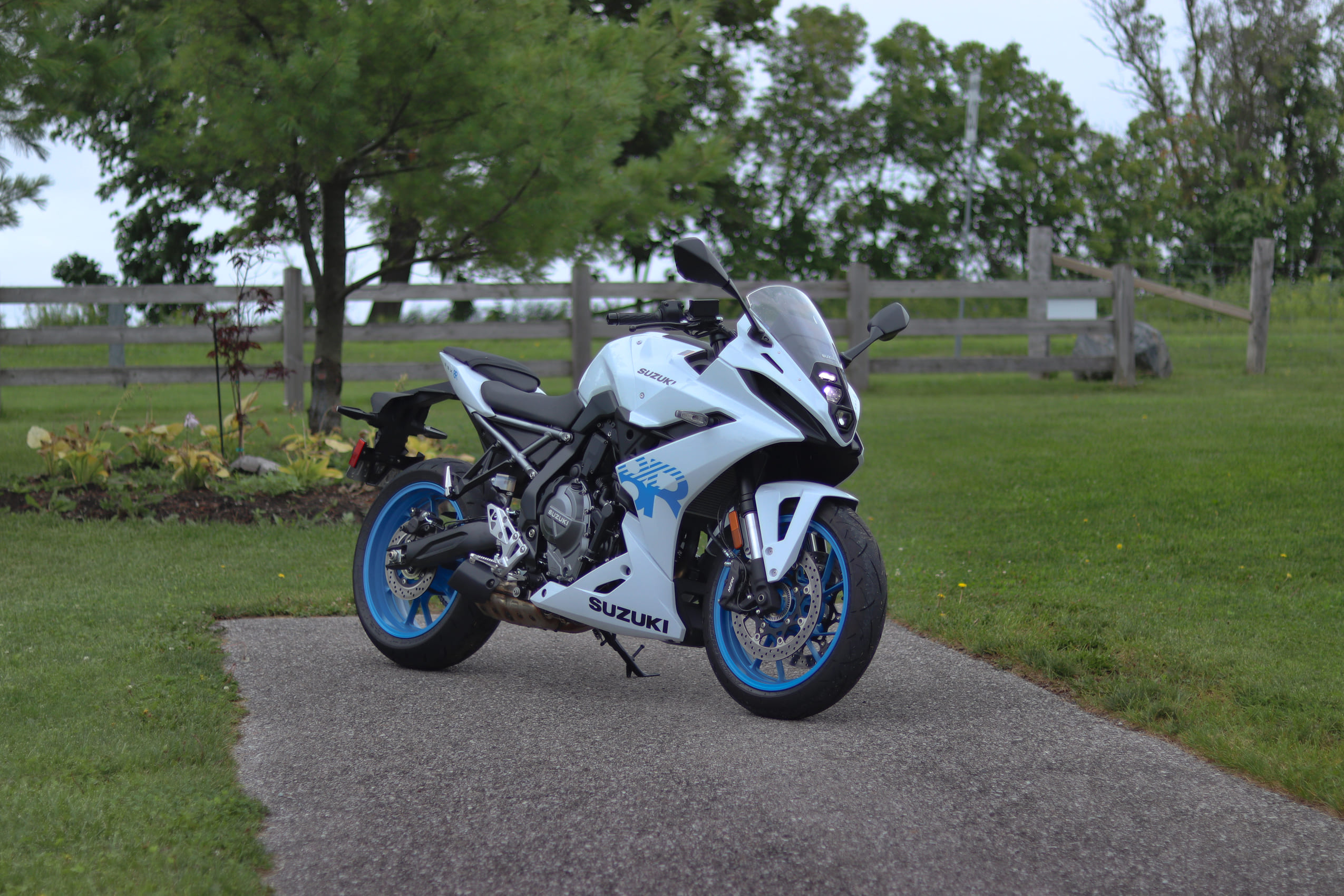
2026 Suzuki GSX-8R: The Middleweight Sport Bike Formula Done Right
The motorcycle world has spent the last decade trapped in a profoundly stupid dick-measuring contest, obsessed with building 200-horsepower, track-focused…

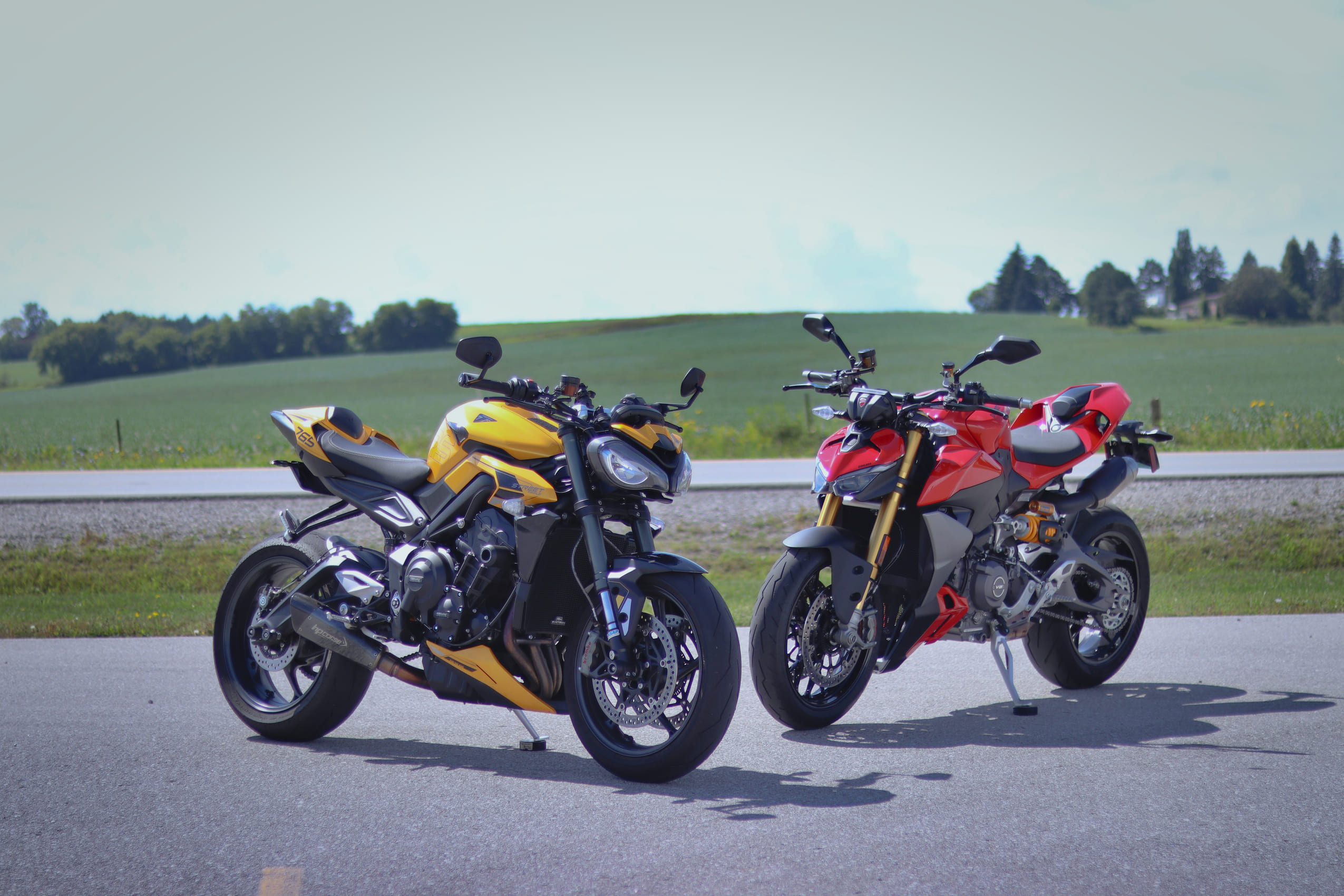
British Precision vs. Italian Violence: 2026 Ducati Streetfighter V2S vs.
Human beings are inherently absurd creatures, but nowhere is that absurdity more evident than in our willingness to strap our…
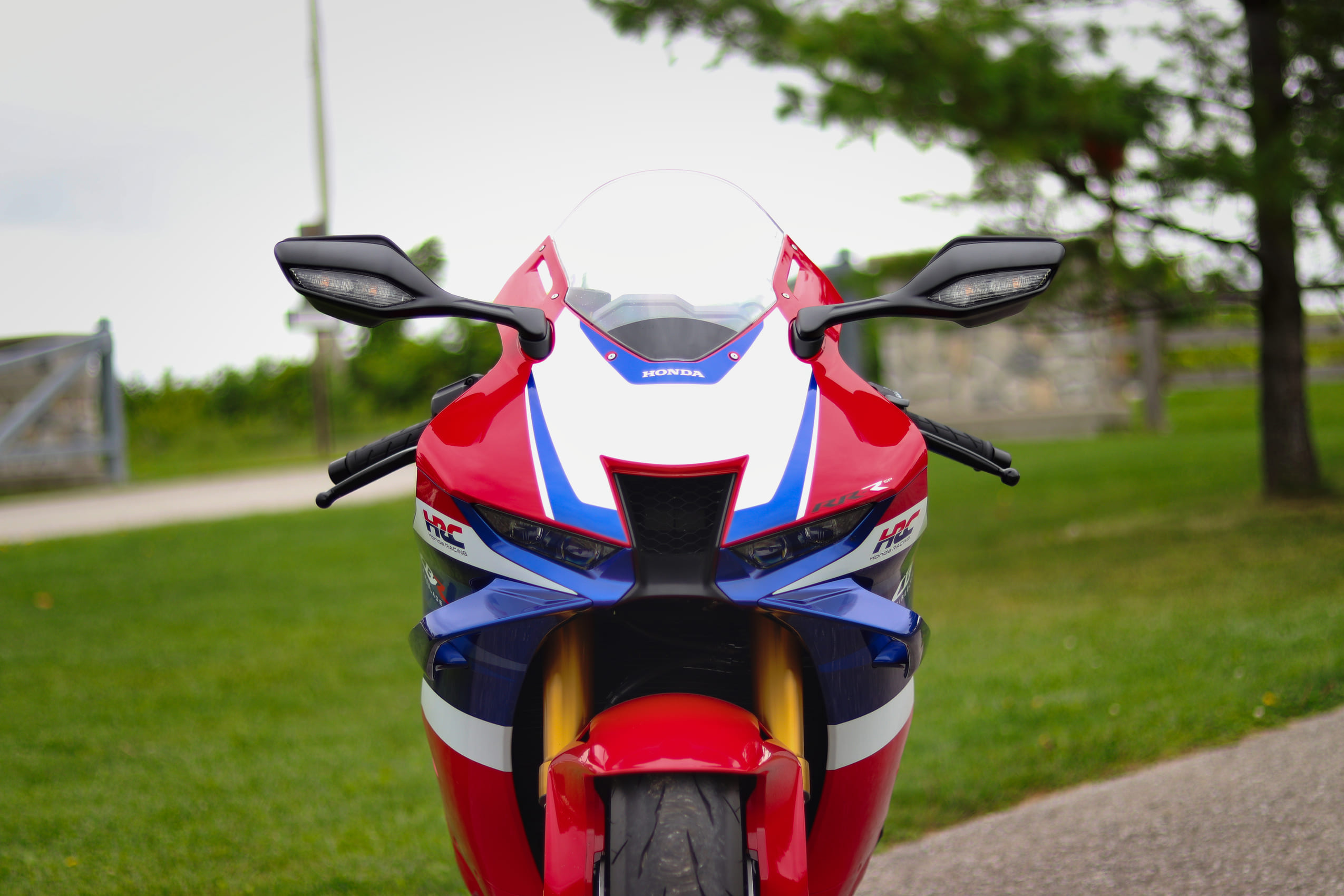
2026 Honda CBR1000RR-R Fireblade SP Review: Pure Mechanical Violence
The 2026 Honda CBR1000RR-R Fireblade SP is not a motorcycle; it is a clinical, unrelenting exercise in absolute mechanical insanity…
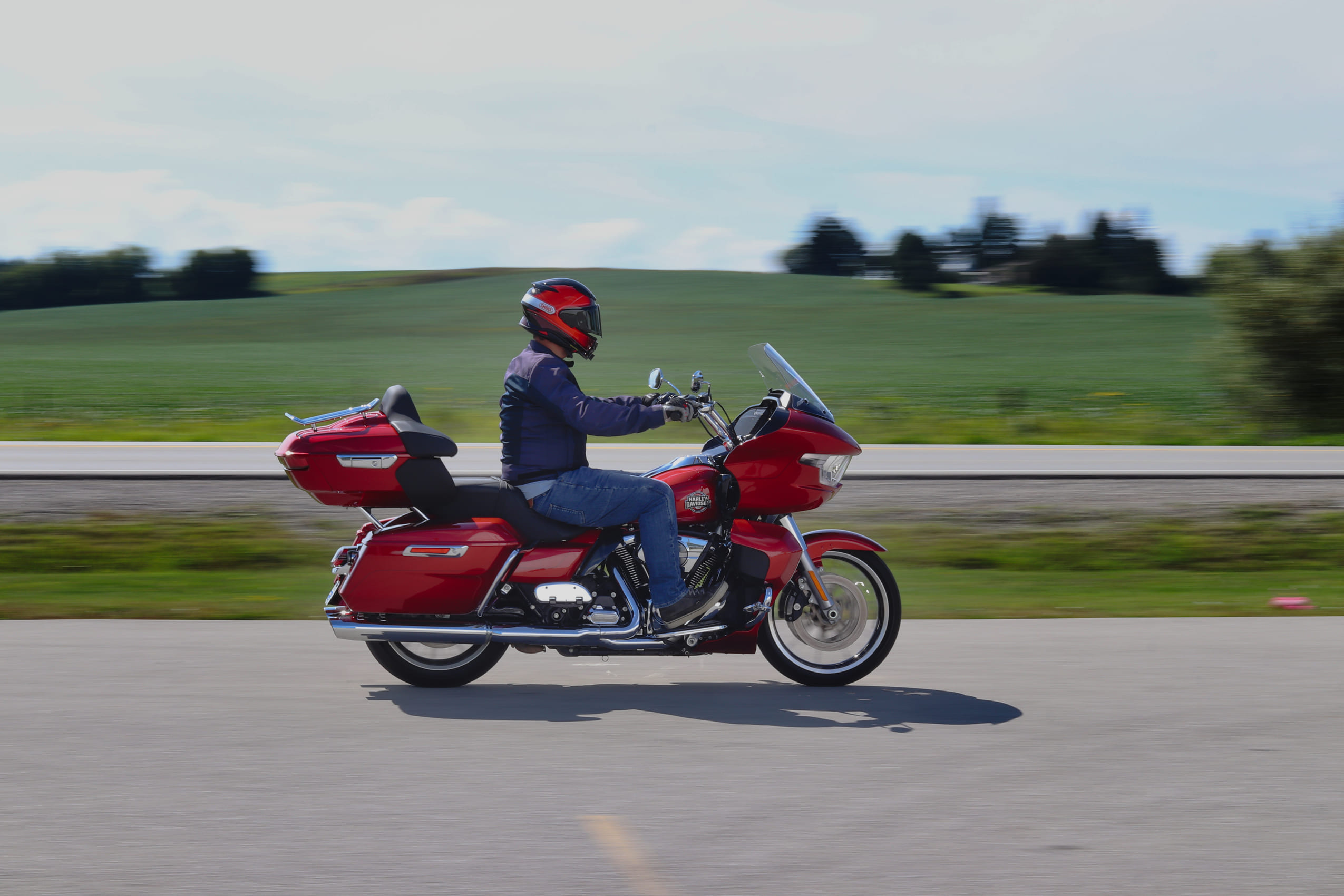
Sharknose Supremacy: Driving the 2026 Harley-Davidson Road Glide
Let’s get one thing straight: the 2026 Harley-Davidson Road Glide shouldn’t make sense. It’s a rolling, 800-pound contradiction—a massive, frame-mounted…
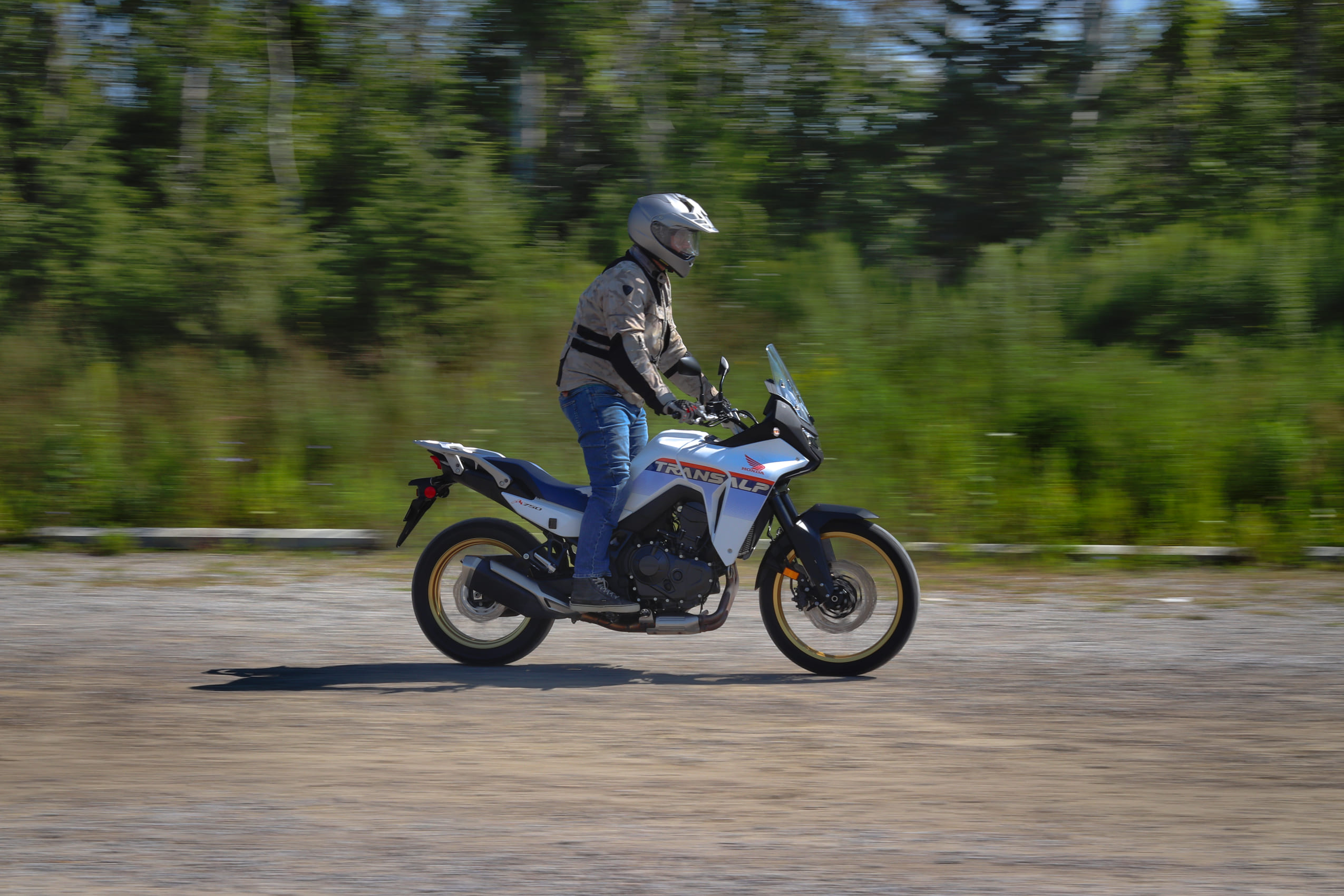
The Anti-ADV Hero: Why the 2026 Honda Transalp is the
Leave it to Honda to look at the entire, absurdly over-engineered, $25,000 middleweight adventure segment—a market flooded with hyper-focused rally…
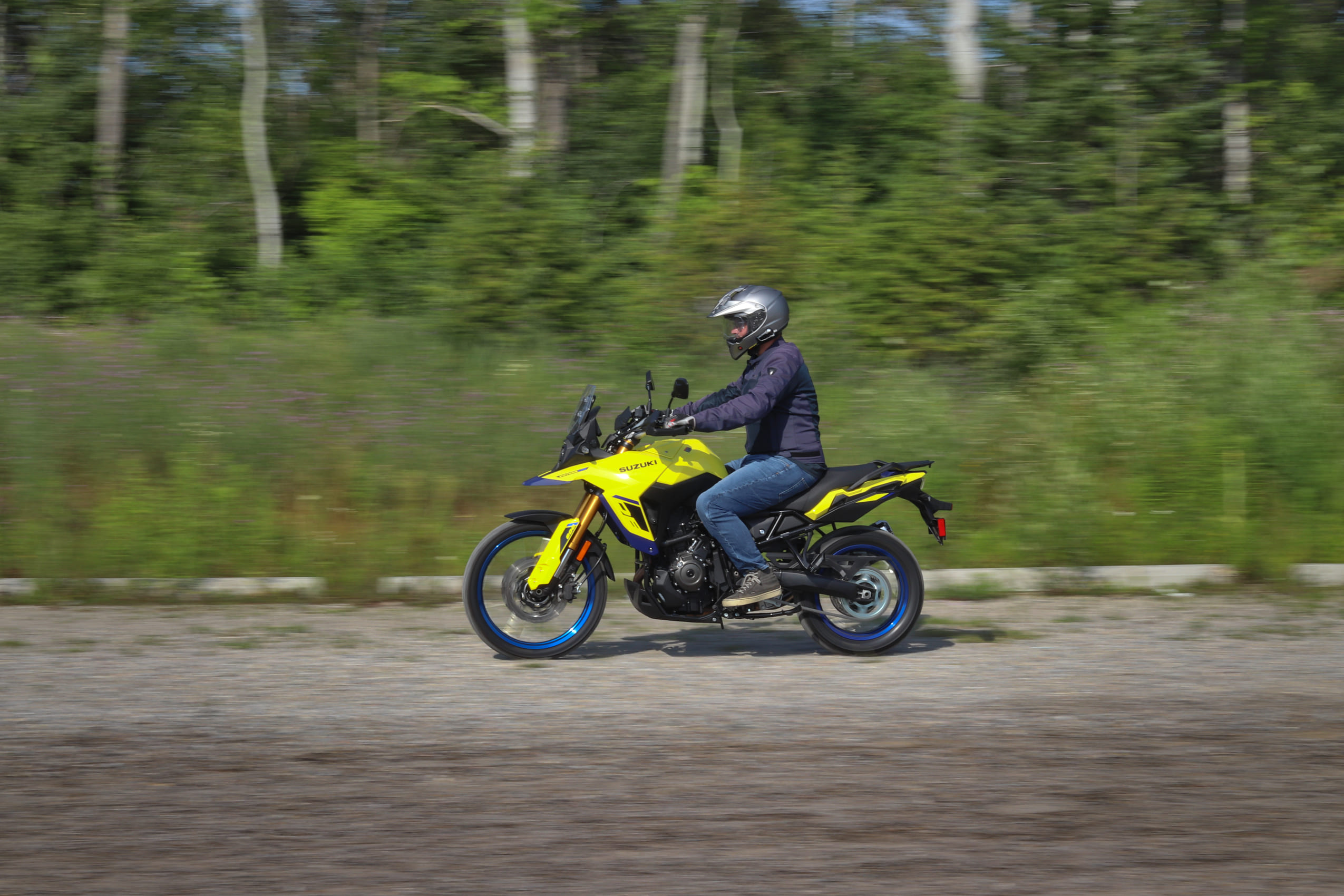
2026 Suzuki V-Strom 800DE: No V-Twin, No Problem
Words are supposed to mean things. The “V” in V-6 means a V-layout, and for two decades, the “V” in…