Ford has entered its “choose-your-own-adventure” era: you can have the PowerBoost Hybrid, which mixes twin-turbo V6 theatrics with a battery pack big enough to shame early plug-ins—or you can go full electric, the torque-monster Lightning that proves silence can be louder than noise. One is the truck for people who still enjoy the smell of gasoline with their morning coffee; the other is Ford’s declaration that the future of hauling and burnout-making doesn’t need pistons at all. Together, they form the most diverse and borderline-chaotic truck lineup Ford has ever offered… and honestly, that’s what makes it great.


Visually, the two trucks feel like they were designed by siblings who grew up in the same house but picked completely different majors. The PowerBoost Hybrid looks like every other F-150—square-jawed, chrome-happy, and proudly wearing the “I can tow a small planet” uniform. Meanwhile, the Electric model swaps the brawny grille for a sleek, sealed off face that looks like it was designed by someone who’s really into Scandinavian furniture. The LED light bar up front practically shouts “Hi, I’m the future!” while the hybrid just nods politely from the present.
Then there is the frunk—Ford’s greatest party trick. The hybrid doesn’t have one because, well… it’s busy housing an actual engine. But the electric F-150 gives you a cavernous, weather-sealed, powered Mega Frunk that can swallow coolers, luggage, tools, or half of Costco. It’s the kind of practical feature that makes you wonder why trucks didn’t have front trunks decades ago. Ultimately, both trucks look like an F-150, but only one of them hints that it might eventually judge you for your carbon footprint.
From the side, the Hybrid and Electric look nearly identical—big, boxy silhouettes carved with the subtlety of a brick—but the details split them apart. The PowerBoost flexes familiar F-150 cues: traditional wheel designs, visible exhaust tips, and proportions that say “I’ve been doing this for 40 years.” The Electric model, though, feels like it’s been quietly aerodynamically optimized by a nerd armed with a wind tunnel. Flushier faces, smoother wheels, and the absence of tailpipes give it a weirdly sleek vibe, like it’s trying to slip through the air instead of punching it.


Out back, the Hybrid keeps the classic tailgate-and-taillight combo you’ve seen a million times, while the Electric adds its signature full-width LED bar—basically a neon sign reminding everyone behind you that this truck plugs in instead of fills up. Both are unmistakably F-150, but the Lightning clearly spent more time in the design studio and less time in the exhaust aisle at Canadian Tire.
Inside, both trucks share the same “mobile command center” philosophy—big screens, big knobs, big everything— but they express it in slightly different dialects. The PowerBoost Hybrid’s cabin feels like a traditional F-150 that upgraded to Premium Economy: chunky physical controls, a familiar dash shape, and the “I can wipe this with a greasy glove” ergonomics Ford absolutely nailed years ago. The Electric model, meanwhile, leans more into its tech-nerd identity with the massive portrait touchscreen dominating the dash like an iPad that won a custody battle.
The Lightning also sneaks in EV-specific menus, power-flow animations, and enough Pro Power Onboard readouts to make even electricians feel professionally insecure. Both offer work-friendly folding shifters, giant center consoles, and enough hidden cubbies to smuggle a week’s worth of gas-station snacks—but only the Electric gives you a dedicated screen for managing your 9.6 kW of truck-as-a-generator chaos. The Hybrid does “modern truck” extremely well; the Electric does “rolling tech lab” even better. Each interior works—just depends whether you prefer your dashboard to feel like a tool chest or a Tesla with biceps.


Under the hood—or, in the Lightning’s case, under the frunk—the two F-150s could not be more different. The PowerBoost Hybrid pairs a 3.5-litre twin-turbo EcoBoost V6 with an electric motor sandwiched inside its 10-speed automatic transmission for a total of 430 hp and 570 lb-ft of torque, creating a system that feels part muscle, part science project. You get instant electric shove to fill in the turbos, then the V6 lights off and does V6 things, giving the Hybrid that fat wave of torque truck people love while still returning fuel economy that won’t bankrupt you every Monday. The Lightning skips all of that complexity and just rocks dual electric motors—one front, one rear—delivering a whopping 580 hp with the extended-range battery—all of it instant, all of it violent enough to make the Hybrid feel like it’s waiting for a permission slip.
Under the floor of the Lightning sits a giant, skateboard-style battery pack—either the standard or extended-range unit—mounted low and spread across the chassis like a weighted blanket. This is the secret sauce that gives the electric truck both its stability and its freakish launch response. Charging can be done at home on Level 2 or at DC fast chargers, where the Lightning slurps electrons like it’s carbo-loading for a marathon. Range depends on trim and battery, but even the base setup gives you enough real-world distance to handle day-to-day truck life without range anxiety eating your lunch. Meanwhile, the Hybrid doesn’t have to think about charging; it simply fills with gas like a normal truck, which—say what you want—is still the ultimate convenience feature for road trips, spontaneous towing emergencies, and people who refuse to plan their life around charging stations.
The biggest mechanical plot twist comes out back. The PowerBoost Hybrid sticks to a classic solid rear axle with leaf springs, because that’s how you build a truck that survives job sites and doesn’t fold under a heavy tongue weight. The Lightning, on the other hand, ditches tradition for an independent rear suspension—because with a pizza-box-sized battery under the floor, there is no room for old-school leaf springs. The result is a truck that rides smoother, feels more planted on rough pavement, and corners with slightly less “pickup truck wiggle.” It’s the rare case where the electric version actually feels less trucky—in a good way—while the Hybrid stays true to the tried-and-true formula.


Towing is where the family resemblance comes back… with caveats. Properly equipped, the Hybrid can tow up to 12,700 pounds, flexing its engine-plus-electric-assist like a gym bro on creatine. The Lightning can tow up to 10,000 pounds with the extended-range battery—impressive, especially considering it’s hauling around the weight of two adult moose in battery cells. But towing also does what towing always does to EVs: it eats range. Quickly. Still, both trucks share the F-150 essentials: Pro Power Onboard generators, on board scales, trailer assist tech, 360-degree cameras, and the general ability to do Real Truck Things without excuses. One just does it with pistons and turbos, the other with electrons and a giant lithium-ion confidence booster.
On the road, the PowerBoost Hybrid drives exactly how you’d expect a modern F-150 to: big, confident, quietly muscular, and surprisingly refined for something shaped like a filing cabinet. The electric assist fills in the gaps beautifully, making low-speed torque silky and towing smoother. When the turbos spool, the whole truck hunkers down and moves with real authority—never sports-car quick, but unmistakably “I have 570 lb-ft and I’m not afraid to use it” attitude. Steering is light, body control is predictable, and the ride is still very much truck-with-leaf-springs. It’s the familiar F-150 experience but with the rough edges buffed out by electrons.
The Lightning, though, is a different animal entirely. Mash the pedal and it lunges forward like it’s been rear-ended by a freight train—quietly. The independent rear suspension gives it a smoothness the Hybrid F-150 can’t match, and the low center of gravity from the battery makes it feel oddly planted for something this tall and square. It corners flatter, absorbs bumps with less drama, and moves through traffic with a calm, effortless quickness that V6s and 10-speeds simply can’t replicate. The weight is obvious if you really toss it into corners, but the Lightning hides its mass better than any full-size truck has any right to.


If you tow long distances, live in colder climates, or need total freedom from charging infrastructure, the F-150 PowerBoost Hybrid is the smarter, more versatile everyday tool. It behaves like the F-150 everyone already knows, but with more torque, better efficiency, and zero lifestyle compromises. It’s the truck for people who want modern tech, but still want a gas engine to bail them out at 2 a.m. on a long trip.
The F-150 Lightning, on the other hand, is perfect for drivers who want the smoothest, quickest, quietest F-150 ever built—and who can reliably charge at home. It’s ideal for suburban commutes, job sites with access to power, local towing, and anyone who appreciates effortless acceleration that embarrasses sports sedans. It’s the truck for people who want the future now and don’t mind planning their range the way others plan coffee stops.
Different audiences, different strengths—but the real win is that Ford built two very different F-150s that both feel like F-150s.
| Category | F-150 PowerBoost Hybrid | F-150 Lightning (Extended Range) |
|---|---|---|
| Powertrain | 3.5L Twin-Turbo EcoBoost V6 + Electric Motor | Dual Electric Motors (Front + Rear) |
| Horsepower | 430 hp | 580 hp |
| Torque | 570 lb-ft | 775 lb-ft |
| Transmission | 10-Speed Automatic | Single-Speed Direct Drive |
| Drivetrain | 4×4 | Standard AWD |
| Battery | N/A | Extended-Range Lithium-Ion (131 kWh) |
| Battery Location | N/A | Skateboard-Style Floor Pack |
| Estimated Range | N/A (Gas-Powered) | Up to 515 km (Varies by Trim) |
| Charging | Not Applicable | Level 2 + DC Fast Charging |
| Rear Suspension | Solid Rear Axle, Leaf Springs | Independent Rear Suspension |
| Max Towing | Up to 12,700 lbs | Up to 10,000 lbs |
| Max Payload | Up to ~2,100 lbs | Up to ~2,000 lbs |
| Frunk | No | Yes – Mega Power Frunk |
| Pro Power Onboard | 2.4 kW or 7.2 kW | 9.6 kW |
| Website: | www.ford.ca | www.ford.ca |
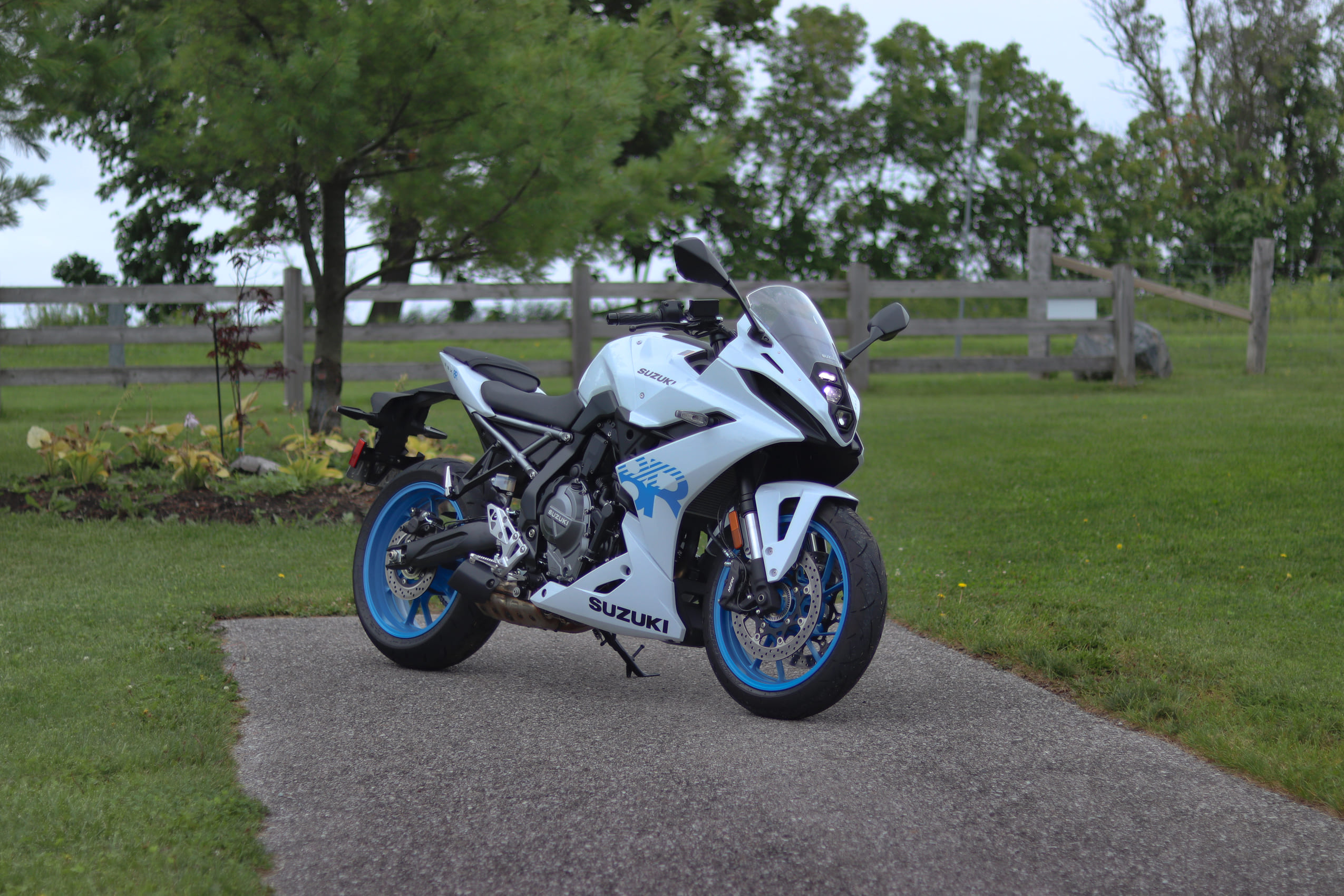
2026 Suzuki GSX-8R: The Middleweight Sport Bike Formula Done Right
The motorcycle world has spent the last decade trapped in a profoundly stupid dick-measuring contest, obsessed with building 200-horsepower, track-focused…

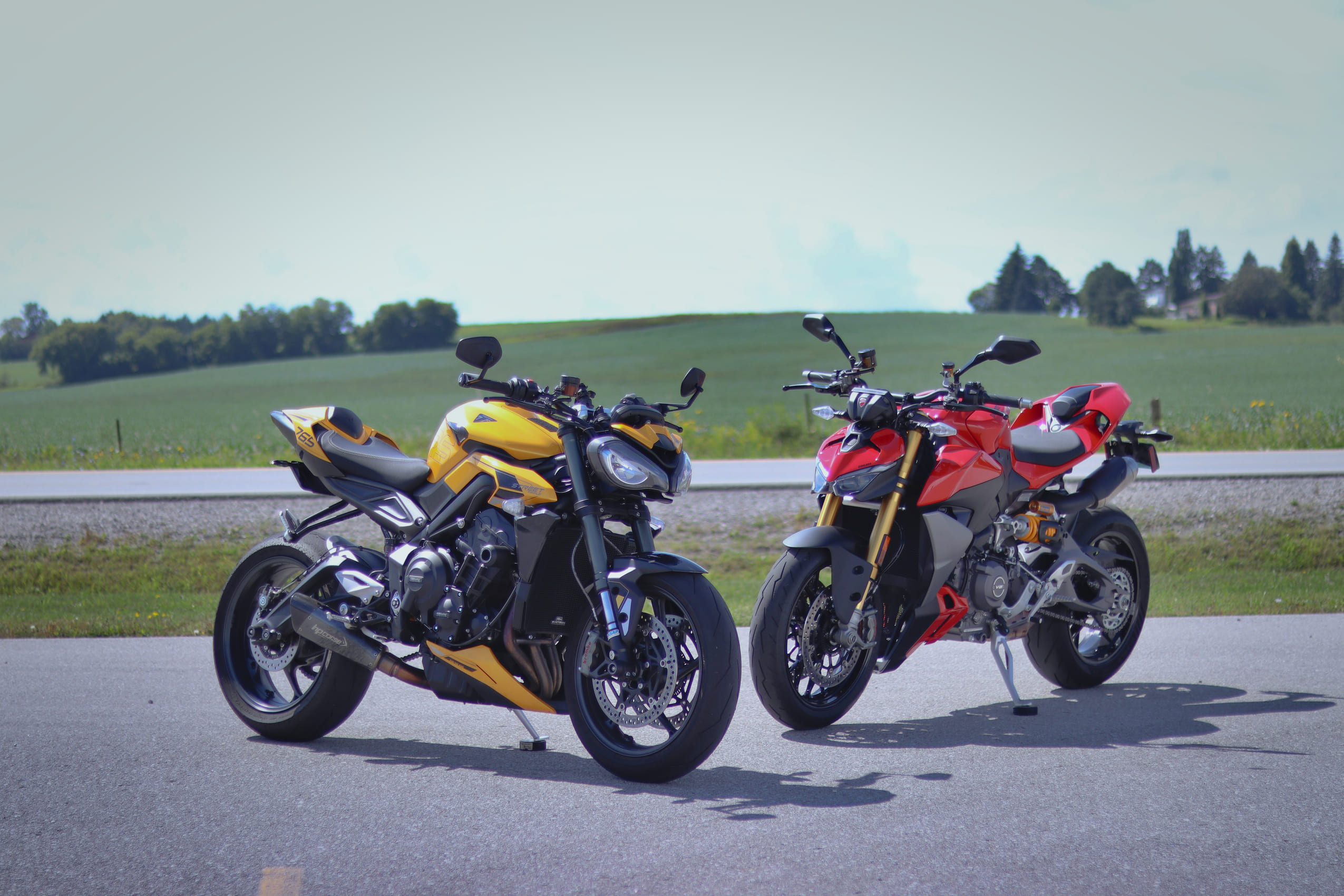
British Precision vs. Italian Violence: 2026 Ducati Streetfighter V2S vs.
Human beings are inherently absurd creatures, but nowhere is that absurdity more evident than in our willingness to strap our…
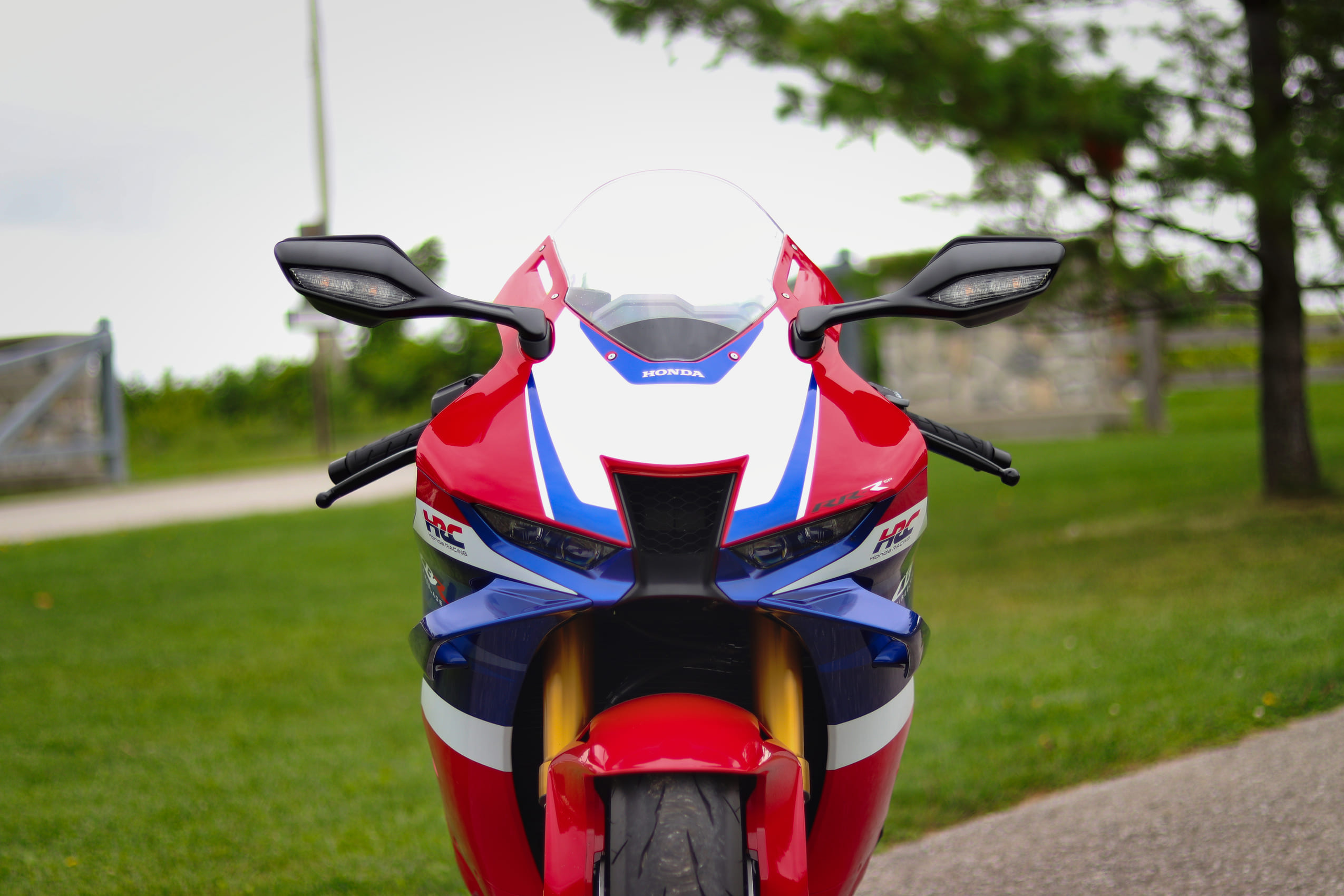
2026 Honda CBR1000RR-R Fireblade SP Review: Pure Mechanical Violence
The 2026 Honda CBR1000RR-R Fireblade SP is not a motorcycle; it is a clinical, unrelenting exercise in absolute mechanical insanity…
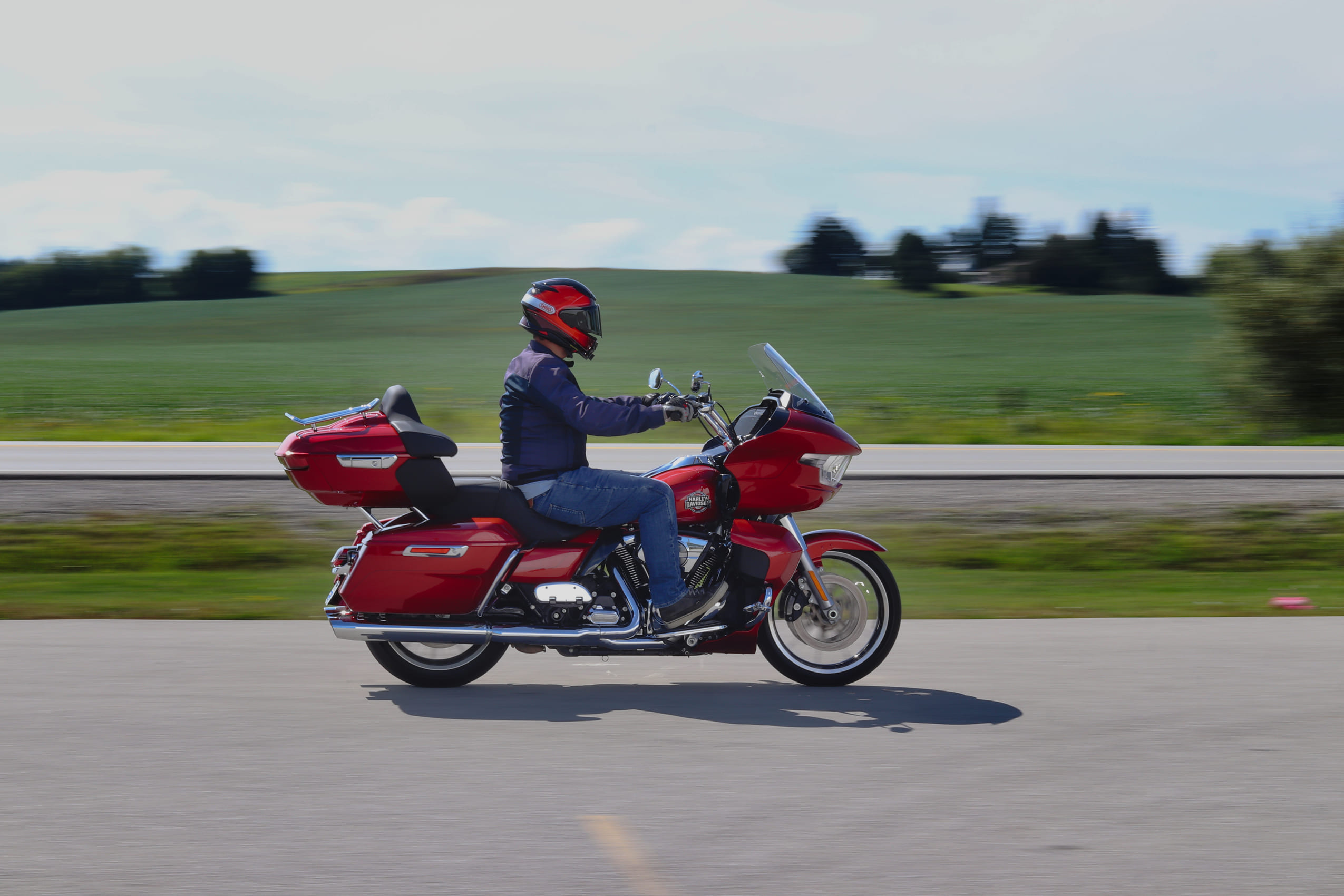
Sharknose Supremacy: Driving the 2026 Harley-Davidson Road Glide
Let’s get one thing straight: the 2026 Harley-Davidson Road Glide shouldn’t make sense. It’s a rolling, 800-pound contradiction—a massive, frame-mounted…
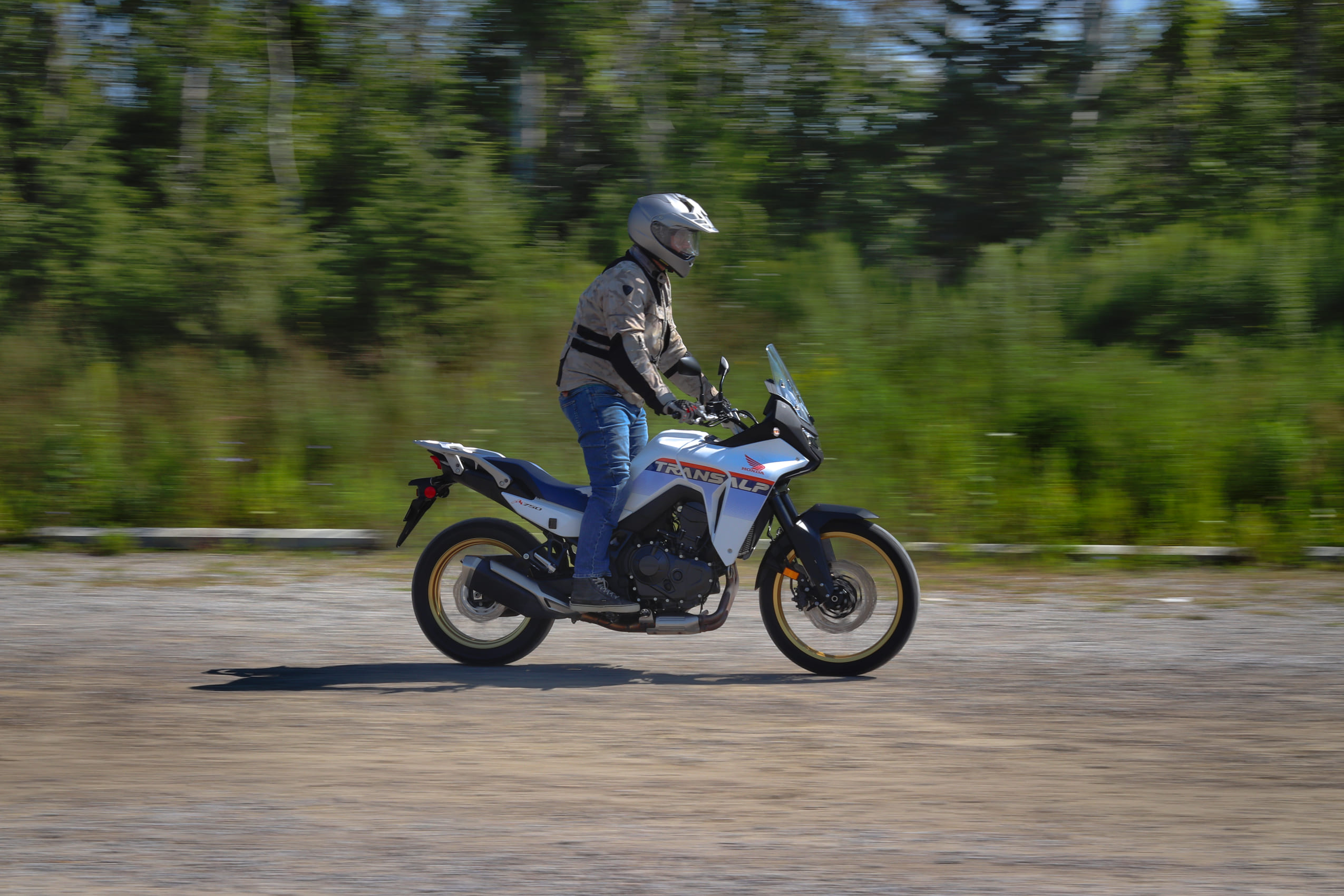
The Anti-ADV Hero: Why the 2026 Honda Transalp is the
Leave it to Honda to look at the entire, absurdly over-engineered, $25,000 middleweight adventure segment—a market flooded with hyper-focused rally…
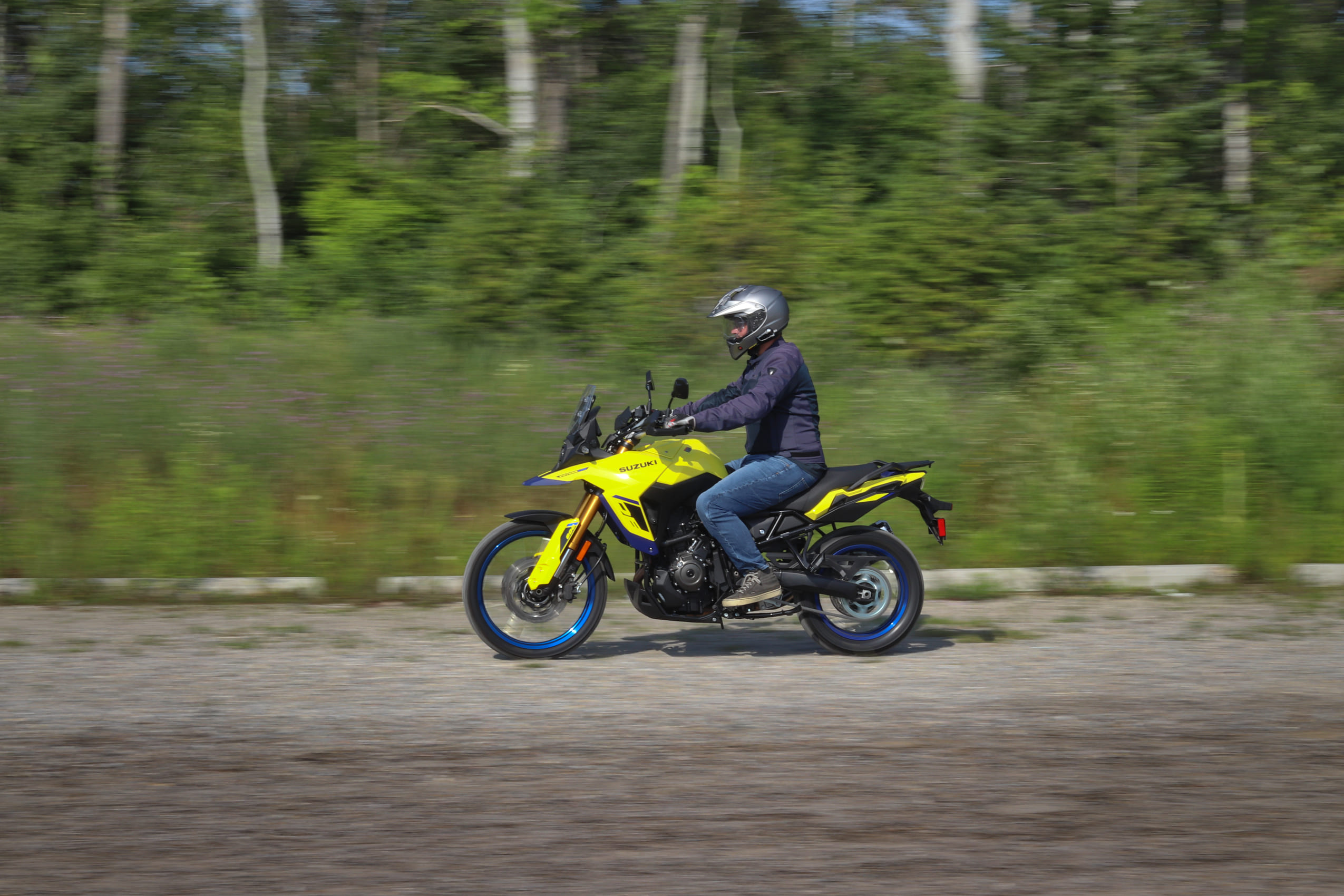
2026 Suzuki V-Strom 800DE: No V-Twin, No Problem
Words are supposed to mean things. The “V” in V-6 means a V-layout, and for two decades, the “V” in…