For three decades, the Subaru Outback has been the ultimate automotive cheat code for people who secretly wanted a station wagon but lacked the social courage to buy one. By simply gluing some unpainted plastic cladding onto a Legacy and raising the ride height, Subaru created a masterclass in middle-class, crunchy-granola pragmatism—a car bought exclusively by people who prioritize the safety of their Golden Retrievers over any semblance of driving dynamics. For 2026, the seventh-generation Outback has suffered a severe mid-life crisis, completely abandoning its long-roof, anti-SUV heritage in favor of a boxier, chunkier, and aggressively squared-off silhouette.
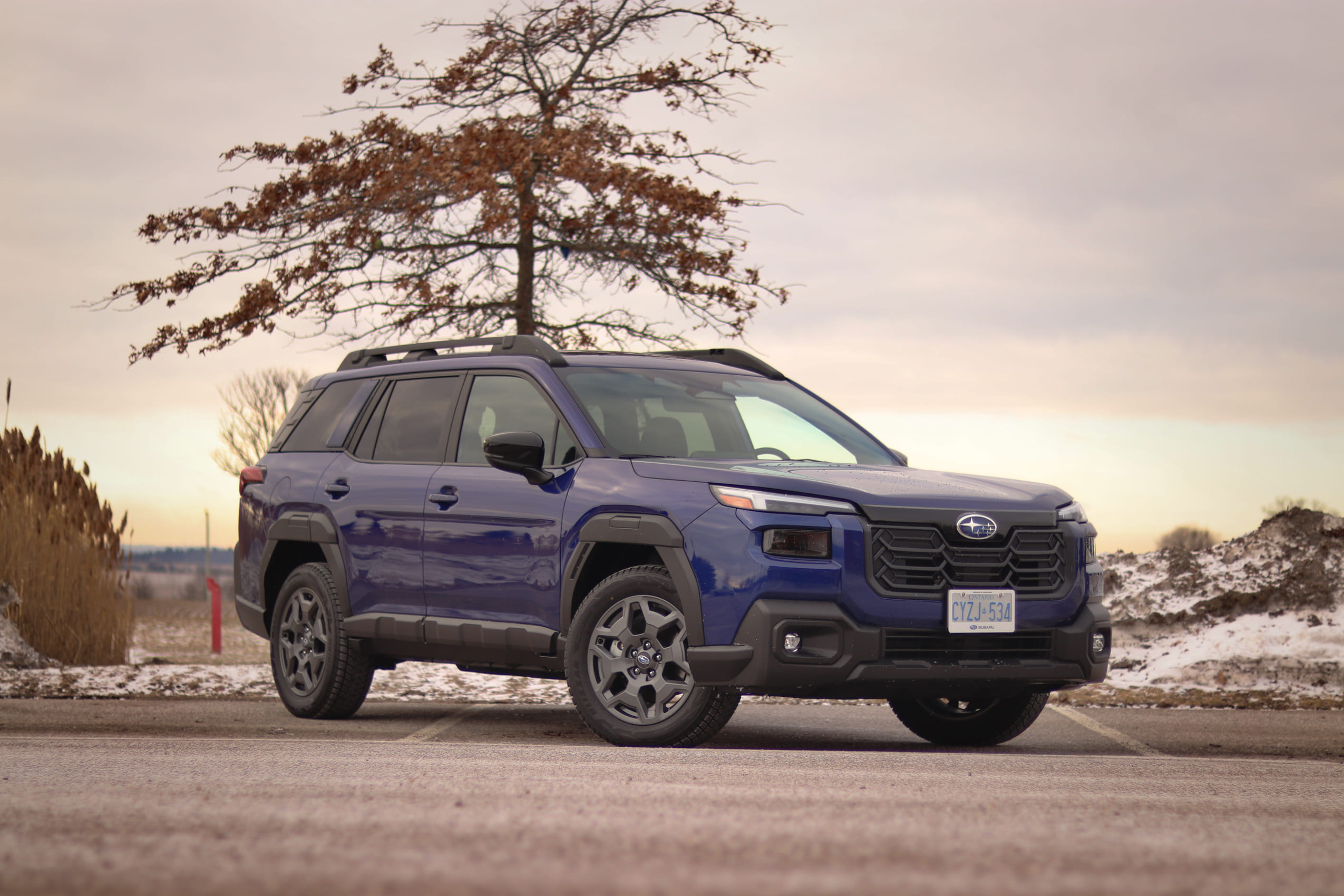
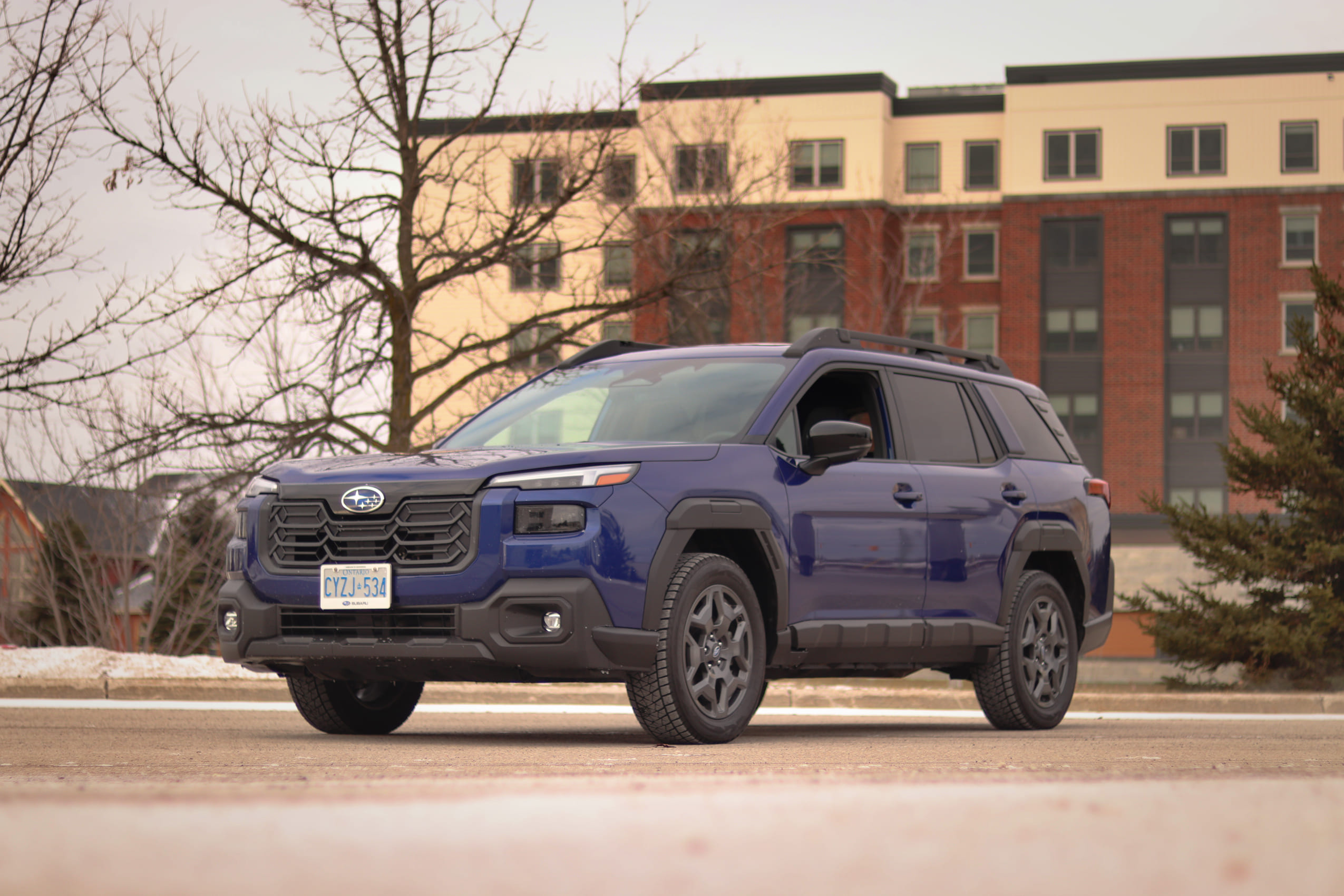
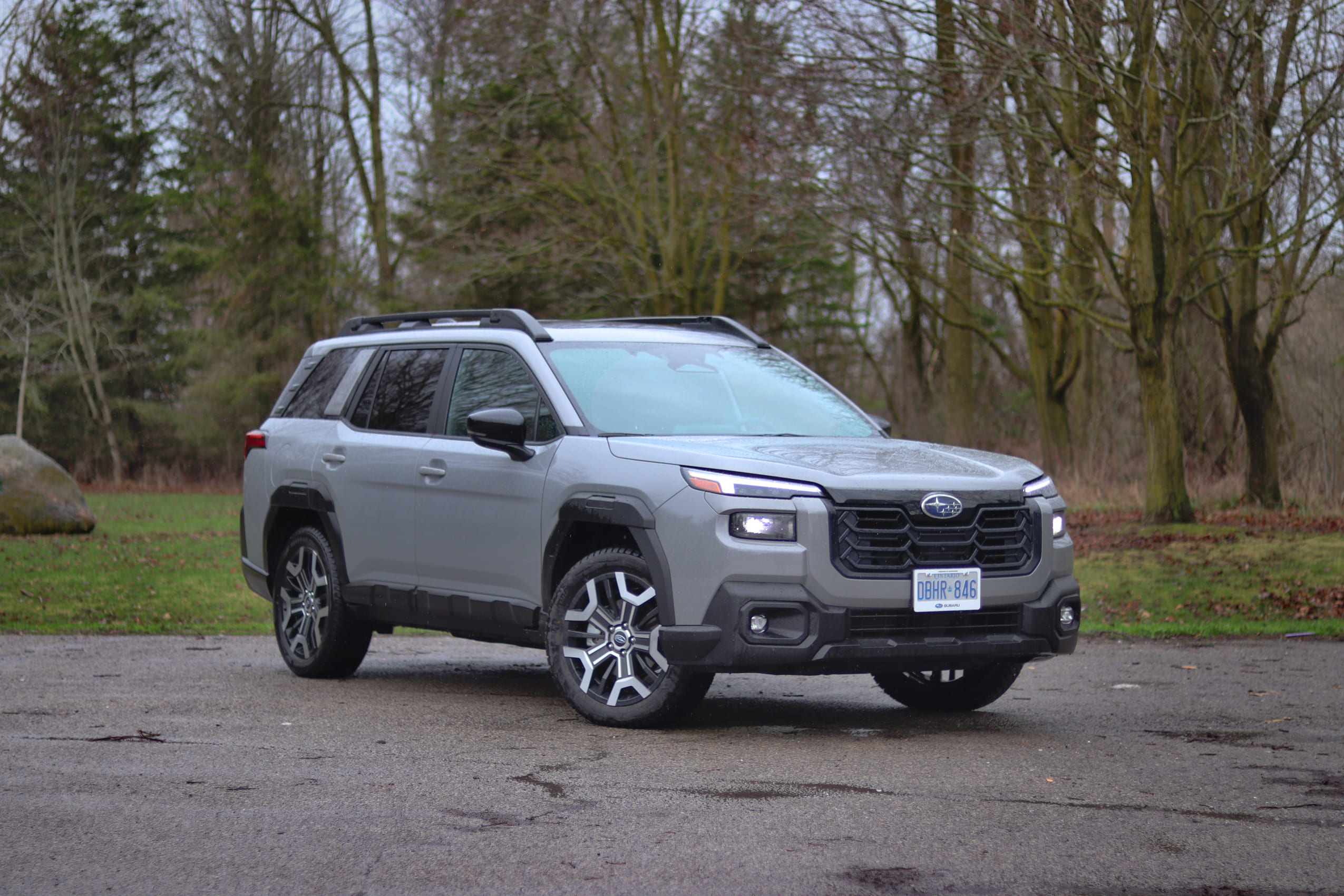
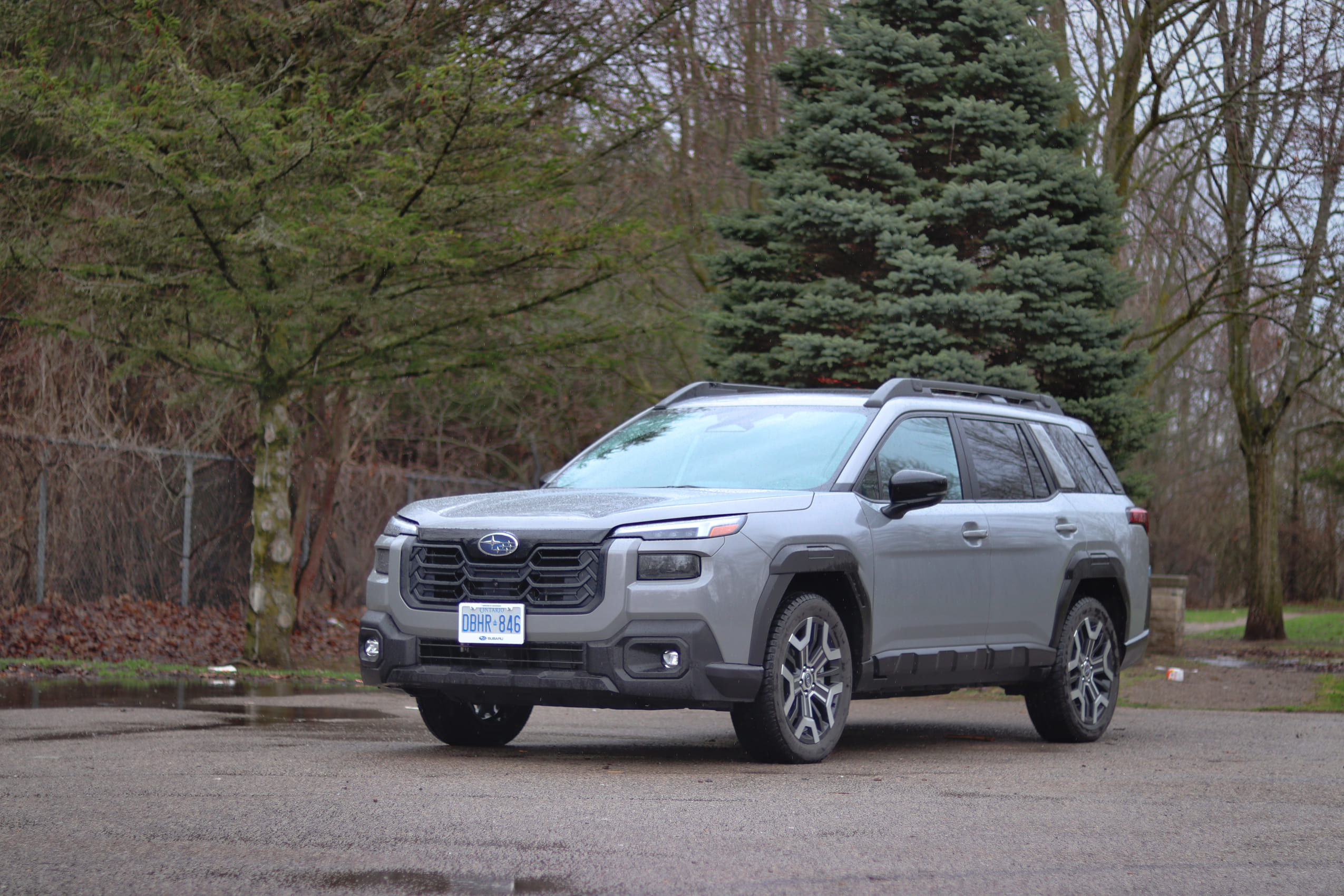
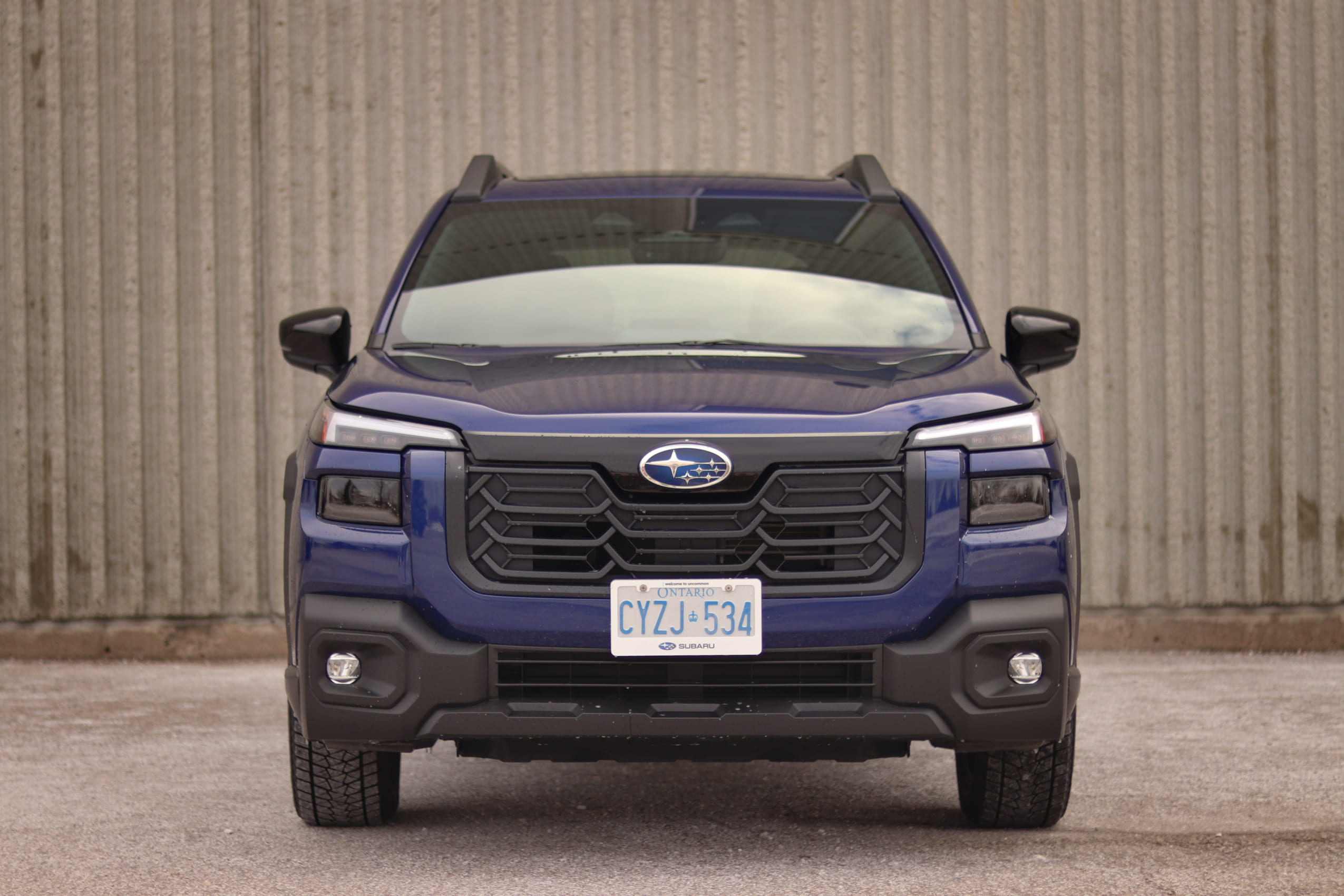
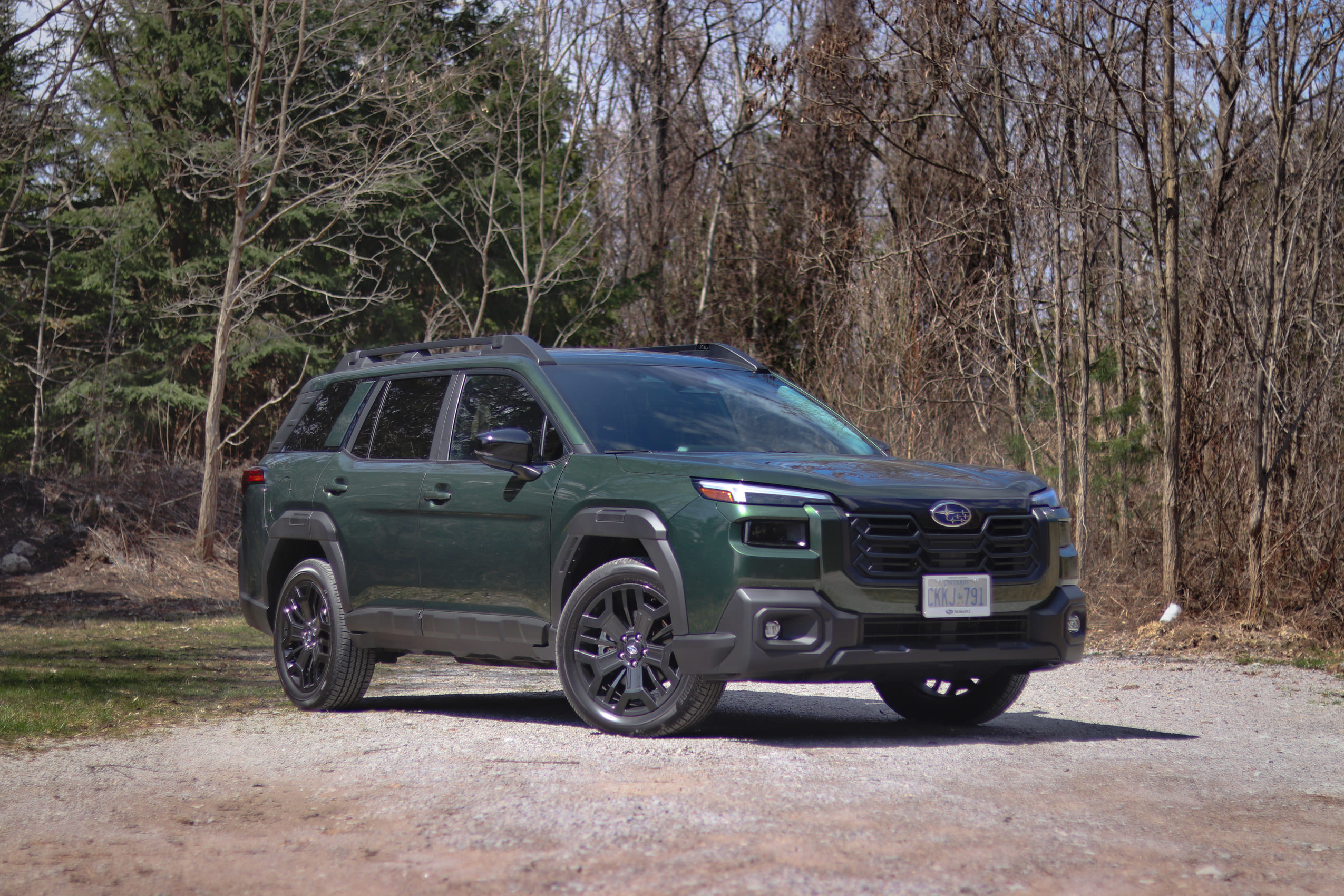
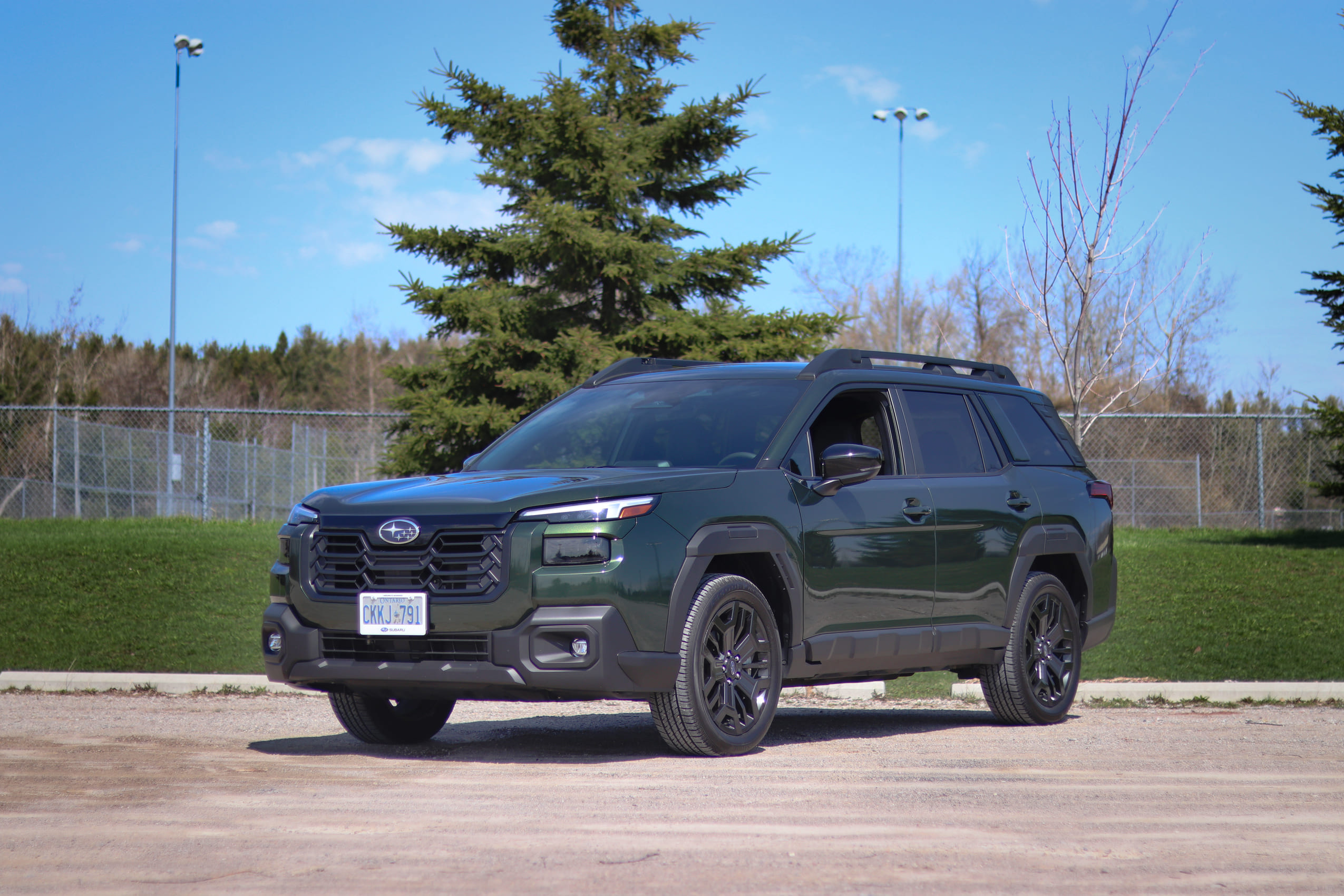
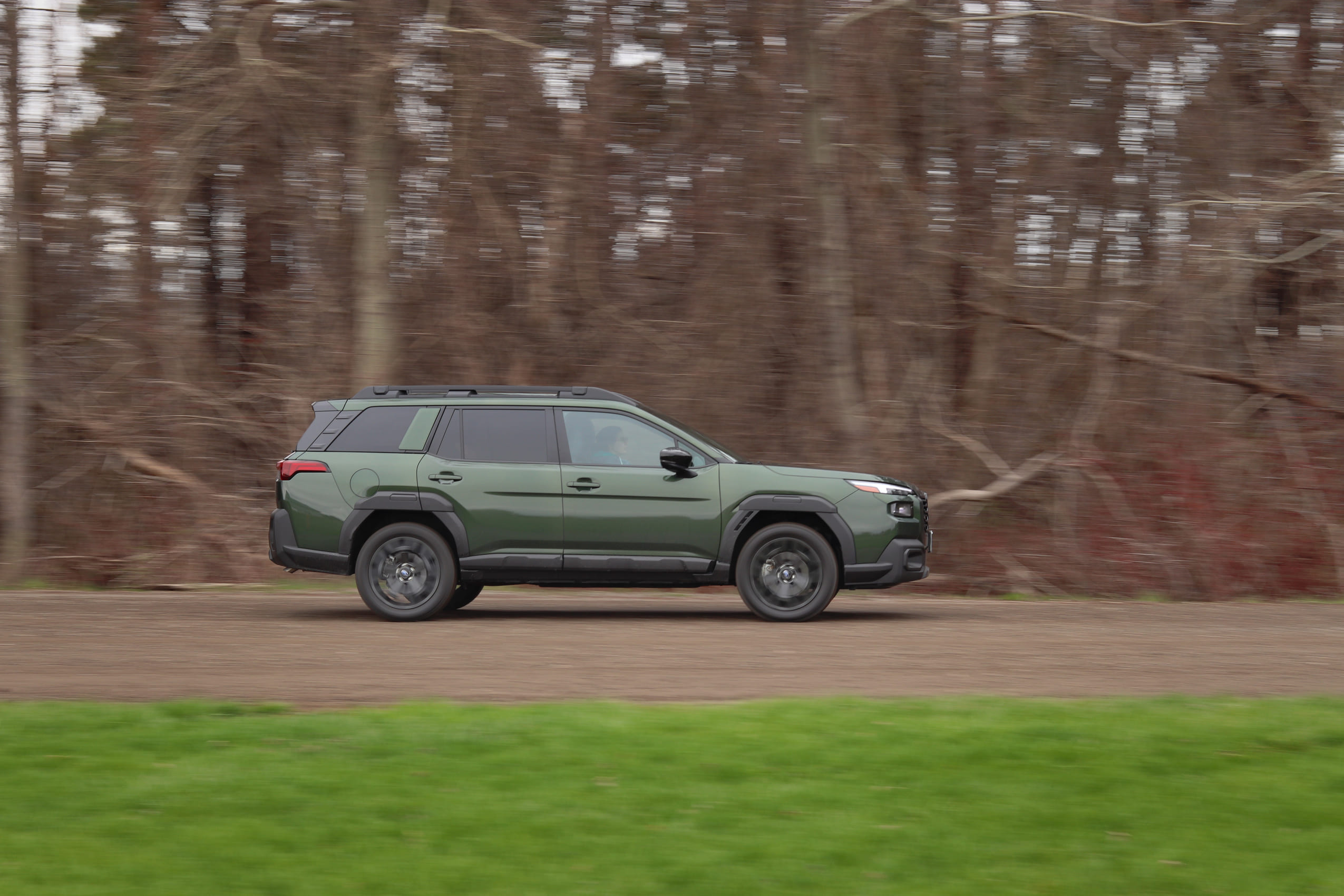
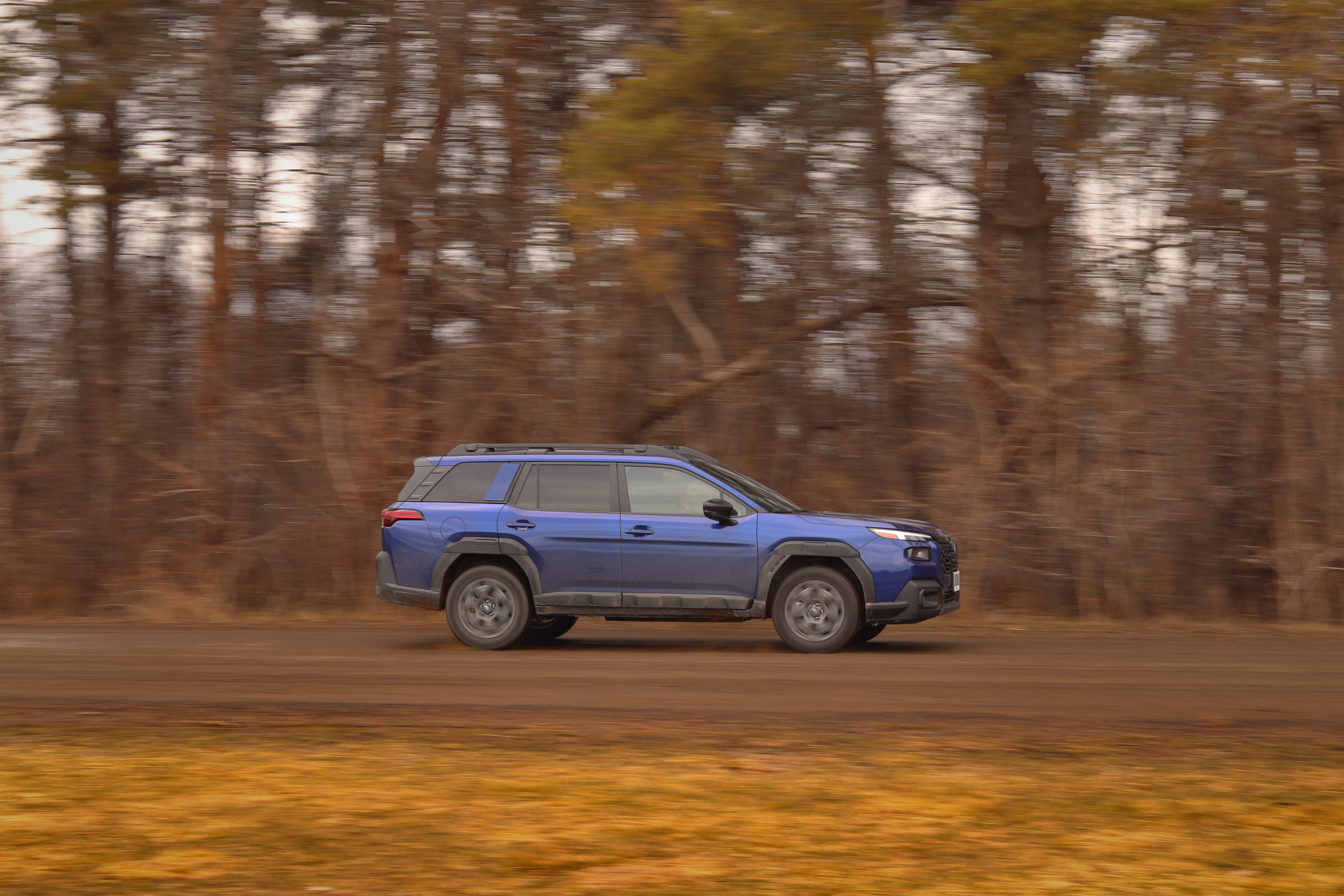
To understand what Subaru has done to the exterior of the 2026 Outback, you have to look at the psychological warfare happening in the corporate boardroom. For years, the Outback was the perfect disguise. It was a station wagon wearing a pair of hiking boots, allowing suburbanites to buy a sensible, low-slung family car without admitting they’d given up on youth. But for 2026, that thin line separating wagon from SUV has been stretched to the absolute breaking point. It’s not quite a Forester—thankfully, it avoids that tall, dorky, greenhouse-on-wheels proportion—but it has aggressively transitioned from a sleek long-roof to an upright, slab-sided crossover.
The roofline has been raised by two inches, flattening out the silhouette and completely erasing the elegant, tapering glass of old. Up front, the nose is flat and blunt, wearing a massive, vertically stacked headlight arrangement that looks like it was inspired by a heavy-duty pickup truck. It is an intentional attempt to make a family car look intimidating at a mall parking exit, but the result is a vehicle that feels visually heavier, chunkier, and undeniably wider.
Then we get to the quirks—and because this is a Subaru, the quirks are an exercise in beautiful, unhinged over-engineering. Let’s start with the plastic body cladding. Subaru has gone completely feral with it. The unpainted black plastic around the wheel arches doesn’t just frame the wheels; it is an unnecessarily complex, jagged jigsaw puzzle of scratch-resistant material that climbs halfway up the bodywork. If you opt for the Wilderness trim, it looks less like an automobile and more like an armored personnel carrier designed by an outdoor-apparel company.
But beneath that overwrought styling is the kind of practical genius that makes you forgive the design department. Consider the roof rails. Subaru finally ditched the swing-out crossbars for high-strength static rails, boasting a staggering 363 kg (800 lbs) static load capacity. Why? Because the modern camper doesn’t sleep on the ground like a peasant; they buy a rooftop tent. Subaru engineered these rails with a specific lateral load rating so you can literally hang a hammock or a clothesline between the roof racks at your campsite.
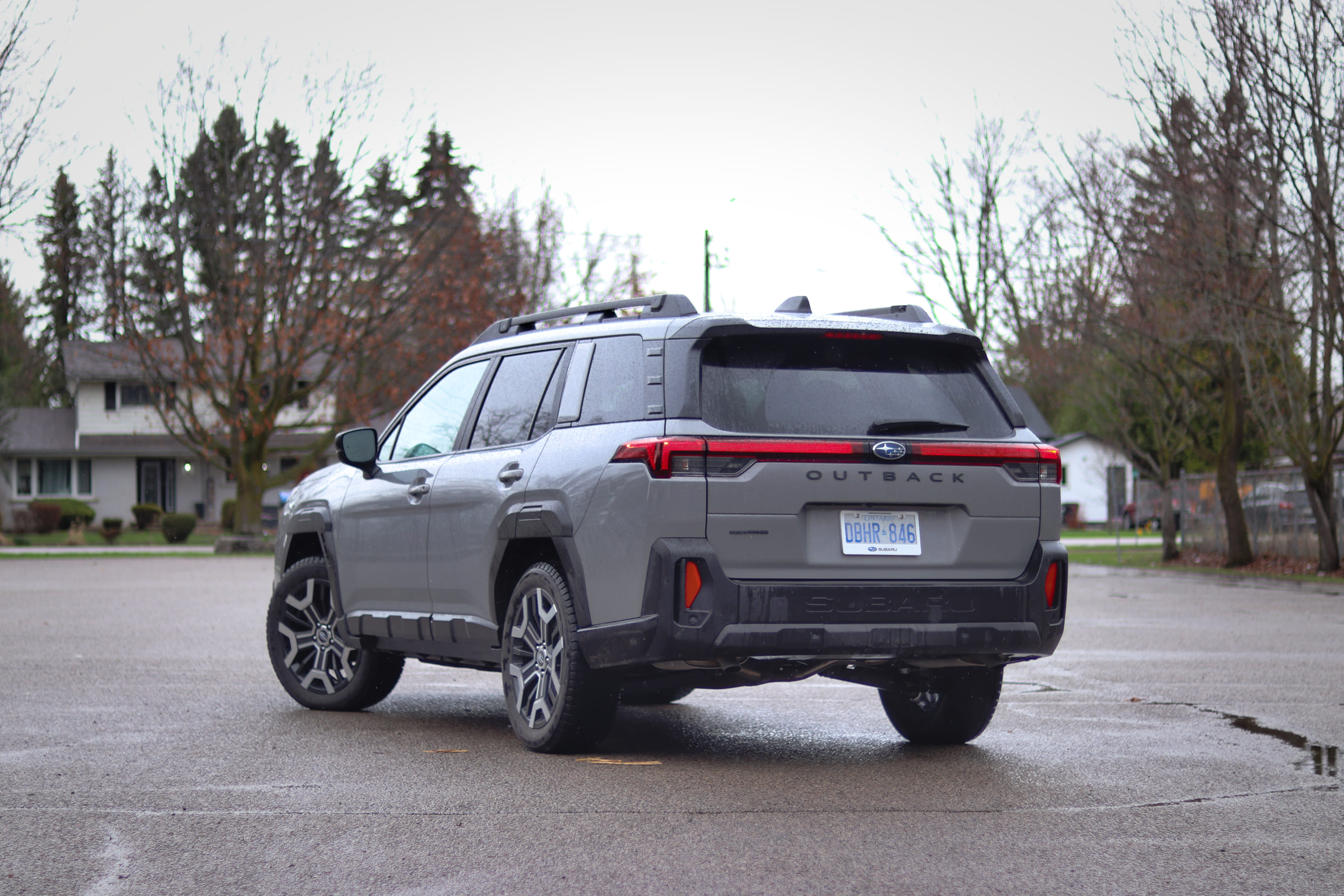
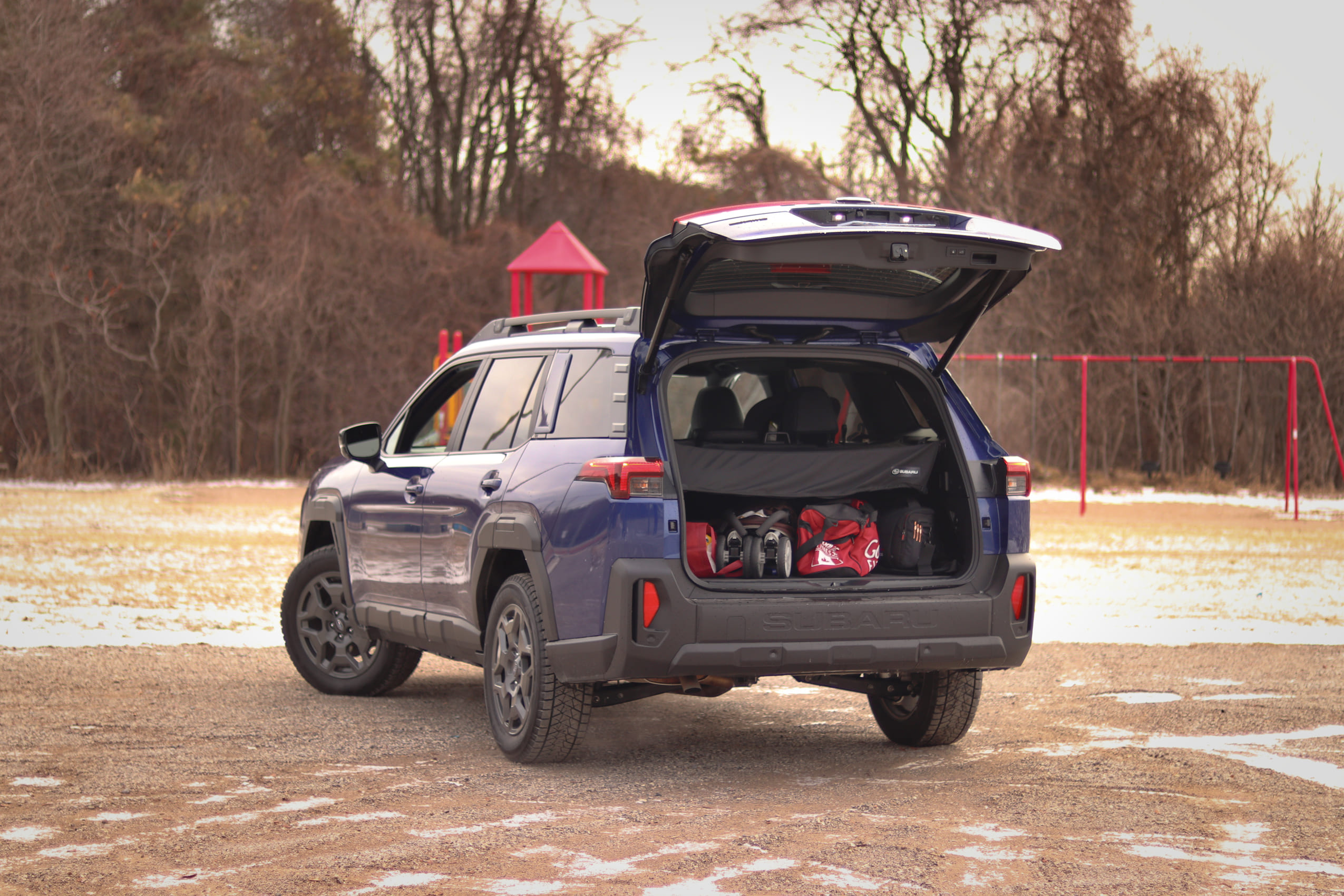
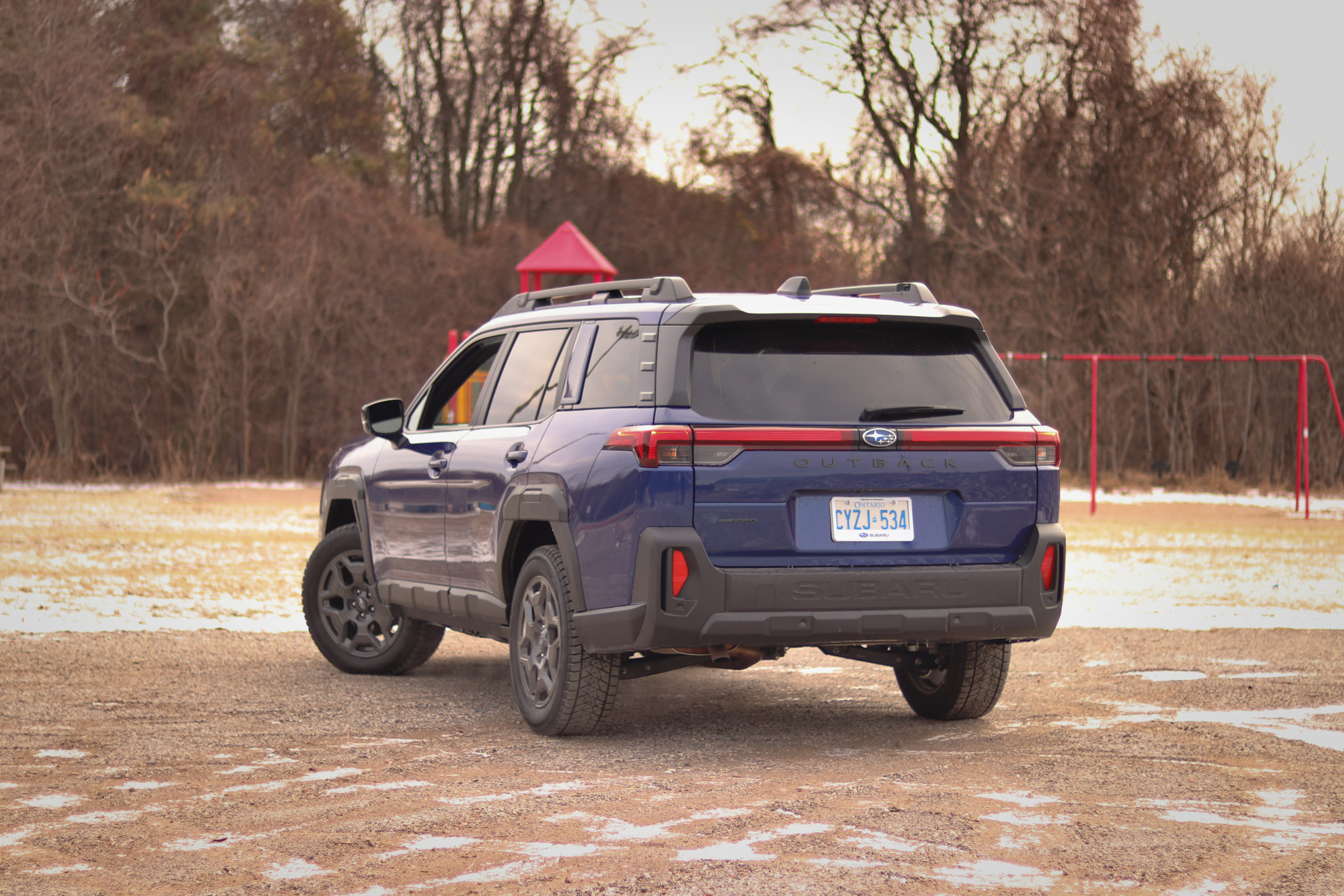
Move to the back, and the rear hatch glass has been slapped with a much steeper rake, which compromises the classic wagon vibe but miraculously yields two extra cubic feet of cargo room. And down on the rear bumper, you’ll find a giant piece of embossed plastic trim that looks like a stylistic choice but actually pops right off to reveal the trailer hitch receiver. It is a car that screams “I climb mountains” on the outside, even if its primary duty is navigating the treacherous terrain of a preschool drop-off lane.
Step inside the 2026 Outback, and you are immediately treated to the greatest automotive miracle of the decade: a corporate admission of guilt. For years, Subaru subjected us to that abysmal, portrait-oriented 11.6-inch touchscreen that felt like a cheap iPad running on a dial-up connection, where adjusting your heated seats required a three-tier menu deep-dive and the processing speed of a 1990s graphing calculator.
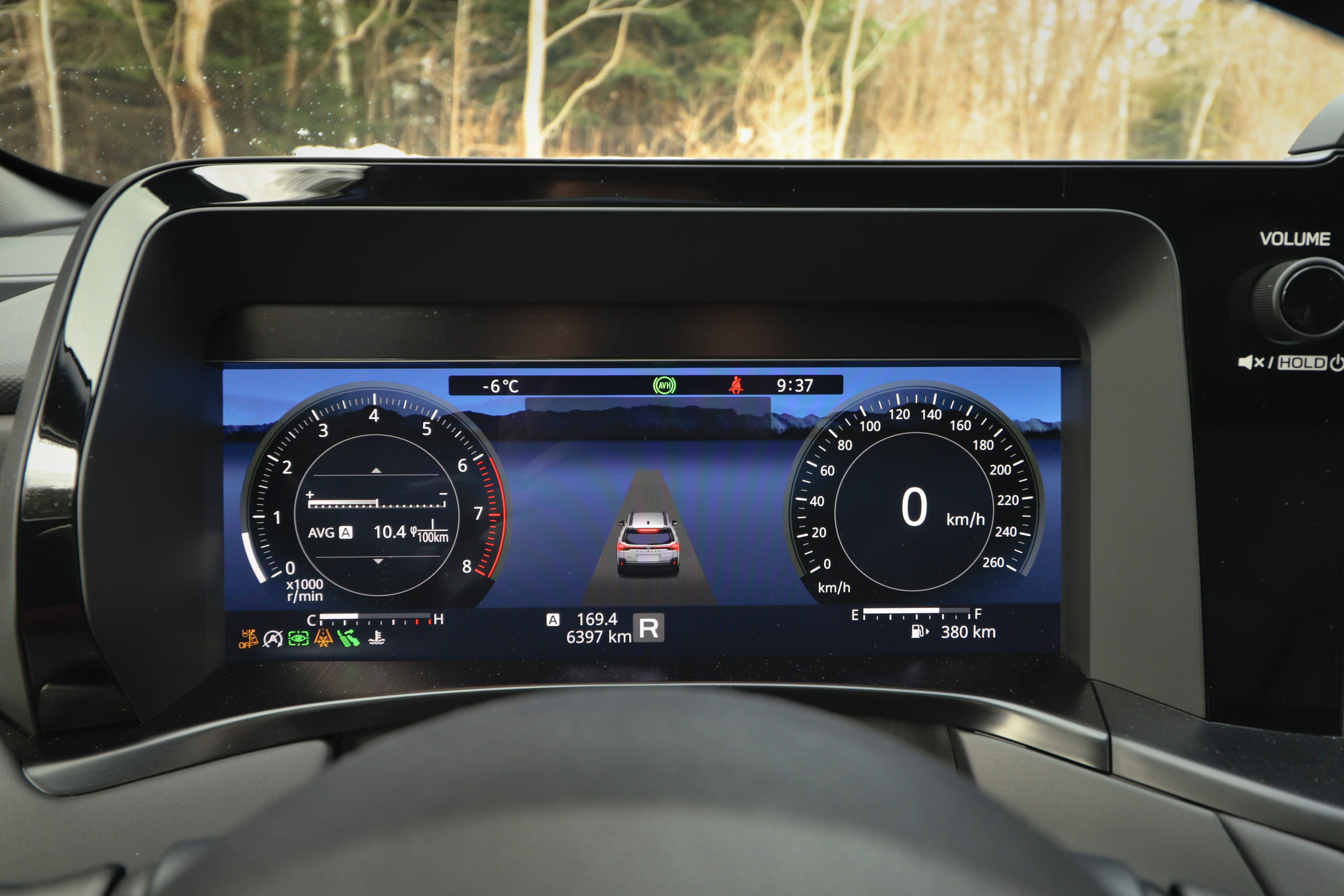
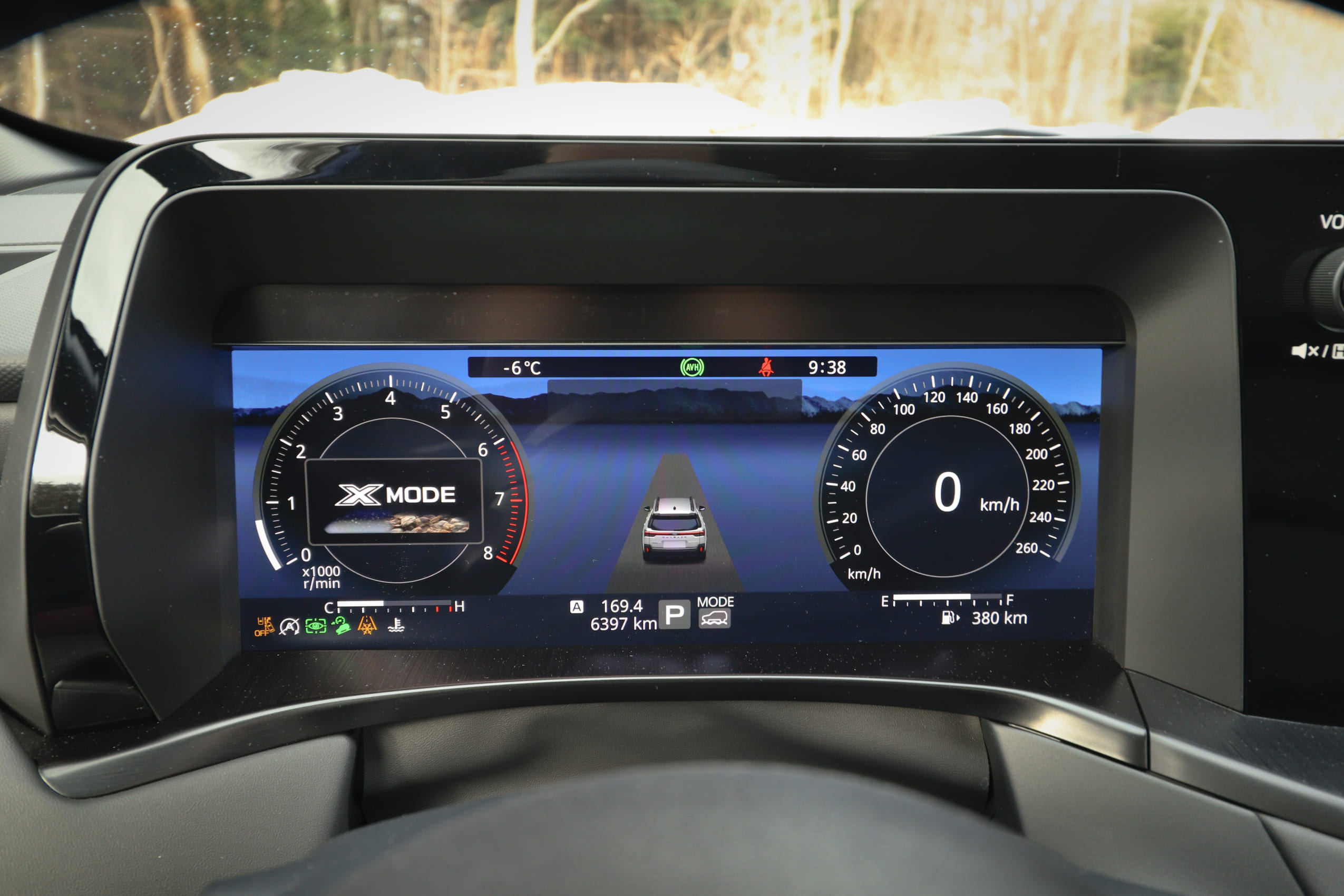
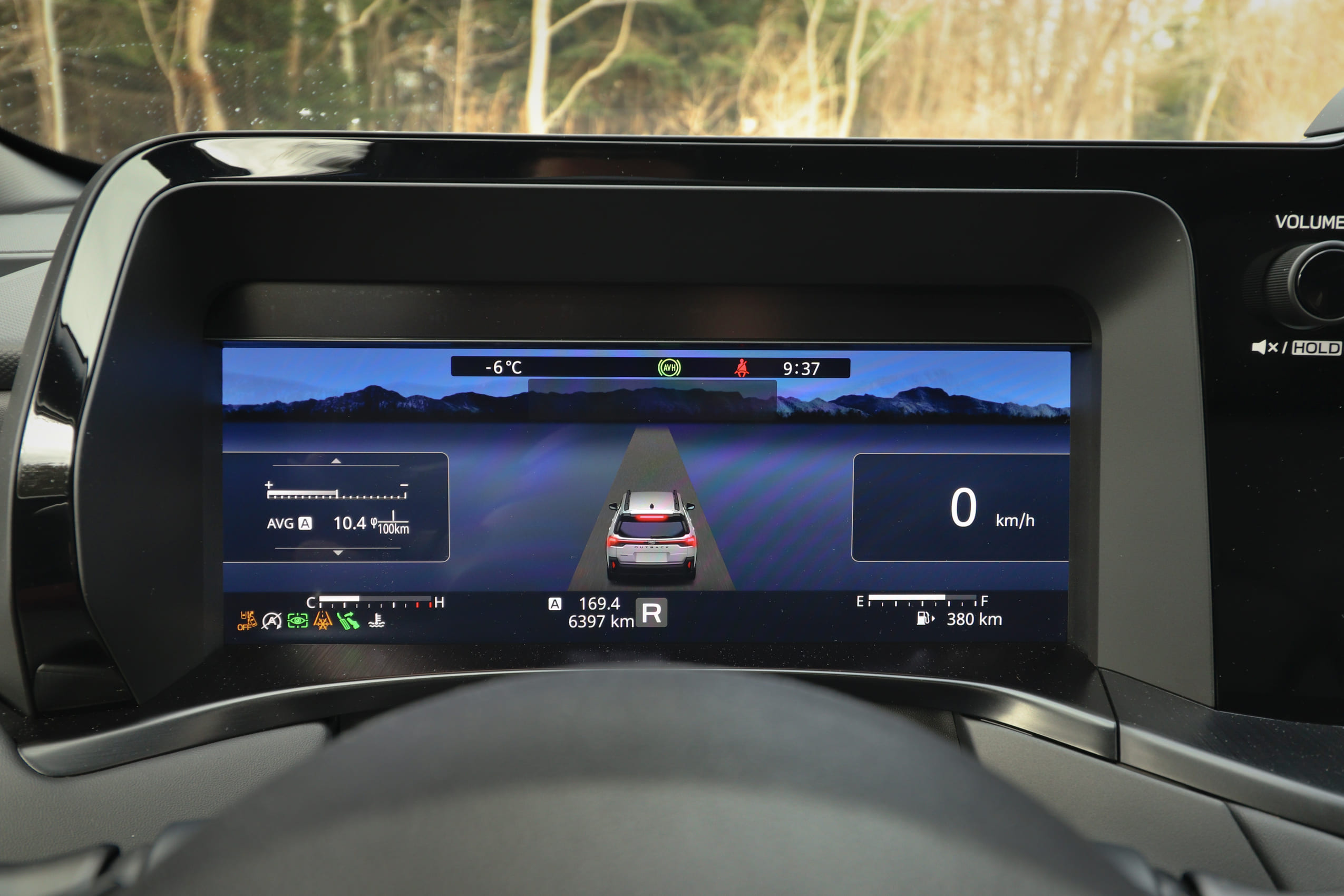
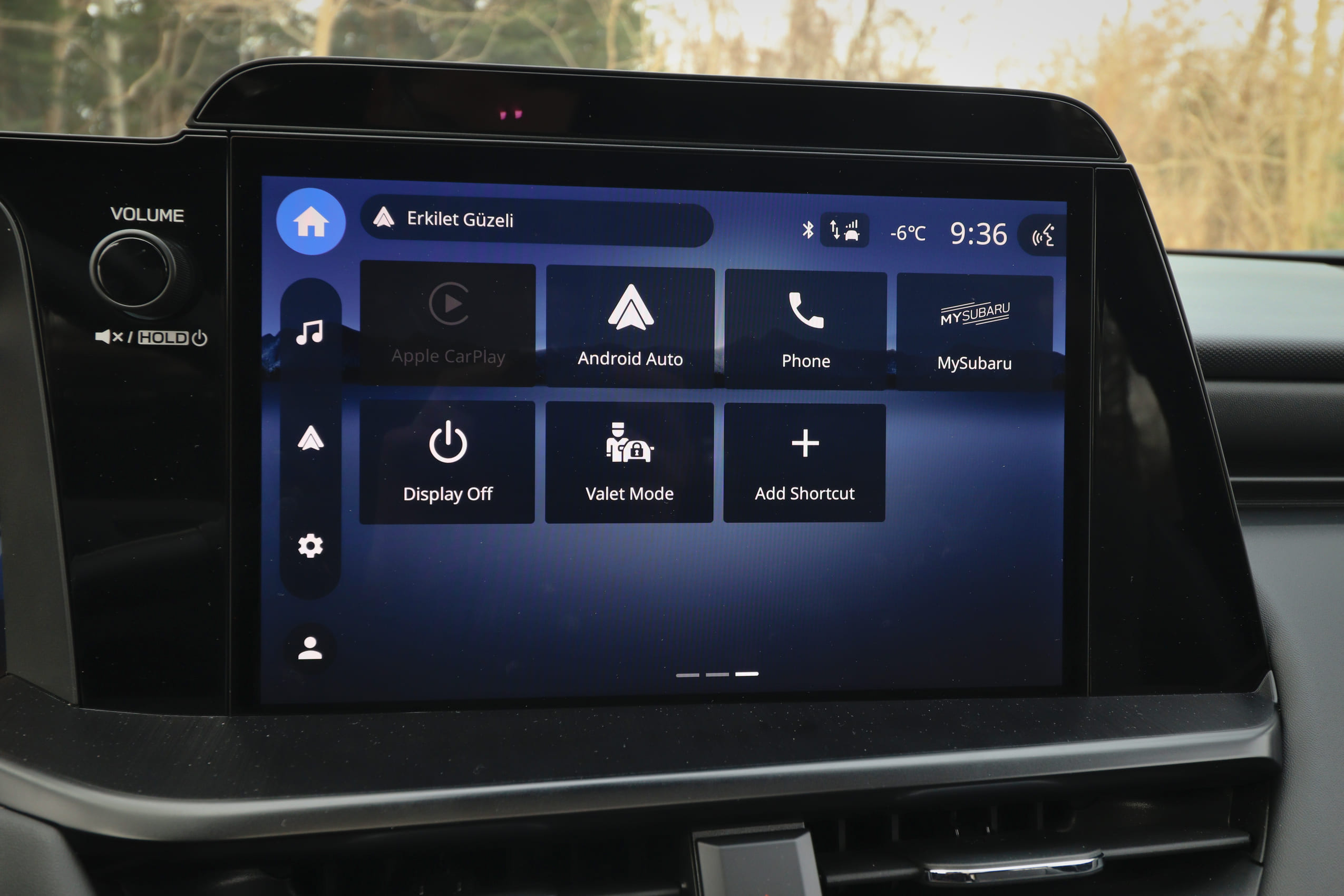
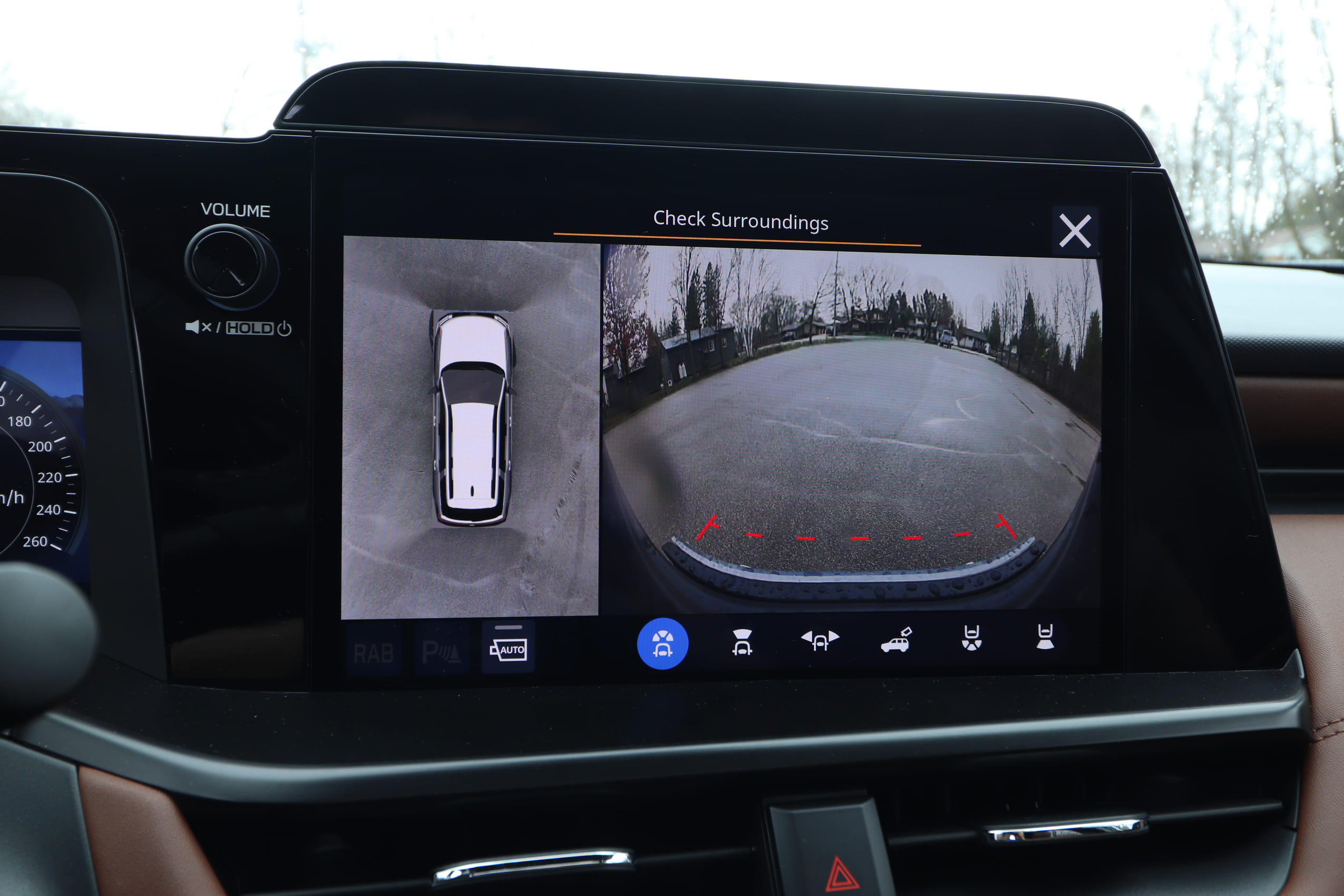
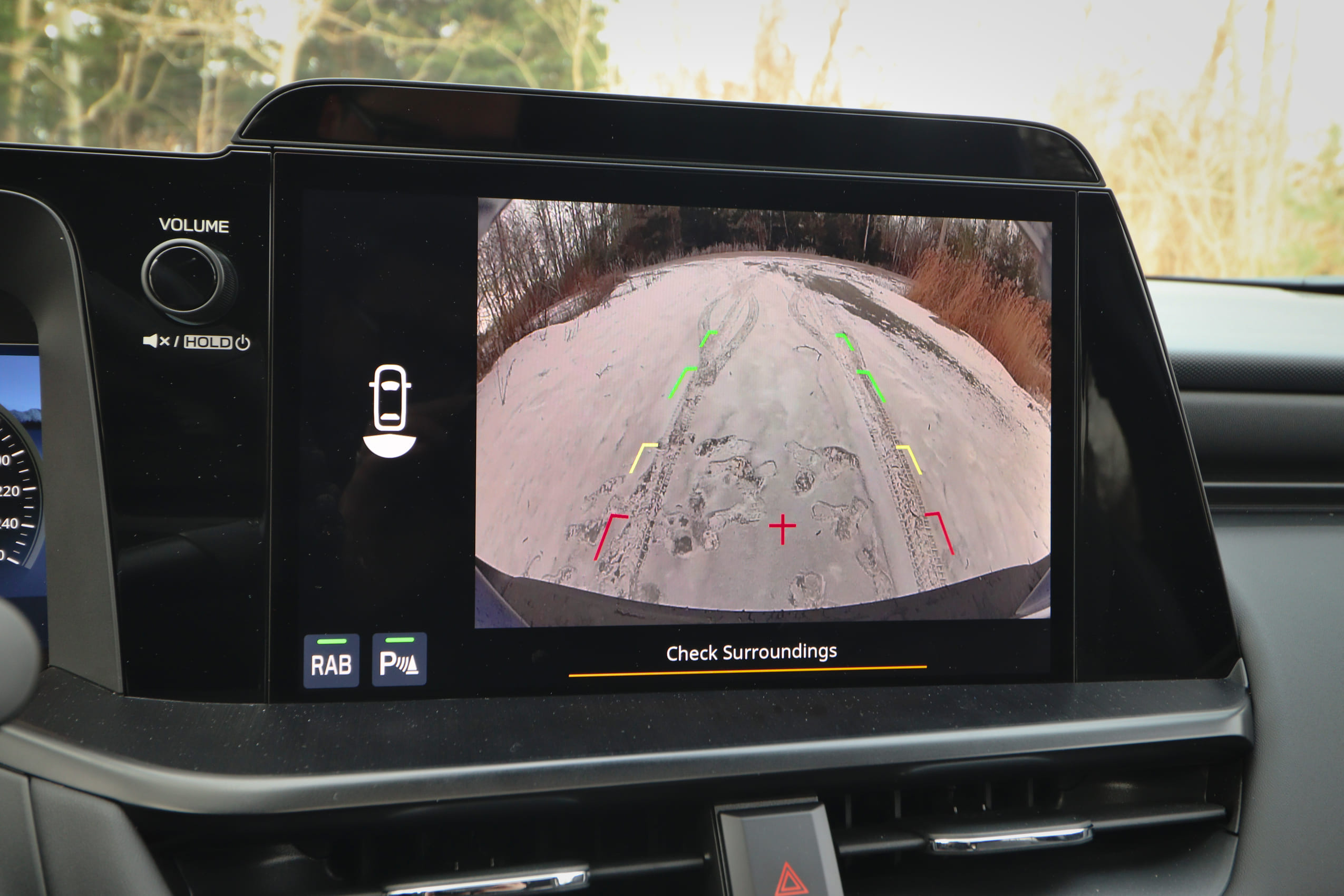
Well, rejoice, because the interior design team finally staged a bloodless coup. Underneath the 2026 Outback’s rugged new skin lies a major electronic overhaul powered by an octa-core processor that is light-years ahead of its sluggish predecessor. The centerpiece is a 12.1-inch high-resolution widescreen that features a clever anti-glare coating to eliminate midday washouts, paired with an upgraded wireless charging pad that seamlessly launches wireless Apple CarPlay and Android Auto the second you step inside. Behind the steering wheel, the analog gauges have been replaced by a customizable 12.3-inch digital cluster capable of projecting everything from full-screen navigation maps to the status of the vehicle’s off-road systems.
This massive jump in computing power also transforms Subaru’s EyeSight safety suite into a genuine tech powerhouse, introducing a new Highway Hands-Free Assist system. On mapped freeways, the Outback can now steer, brake, and accelerate completely hands-free up to highway speeds, utilizing an infrared camera to ensure the driver is still paying attention. It will even automatically reduce speed for sharp highway curves and execute lane changes at the tap of a turn signal—bringing a vehicle once defined by mechanical simplicity firmly into the modern digital age.
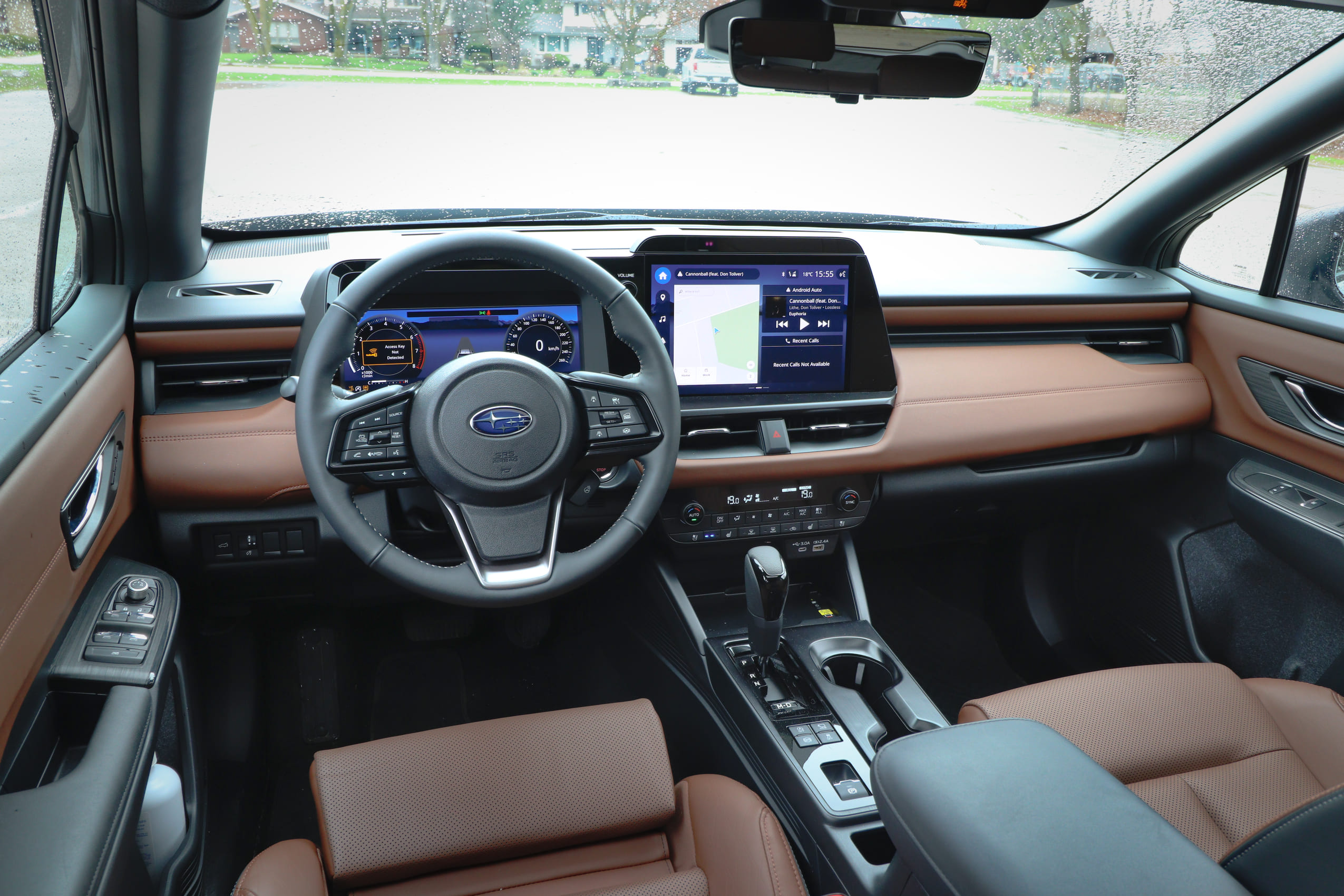
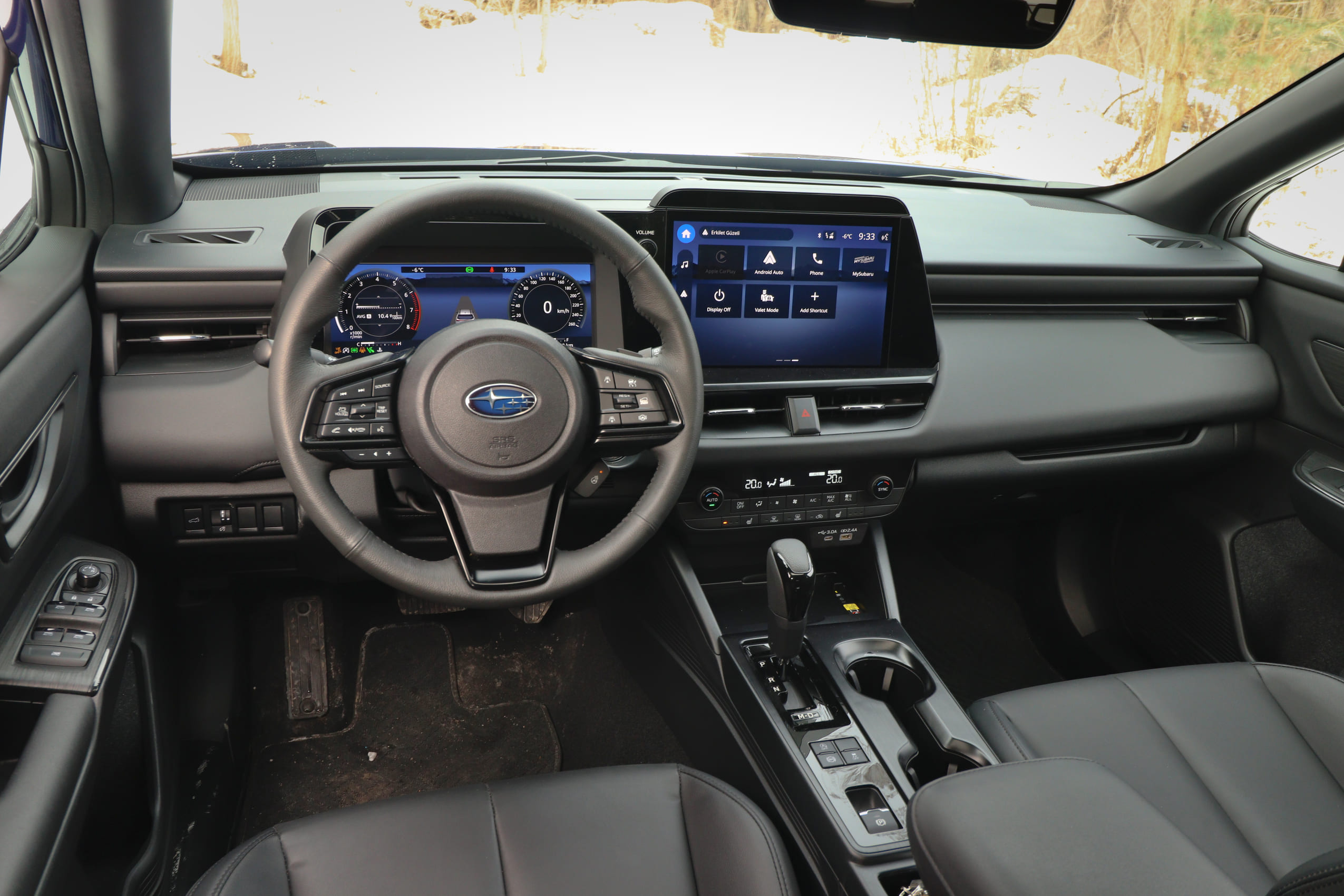
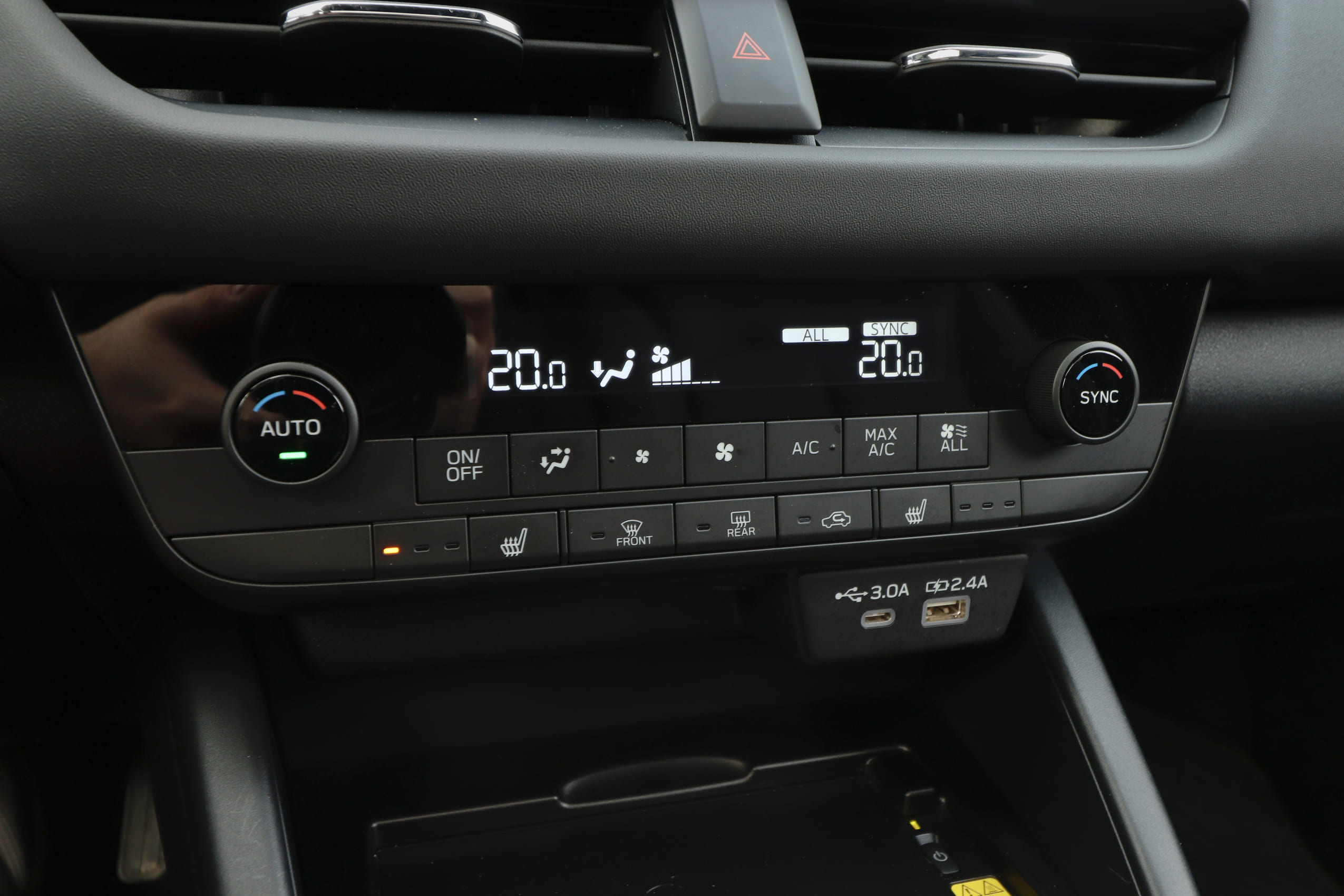
Surrounding that screen is a glorious resurrection of physical buttons and dials. You get a massive, knurled volume knob that actually feels like it belongs in a premium vehicle, a matching tuning knob, and dedicated physical switches for temperature, fan speed, and the defrosters. Even the heated and ventilated seat controls have escaped the digital purgatory and are now permanently mapped buttons. The system responds instantly, the graphics are crisp, and the entire layout is so blindingly intuitive that you can operate it by muscle memory alone while keeping your eyes on the road. It is a masterclass in ergonomics that makes you wonder why they ever deviated from this formula in the first place.
But the real story inside the 2026 Outback is the unexpected, almost alarming leap in material quality. Subaru has historically specialized in interiors that could be cleaned with a garden hose—functional, durable, and completely devoid of joy. Not anymore. The dashboard is wrapped in a deeply padded synthetic leather with genuine contrast stitching that flows seamlessly into the door cards. The cabin architecture feels vastly more premium, quiet, and solid. The seats have been completely redesigned with a new dual-density foam that offers superb thigh support for long road trips, and if you opt for the higher trims, they are covered in a rich, buttery Nappa leather that feels entirely too nice for a vehicle meant to haul wet dogs.
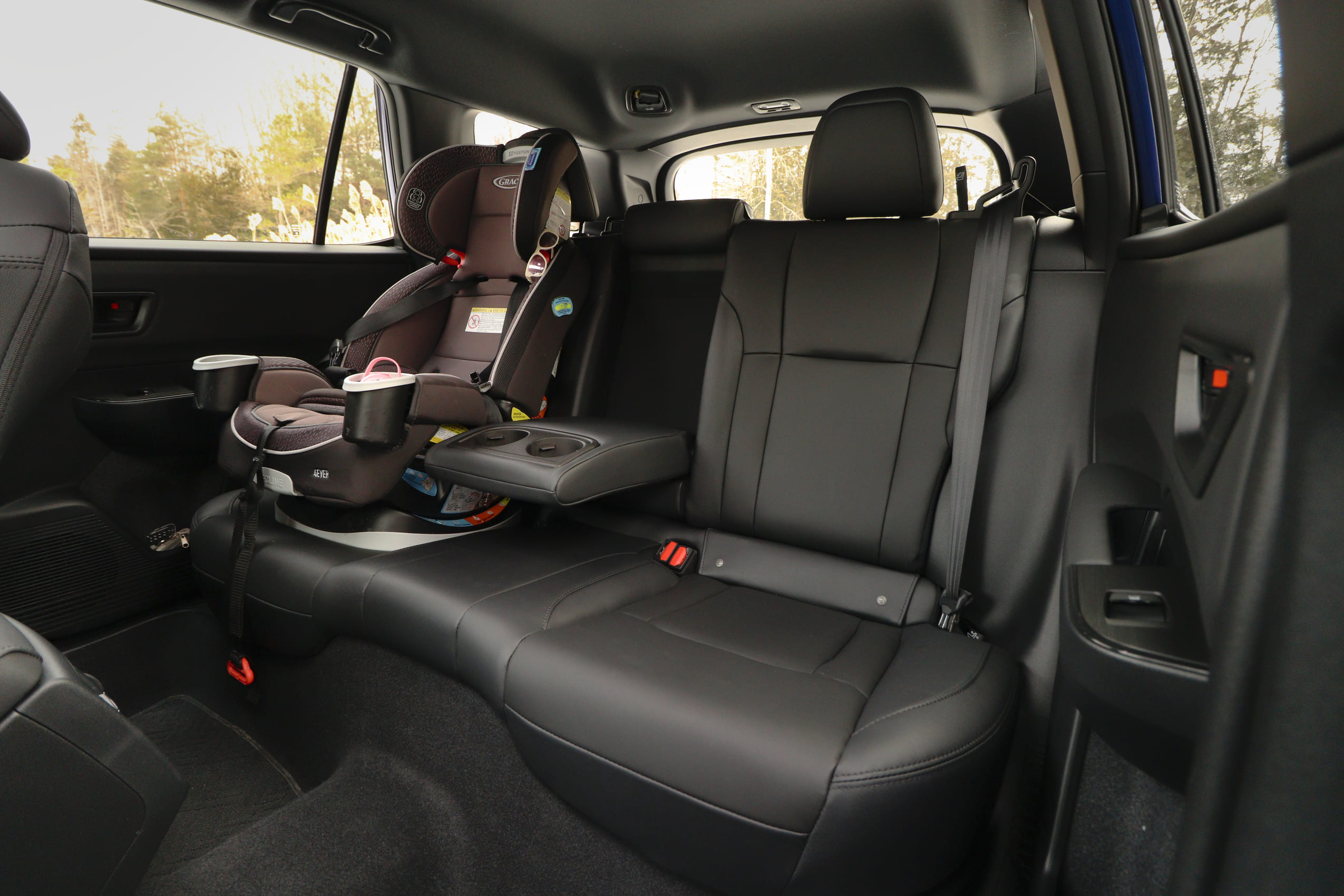
Naturally, there are still some delightfully quirky Subaru touches. Look closely at the center console, and you’ll find a dedicated, rubber-lined slot specifically sized to hold a standard Nalgene water bottle without it tipping over during hard cornering. The door pockets have been widened to fit an entire rolled-up OS map, and the rear seats now feature an upgraded set of dual USB-C ports alongside a pop-out tablet holder integrated into the front headrests—because Subaru knows that while you want to look at nature, your children absolutely do not. It is an interior that manages to be upscale, sophisticated, and incredibly comfortable, all while refusing to compromise the rugged, utilitarian pragmatism that defines the brand.
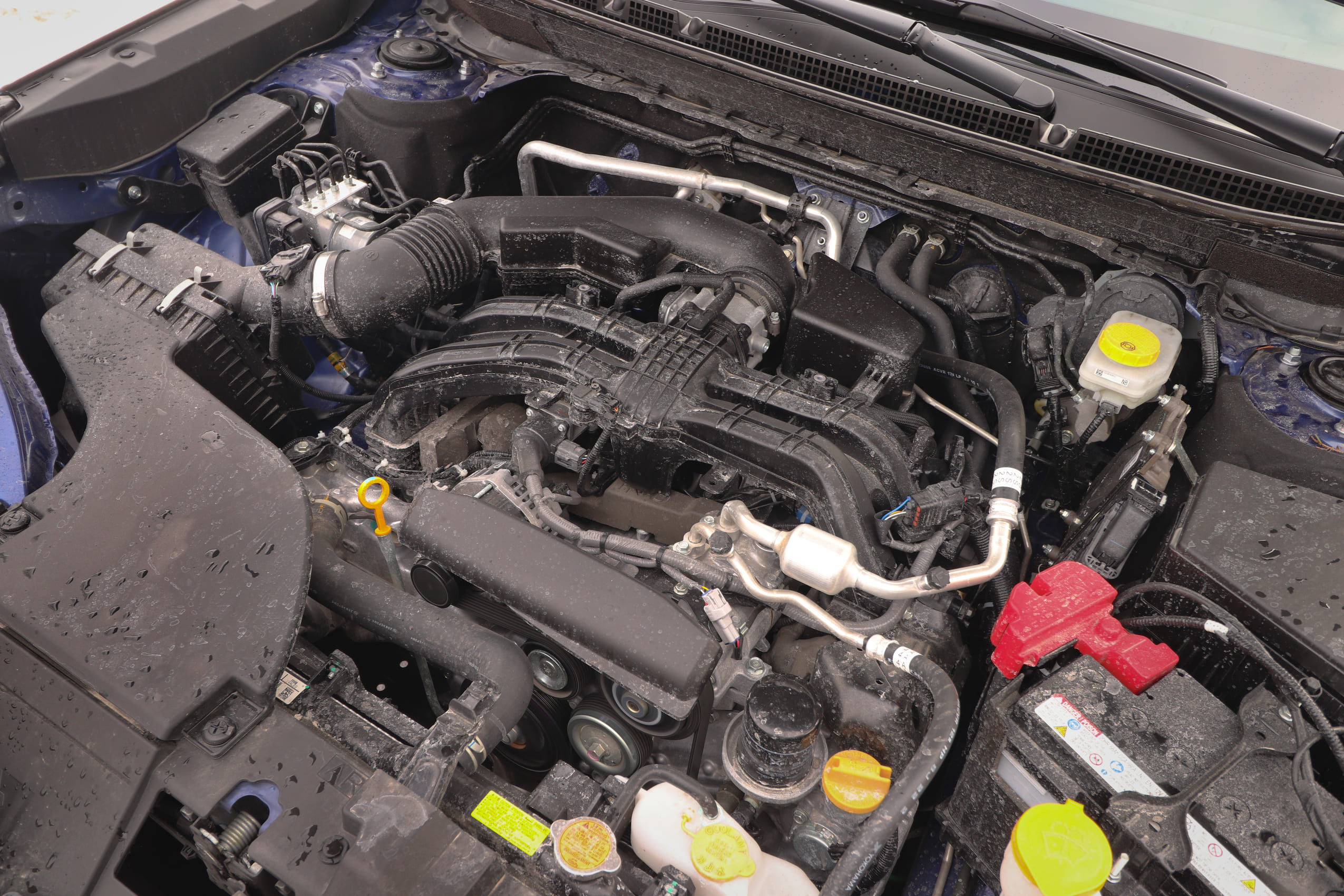
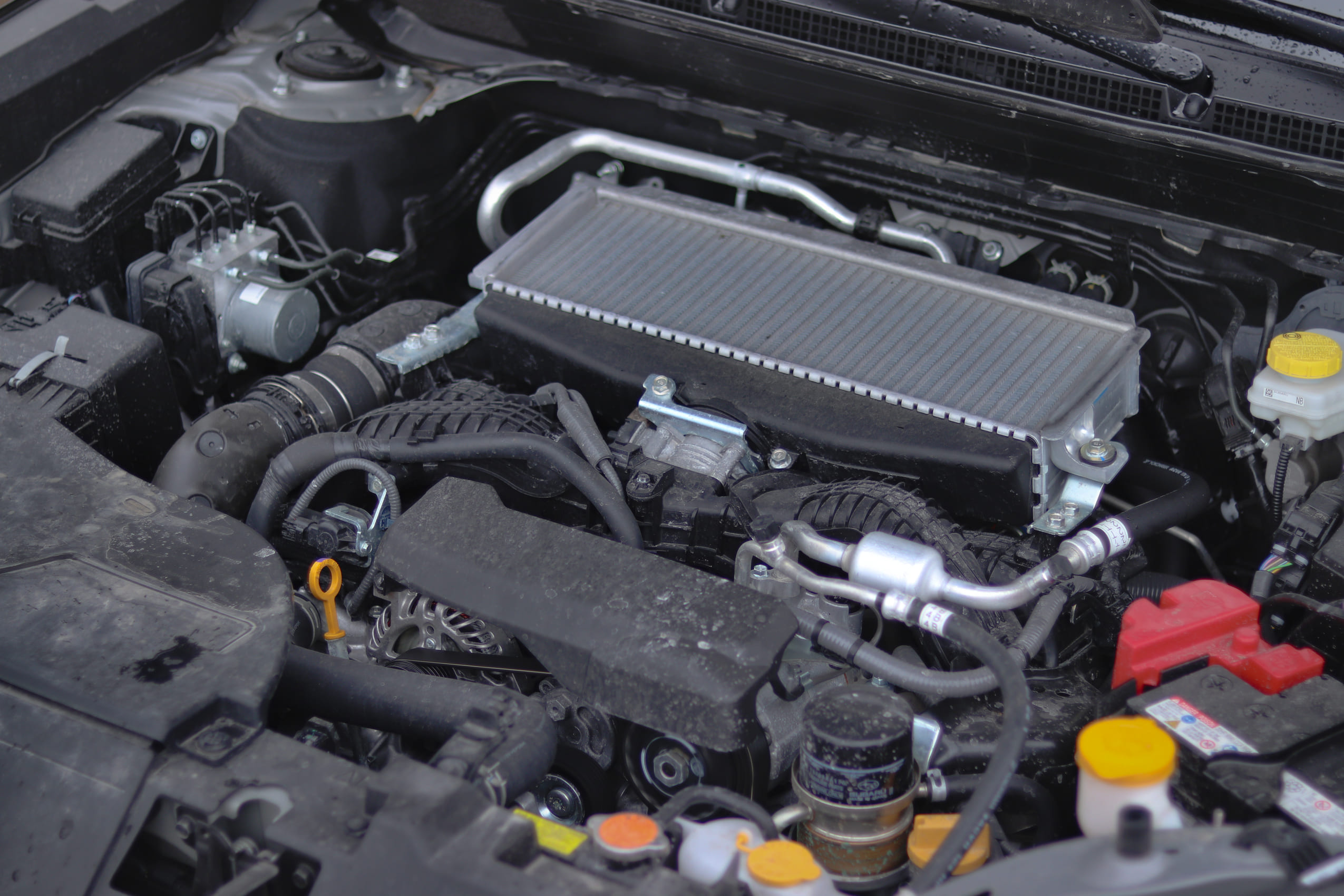
Underneath the 2026 Outback’s freshly chiseled sheet metal lies a mechanical reality that is pure, unadulterated Subaru—for better and for worse. Subaru Canada has streamlined the lineup, completely killing off the base Convenience trim. That means the entry point is now the Touring trim, and it is the sole keeper of the base engine: a naturally aspirated, direct-injected 2.5-litre horizontally opposed four-cylinder boxer. Let’s nerd out on the physics here for a second.
Because the cylinders lie flat, punching horizontally out from a centrally split crankcase, primary and secondary forces naturally cancel each other out without the need for heavy, parasitic balance shafts. It lowers the car’s center of gravity, which sounds great on paper until you look at the output: 180 horsepower and 178 lb-ft of torque. Paired with Subaru’s Lineartronic Continuously Variable Transmission (CVT), it is a drivetrain designed exclusively to convert liquid fuel into noise and theoretical efficiency rather than anything resembling rapid forward progress.
If you have a pulse, you will immediately skip that base trim and step up to the Limited XT, the aggressively rugged Wilderness, or the top-tier Premier XT. These trims drop the 2.5-litre for the vastly superior 2.4-litre turbocharged direct-injection boxer. Thanks to a twin-scroll turbocharger pushing forced induction into those flat-four combustion chambers, output jumps to a much healthier 260 horsepower and a fat, flat torque curve of 277 lb-ft available from a low 2,000 rpm. It transforms the Outback from a highway rolling chicane into a genuinely quick machine.
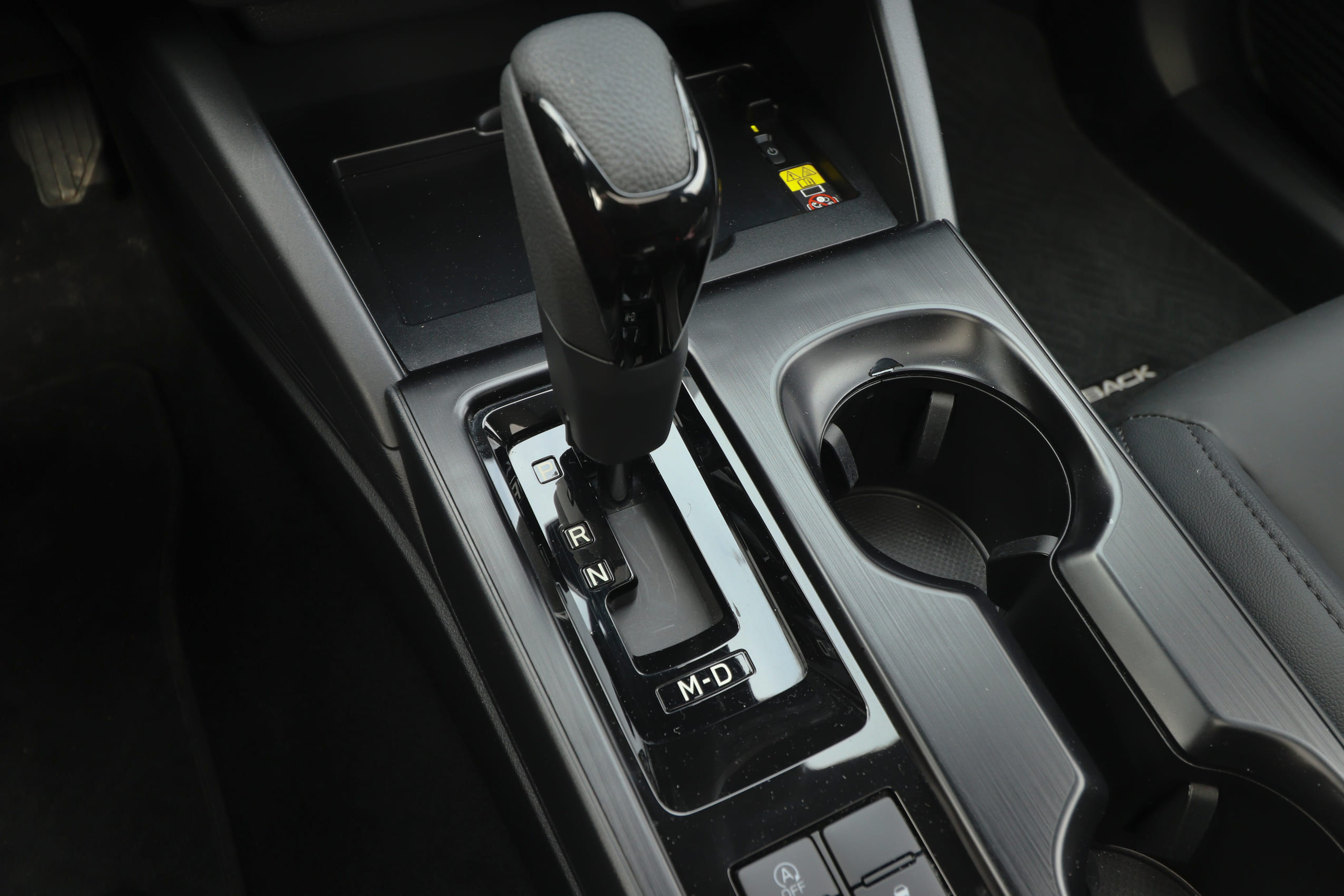
But we need to talk about the elephant in the engine bay: the transmission. Every single 2026 Outback sends power through a Lineartronic CVT. Subaru has attempted to mask the rubber-band, engine-droning sensation inherent to CVTs by programming eight artificial “step” ratios that you can click through via steering-wheel-mounted paddle shifters. Under hard acceleration, it mimics a traditional torque-converter automatic, but make no mistake—the steel chain is still sliding across those hydraulically controlled pulleys.
To cope with the extra grunt, the turbo XT models get a heavy-duty, high-torque version of this CVT equipped with a dedicated oil cooler. If you buy the Wilderness, the transmission gets an entirely unique final drive ratio optimized for low-end crawling. That power is then routed to Subaru’s Symmetrical Full-Time All-Wheel Drive system, which features an updated, electronically controlled multi-plate transfer clutch inside the transmission tail-housing. It constantly varies the front-to-rear torque split based on real-time slip, operating with a ruthless, predictive competence that makes part-time slip-and-grip SUV systems look like toys.
When you actually live with the 2026 Outback as a daily driver, you realize that Subaru has built a sensory deprivation chamber for the middle class—and I mean that as a genuine compliment. If you make the correct life choice and opt for the top-tier Premier XT trim, the daily commute ceases to be a chore and becomes an exercise in serene comfort.
The star of the show here is the newly designed front seat architecture. Subaru added an adjustable thigh-support cushion that finally accommodates human anatomy properly, distributing your weight perfectly so you don’t arrive at your destination with a numb lower back. Combine that with the boxier, more upright silhouette, and the cabin feels remarkably airy. Headroom is absolutely massive, and the flattened-out roofline means that tall adults can sit in the back row without having to slouch like guilty teenagers.
But it’s the way this thing moves down the road that reveals the real genius of the engineering team. Subaru poured an incredible amount of money into structural acoustics for this seventh-generation platform, introducing trick aerodynamic vents at the front wheel wells to relieve high-pressure air and slapping “shark skin” textures on the plastics to quiet down wind rush. The result is a cabin that is beautifully isolated from tire slap and highway drone.
When you boot the throttle, the 2.4-litre turbo engine delivers its 277 lb-ft of torque almost immediately, allowing the Outback to glide into highway traffic seamlessly without any of the high-rpm thrashing that plagues lesser crossovers. The dual-pinion electronic steering rack—cloned right out of the WRX sports sedan—gives the wheel a more natural, direct heft that cuts down on the constant, exhausting micro-corrections you used to have to make at 100 km/h. It doesn’t handle like a sports car—there’s still plenty of body roll if you chuck it into a corner with any real enthusiasm—but as a tool for surviving the daily grind in total, unbothered tranquility, it is spectacular.
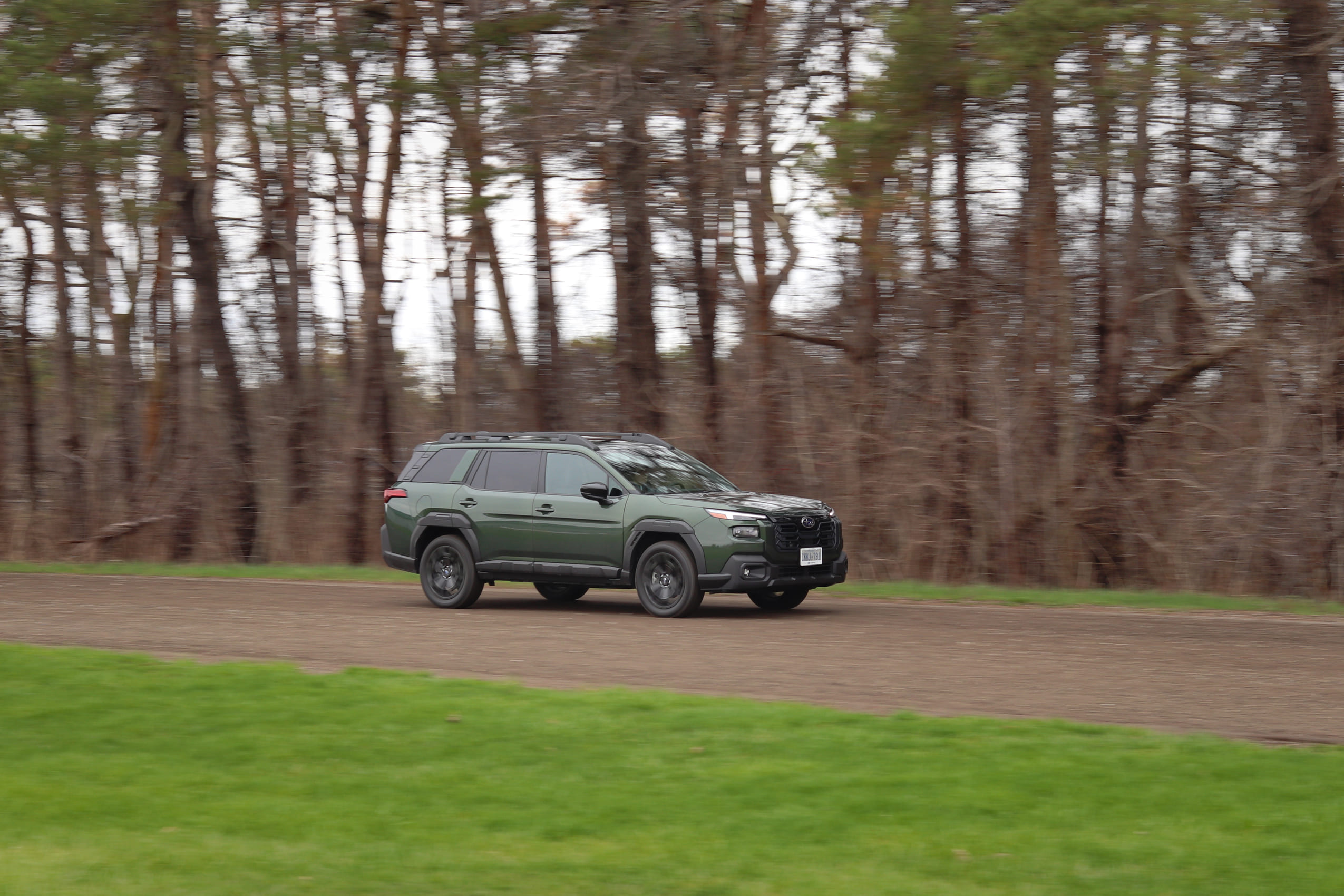
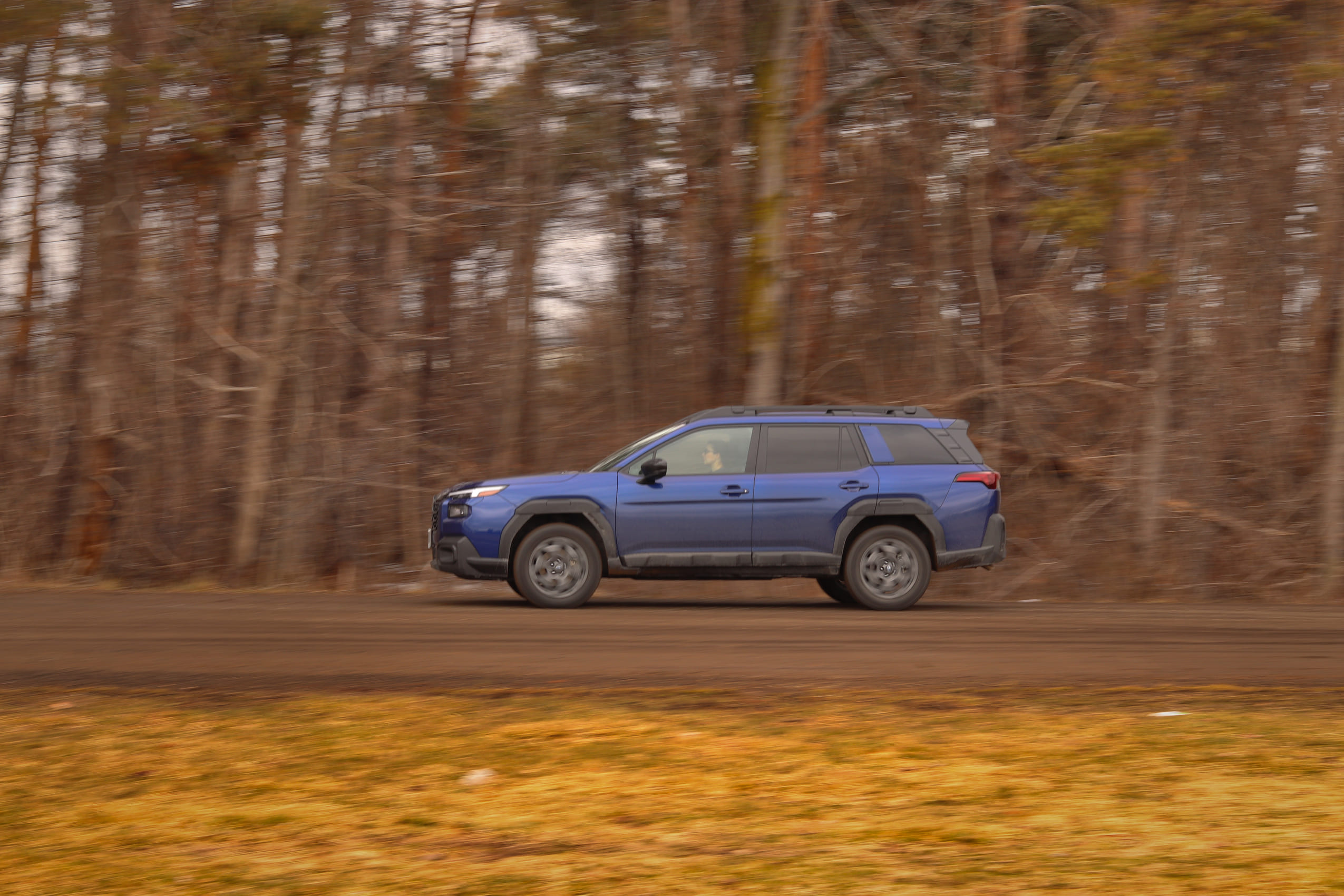
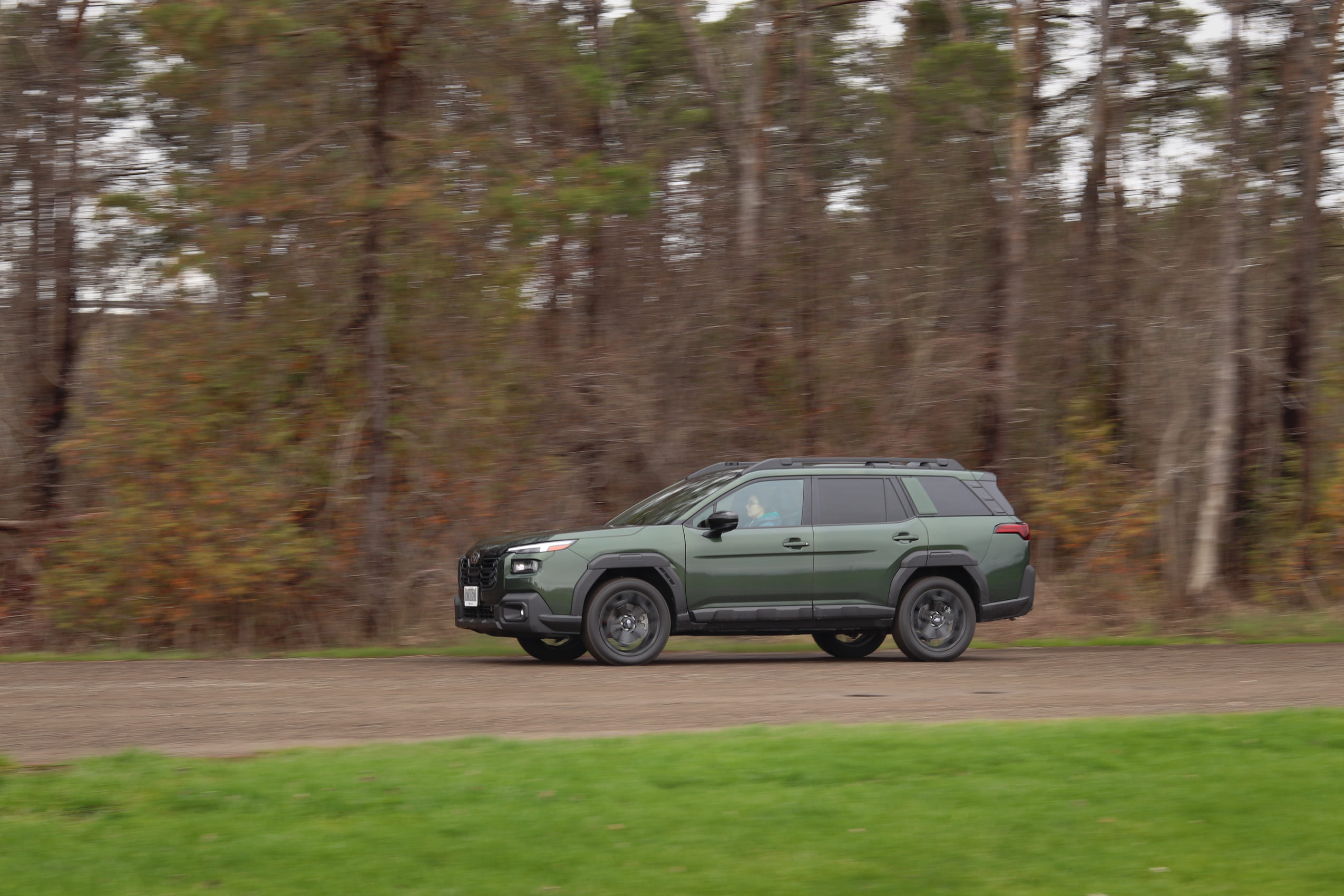
Ultimately, the 2026 Subaru Outback is a masterclass in giving the masses exactly what they want, even if it breaks the hearts of station wagon purists. The boxier, more SUV-like exterior is undeniably controversial, and it leaves the line separating the Outback from the Forester thinner than ever before. But any skepticism evaporates the moment you step into the vastly improved cabin, where massive headroom and a beautifully intuitive widescreen layout return tactile sanity to the driver. By pairing these stellar daily-driver ergonomics with the effortless, seamless power of the turbocharged engine, Subaru has created a vehicle that is fundamentally better suited to the North American market than its taller stablemate—controversial sheet metal be damned.
| Specification | 2.5L Naturally Aspirated | 2.4L Twin-Scroll Turbo |
|---|---|---|
| Engine Architecture | 2.5-litre SUBARU BOXER; horizontally opposed 4-cylinder | 2.4-litre SUBARU BOXER; horizontally opposed 4-cylinder |
| Engine Type | Naturally Aspirated | Turbocharged (Twin-Scroll) with Intercooler |
| Trim Levels | Touring | Limited XT, Wilderness, Premier XT |
| Horsepower | 180 hp @ 5,800 rpm | 260 hp @ 5,600 rpm |
| Torque | 178 lb-ft @ 3,700 rpm | 277 lb-ft @ 2,000 – 4,800 rpm |
| Transmission | Lineartronic CVT with 8-speed manual mode & paddle shifters | High-Torque Lineartronic CVT with dedicated oil cooler & paddle shifters |
| Fuel Economy (as tested) | 10.5L / 100 km | 12.0L / 100 km |
| All-Wheel Drive System | Symmetrical Full-Time AWD (Electronically controlled multi-plate transfer clutch) | Symmetrical Full-Time AWD (Upgraded predictive multi-plate transfer clutch, shortened final ratio for Wilderness trim) |
| Price (Starting at) | $43,732 CAD | $51,032 |
| Website | www.subaru.ca | www.subaru.ca |
The 2026 Subaru Outback: A Station Wagon Having an SUV
For three decades, the Subaru Outback has been the ultimate automotive cheat code for people who secretly wanted a station…

The Budget ADV Masterclass: Why the CFMOTO Ibex 450 Shames
Look, we need to talk about the CFMOTO Ibex 450, because the internet is currently having a collective, unhinged meltdown…
2026 Chrysler Pacifica is a 140-Cubic-Foot Middle Finger to the
The 2026 Chrysler Pacifica is the automotive equivalent of a Swiss Army knife that somehow ended up in a tuxedo….
The 2026 Subaru Crosstrek Hybrid: Finally, a Hiking Boot with
Subaru has spent the last decade perfecting the art of the “vibes-based” purchase, selling a lifted Impreza to anyone who…
2026 Mazda 3 Sport: Style Over Sightlines
While the rest of the world has collectively decided that “luxury” is just a screen the size of a billboard…
The Earth-Mover: 2026 Ford F-250 Super Duty Review
In the grand, confusing theater of modern transport, the 2026 Ford F-250 Super Duty Diesel remains the automotive equivalent of…