For Decades, the Land Rover Defender has been a charmingly slow, agricultural box that people bought precisely because it made them look like they were about to cross the Serengeti, even if they were just crossing a suburban cul-de-sac. It’s a 5,500-pound paradox that uses a hydraulic “6D Dynamics” suspension to defy the laws of physics, staying flatter in the corners than a vehicle this tall has any right to be, before immediately transitioning into a Baja-ready beast capable of soaking up desert whoops at triple-digit speeds. With its widened stance, amber marker lights, and a price tag that demands you take it seriously, the OCTA isn’t just a trim level; it’s Land Rover’s high-velocity middle finger to the Mercedes-AMG G63, proving that you can indeed make a brick fly if you throw enough engineering—and a massive amount of boost—at it.
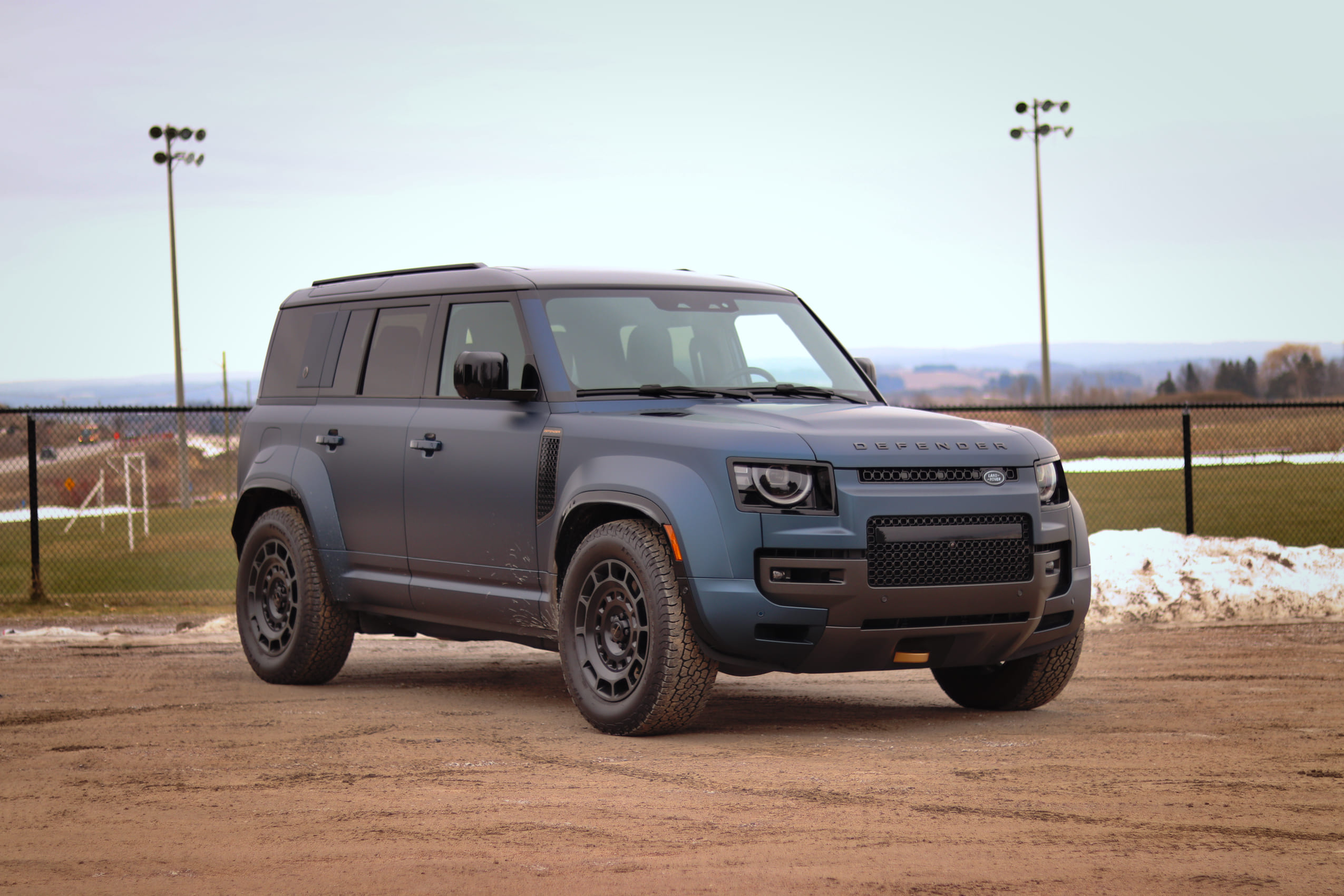
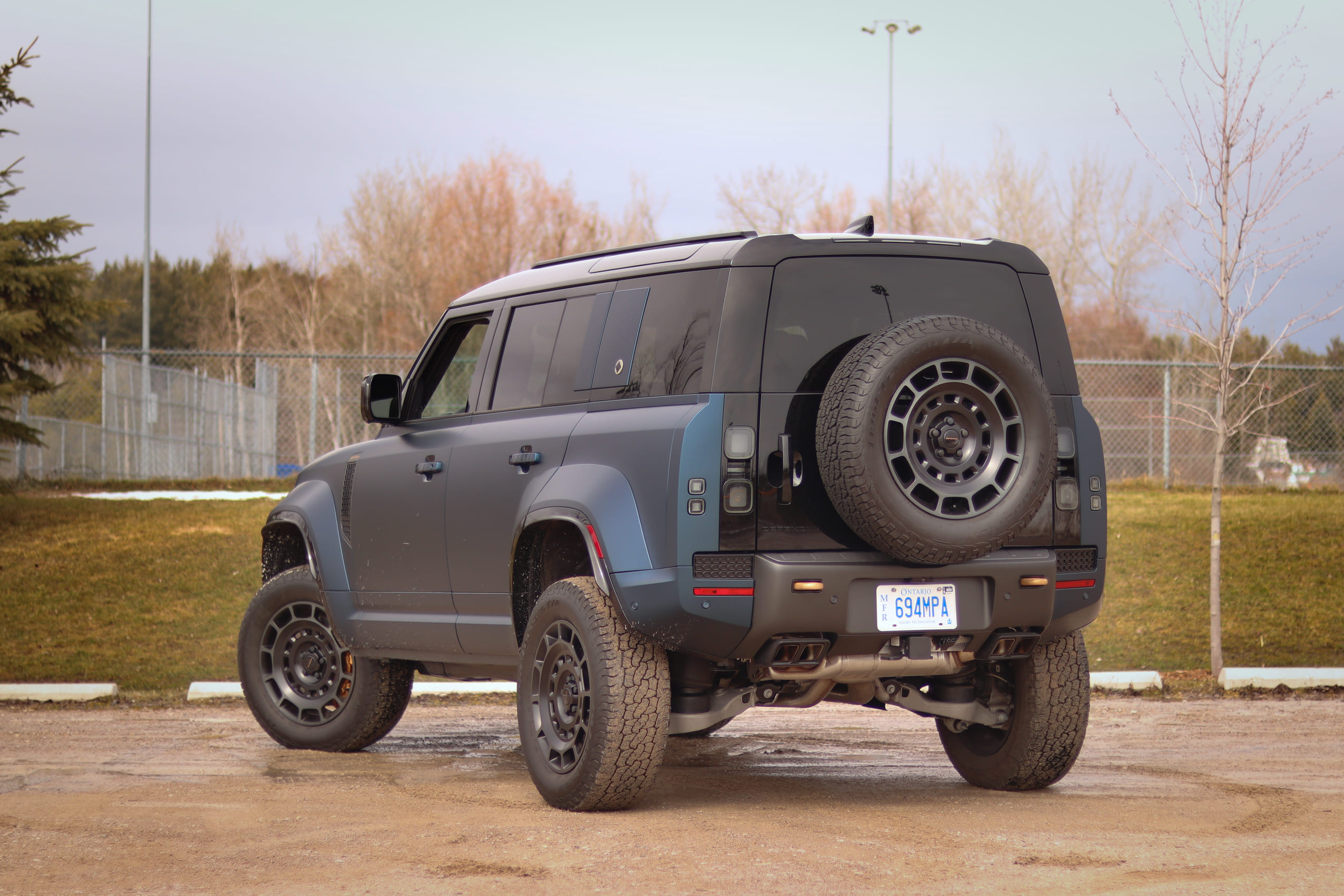
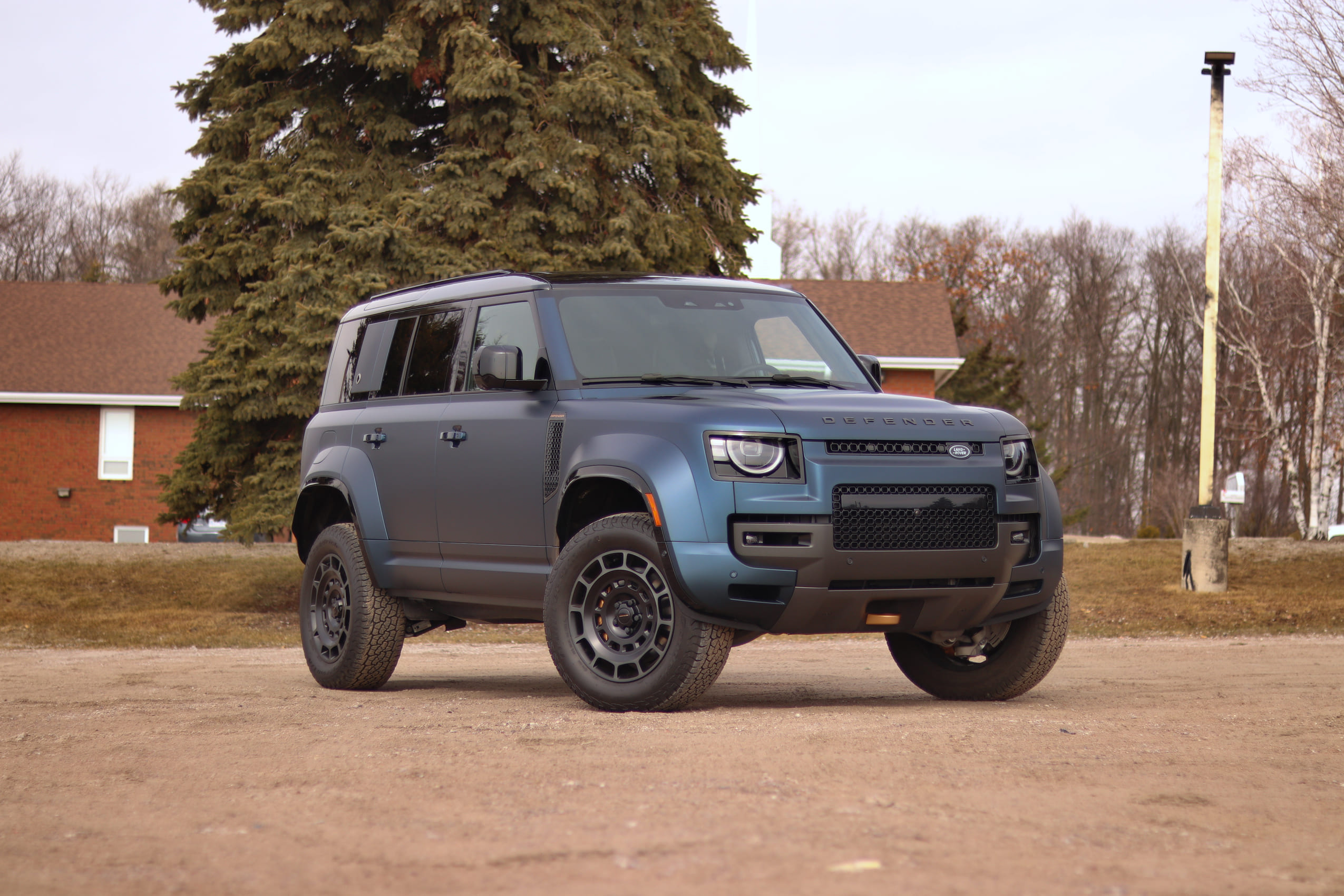
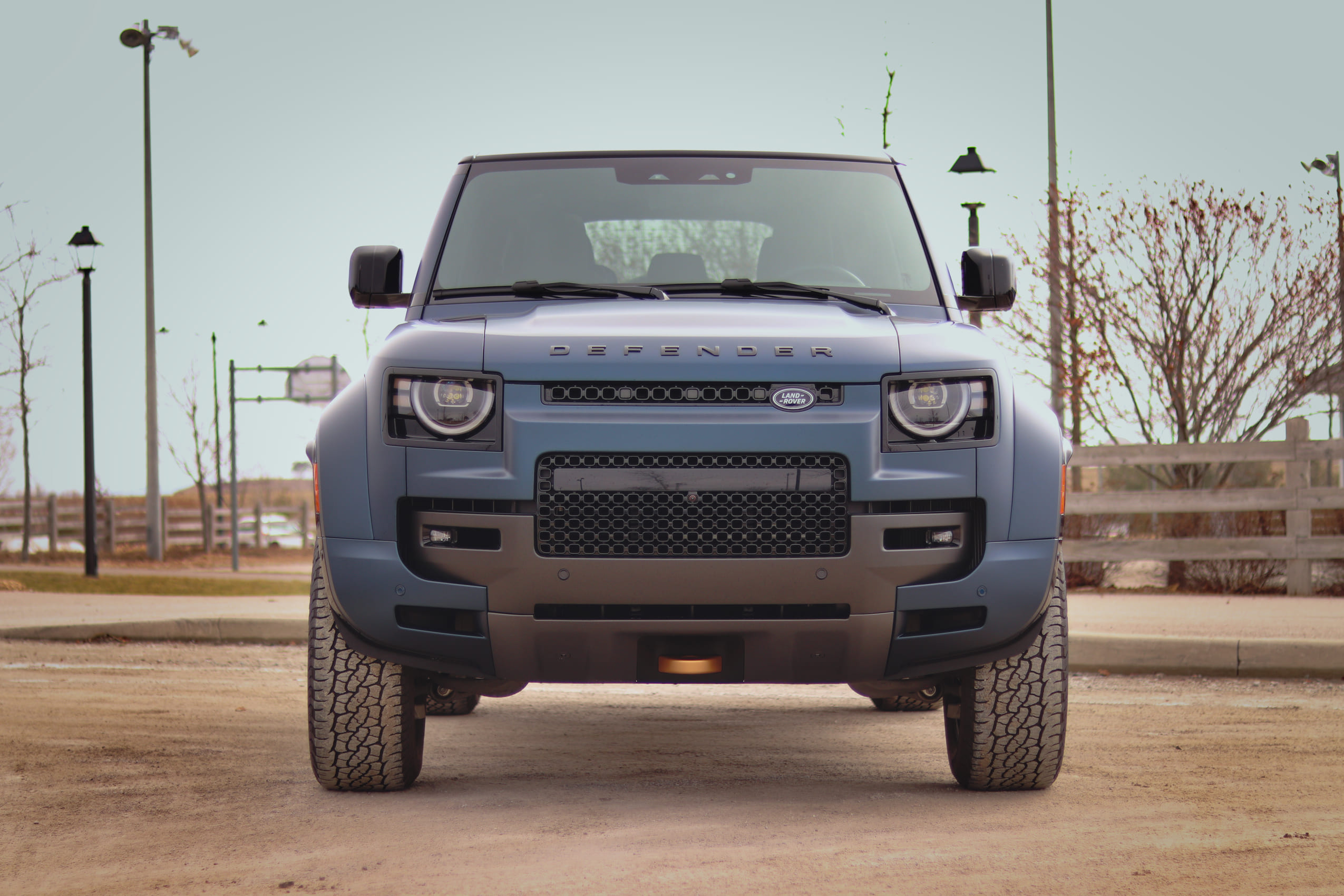
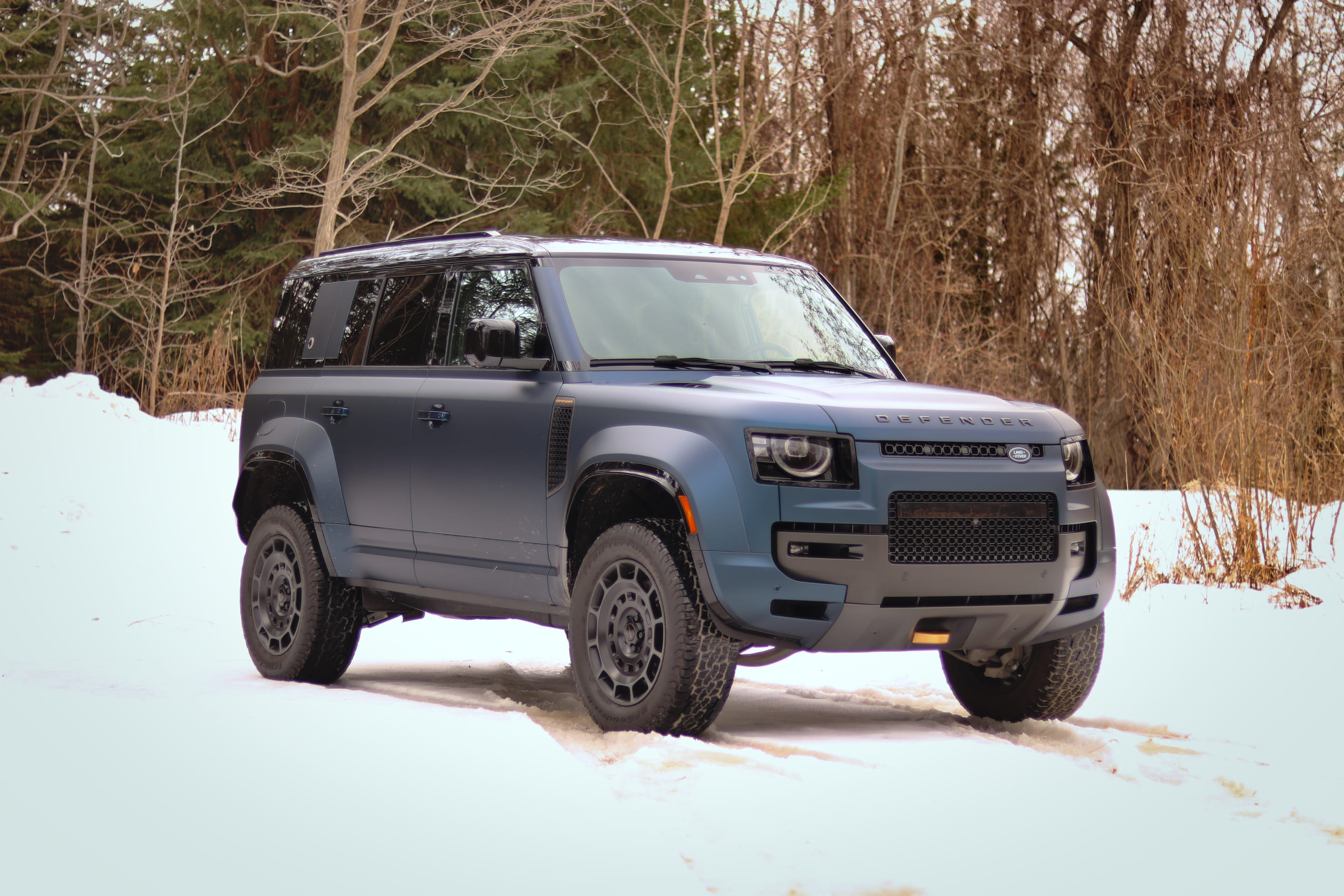
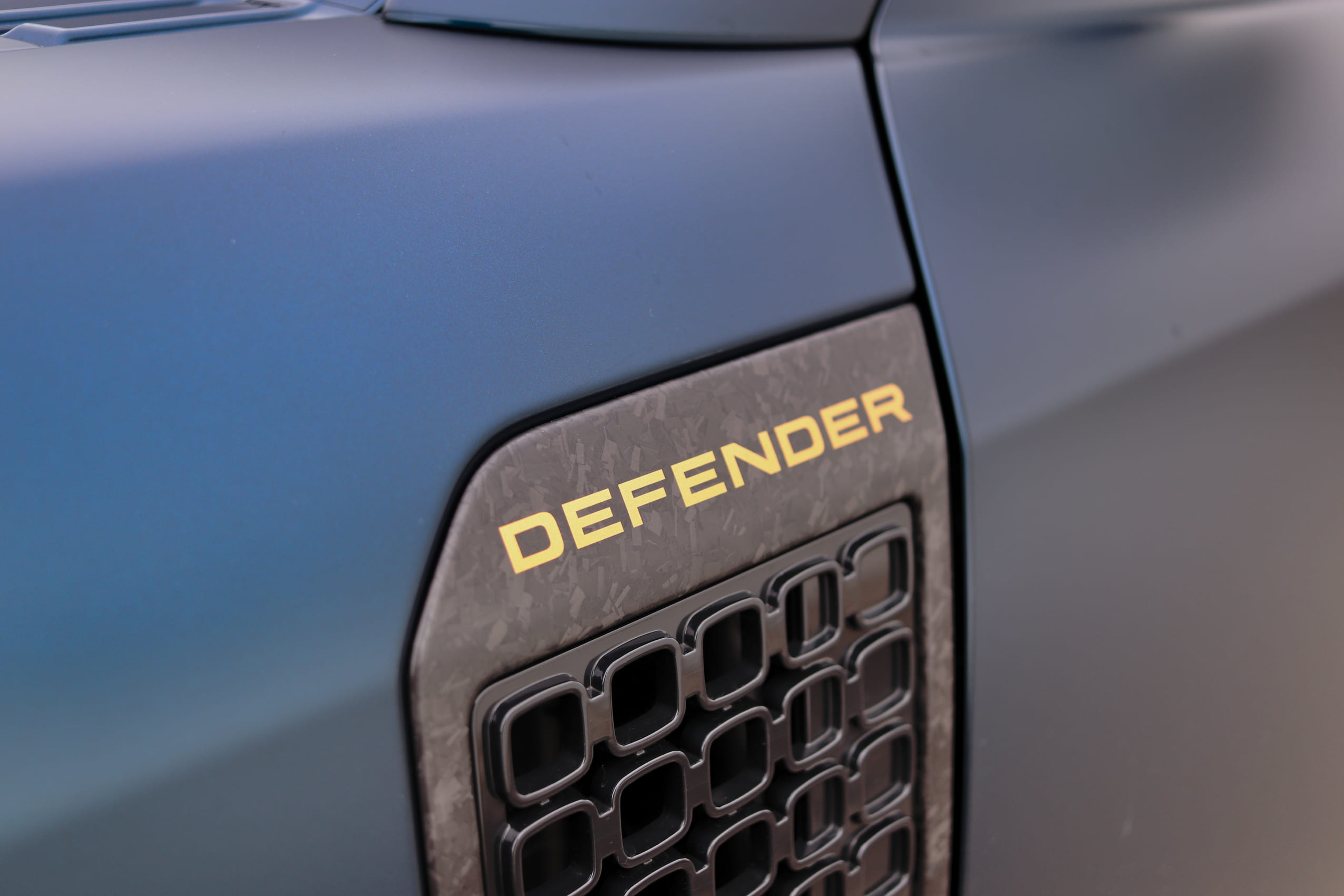
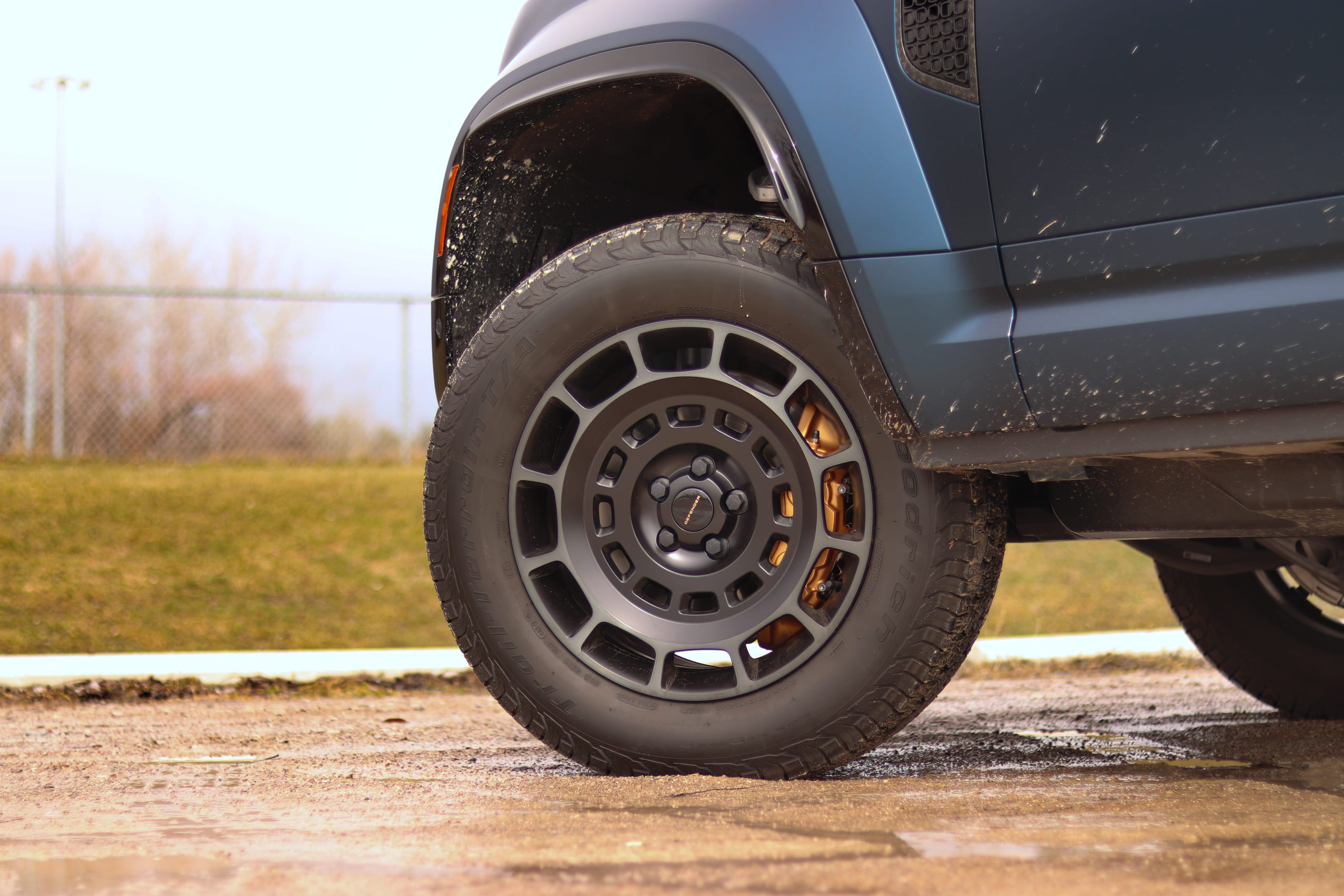
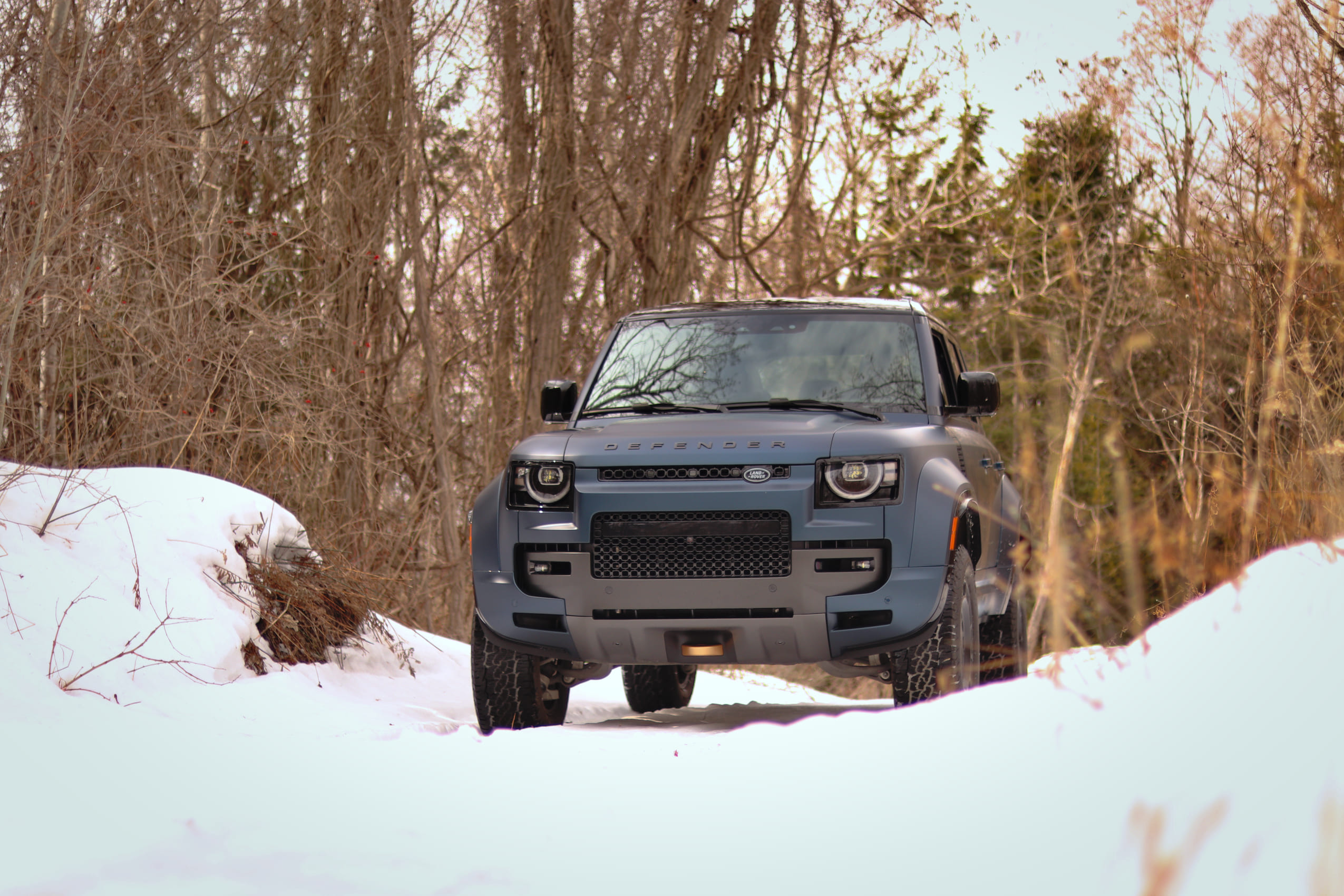
At first glance, the OCTA looks like a standard Defender that’s been hitting the gym and exclusively eating raw steak. Land Rover’s modern design language has always been about “reductionism”—the idea that you can create a luxury icon by removing every unnecessary line until you’re left with a shape a toddler could draw from memory. But for the OCTA, they’ve added some very deliberate, very expensive-looking muscle. The stance is the first thing that hits you; it’s been widened by nearly three inches, giving it the planted, aggressive proportions of a trophy truck dressed in a suit. Those massive, squared-off wheel arches aren’t just for show—they are housing specialized 33-inch all-terrain tires wrapped around heavy-duty forged alloy wheels that look like they were machined out of a solid block of granite.
The “OCTA” name refers to the octahedron shape of a diamond, and Land Rover has hidden that motif all over the exterior like a high-stakes game of Where’s Waldo. You’ll find a signature circular graphic on the C-pillar graphic—a machined titanium disc with a sandblasted finish that lets everyone in the waitlist for the local country club know you spent the extra sixty grand. Up front, the grille has been opened up for massive airflow requirements of that BMW V8, and the bumpers have been tucked and reprofiled to give it “approach and departure angles” that sound impressive in a brochure, even if the most off-roading this vehicle will see is a gravel driveway in Ontario.
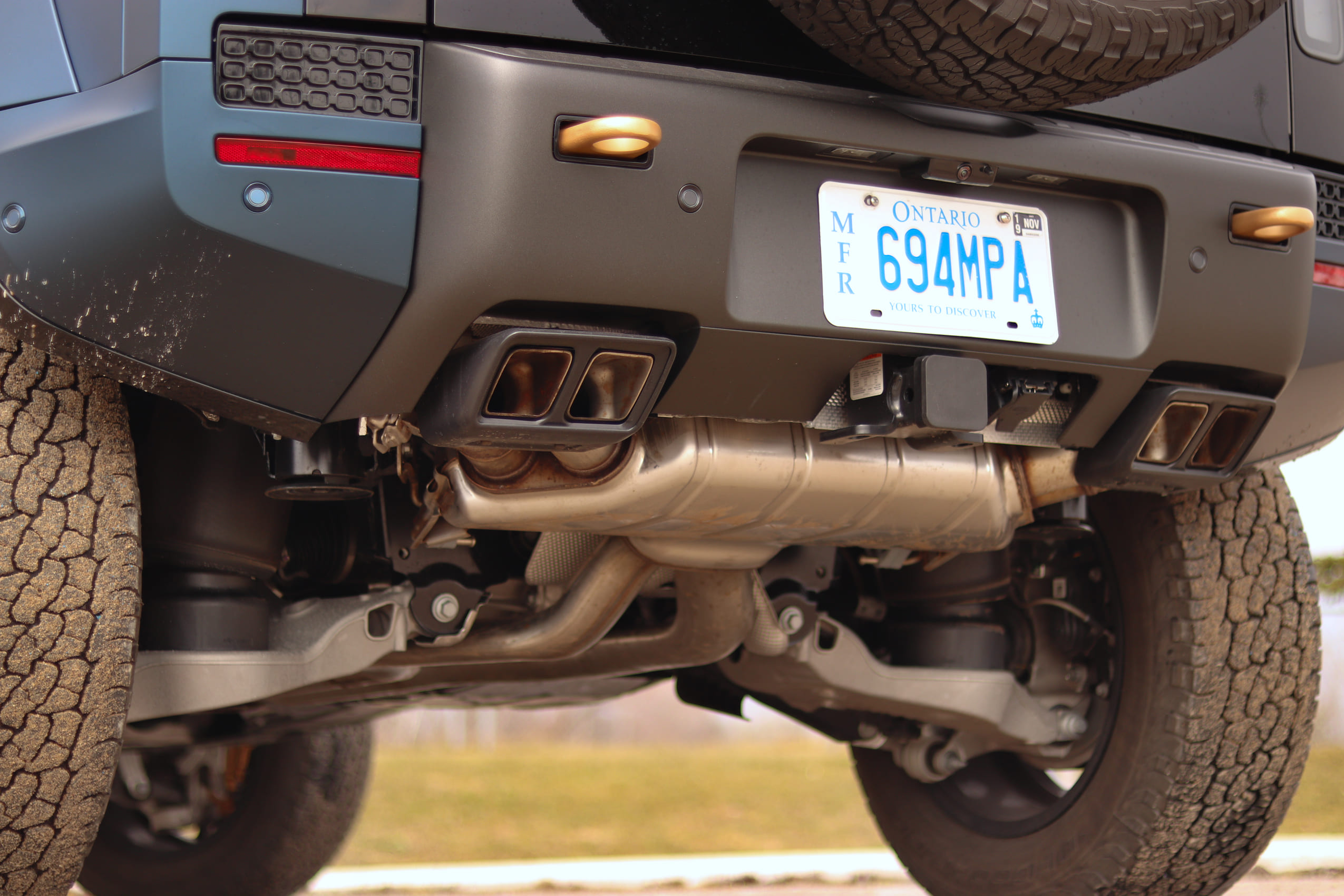
Then there are the quirks that remind you this is a Land Rover, which is to say, it’s delightfully over-detailed. Look closely at the recovery points, and you’ll see they’re finished in a distinct phosphor bronze, because why use standard steel when you can use metallurgy that matches your watch? The hood features new air intakes with carbon fiber detailing, and the matte “Sargasso” blue paint feels less like automotive pigment and more like a protective coating for a stealth bomber. It even sports a set of amber lights embedded in the front grille, a nod to North American width regulations that makes the OCTA feel less like a luxury SUV, and more like a piece of heavy machinery that happens to do 0-60 in four seconds.
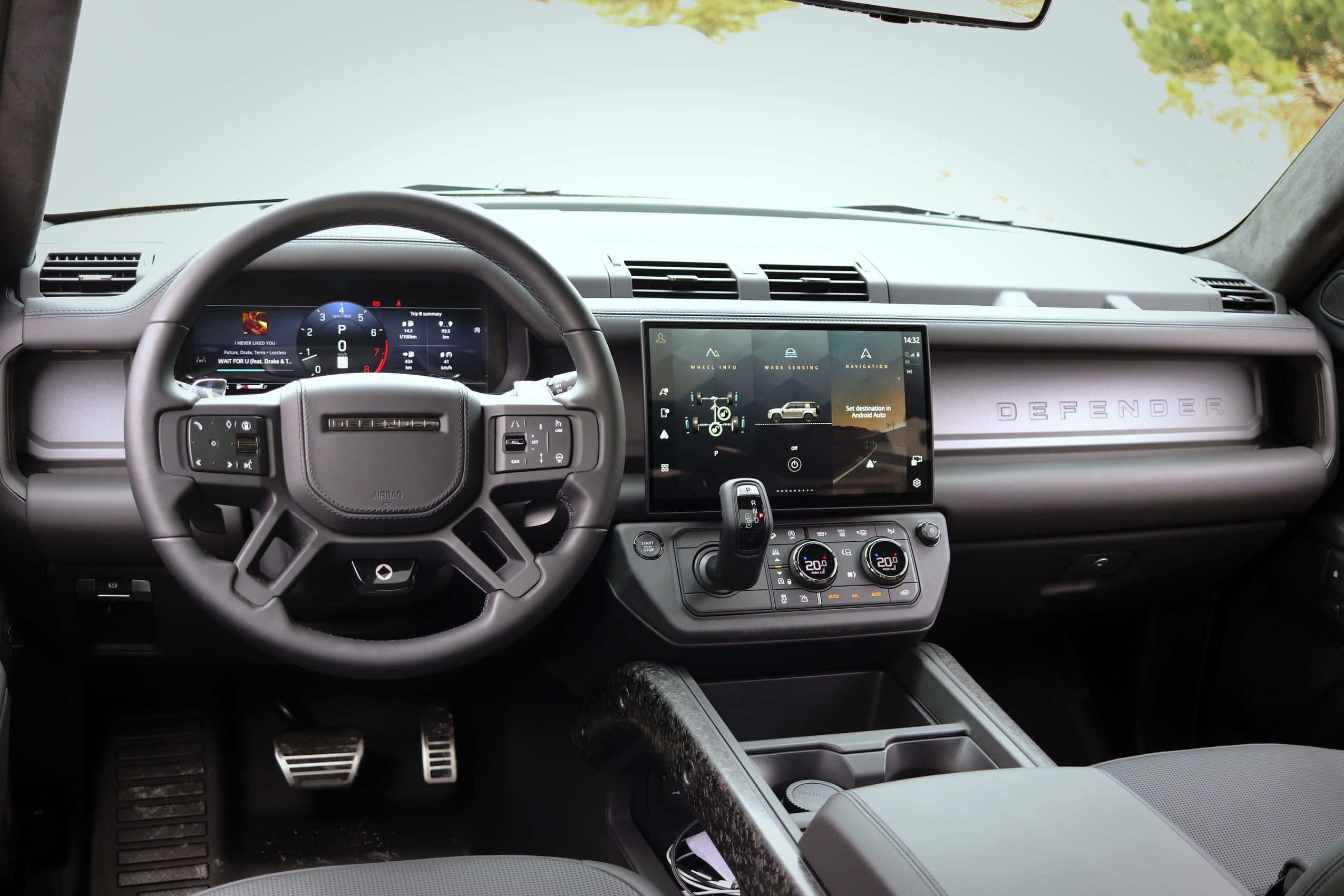
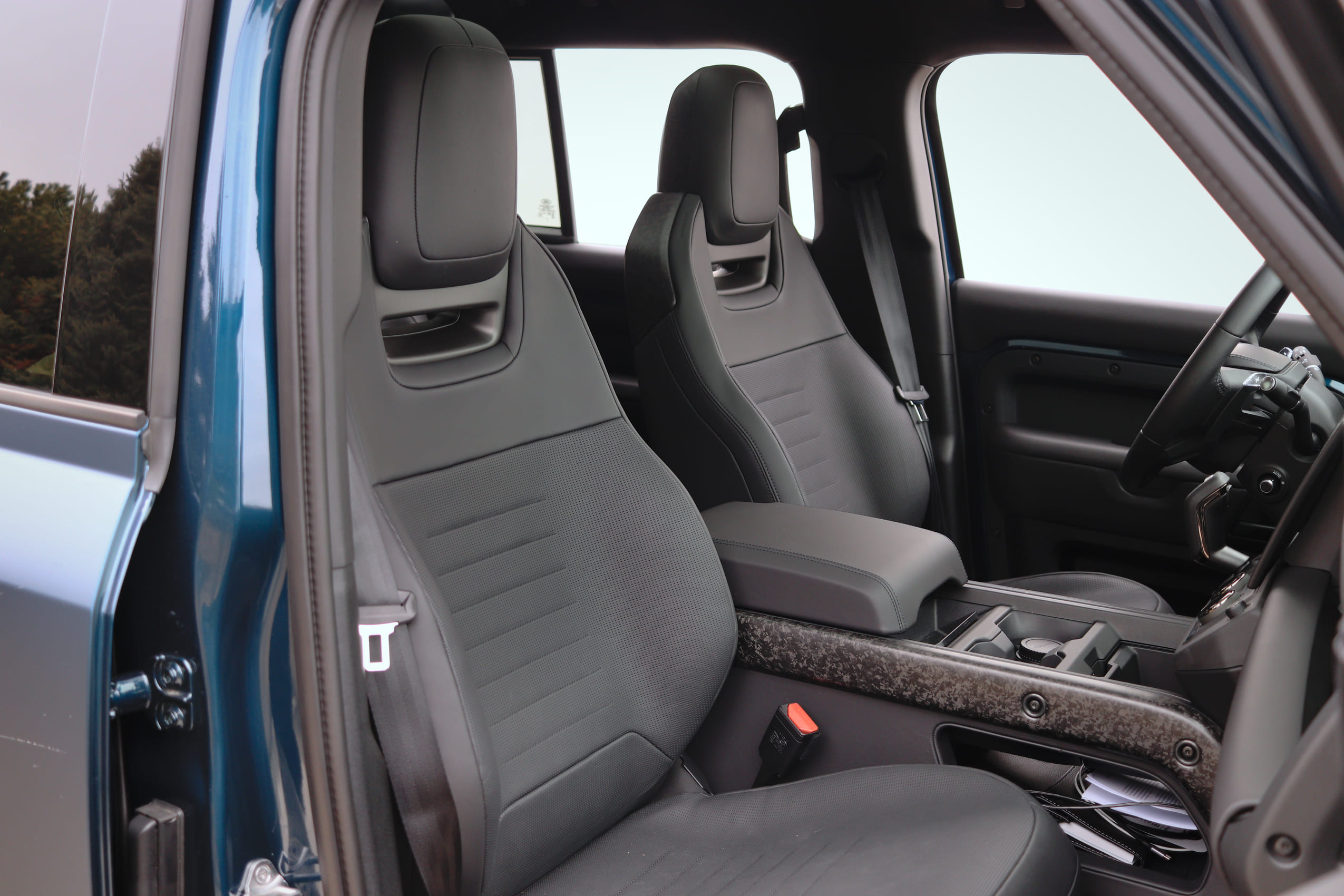
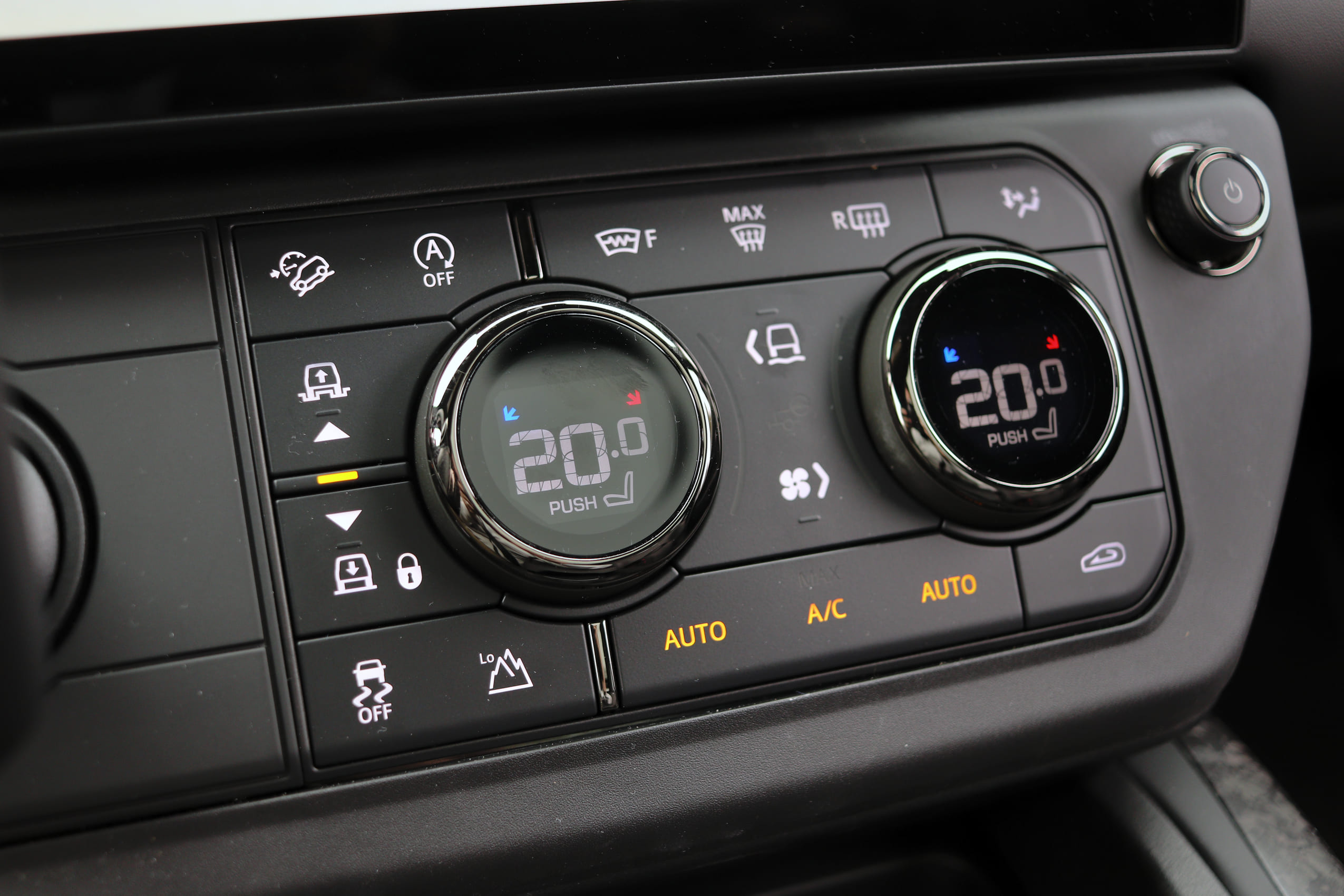
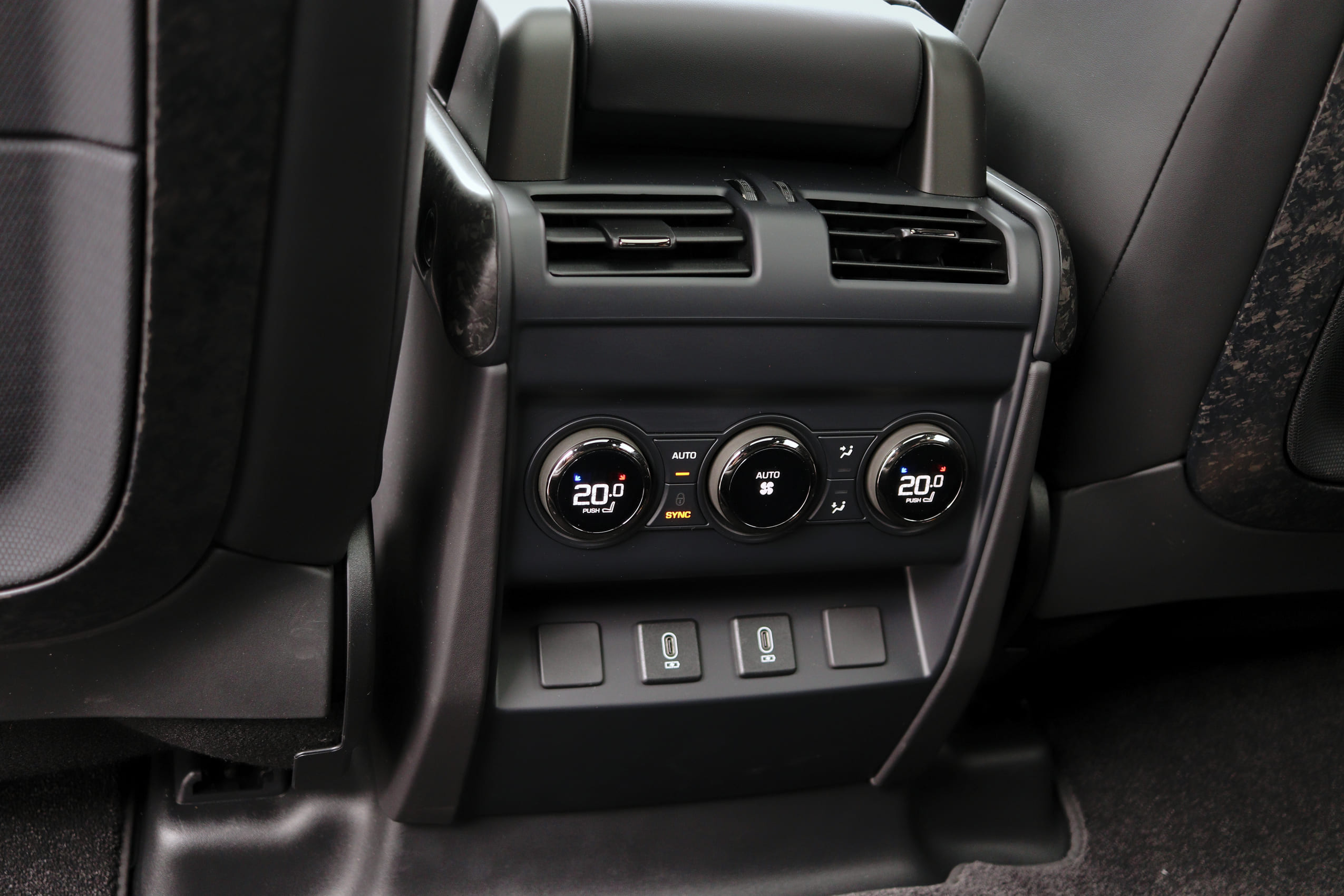
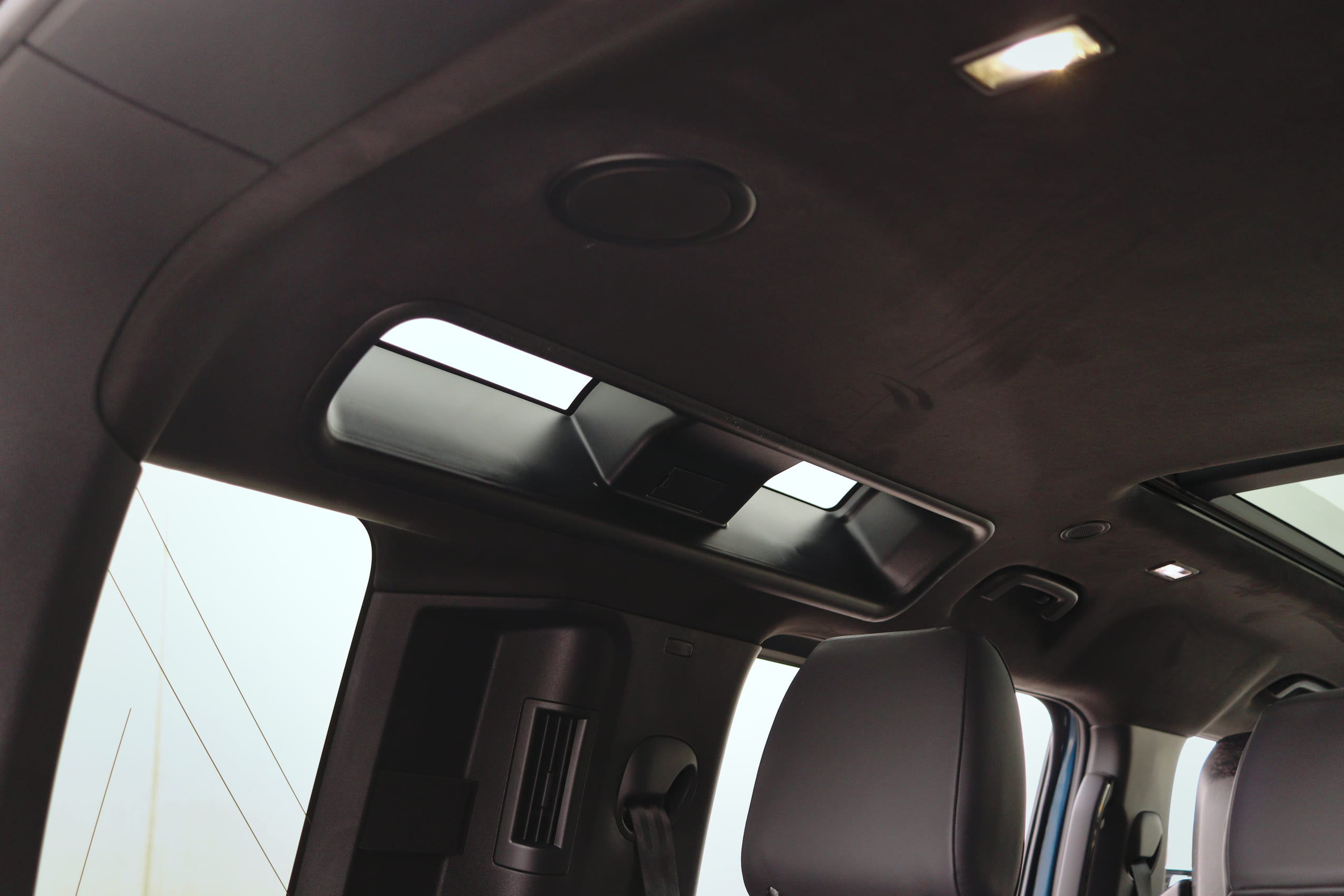

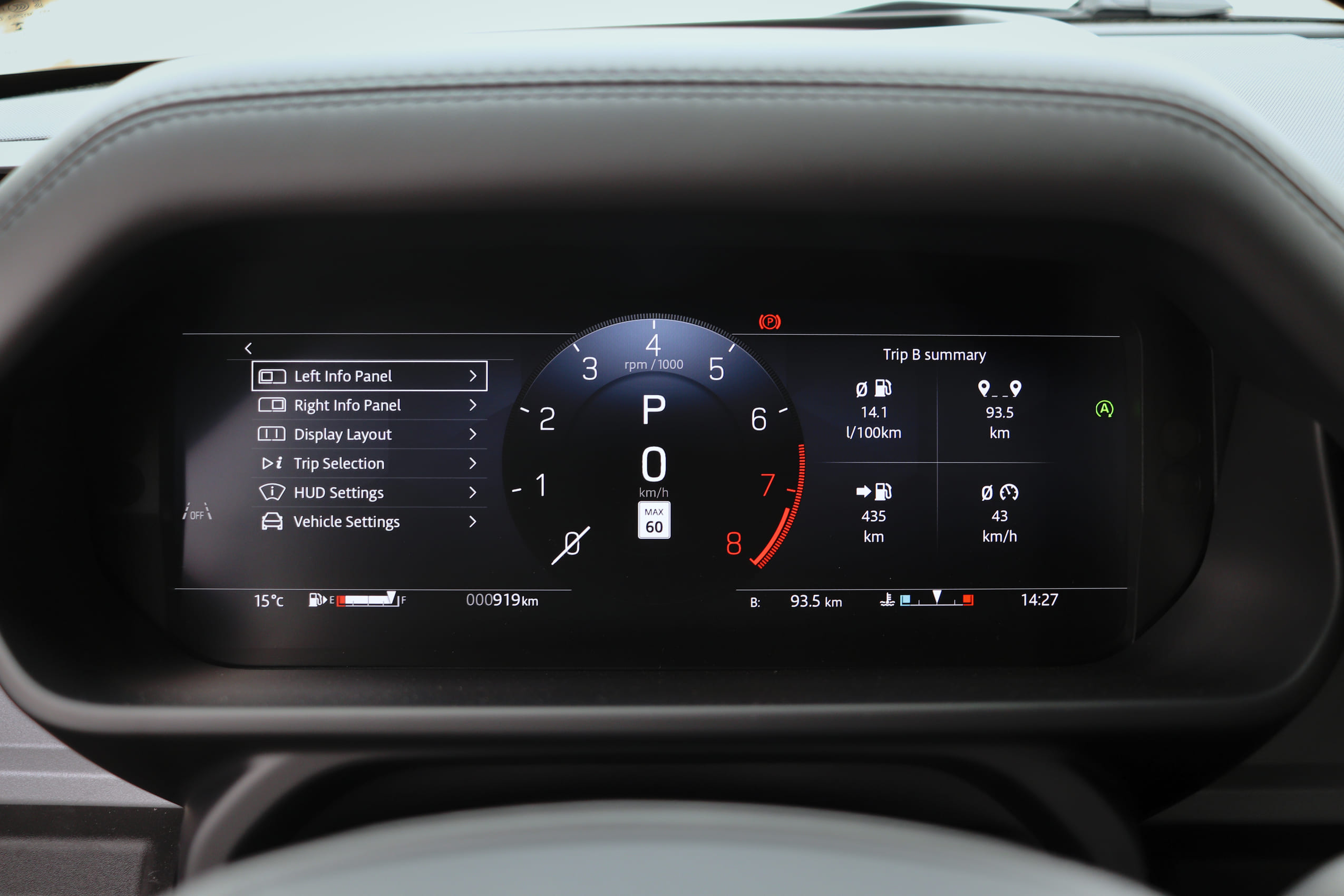
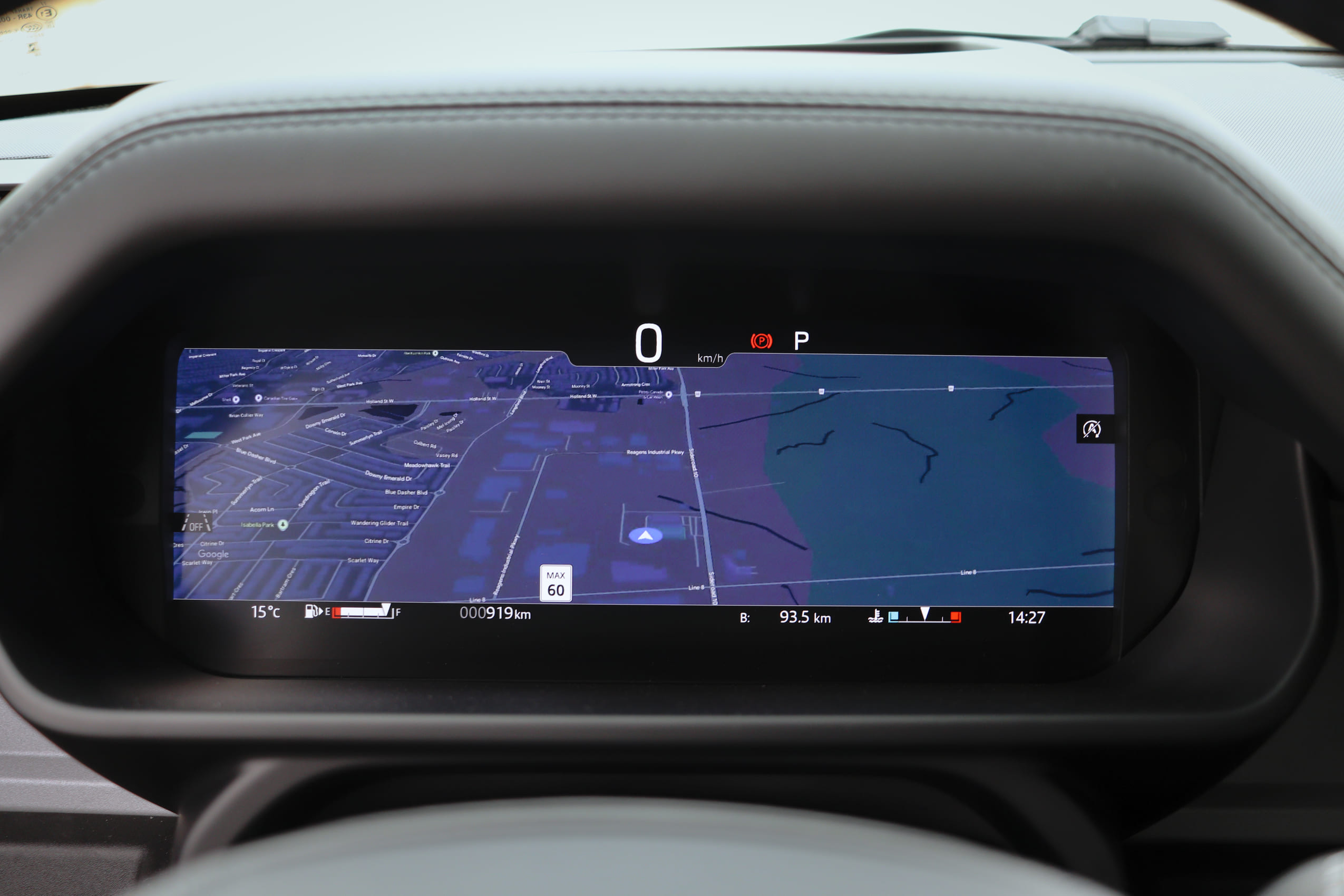
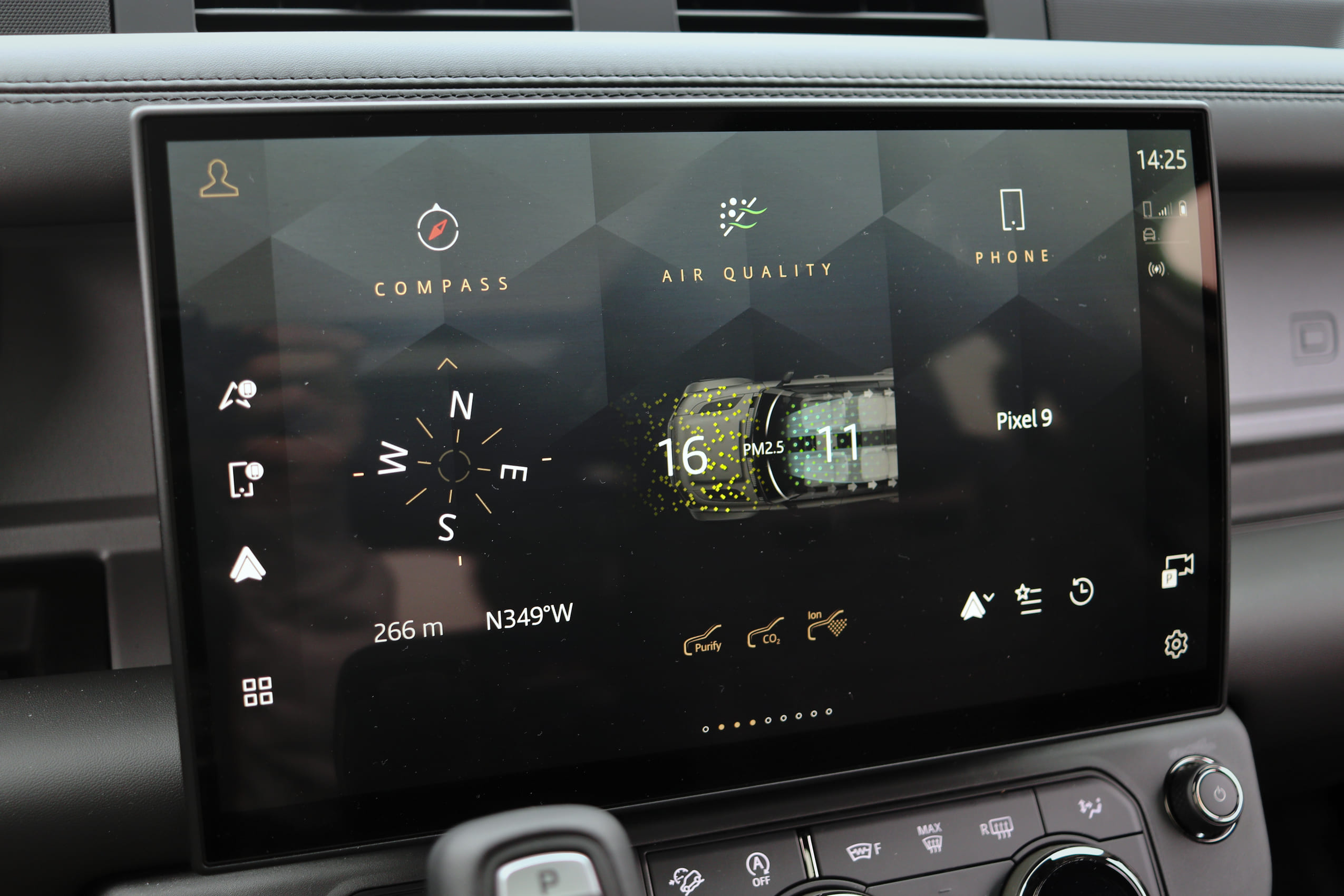
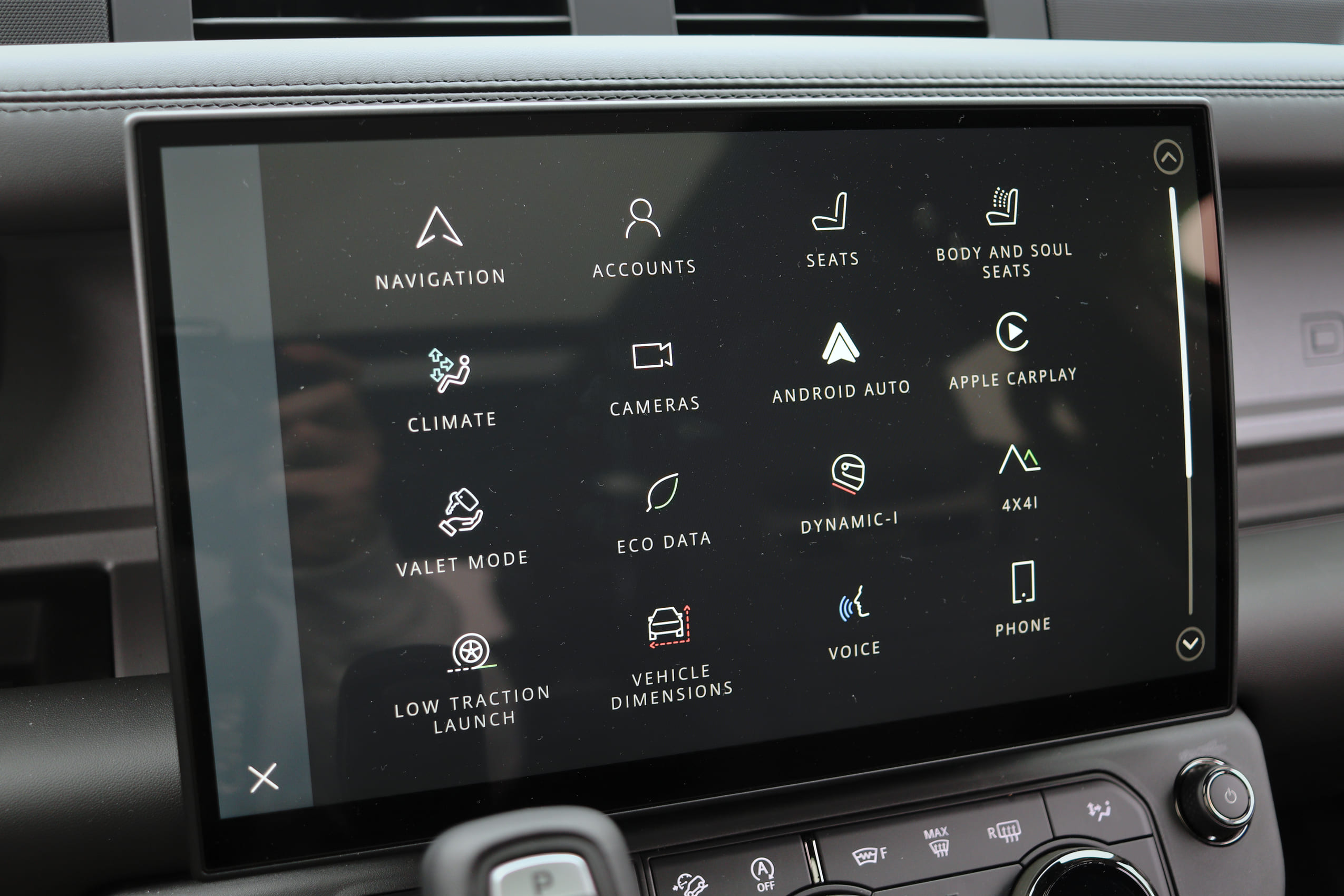
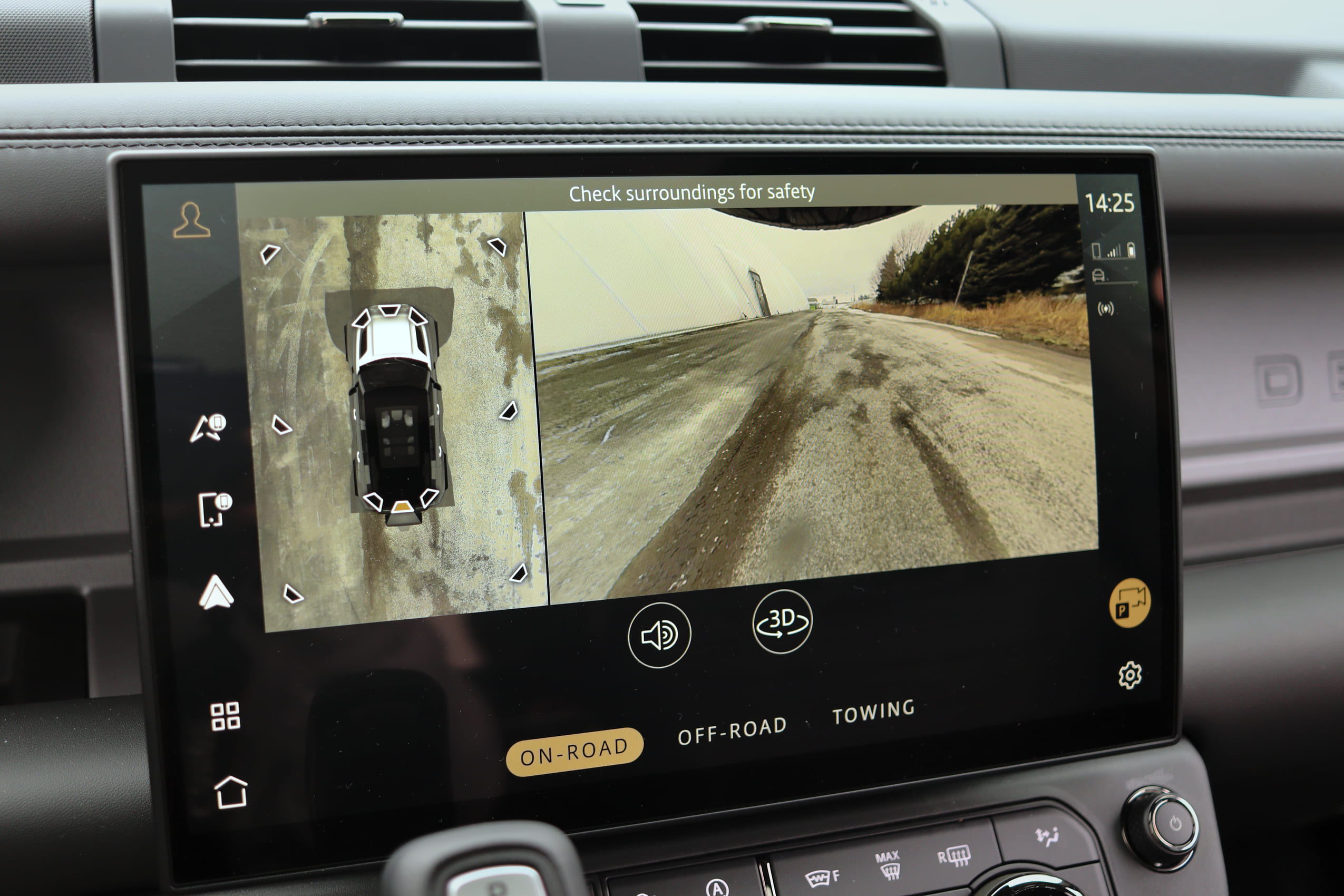
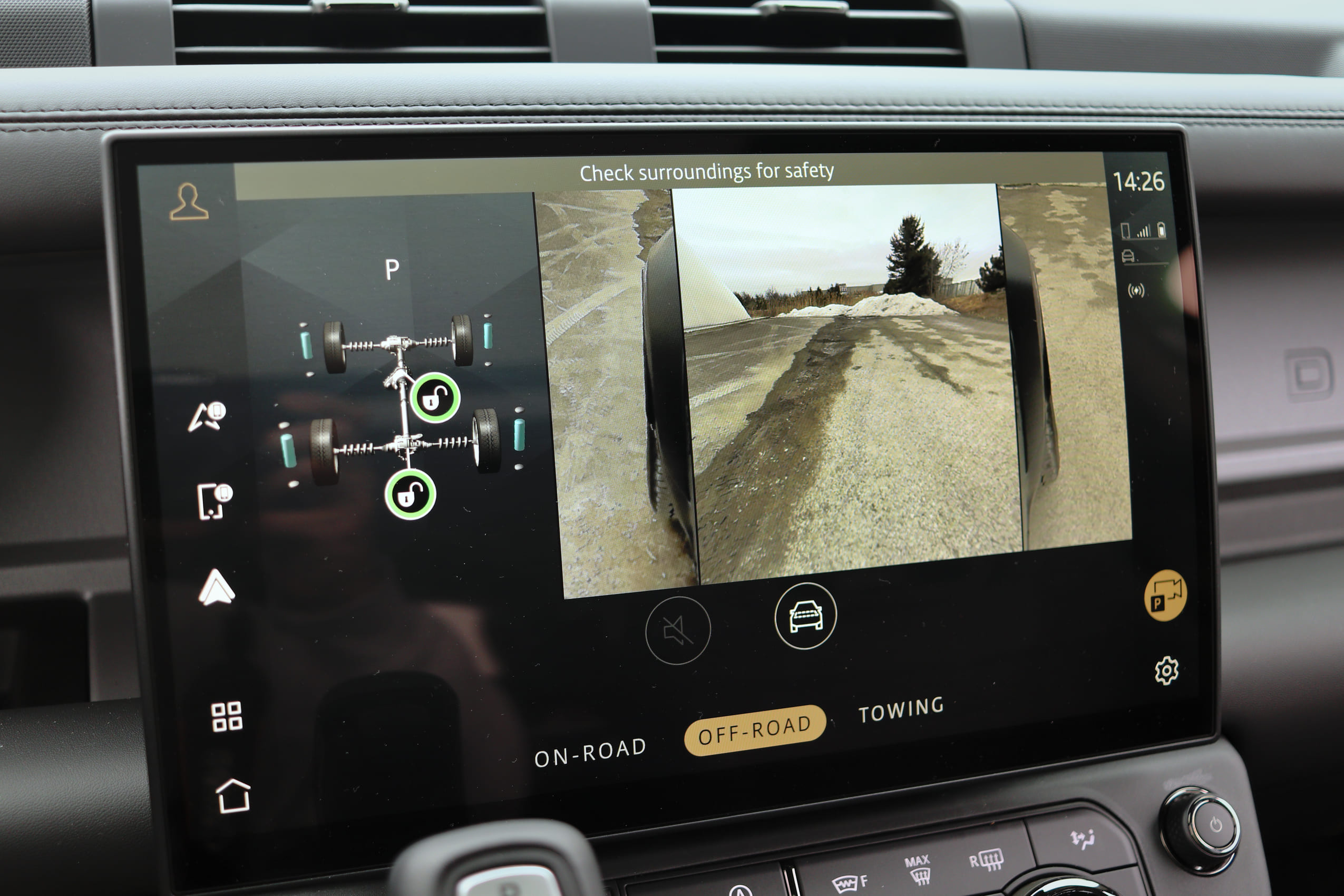
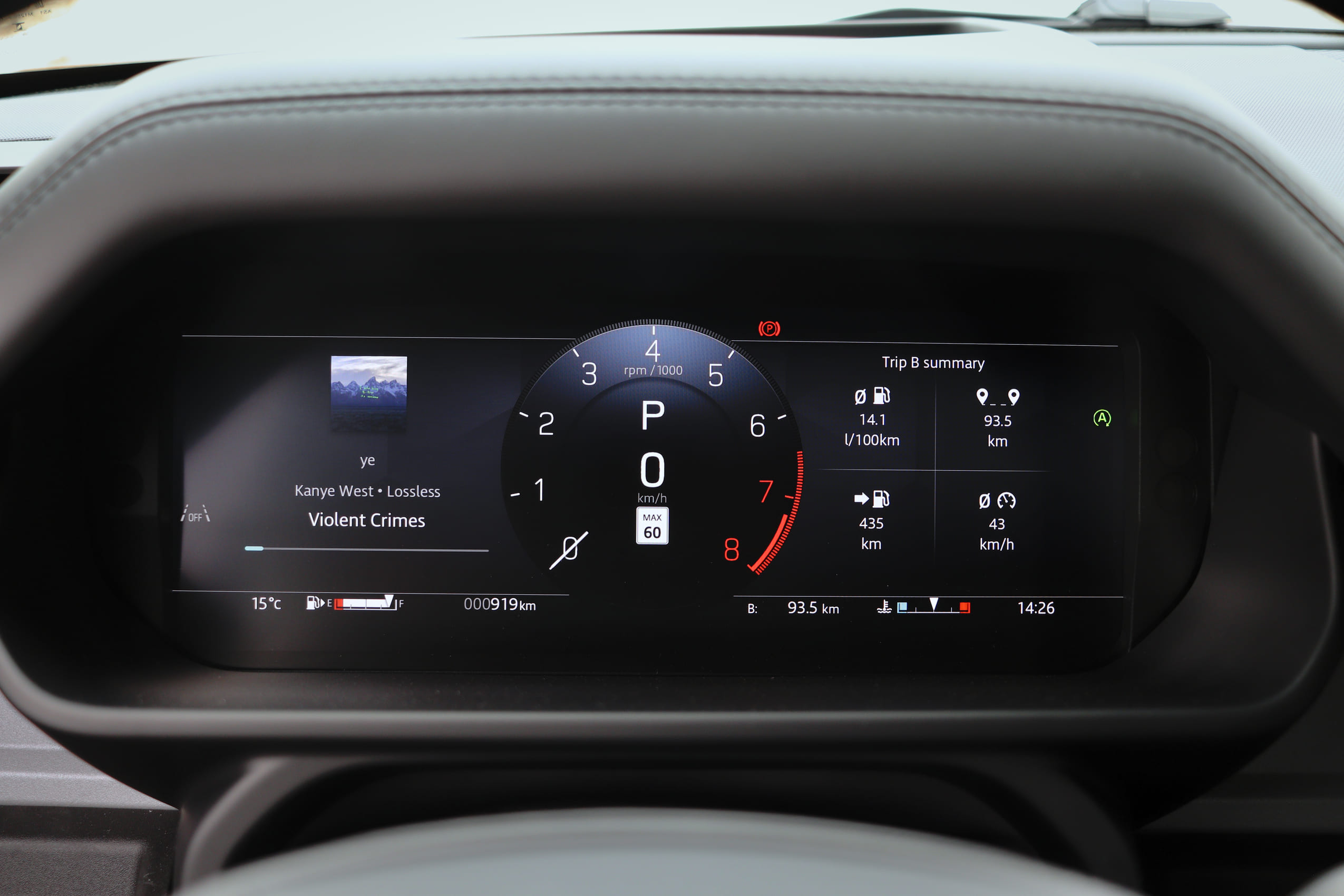
If the OCTA’s exterior is a heavy-metal cover of a British classic, then opening the door is like stepping into the green room of a world-class recording studio—if that studio were also built to withstand a small artillery blast. The transition from rugged, widened body to the cabin is handled with a level of sophistication that makes you forget you just stepped over a rock slider. Gone are the days when a Defender interior meant hose-out rubber mats and the ergonomic grace of a tractor; in the OCTA, you are greeted by a cockpit that balances Land Rover’s “industrial-chic” exposed-bolt aesthetic with materials that feel far too expensive to ever get dusty.
But the real party piece—the thing that separates the OCTA from every other over-powered SUV on the market—is the seating. Land Rover has introduced what they call “Body and Soul Seats” (BASS), developed with Subpac. These aren’t just chairs; they are wearable technology. Using transducers in the seatbacks, they vibrate in sync with the 29-speaker Meridian surround system, allowing you to literally feel the bass of your music in your chest. They even include “wellness” programs designed to lower your heart rate after a stressful commute or, more likely, a high-speed blast through a technical trail.
Despite all the high-tech wizardry and vibrating upholstery, the OCTA hasn’t sacrificed the Defender’s greatest trick: being a genuinely useful place to spend time. The interior space remains cavernous, with enough headroom for a gentleman in a top hat and a center console refrigerator that can actually hold a bottle of champagne—or, you know, some Gatorade for when you’re actually out in the dunes. It’s a cabin that manages to feel incredibly special without feeling precious; it’s a space that encourages you to drive 500 miles across a continent and then, without so much as a change of clothes, spend the afternoon climbing a mountain. It is the ultimate “and” vehicle: luxury and utility, comfort and chaos.
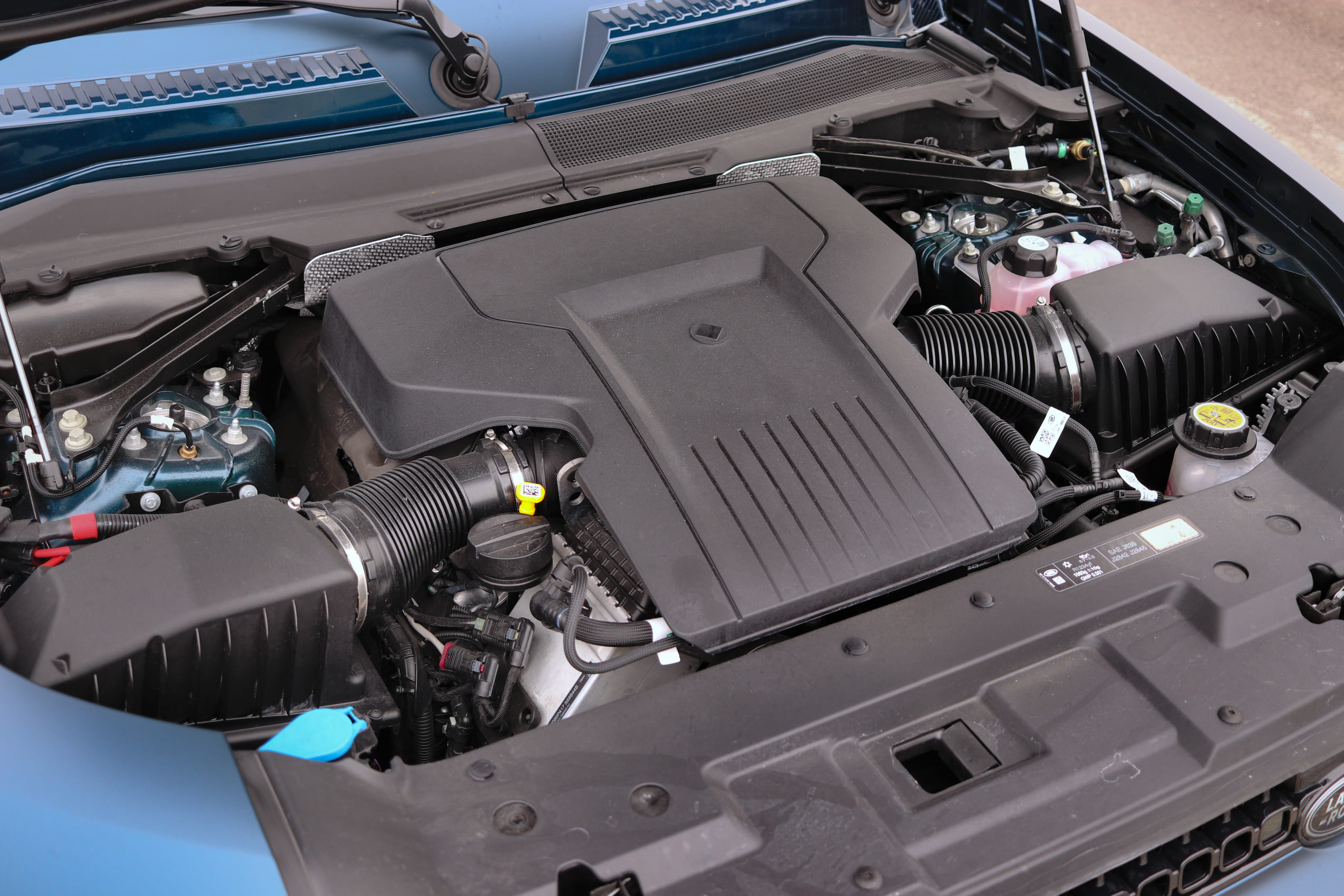
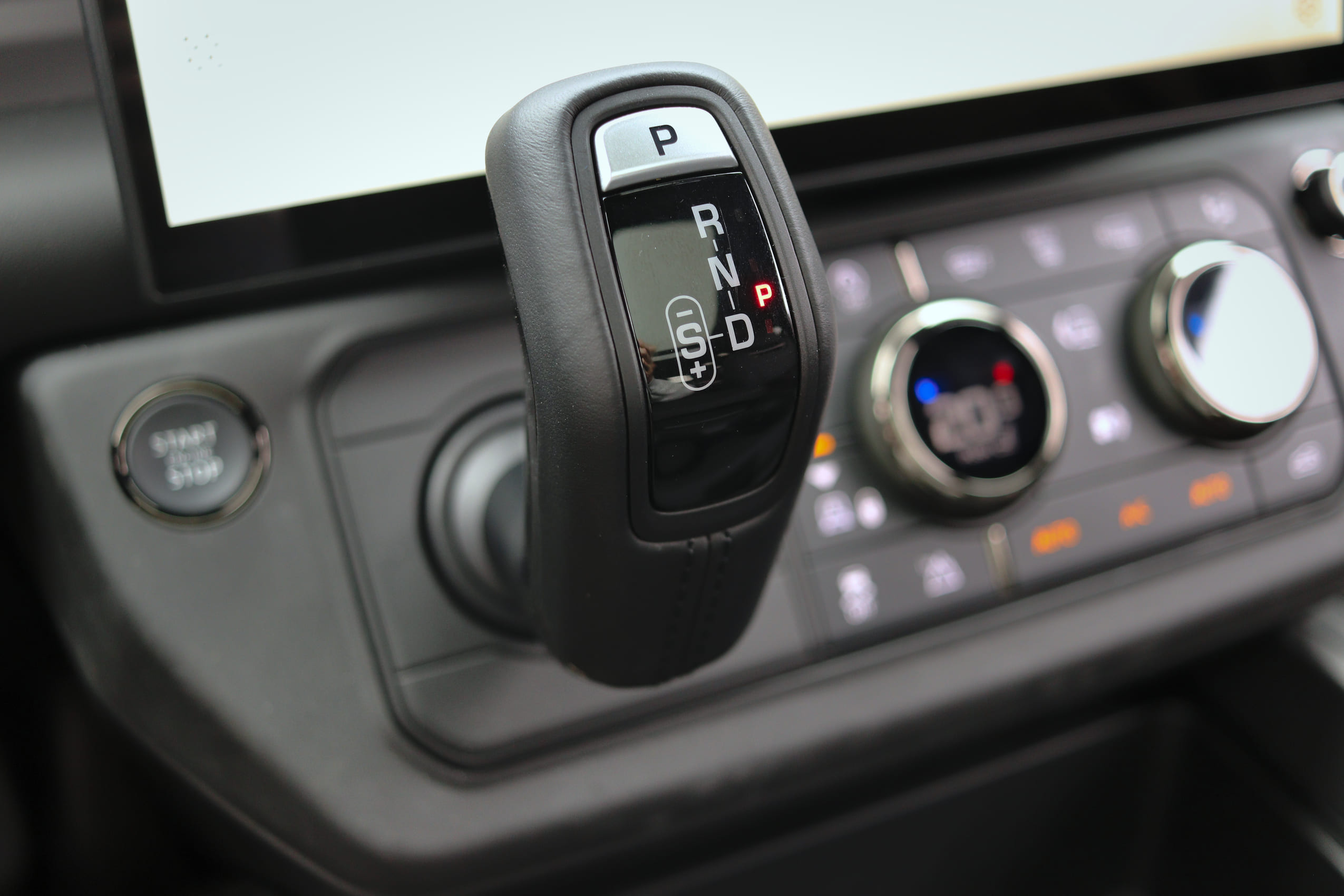
The transition from a vibrating, bass-pumping seat to 626-horsepower mechanical assault is surprisingly seamless. Under the hood, Land Rover has finally ditched the aging, supercharged 5.0-litre V8—a charming but thirsty dinosaur—in favor of a BMW-sourced 4.4-litre twin-turbo V8. It’s a mild-hybrid heart transplant that pumps out 553 lb-ft of torque, allowing this aerodynamic disaster to punch a hole through the air and hit 100 km/h in a physics-denying 4.1 seconds. Power is routed through a beefed-up 8-speed automatic transmission that’s been recalibrated to handle the extra grunt, ensuring that whether you’re merging onto a highway or trying to outrun a sandstorm, the shifts are as crisp as a freshly tailored suit.
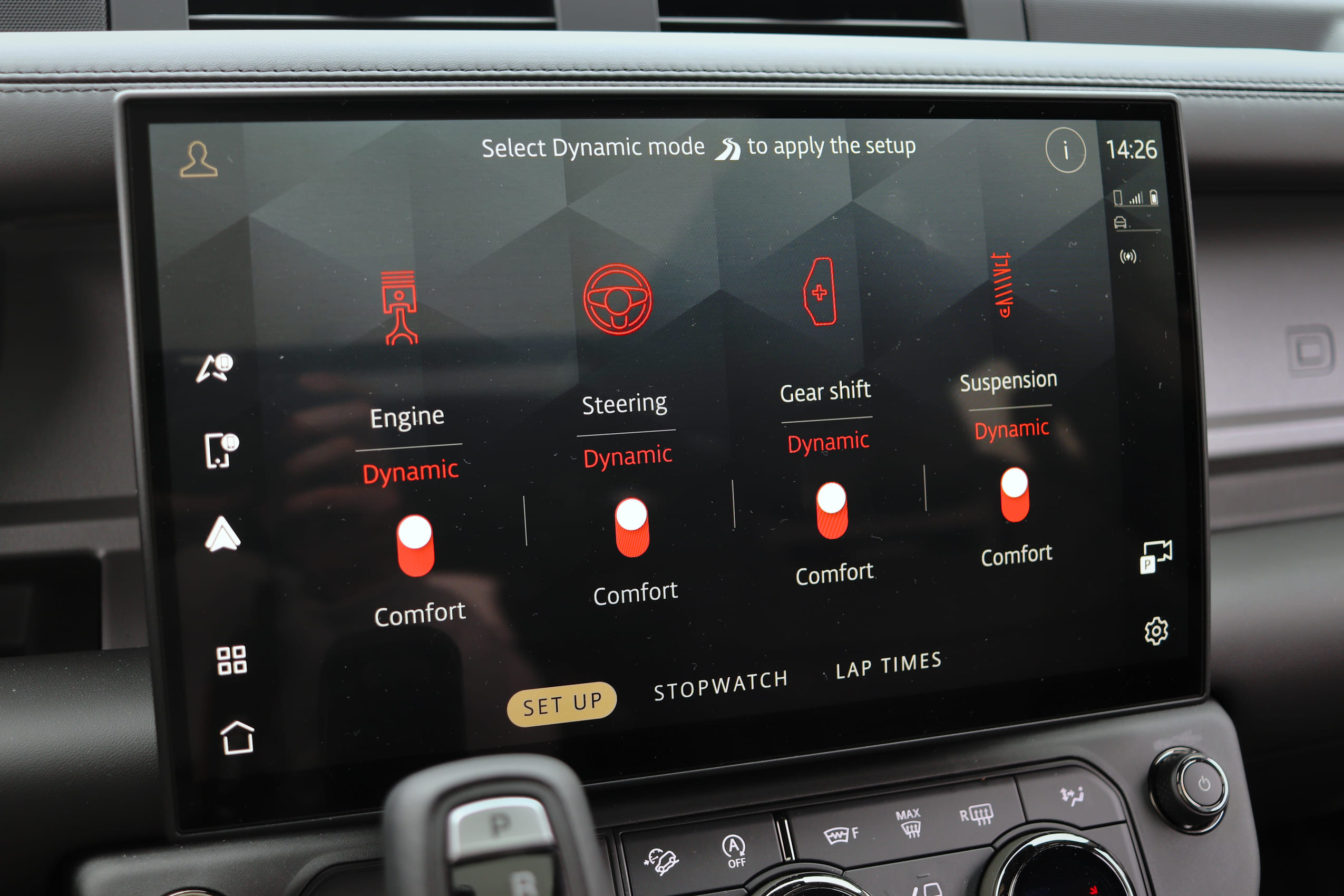
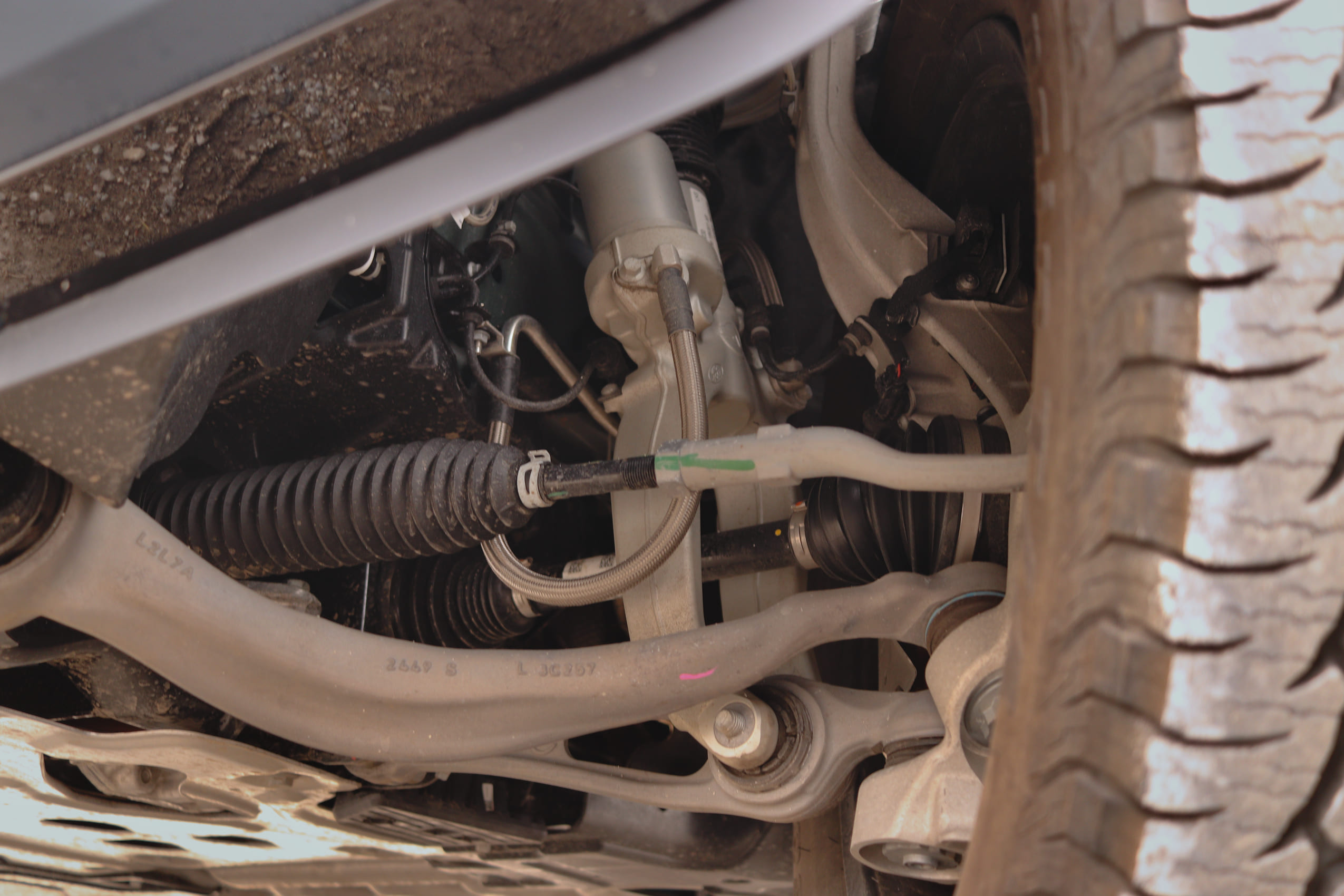
The OCTA isn’t just about straight-line speed; it’s about how it manages that mass through the corners and over the crests. The headline act is the 6D Dynamics suspension, a trick system that replaces traditional mechanical anti-roll bars with a network of hydraulically interlinked dampers. By moving fluid from corner to corner, the OCTA can stay remarkably flat during high-speed cornering—eliminating the “ship-at-sea” pitch and roll typical of SUVs—and then, in an instant, decouple the dampers to allow for massive wheel articulation. It’s the closest thing to “magic carpet” technology ever fitted to a vehicle with 33-inch tires.
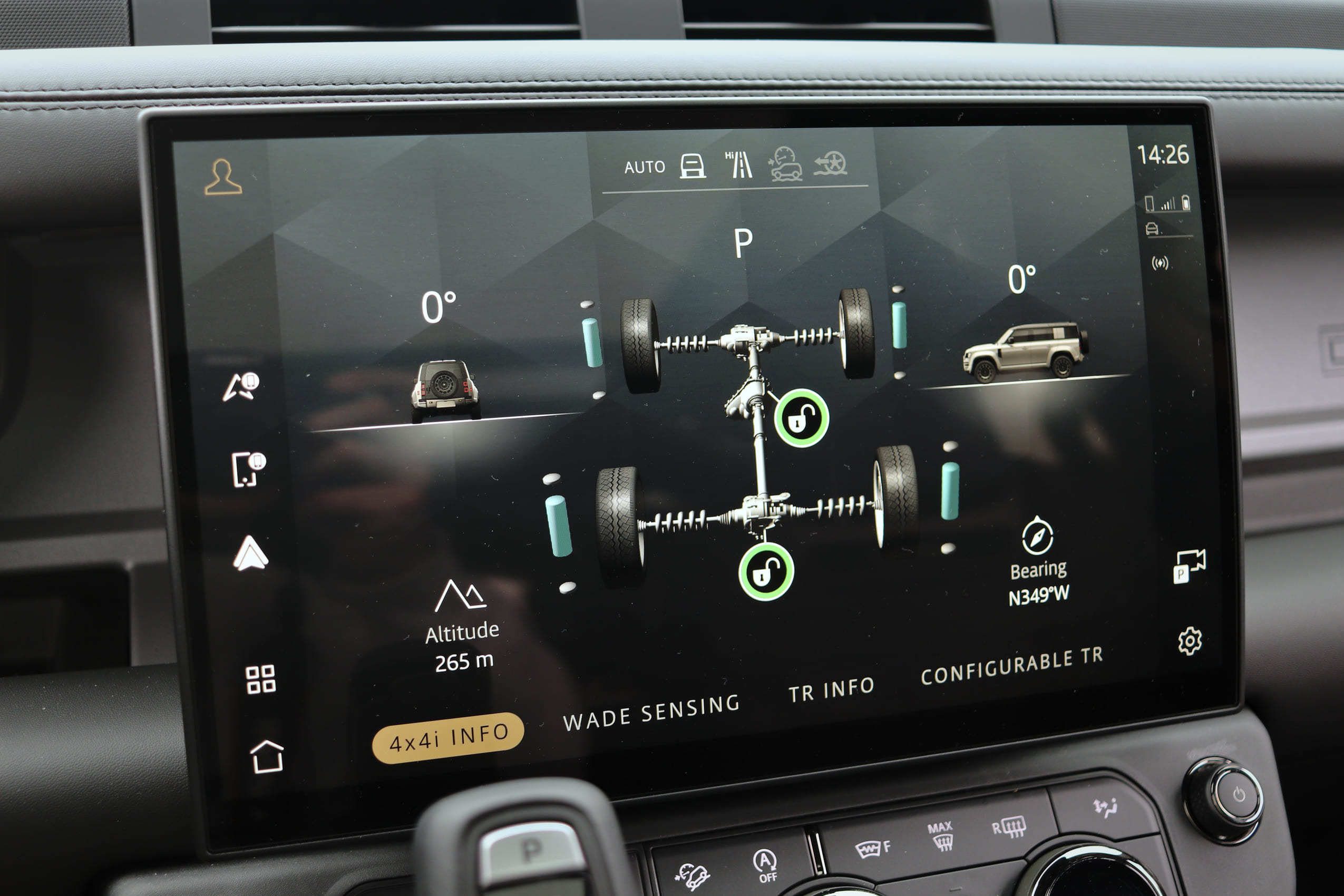
Of course, a Defender that can’t handle the rough stuff is just a very expensive paperweight, and the OCTA doubles down on its heritage. The all-wheel-drive system features a twin-speed transfer box with high and low range, backed by electronically active center and rear locking differentials. To make all this hardware sing, Land Rover introduced the OCTA Mode—the first performance-focused off-road setting in the brand’s history. Engaging it unlocks a dedicated off-road launch control and a bespoke ABS calibration that allows you to stop on loose gravel without the computer having a panic attack. It’s a system designed for “high-speed off-road durability”, which is marketing-speak for “yes, you can jump it.”
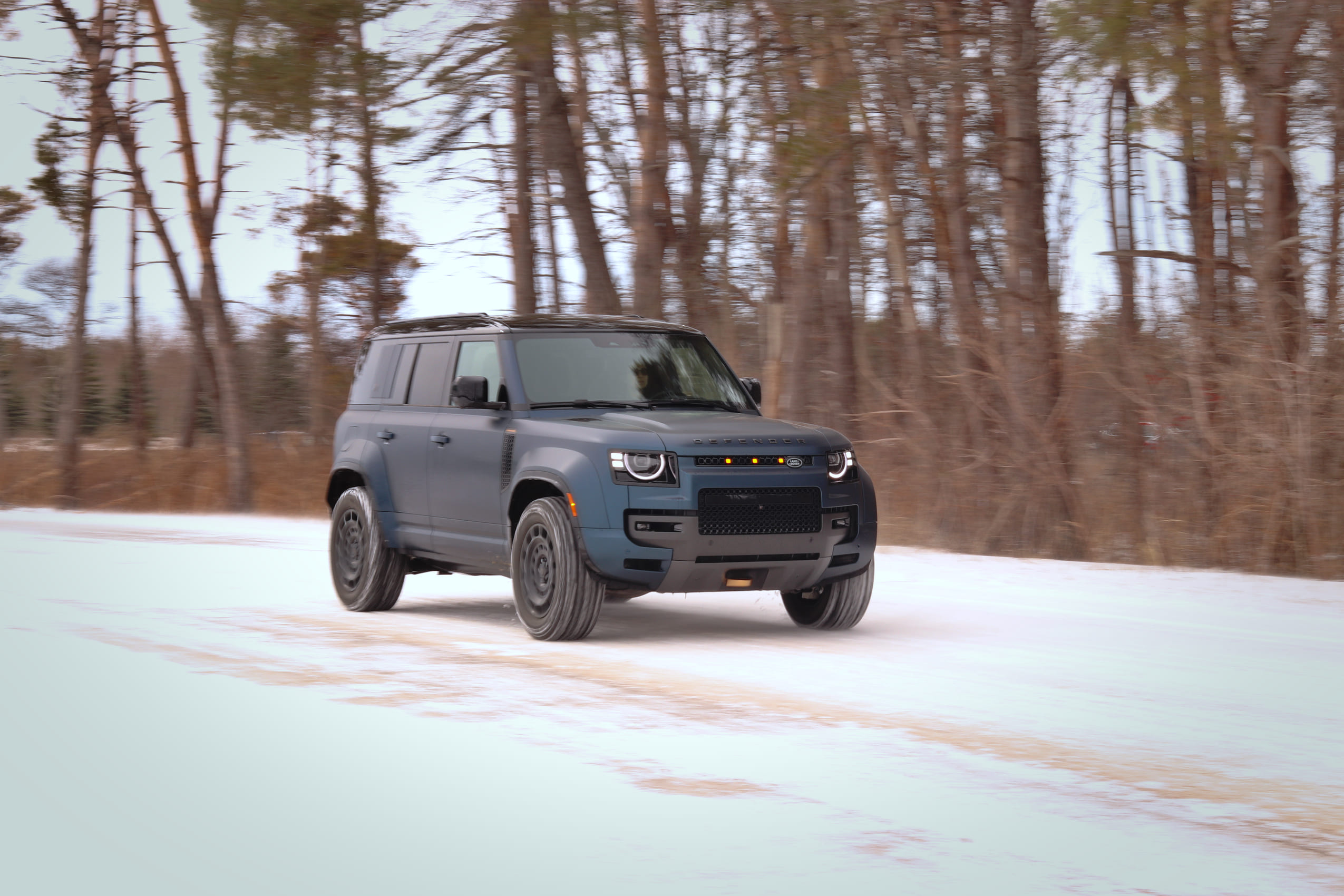
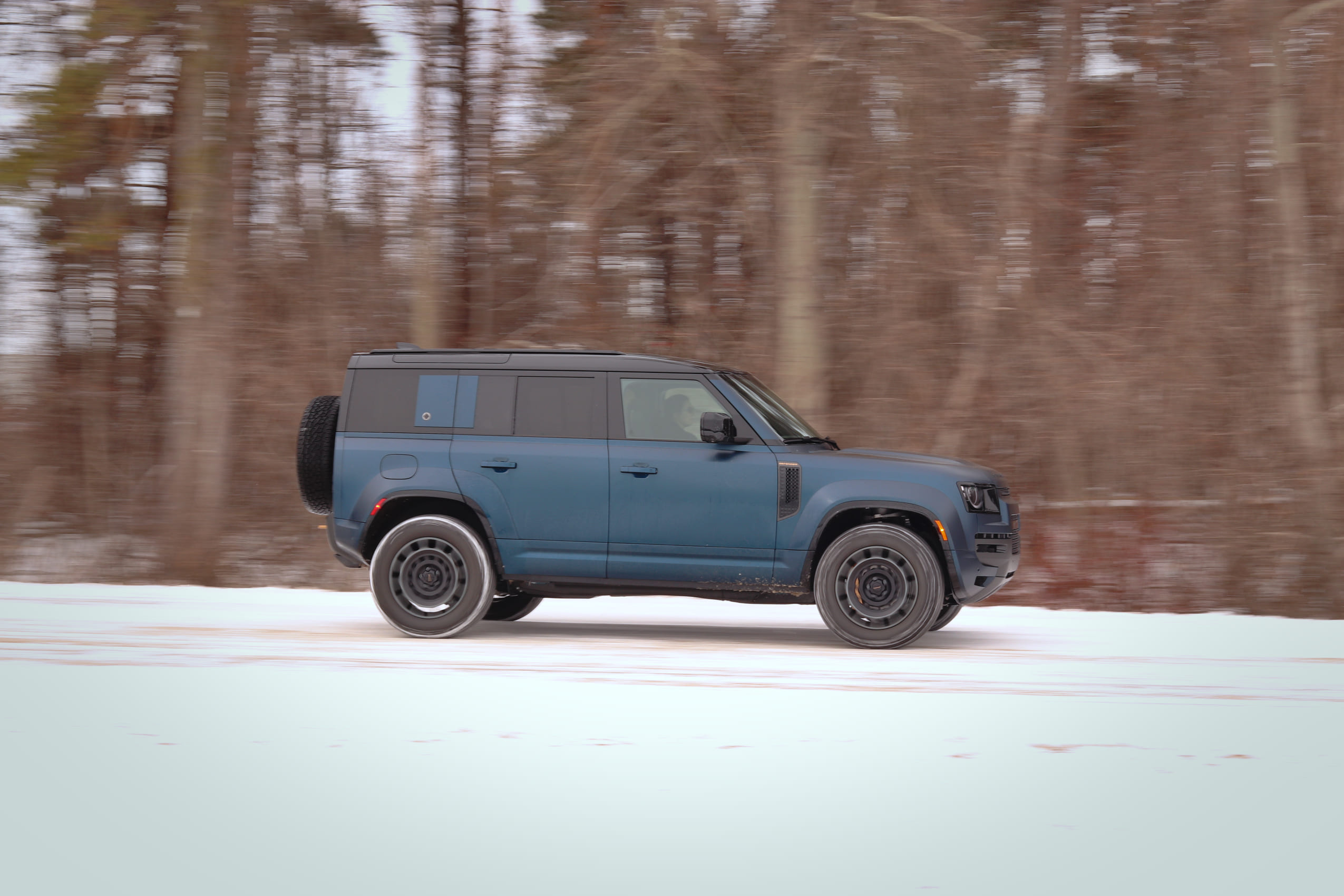
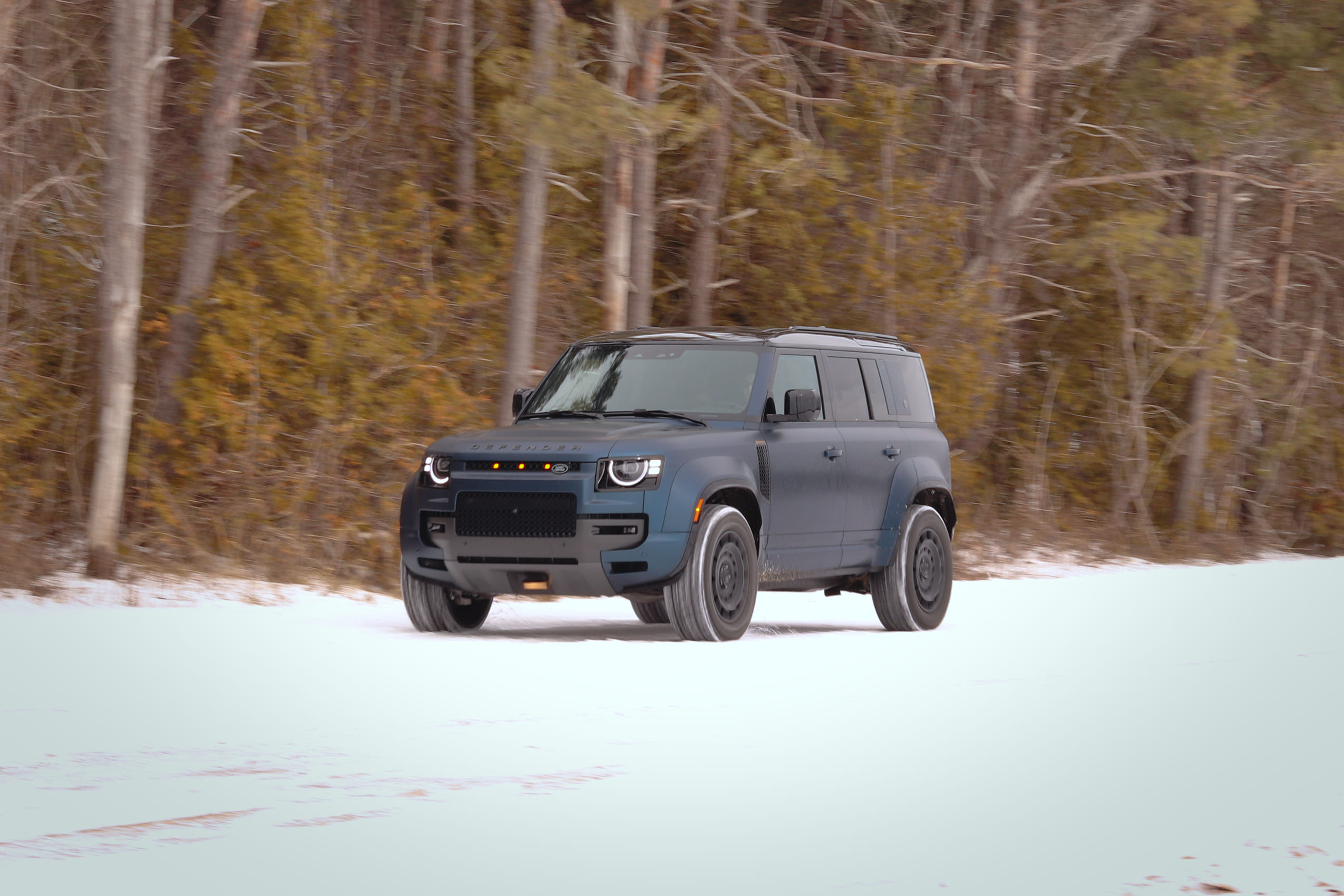
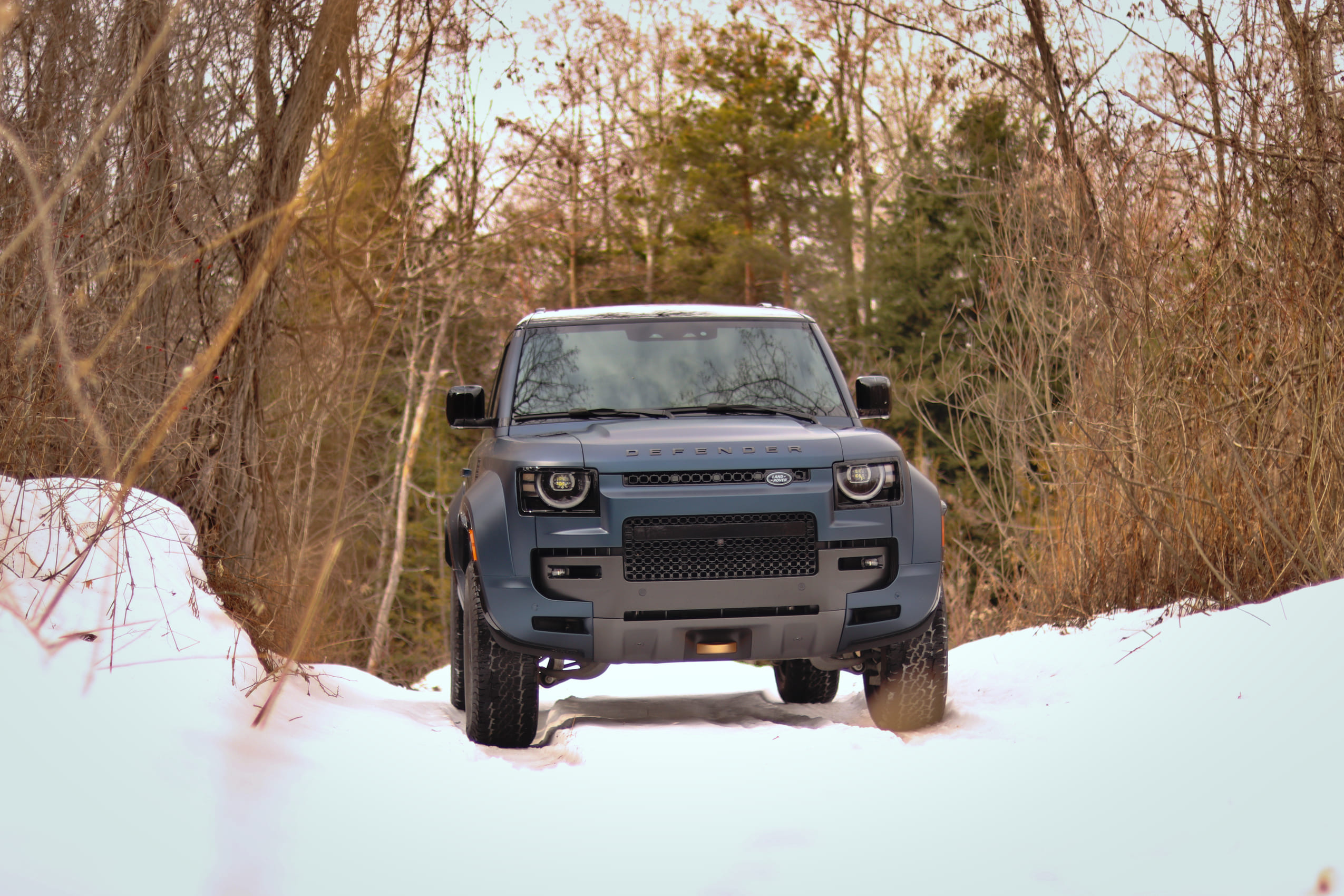
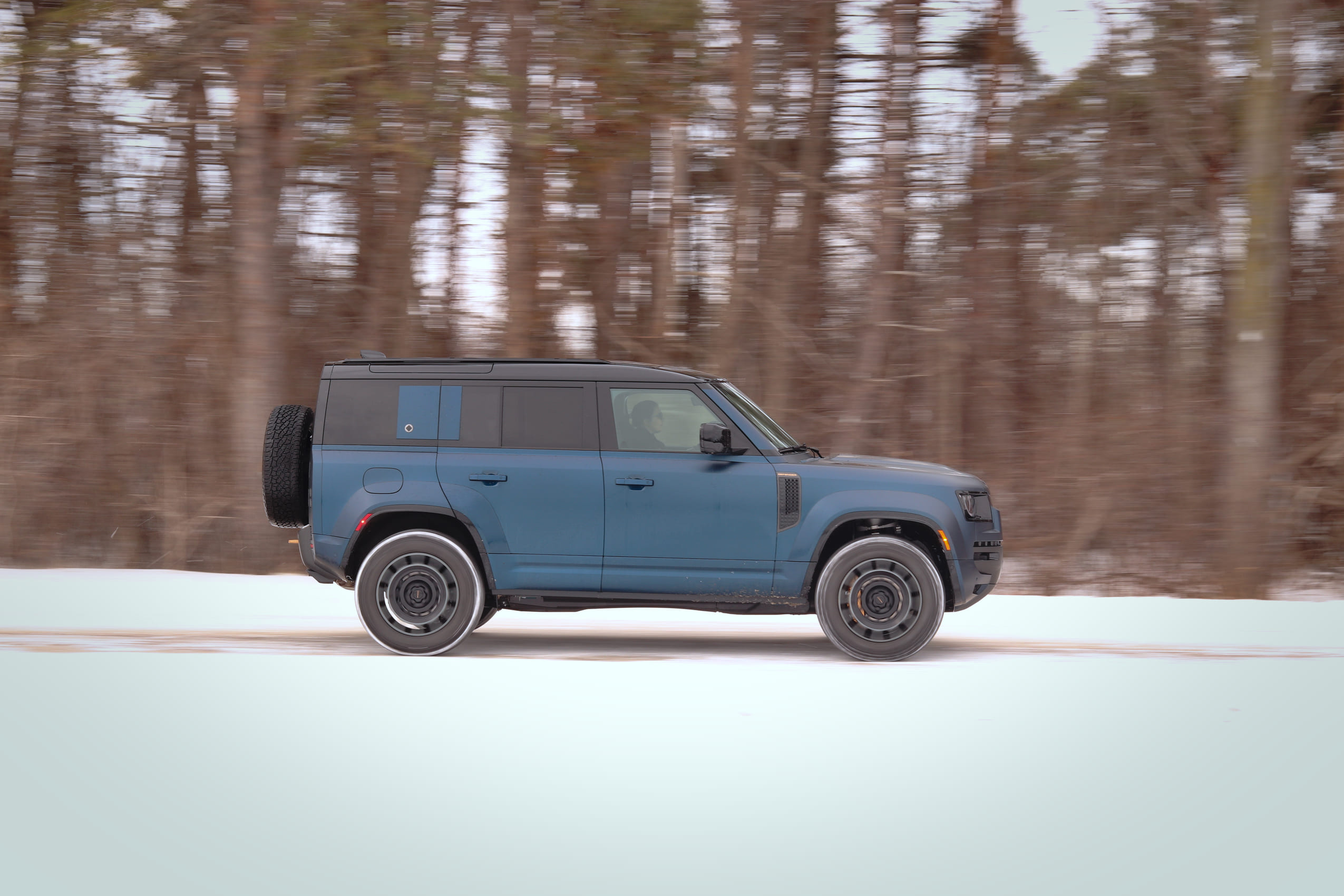
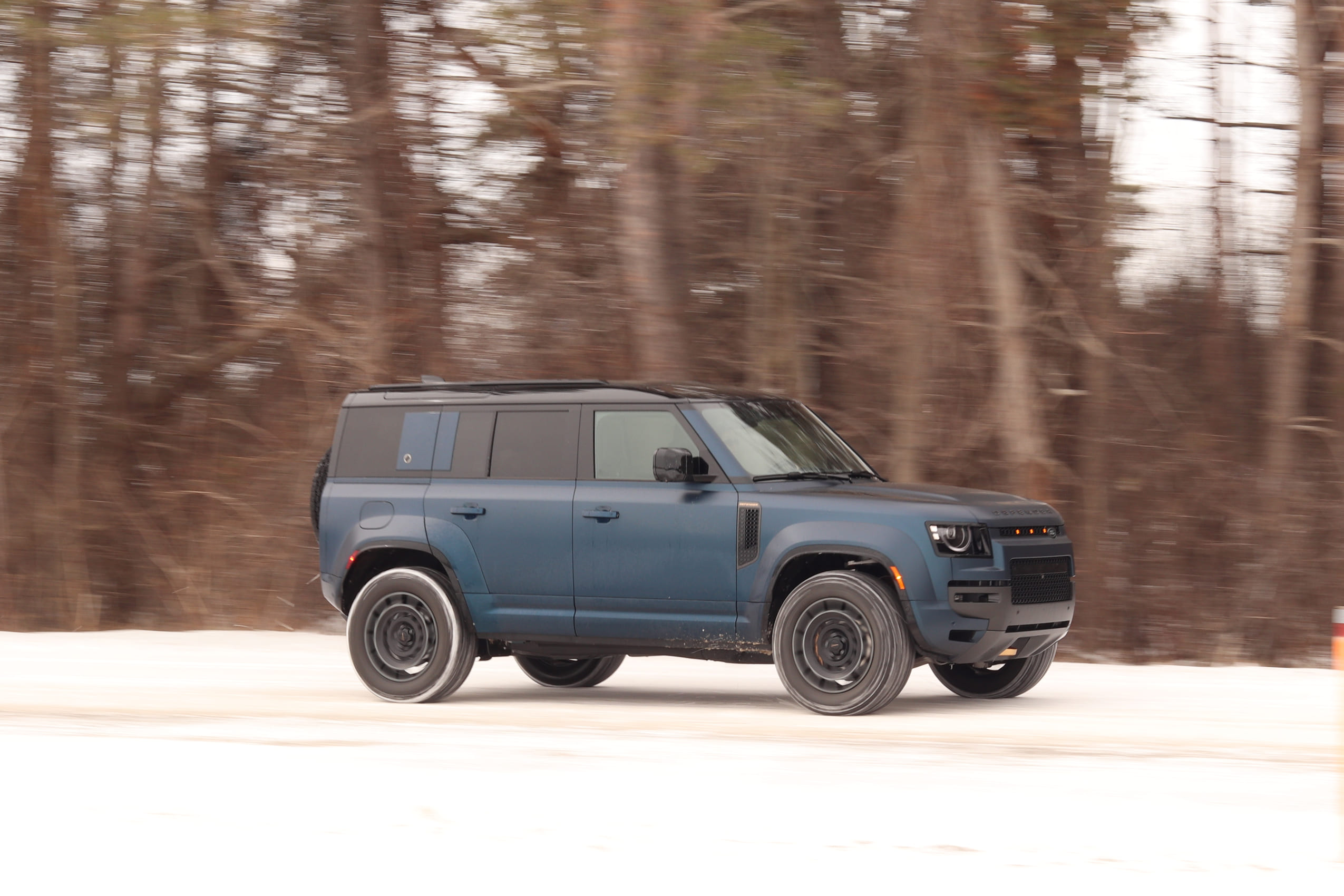
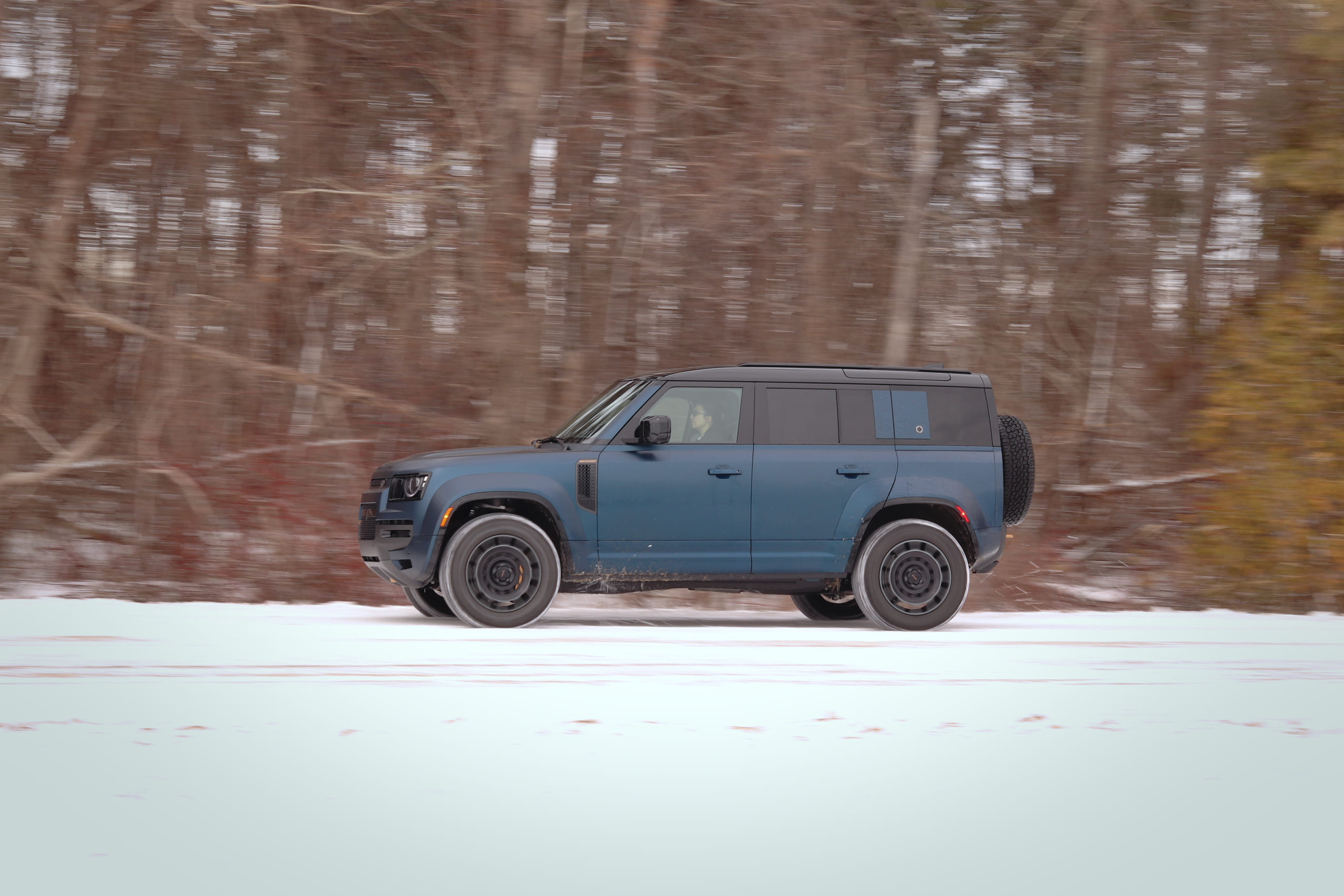
Driving this thing is a lesson in cognitive dissonance. In the daily grind, the 6D Dynamics suspension makes the OCTA feel less like a lifted off-roader and more like a high-riding executive sedan it glides over frost heaves and potholes with a spooky level of composure, masking its 5,500-pound heft with a steering rack that’s actually communicative. But bury your foot in the carpet, and the mild-hybrid V8 wakes up with a mechanical snarl that suggests it’s personally offended by the air in front of it, lunging torward the horizon with the kind of violence usually reserved for sports cars half its height.
The 2026 Defender OCTA is, quite frankly, a magnificent piece of overkill. It’s the answer to a question no one asked—”can you make a luxury tank that out-handles a hot hatch and out-climbs a mountain goat?”—and the answer is a resounding, expensive “yes.” While $200,000 Canadian is an eye-watering sum for a Defender, it undercuts the aging Mercedes-AMG G63 while offering a far more sophisticated chassis and a cabin that doesn’t feel like a jewelry box from 2012. It represents the peak of the internal combustion era: a wildly over-engineered, twin-turbocharged middle finger to physics that manages to be both a savage performance tool and a genuinely livable daily driver. It isn’t just the best Defender ever made; it’s the most complete realization of what a modern Land Rover should be—a brute in a bespoke suit that is just as comfortable at the edge of the world as it is at the valet stand.
Technical Specifications
| Engine | 4.4L Twin-Turbo V8 with Mild-Hybrid Technology |
| Combined Power Output | 626 hp / 553 lb-ft (up to 590 lb-ft with Dynamic Launch Pro) |
| Transmission | 8-speed Automatic |
| Drivetrain | All-Wheel Drive (AWD) with 2-speed Transfer Box |
| Performance (0-100 km/h) | 4.1 Seconds |
| Base Price | $198,000 CAD |
| Wading Depth | 1,000 mm (39.4 in) |
| Website | www.landrover.ca |
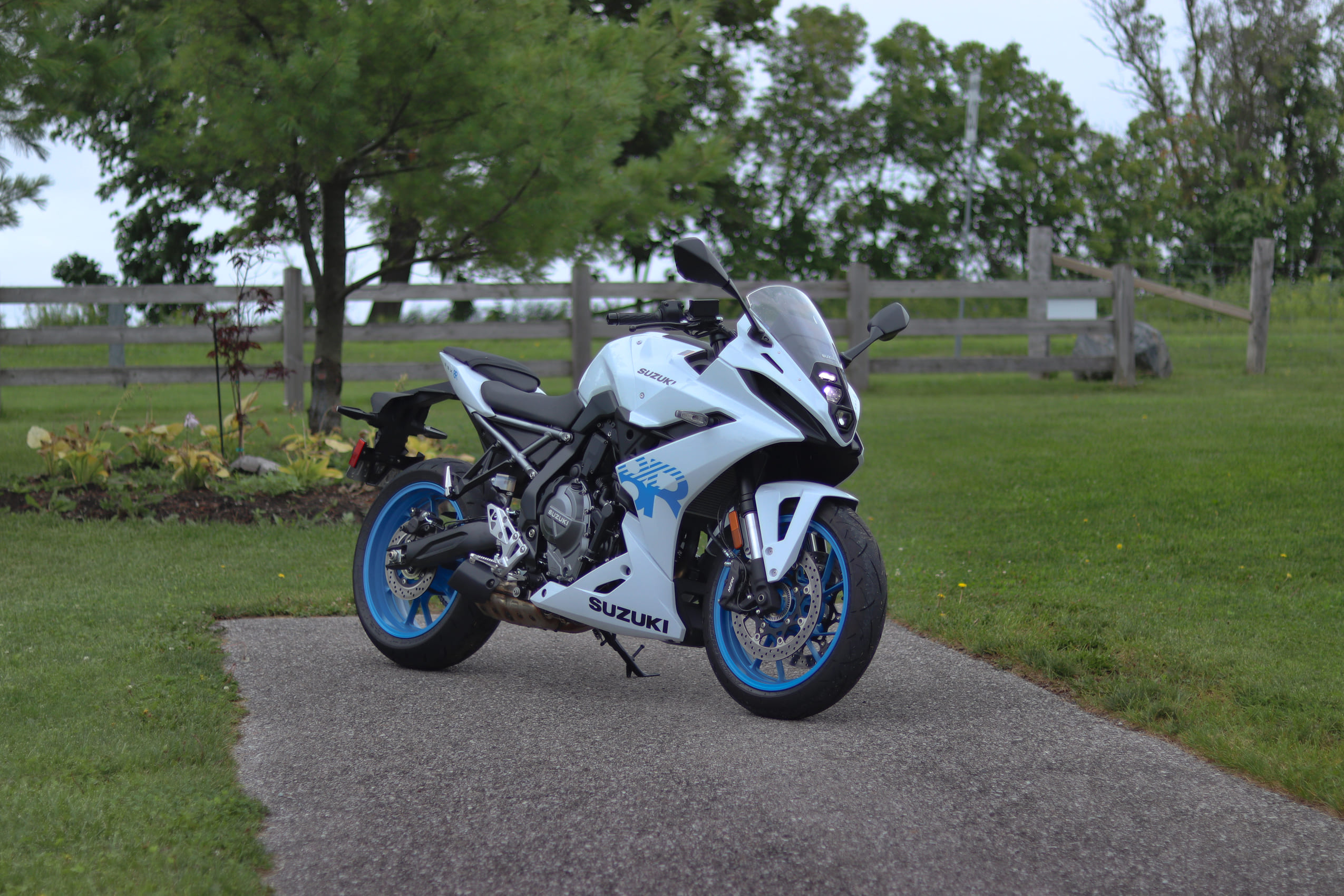
2026 Suzuki GSX-8R: The Middleweight Sport Bike Formula Done Right
The motorcycle world has spent the last decade trapped in a profoundly stupid dick-measuring contest, obsessed with building 200-horsepower, track-focused…


British Precision vs. Italian Violence: 2026 Ducati Streetfighter V2S vs.
Human beings are inherently absurd creatures, but nowhere is that absurdity more evident than in our willingness to strap our…
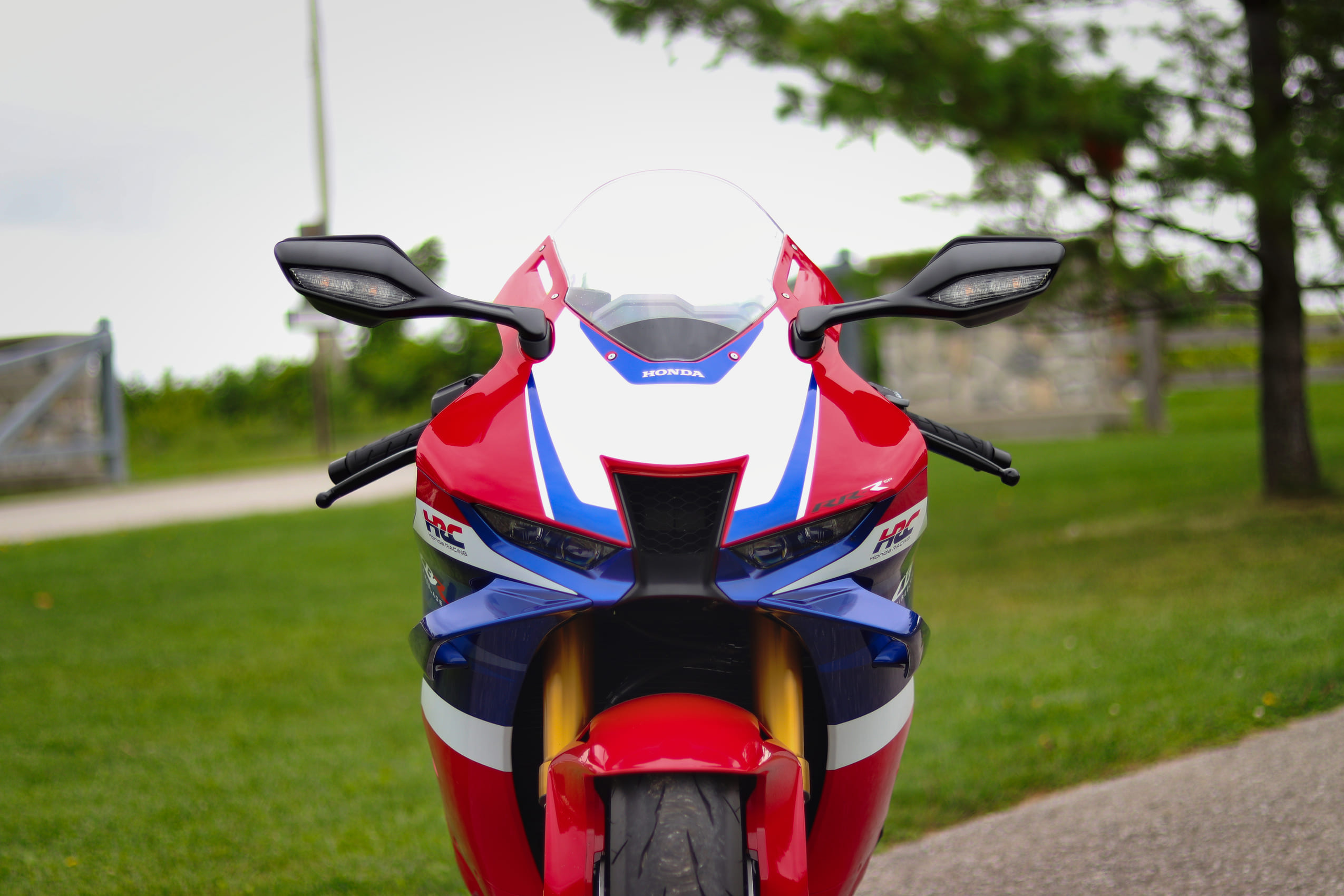
2026 Honda CBR1000RR-R Fireblade SP Review: Pure Mechanical Violence
The 2026 Honda CBR1000RR-R Fireblade SP is not a motorcycle; it is a clinical, unrelenting exercise in absolute mechanical insanity…
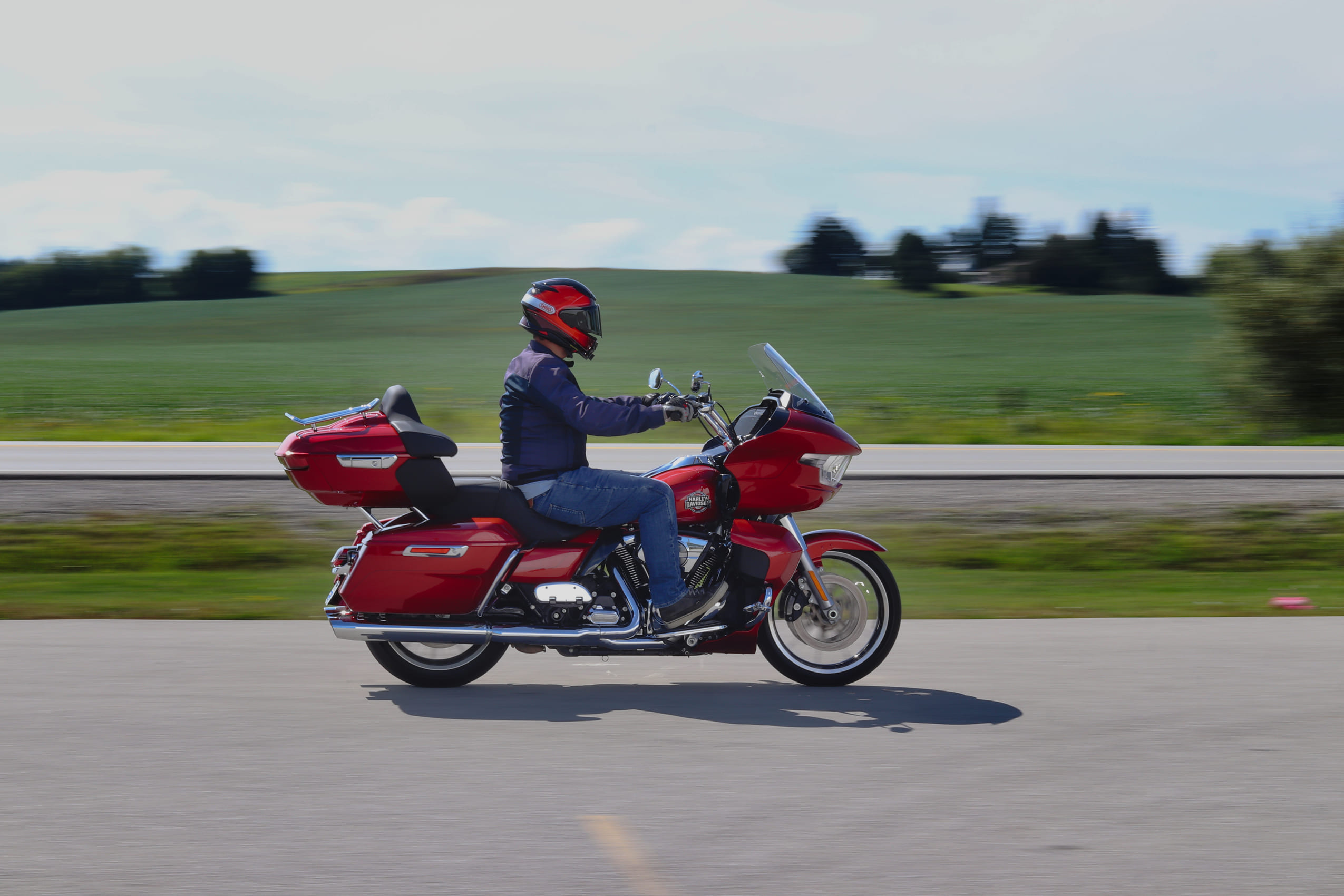
Sharknose Supremacy: Driving the 2026 Harley-Davidson Road Glide
Let’s get one thing straight: the 2026 Harley-Davidson Road Glide shouldn’t make sense. It’s a rolling, 800-pound contradiction—a massive, frame-mounted…
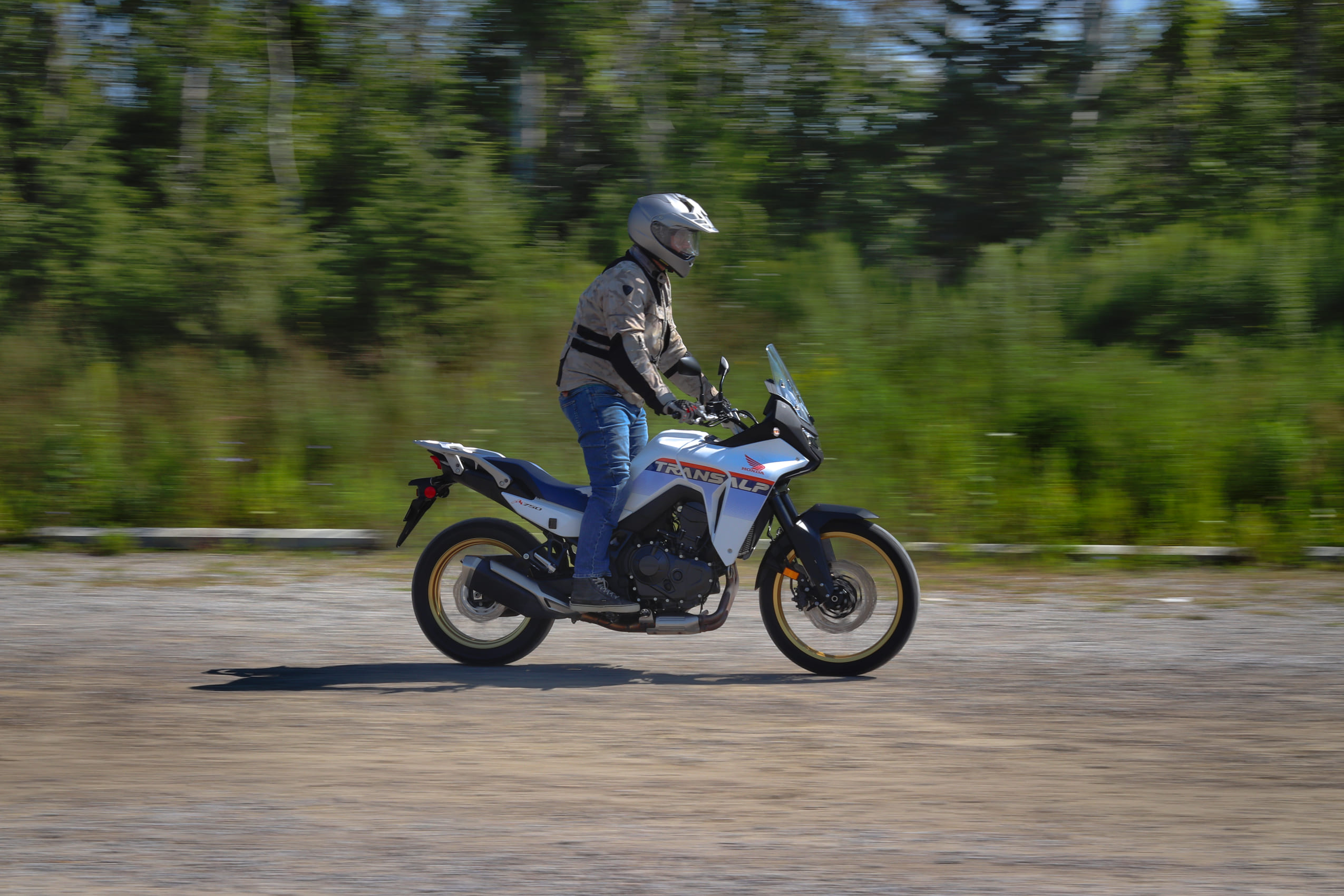
The Anti-ADV Hero: Why the 2026 Honda Transalp is the
Leave it to Honda to look at the entire, absurdly over-engineered, $25,000 middleweight adventure segment—a market flooded with hyper-focused rally…
2026 Suzuki V-Strom 800DE: No V-Twin, No Problem
Words are supposed to mean things. The “V” in V-6 means a V-layout, and for two decades, the “V” in…