It is a biological impossibility to look at a 620-pound, radar-guided Bavarian land-yacht and think, “Ah, yes—what this needs is a slightly more aggressive riding position and an automated clutch that shifts for me while I drink coffee.” And yet, here we are. The 2026 BMW R1300RT arrives not as a quiet evolution of Munich’s venerable mile-muncher, but as a clean-sheet, 145-horsepower middle finger to the notion that sport-touring motorcycle should lean heavily on the “touring” and apologize for the “sport.”
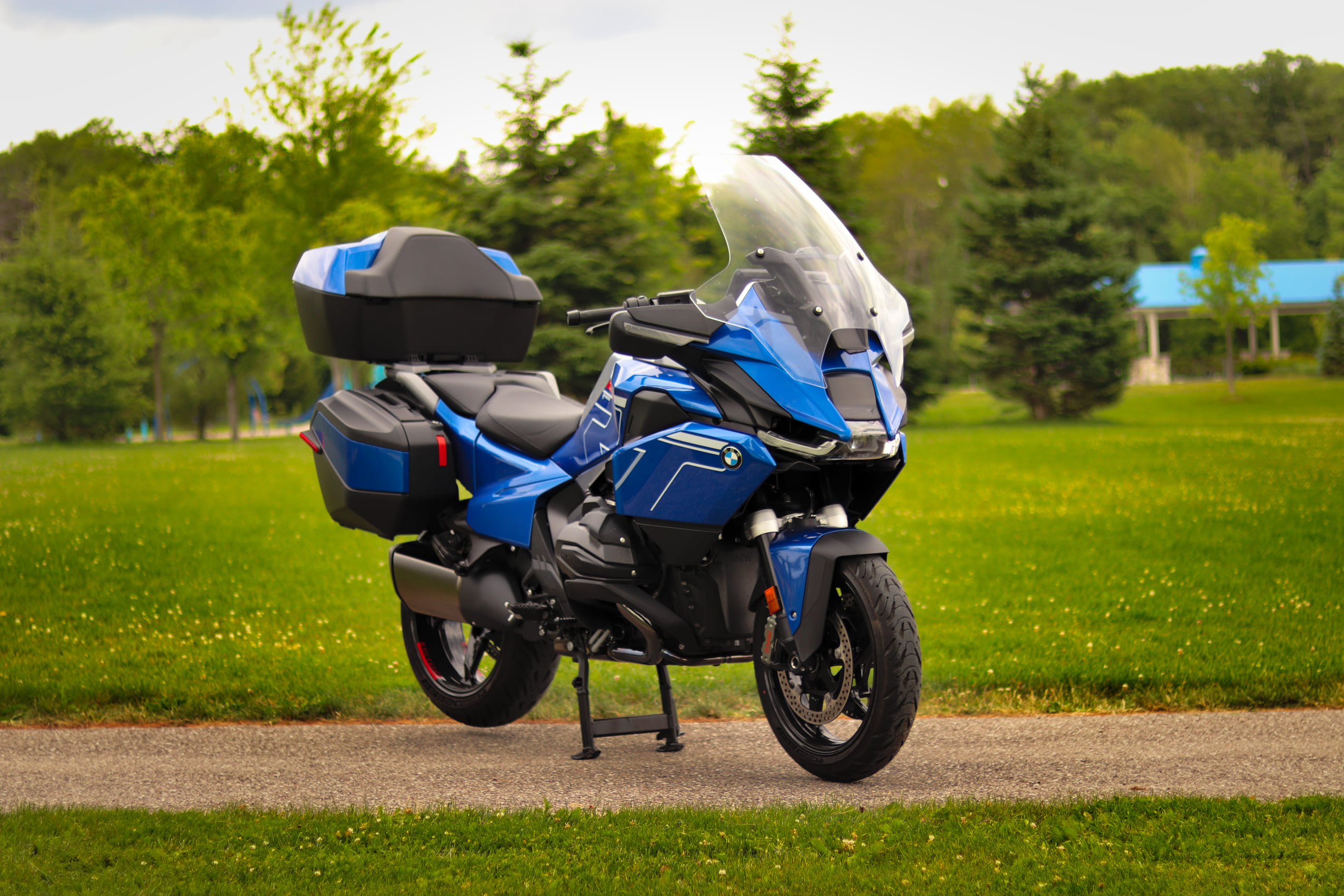
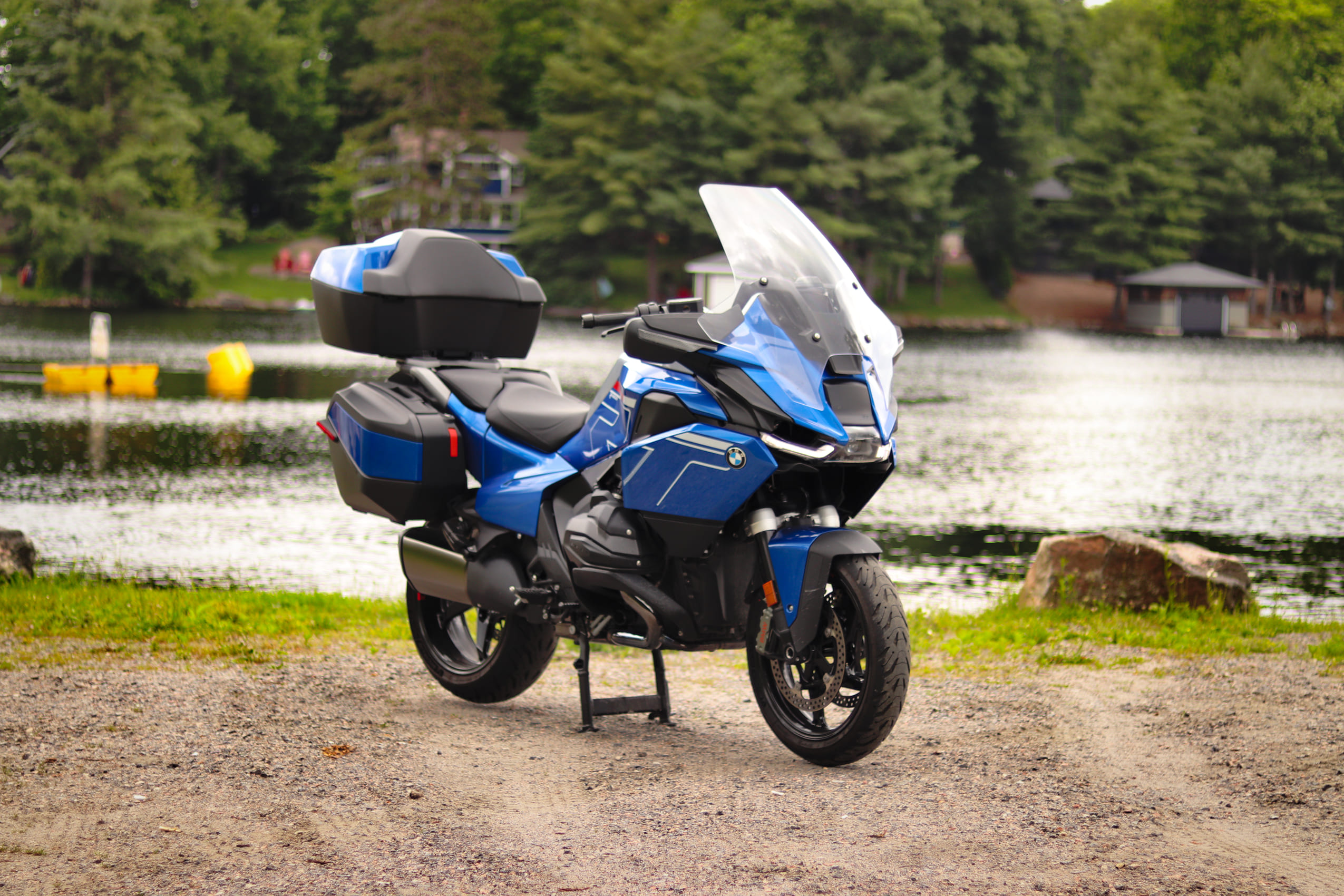
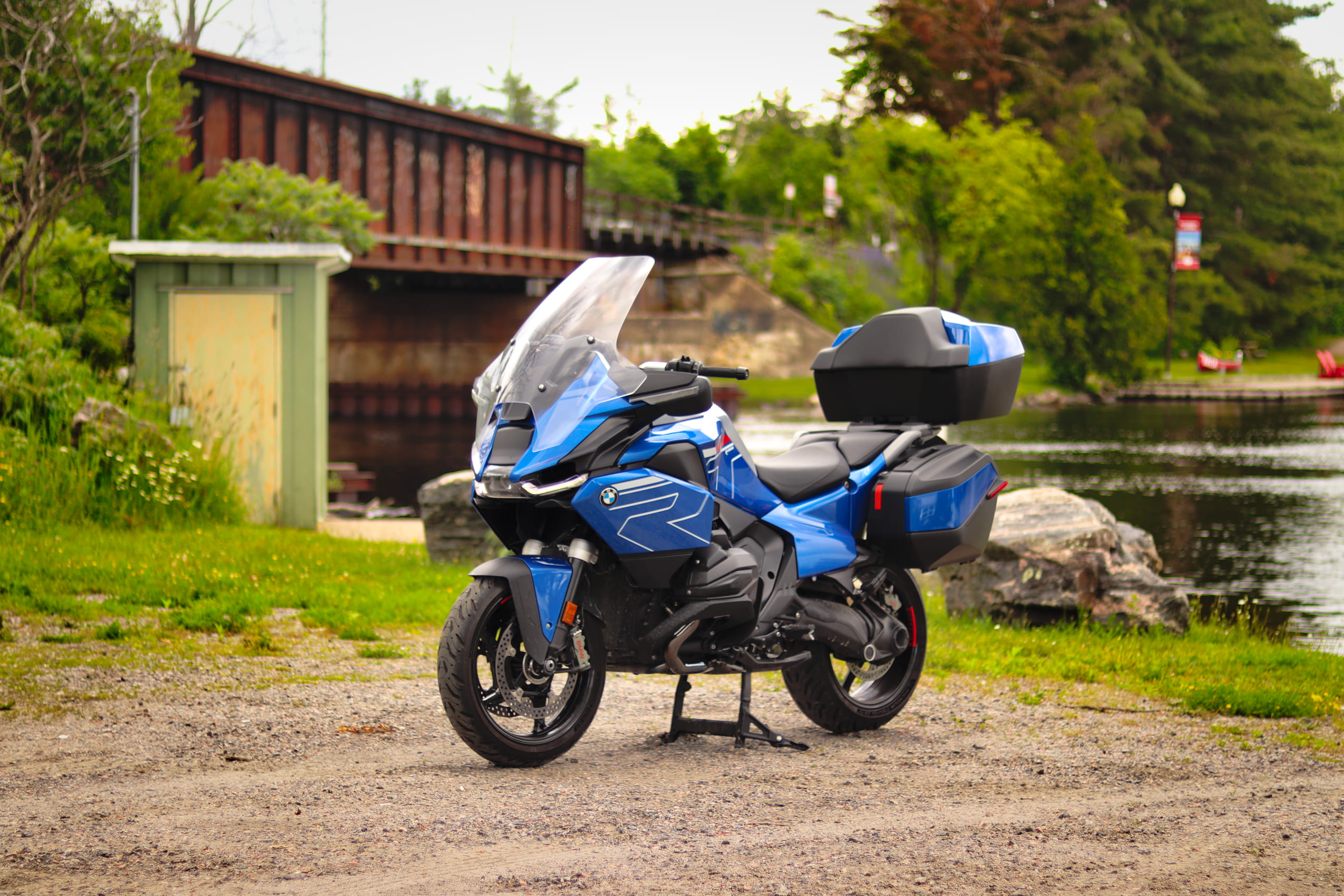
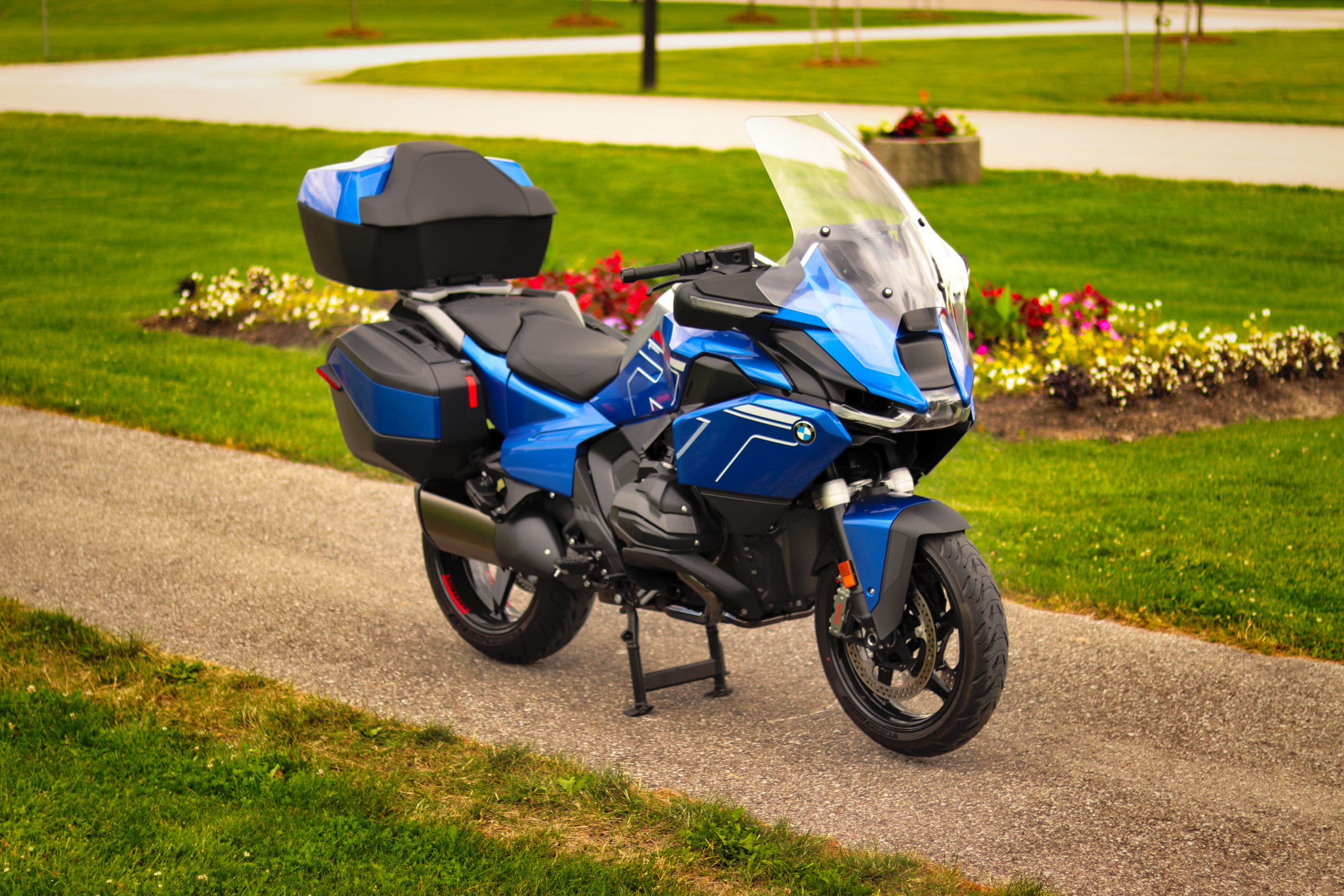
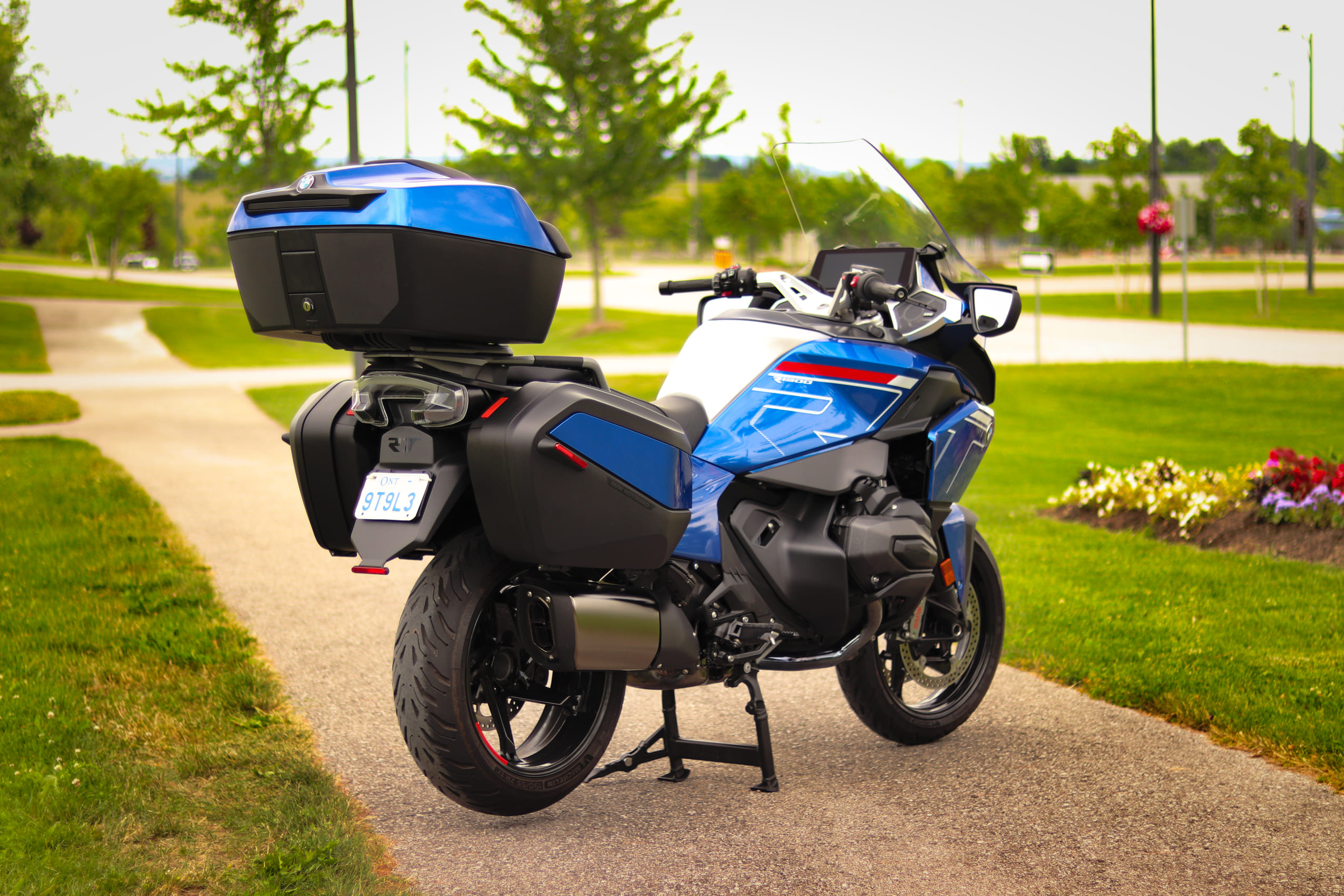
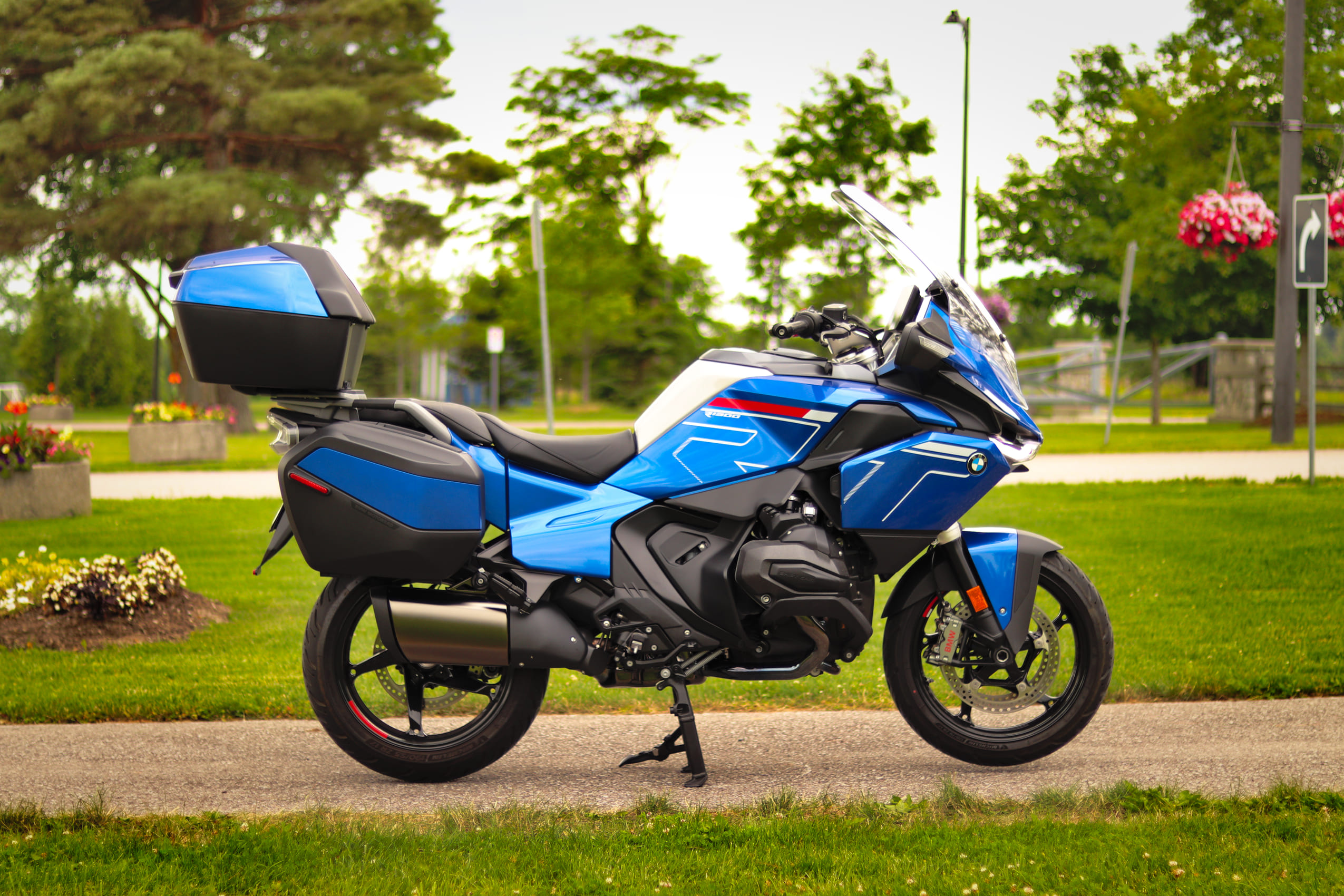
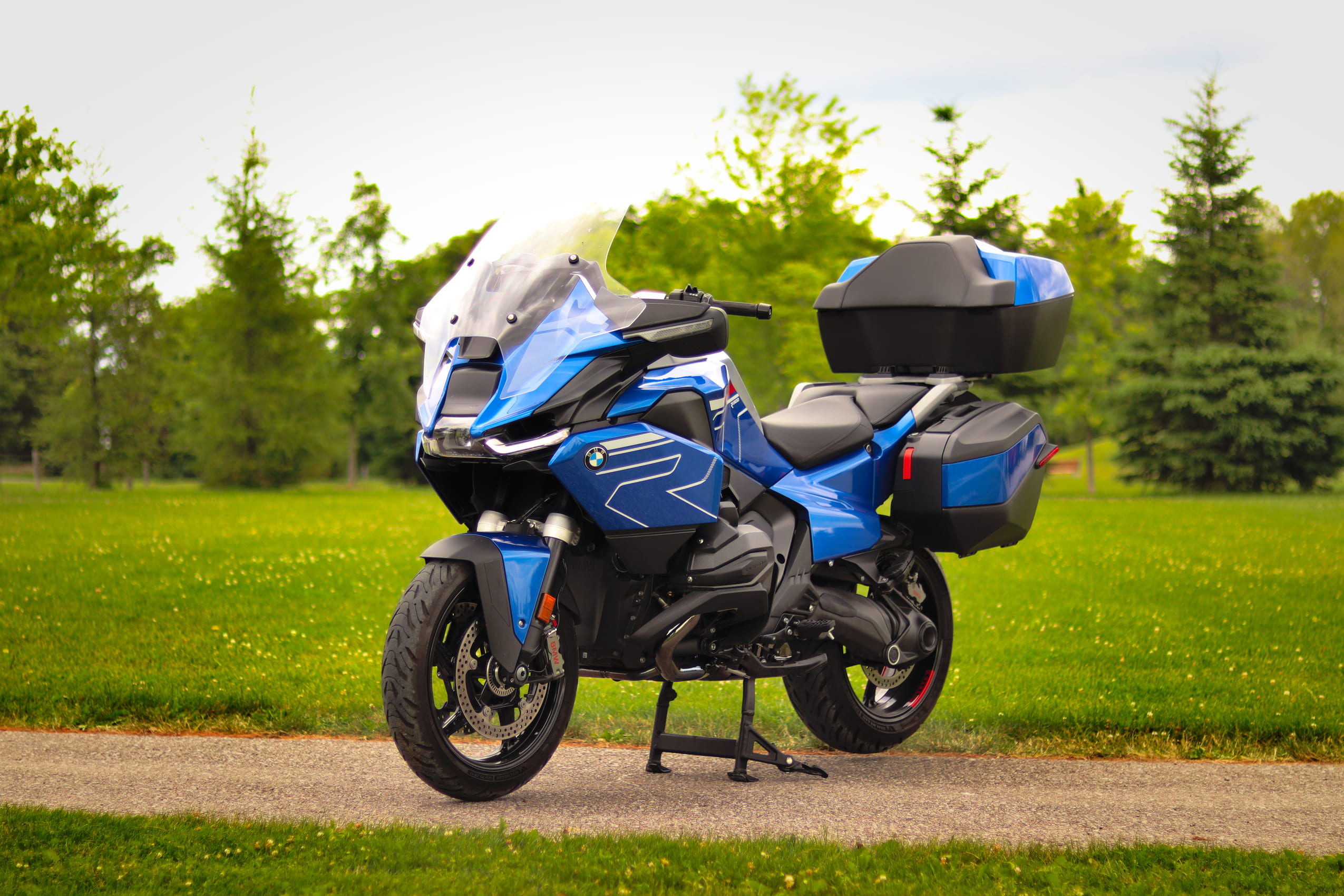
For decades, the design brief for the RT was deceptively simple: take a bar loungewear set, melt it over a pair of opposing cylinders, and make sure it looks like something an Austrian highway patrolman would use to intercept a getaway car. The outgoing R 1250 RT was undeniably capable, but visually, it possessed all the aggressive posture of a leather-clad refrigerator. The R1300RT completely bins that design philosophy.
Gone is the bulbous, top-heavy front end that made the old bike look like a hovercraft wearing a helmet. BMW’s design team put the RT on a strict regimen of mechanical intermittent fasting. The new sheet-metal main frame and cast-aluminum rear section allowed them to pull the entire bodywork tighter against the mechanicals. The front fairing is visually pinched, pushing the intake nostrils lower and tucking the radar sensor array into the nose so seamlessly it no longer looks like a plastic aftermarket radar detector glued on as an afterthought. The profile now features a continuous “flyline”—a sharp, rising crease running from the fuel tank down into a flattened rear section that makes the bike look like it’s leaning forward even on its center stand.
Because this is modern Munich, every body panel has a secondary job in aerodynamic physics, and the RT’s visual quirks aren’t just aesthetic choices; they’re air management devices. Tucked beside the electrically adjustable windscreen are twin motorized aero flaps. At highway speeds, they deploy outward like tiny winglets, carving a low-pressure envelope around the rider’s shoulders so your visor doesn’t buzz. Meanwhile, the top of the fuel tank drops lower toward the seat, moving your ribcage closer to the handlebars and front wheel. Visually, it drops the center of mass; functionally, it turns your upper body into part of the front suspension’s feedback loop.
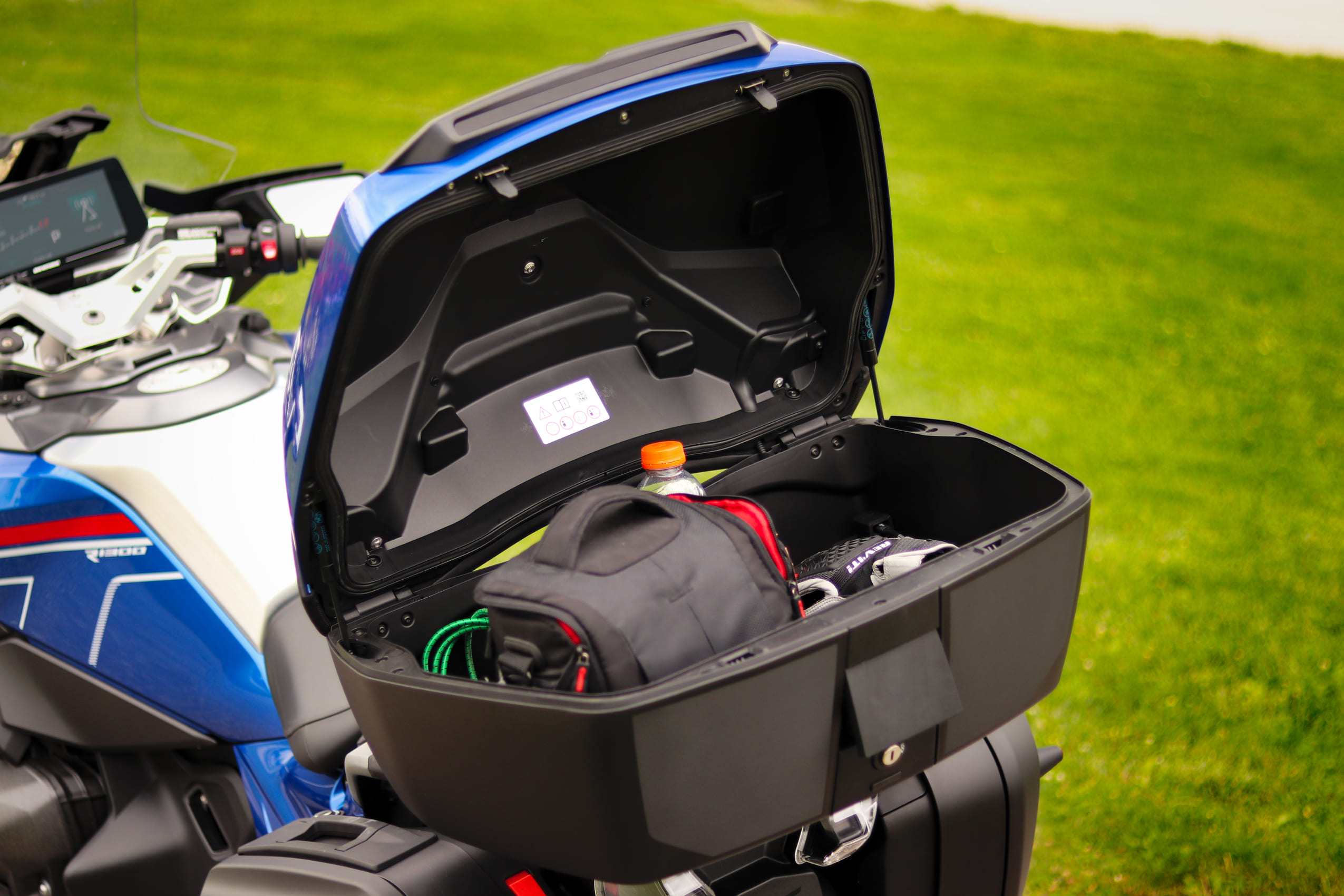
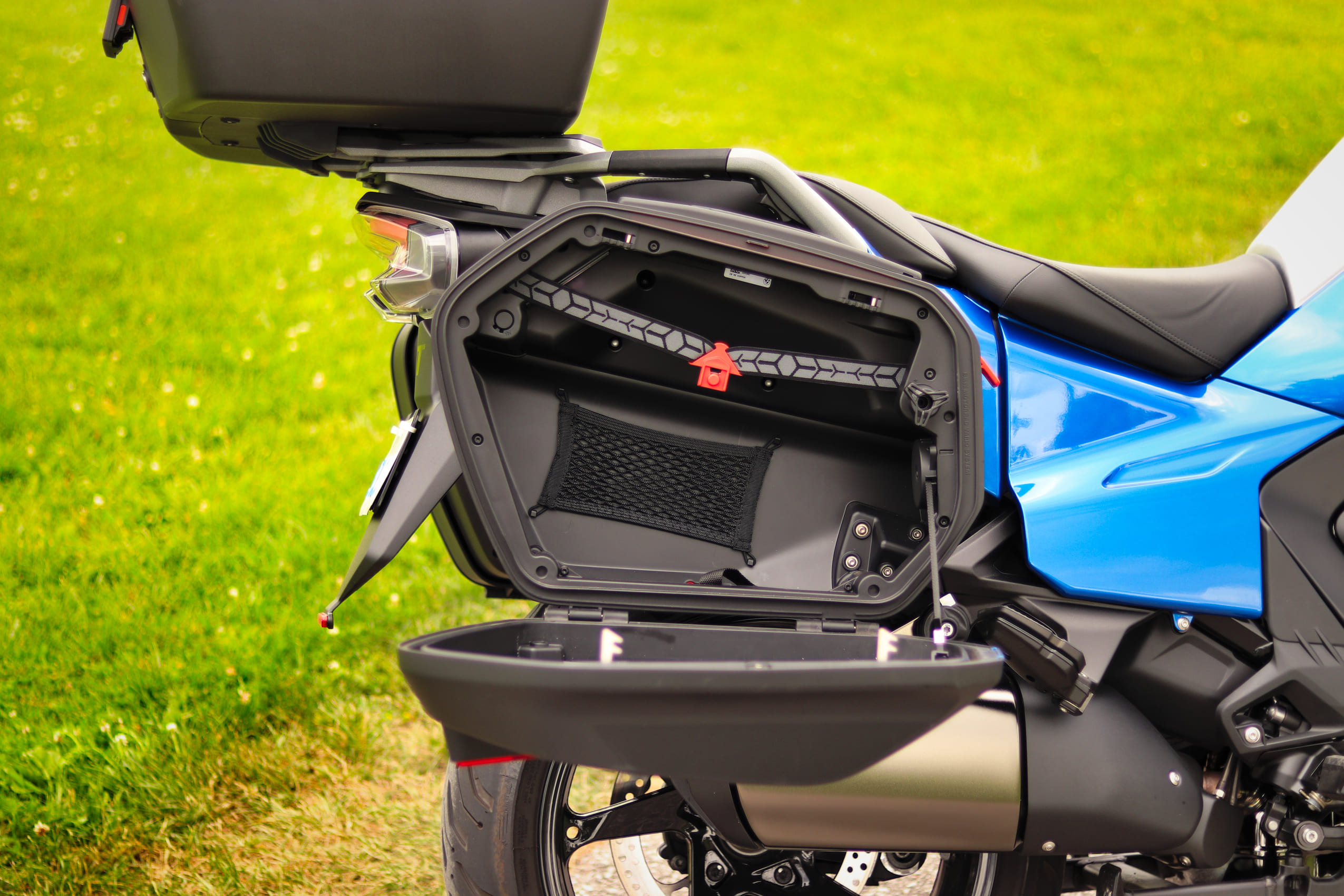
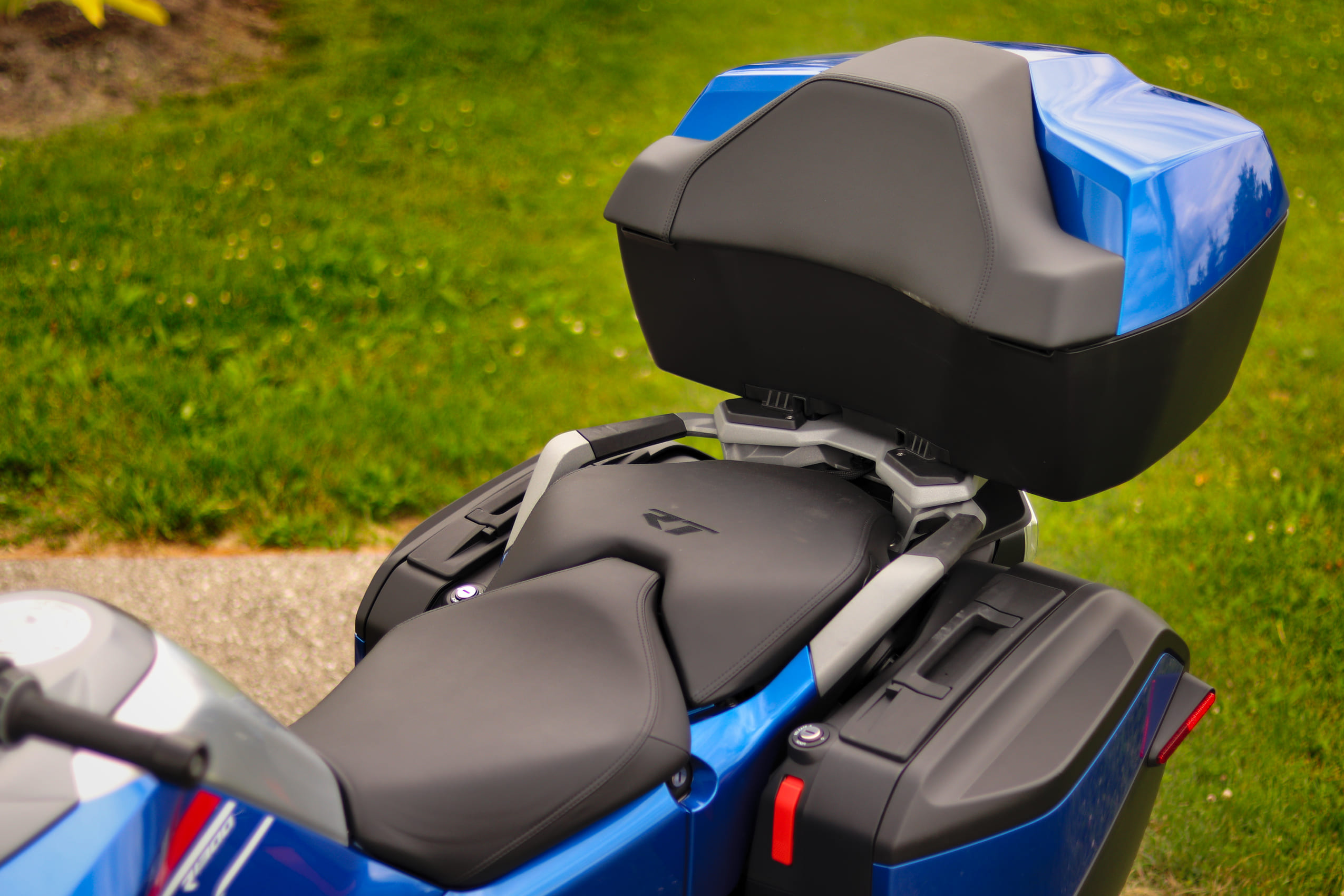
Even the luggage has been dragged into the modern era. The R1300RT’s side panniers no longer look like plastic suitcases grafted onto a commuter rail car. They sit flush against the subframe, feature integrated ambient interior lighting, and mechanically expand from 27 to 33 liters with the push of a button—slimming the bike’s rear track by several inches for filtering through dense traffic. By relocating the transmission beneath the crankshaft rather than behind it, the rear section of the bike has been utterly gutted. The single-sided EVO Paralever swingarm and rear wheel are completely exposed, leaving the back end looking surprisingly lightweight, muscular, and clean. It no longer screams “retired dentist heading to Banff.” The new model looks trim, taut, and almost menacingly athletic—like a sport bike that went to graduate school and learned how to pack a suitcase.
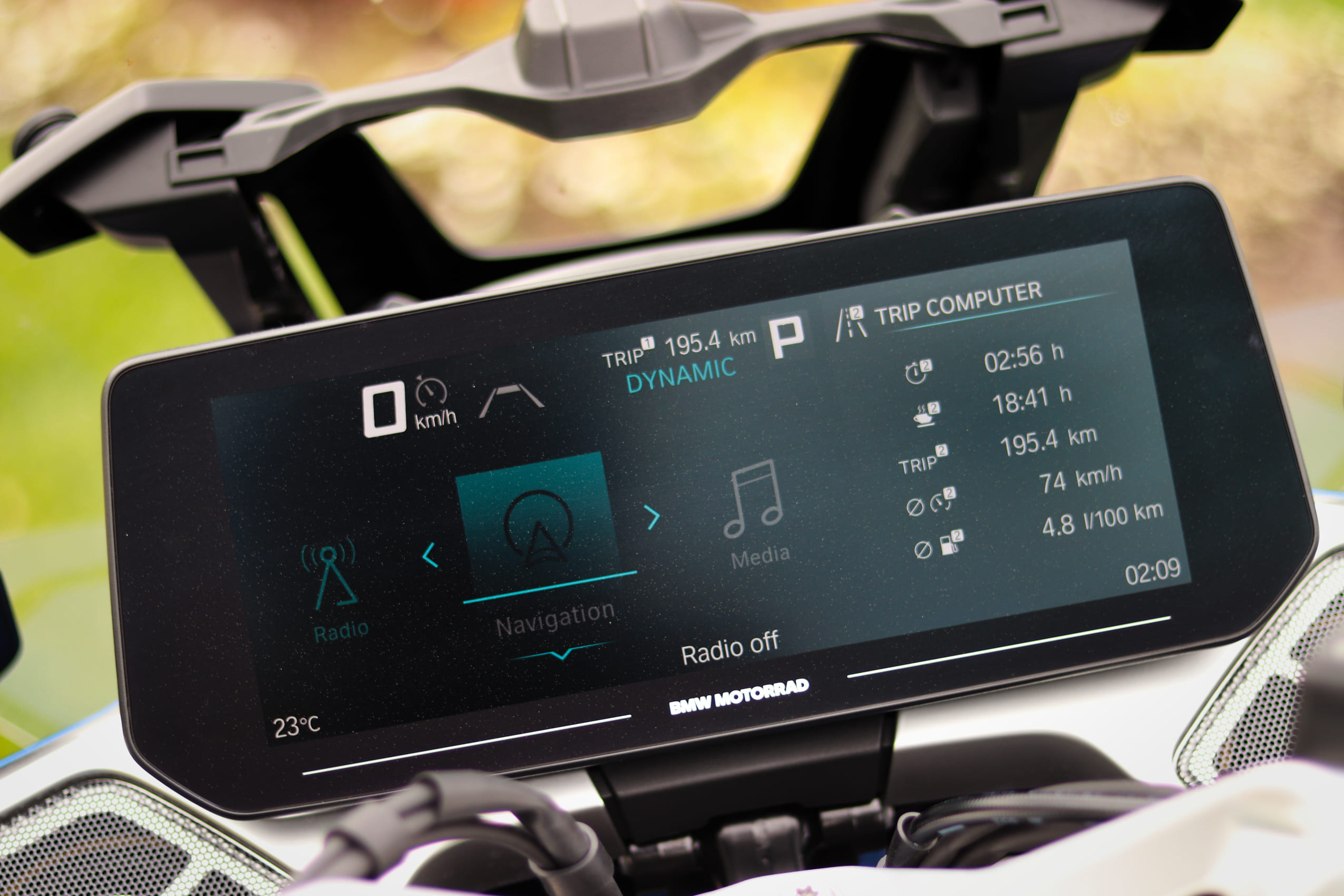
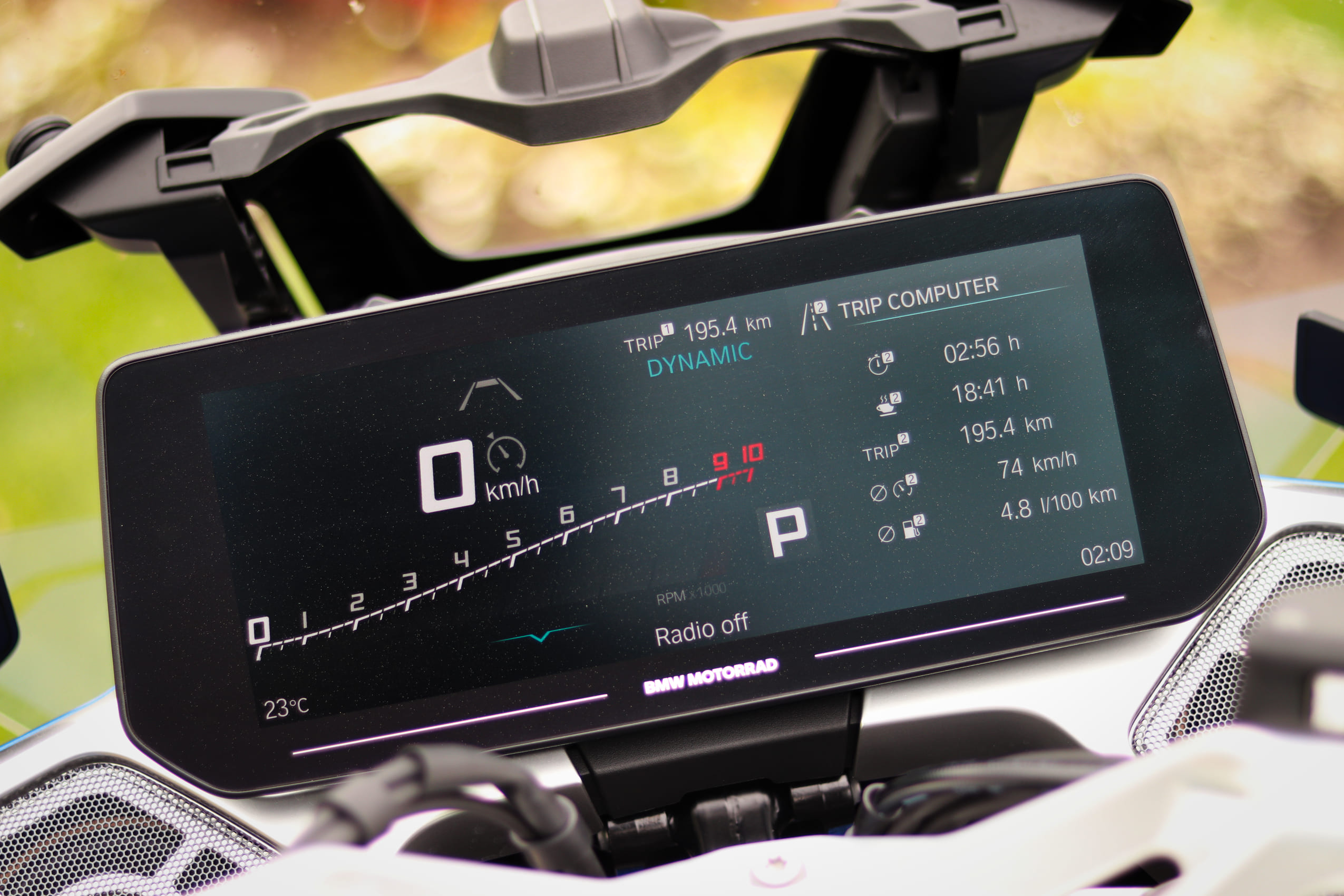
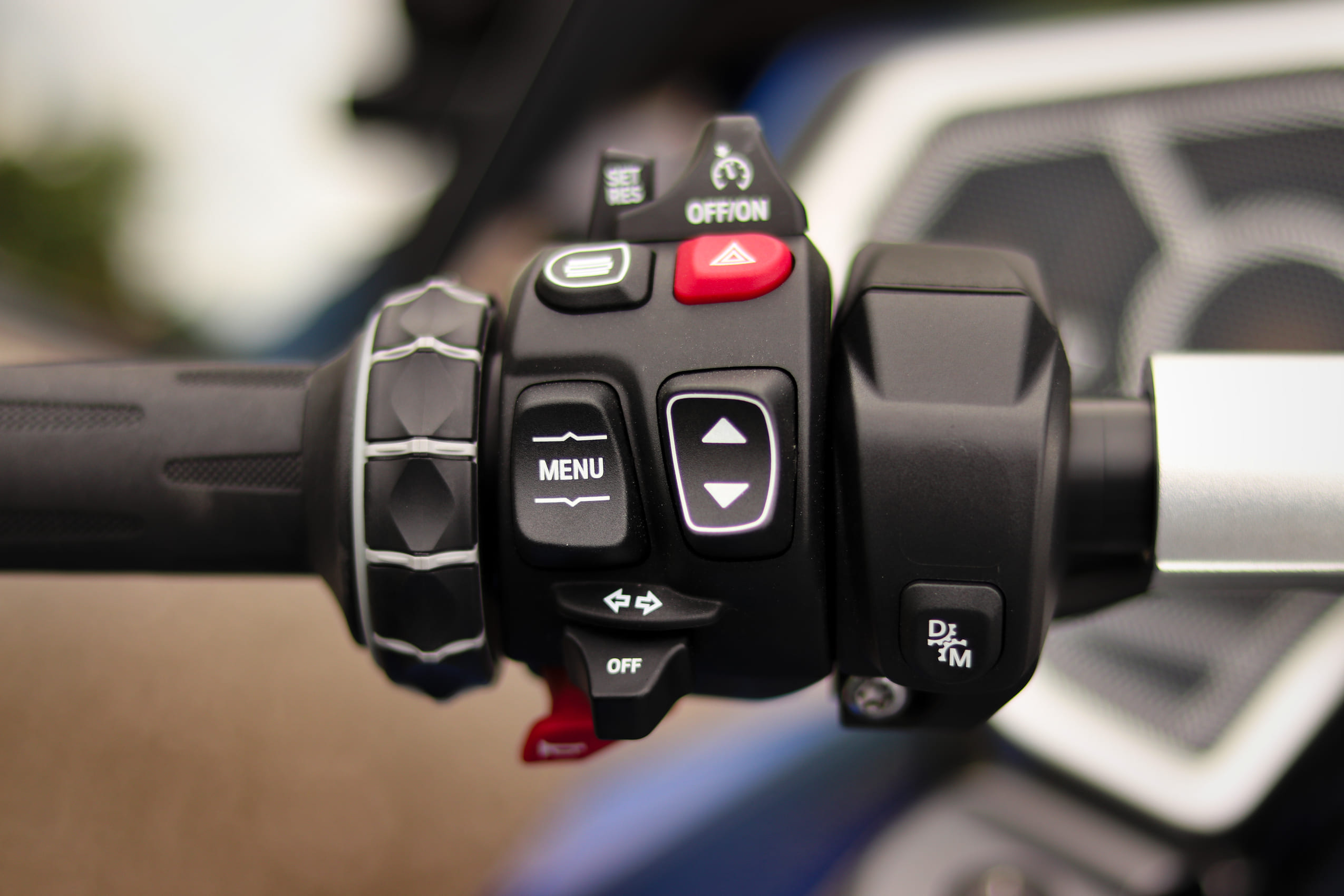
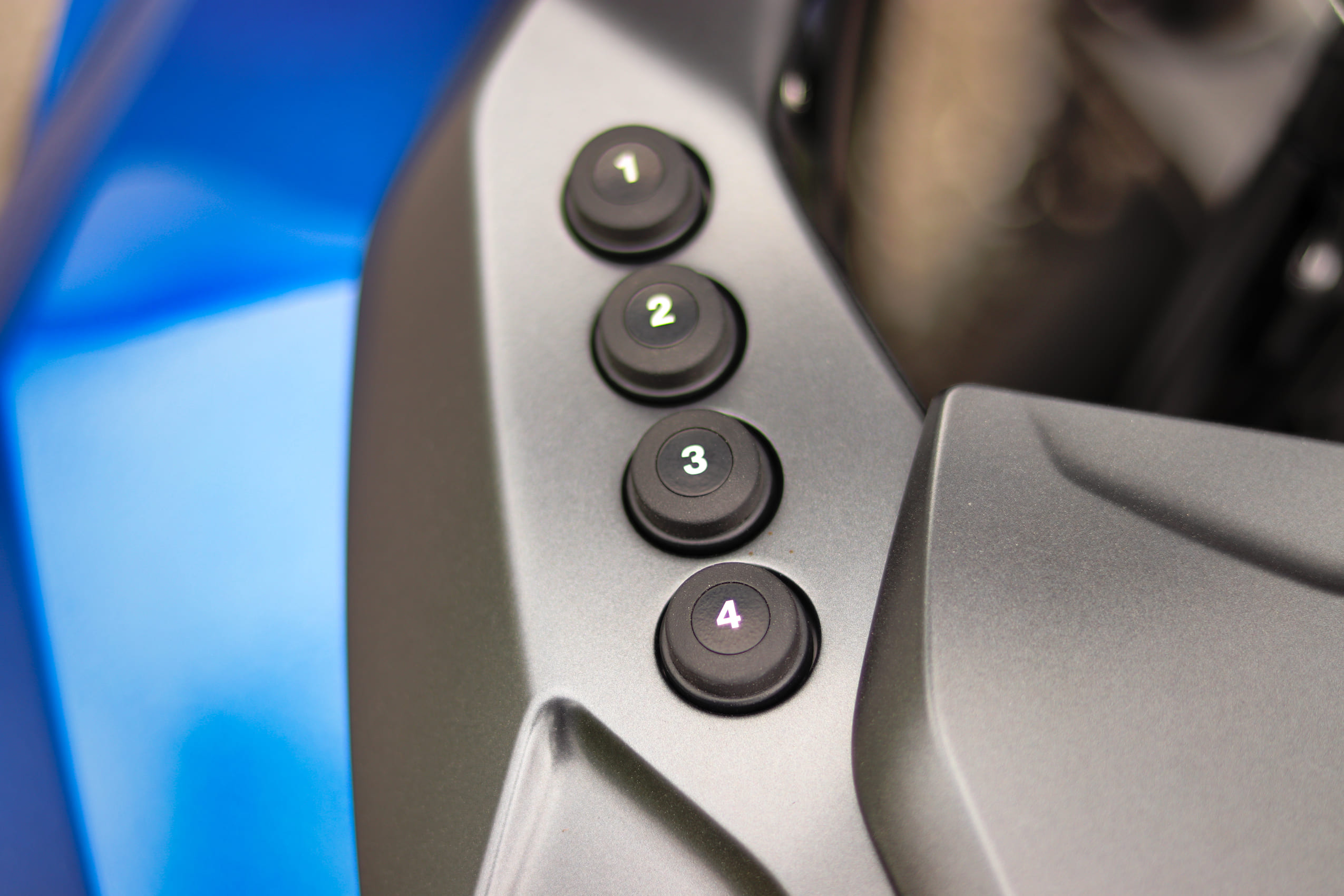
The cockpit of the R1300RT is pure digital overkill—a 10.25-inch ultrawide TFT dash yanked straight from BMW’s automotive line, displaying everything from lean angles to full-screen GPS with crisp, high-res punch. Navigating its labyrinthine menus still relies on the iconic click-wheel on the left handlebar, which can feel like trying to solve a Rubik’s cube at 80 mph. Thankfully, Munich added physical, customizable shortcut buttons to instantly toggle your favorite functions—like seat heat, active radar cruise, or suspension damping—without diving through endless sub-menus.
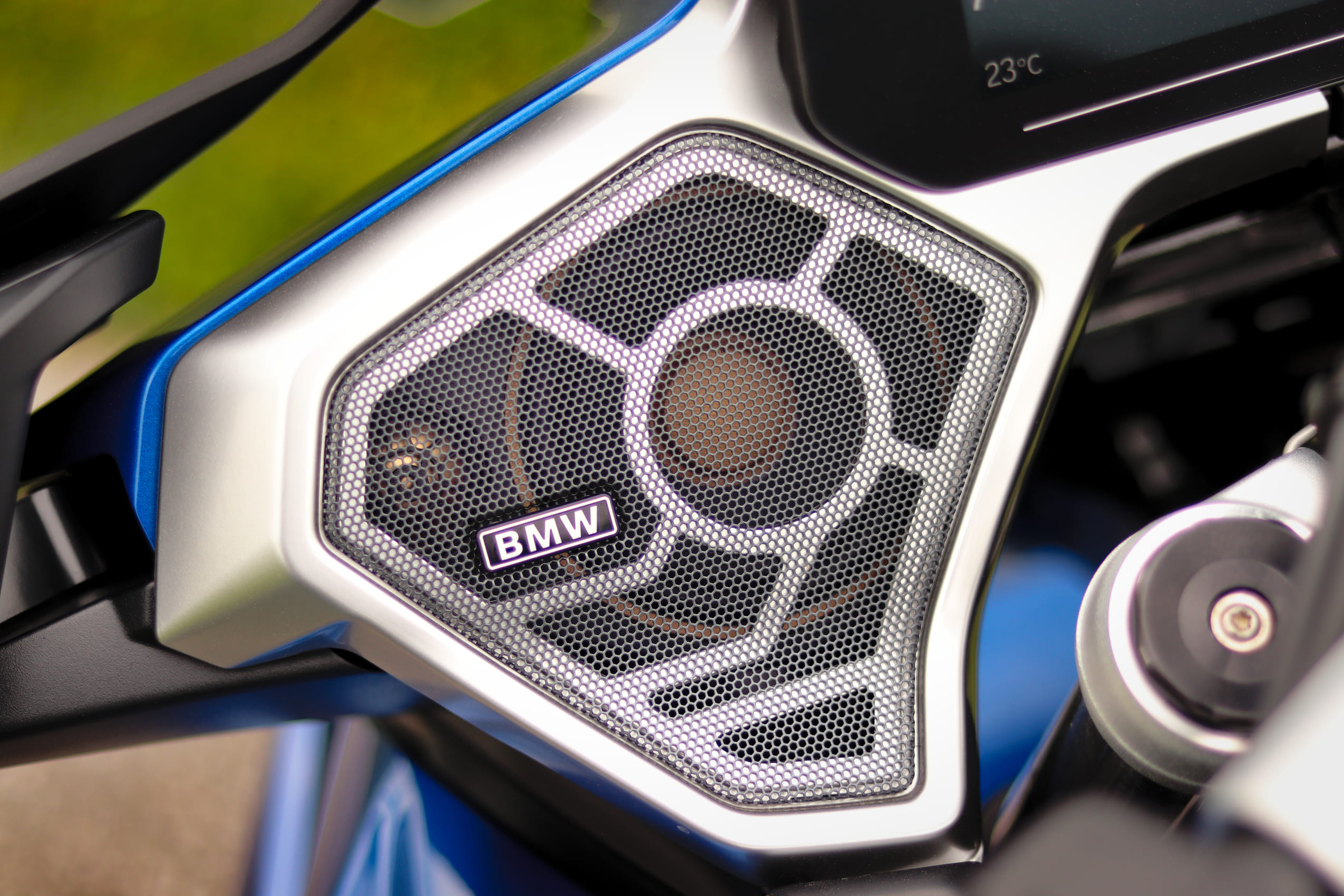
Audio is handled by a redesigned, high-output speaker system that uses smart equalization to blast clear, un-muffled sound right through wind noise, even at interstate speeds. Add in a dedicated smartphone cubby with built-in cooling fans and inductive charging, and the RT’s tech somehow manages to make controlling a 620-pound rolling supercomputer feel effortlessly intuitive instead of wildly overwhelming.
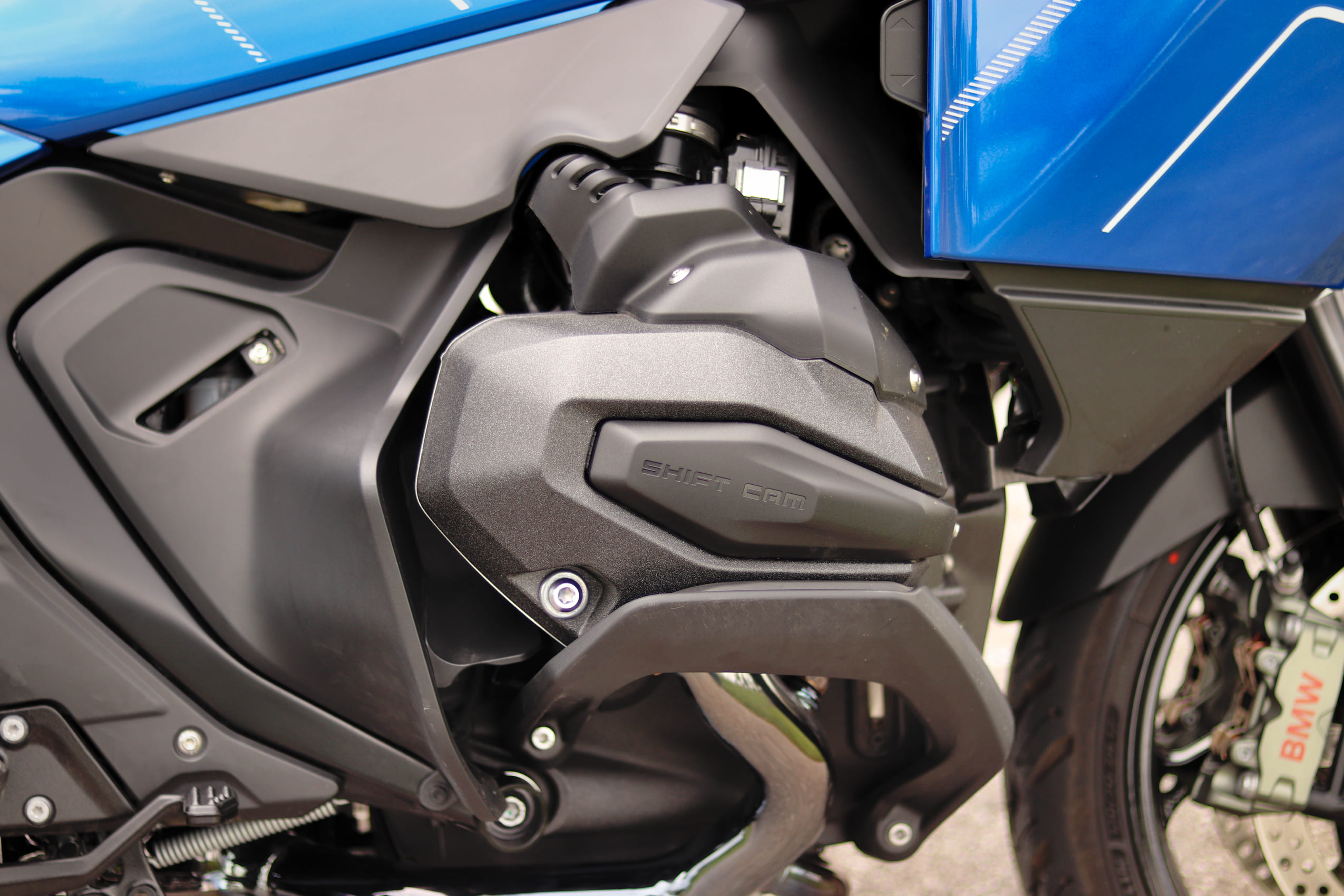
Under the hood—or rather, sticking out prominently from the sides—is the absolute crown jewel of Munich engineering: the updated 1,300cc ShiftCam boxer twin. It churns out a thumping 145 horsepower and 110 lb-ft of torque, numbers that sound respectable on paper but feel downright violent when you roll on the throttle out of a tight hairpin.
Thanks to variable valve timing, the R1300RT’s engine operates like it has dual personalities: smooth, linear, and completely docile down low, but turning into a ferocious, high-rpm grunt monster the moment you cross 6,000 RPM. Power is funneled to the rear wheel through a stiffened EVO Paralever shaft drive that eliminates rear-end squat under hard acceleration, keeping the chassis perfectly flat while you feed it throttle.
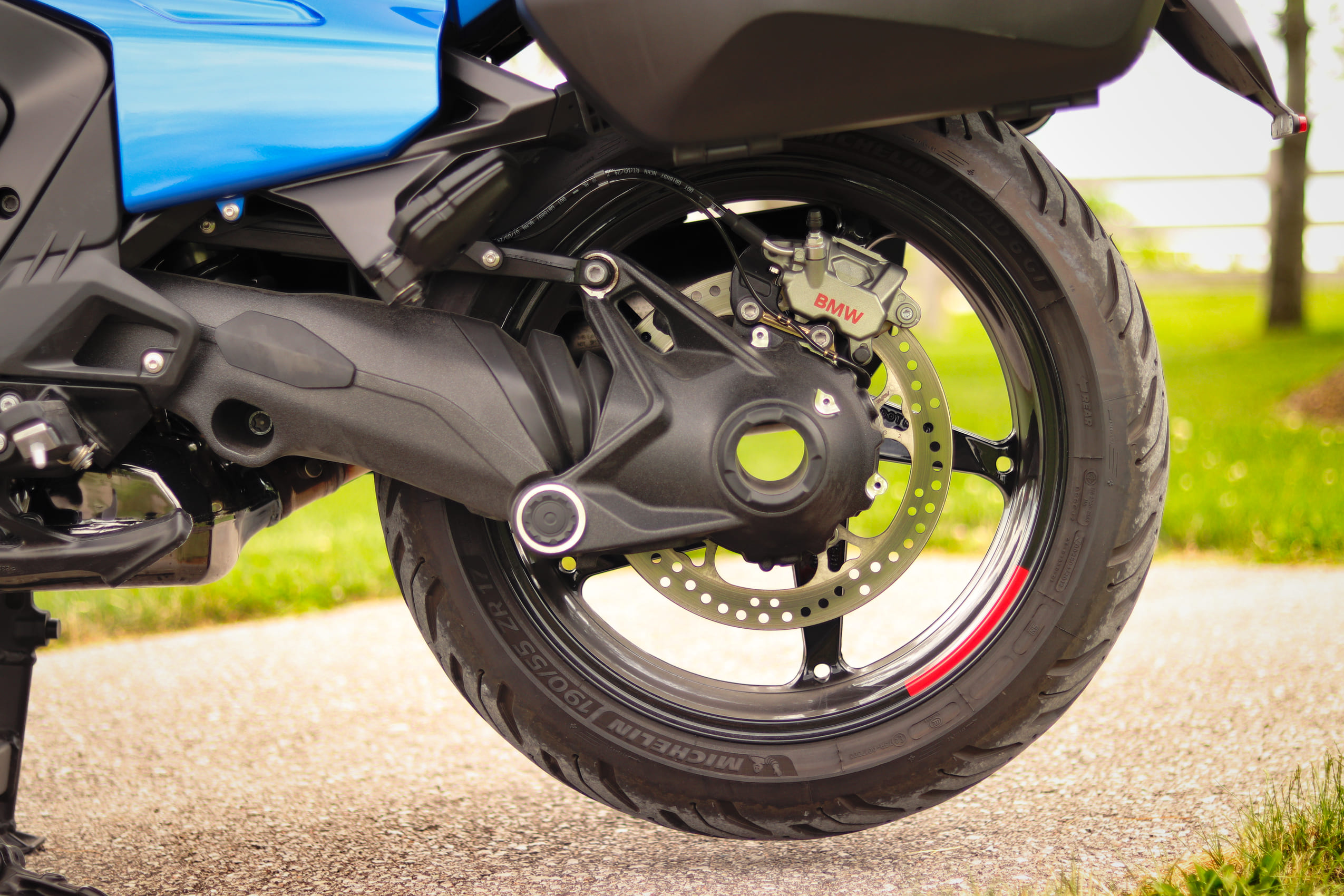
The real party piece, however, is how that power gets transmitted. You can stick with the lightning-quick ShiftAssistant Pro quickshifter for clutchless manual snaps, or opt for the new Automated Shift Assistant (ASA). ASA completely deletes the clutch lever, using electromechanical actuators to handle gear changes seamlessly—whether you’re clicking through ratios manually or letting the bike auto-shift in traffic. Tie that to a radar-guided Adaptive Cruise Control system that handles braking and distance-keeping on the highway, and you get a powertrain that seamlessly switches between effortless long-distance cruiser and an aggressive, canyon-carving weapon at the flick of a wrist.
On paper, a 620-pound touring rig shouldn’t be this much fun on a twisty road, but the moment you swing a leg over the lower, more accessible seat, the RT makes its case. The R1300RT’s ergonomics strike a brilliant middle ground—upright enough to save your lower back during a 500-mile stint, yet with a subtle forward tilt that hooks your knees right into the tank’s reshaped cutouts. Naturally, the creature comforts are top-tier: the multi-stage heated grips will practically cook a sausage, and the heated seat delivers even, deep-tissue warmth instead of just scorching a small patch of your jeans.
Once you push past city limits, the chassis dynamic becomes genuinely fascinating. The R1300RT’s front EVO Telelever suspension remains the ultimate double-edged sword—because it completely separates steering inputs from braking forces, you don’t get much traditional tactile feedback through the grips, but the sheer mechanical grip it generates is absurd. It feels ridiculously planted in turns, leaning over on its side with a serene, unshakable composure that defies physics. High-speed sweepers are its absolute playground, masking its massive heft so well you’ll swear you’re on a bike half its size. The only place the RT can’t hide its long wheelbase is in tight, low-speed hairpins, where you’re briefly reminded that you are, in fact, negotiating a large vessel through a small gap.
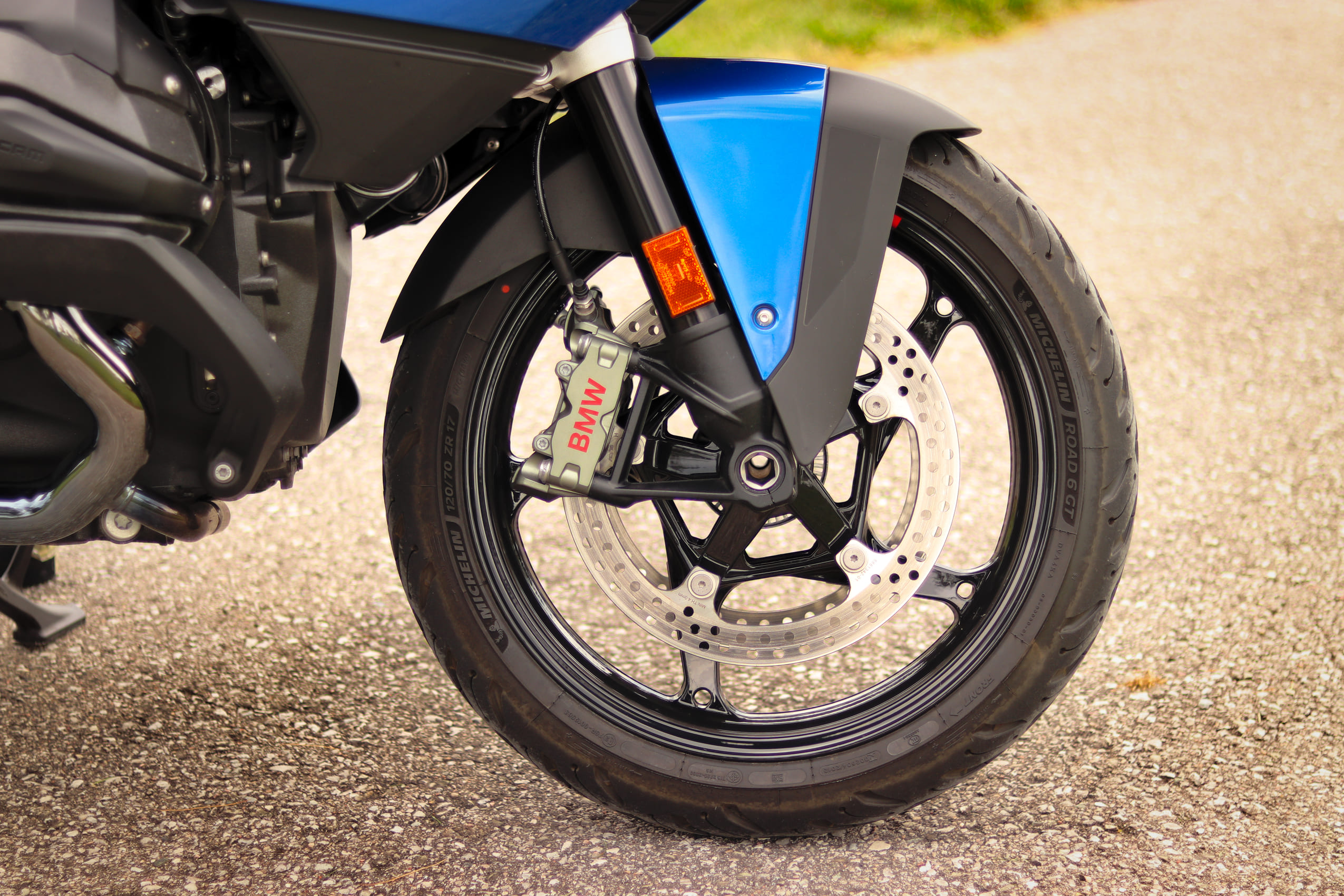
Hauling it all down to a stop are brakes that are nothing short of phenomenal—bite is immediate, progressive, and backed by an ABS system that refuses to panic even if you trail-brake deep into an apex. As for that 1,300cc boxer, it lacks the scream of an inline-four or the raw, emotional rumble of an Italian V-twin. It is fundamentally industrial—a mechanical workhorse that doesn’t care for drama, preferring to just grab the pavement and pull like a runaway freight train from 2,000 RPM all the way to redline.
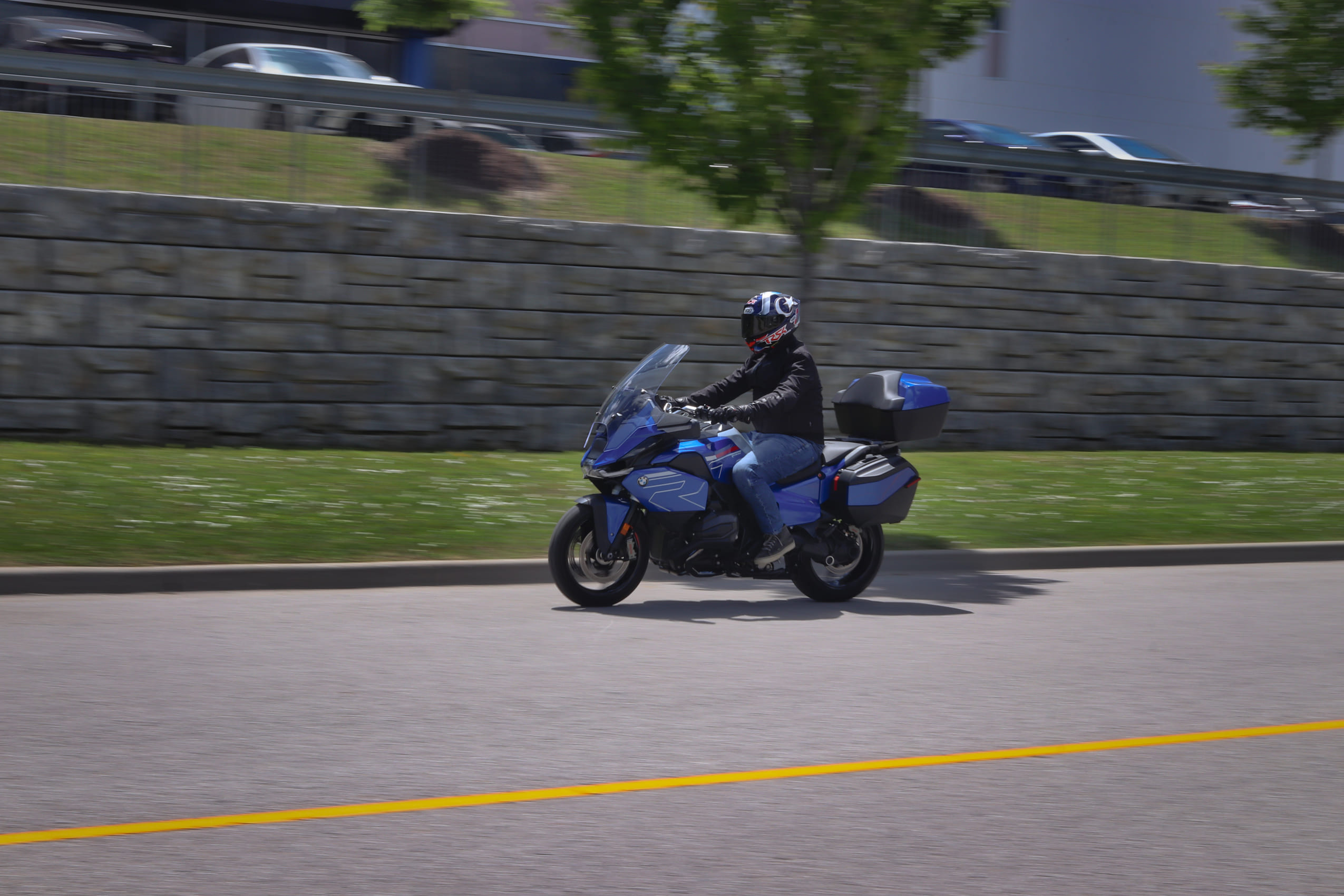
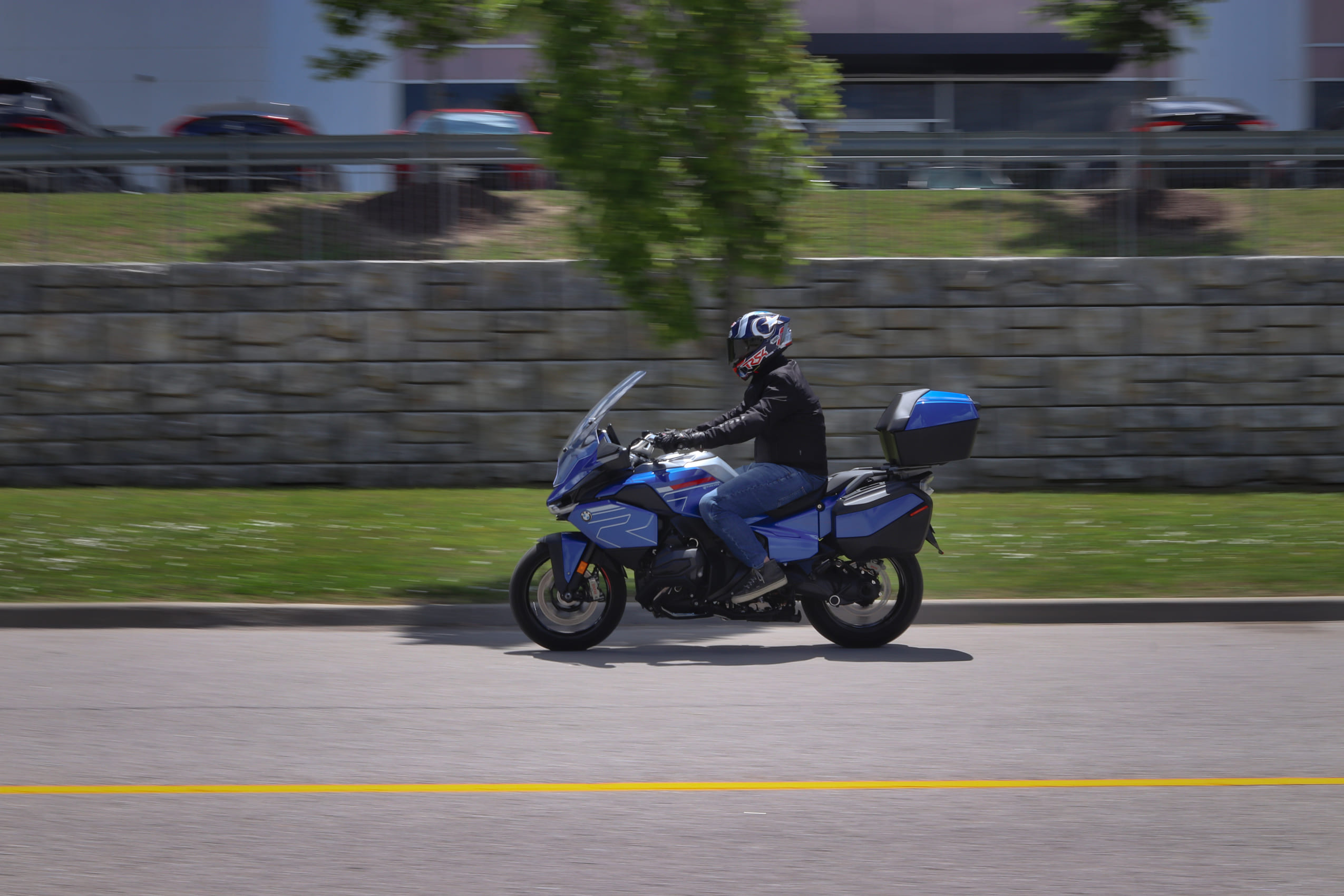
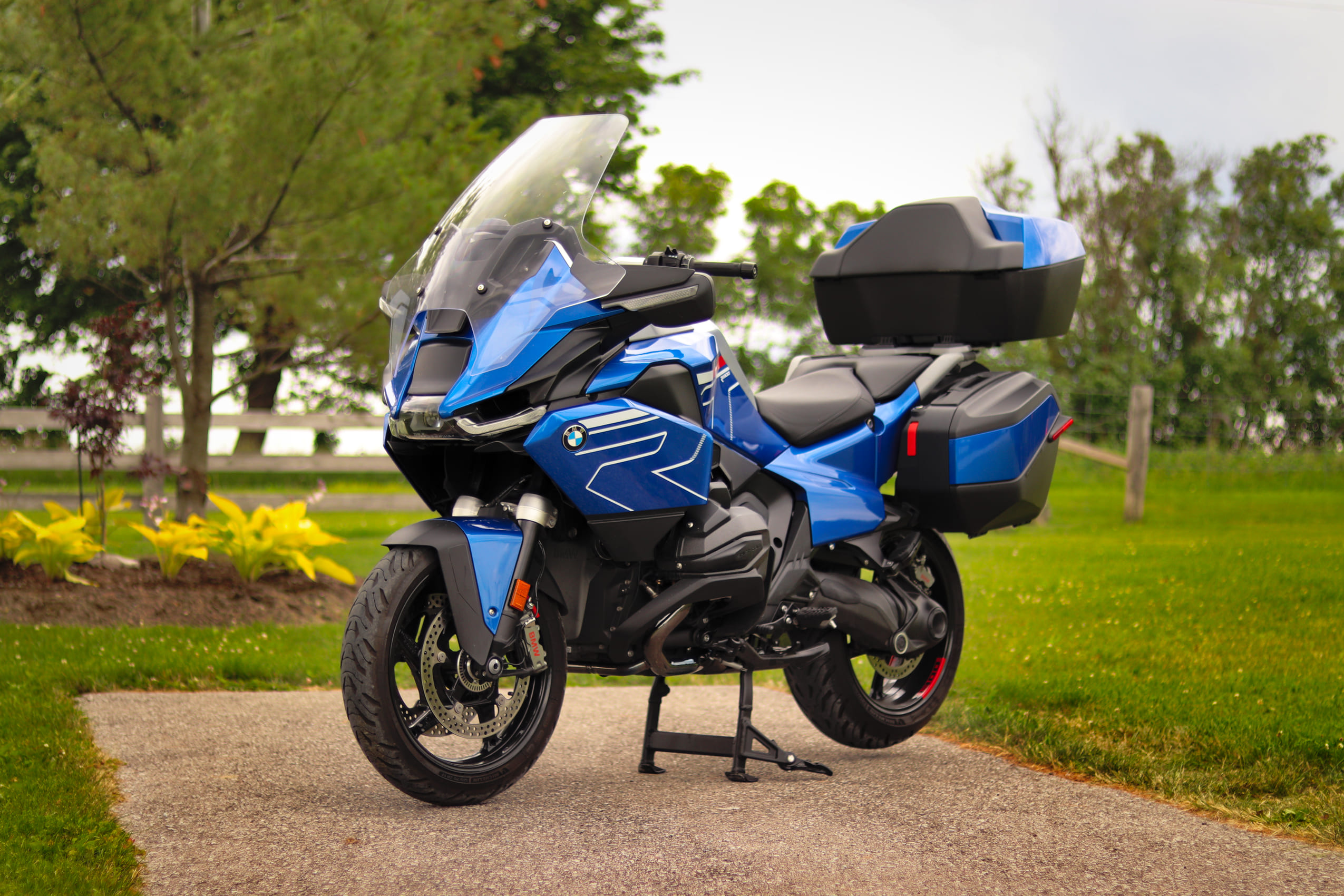
When you really dial up the pace, the R1300RT reveals its true killer instinct. Unlike a Honda Goldwing—which comfortably floats down the highway until its low footpegs start throwing sparks at the first sign of a corner—the RT offers vastly superior ground clearance, encouraging you to push harder, lean deeper, and carry real corner speed. It strikes a far sportier, tighter balance than any of its direct competition without sacrificing an ounce of long-distance plushness, proving you really can have your canyon-carving cake and eat it on a cross-country tour, too.
Ultimately, the 2026 BMW R 1300 RT proves that true luxury isn’t about floating detached from the road, but having complete, effortless command over it. By sharpening its styling, trimming the bulk, and packing it with absurdly capable chassis and transmission tech, Munich has built a machine that swallows thousand-mile days without sweating the details, yet still begs you to drop a knee the moment the tarmac turns twisty. It isn’t just the benchmark for modern sport-touring—it effectively renders every other cross-country compromise obsolete.
| 2026 BMW R 1300 RT Technical Specifications | |
|---|---|
| Engine | 1,300 cc air/liquid-cooled two-cylinder four-stroke boxer twin with ShiftCam variable intake valve timing |
| Power / Torque | 145 hp @ 7,750 rpm / 110 lb-ft @ 6,500 rpm |
| Front Suspension | BMW Motorrad EVO Telelever, central shock absorber; 5.8 in. (148 mm) travel |
| Rear Suspension | BMW Motorrad EVO Paralever single-sided cast aluminum swingarm, central suspension strut; 6.2 in. (158 mm) travel |
| Front Brakes | Twin 310 mm floating discs, 4-piston radial calipers, BMW Motorrad Full Integral ABS Pro |
| Rear Brakes | Single 285 mm disc, 2-piston floating caliper, BMW Motorrad Full Integral ABS Pro |
| Wheels / Tires | Cast aluminum wheels Front: 120/70 ZR17 (3.50 x 17″) Rear: 190/55 ZR17 (6.00 x 17″) |
| Seat Height | 32.2″ / 33.0″ standard (adjustable 30.7″ to 33.8″ across low/high options) |
| Curb Weight | 620 lbs (281 kg) wet, fully fueled |
| Fuel Capacity | 6.3 gal. (approx. 1.0 gal. reserve) |
| Electronics | 10.25″ TFT display, Riding Modes, Dynamic Traction Control (DTC), Dynamic Brake Control (DBC), Keyless Ride; Optional: Dynamic Chassis Adaptation (DCA), Automated Shift Assistant (ASA), Riding Assistant w/ Active Cruise Control (ACC) |
| Price (MSRP – Starting at) | $28,256.68 CAD |
| Website | bmw-motorrad.ca |
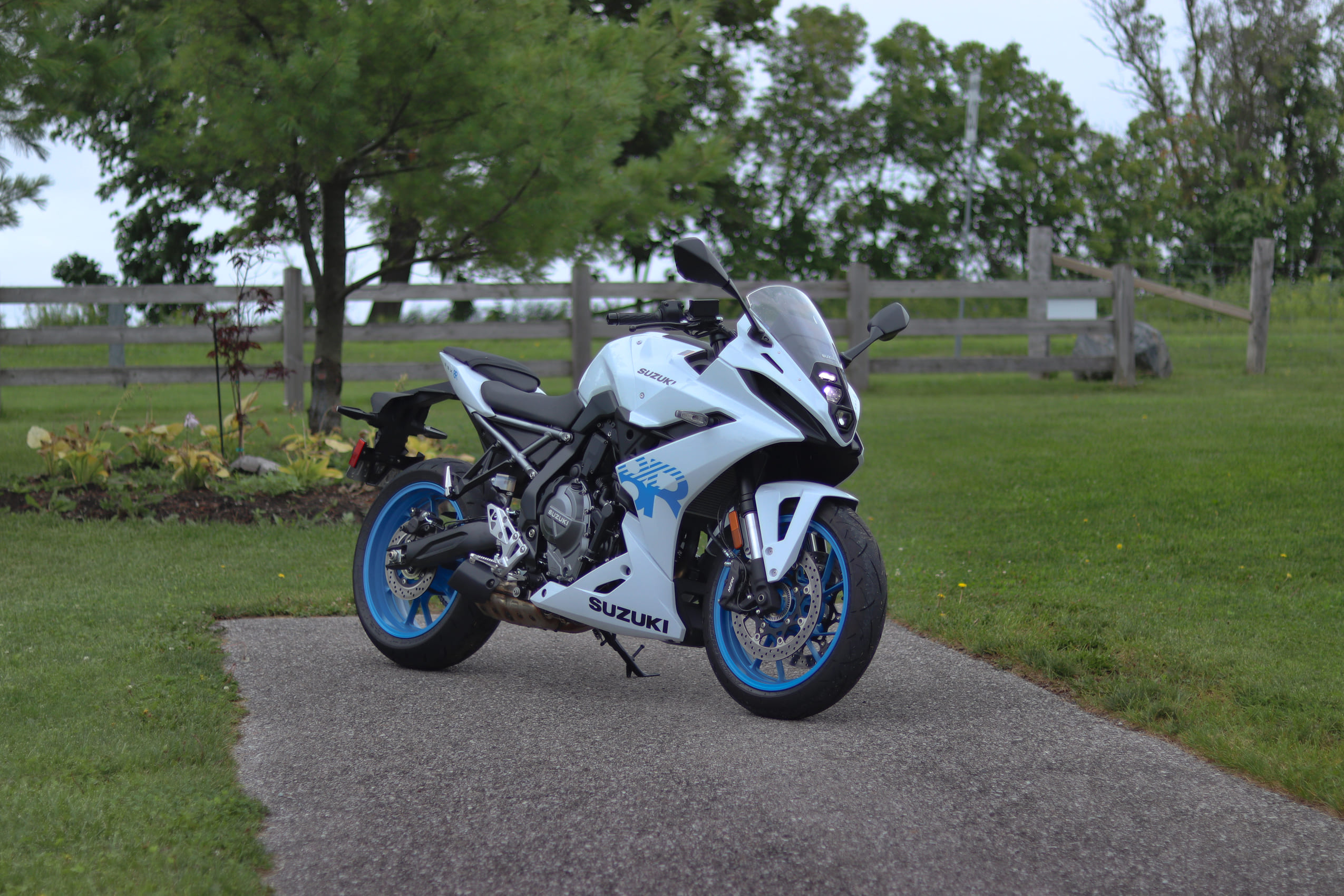
2026 Suzuki GSX-8R: The Middleweight Sport Bike Formula Done Right
The motorcycle world has spent the last decade trapped in a profoundly stupid dick-measuring contest, obsessed with building 200-horsepower, track-focused…

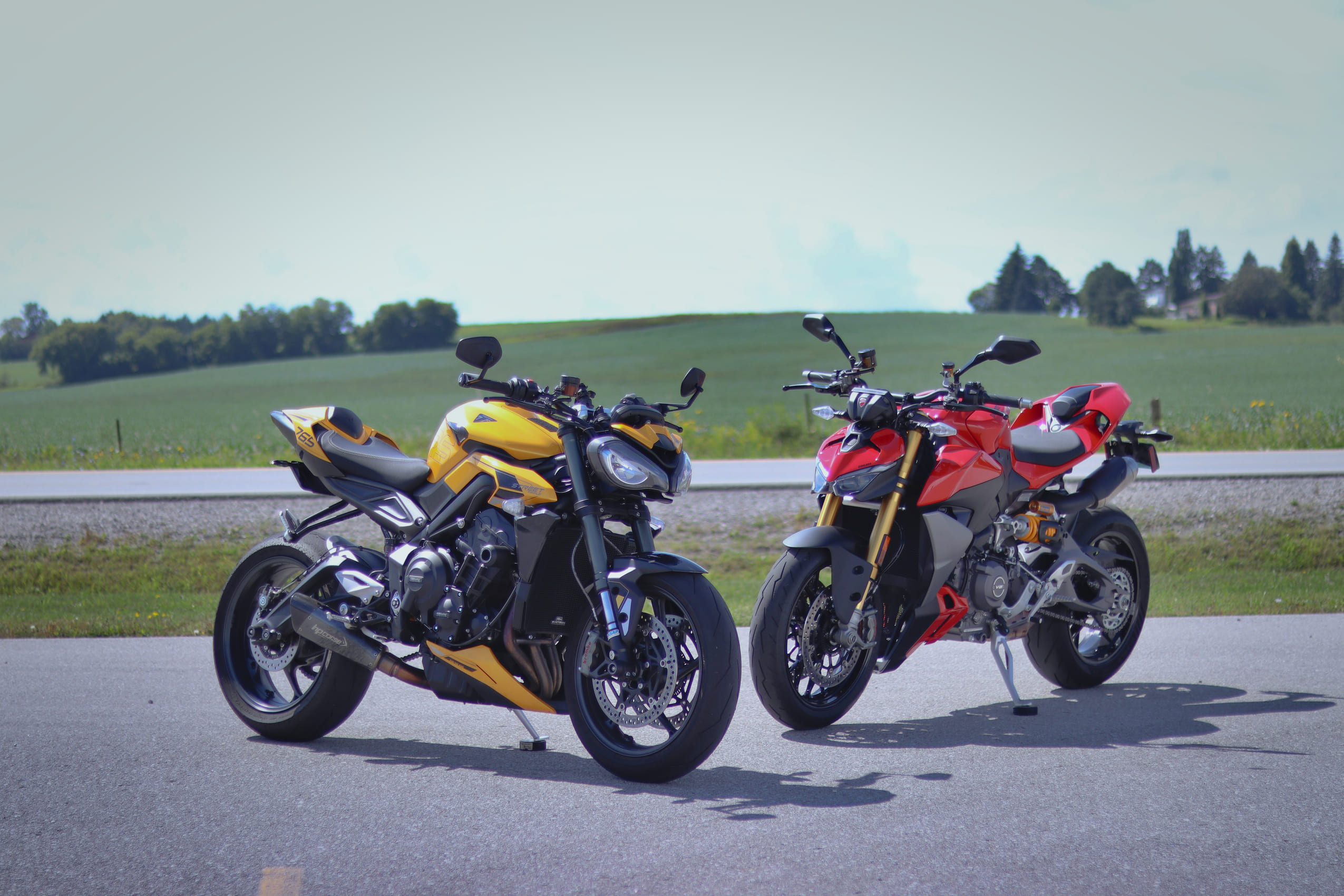
British Precision vs. Italian Violence: 2026 Ducati Streetfighter V2S vs.
Human beings are inherently absurd creatures, but nowhere is that absurdity more evident than in our willingness to strap our…
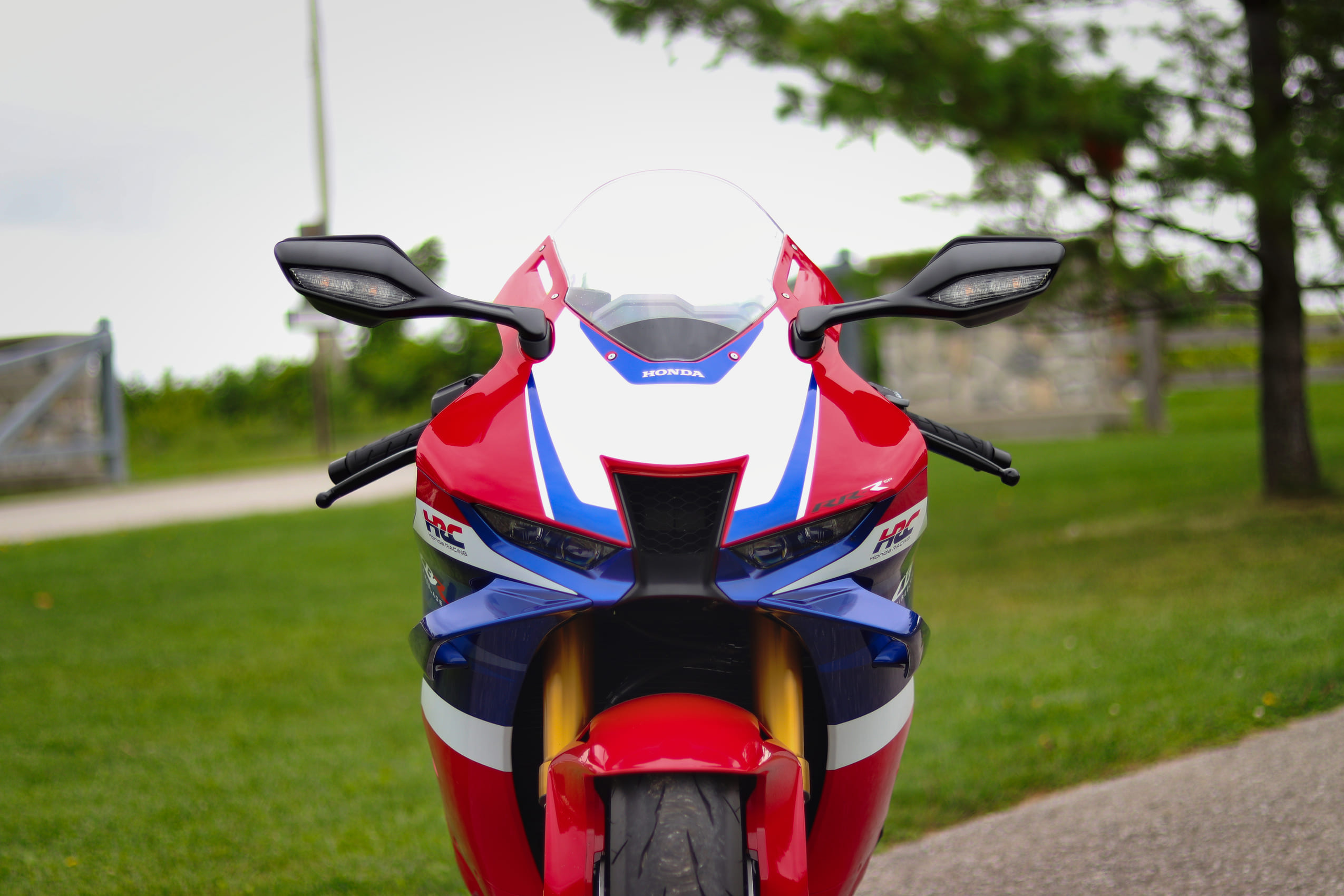
2026 Honda CBR1000RR-R Fireblade SP Review: Pure Mechanical Violence
The 2026 Honda CBR1000RR-R Fireblade SP is not a motorcycle; it is a clinical, unrelenting exercise in absolute mechanical insanity…
Sharknose Supremacy: Driving the 2026 Harley-Davidson Road Glide
Let’s get one thing straight: the 2026 Harley-Davidson Road Glide shouldn’t make sense. It’s a rolling, 800-pound contradiction—a massive, frame-mounted…
The Anti-ADV Hero: Why the 2026 Honda Transalp is the
Leave it to Honda to look at the entire, absurdly over-engineered, $25,000 middleweight adventure segment—a market flooded with hyper-focused rally…
2026 Suzuki V-Strom 800DE: No V-Twin, No Problem
Words are supposed to mean things. The “V” in V-6 means a V-layout, and for two decades, the “V” in…