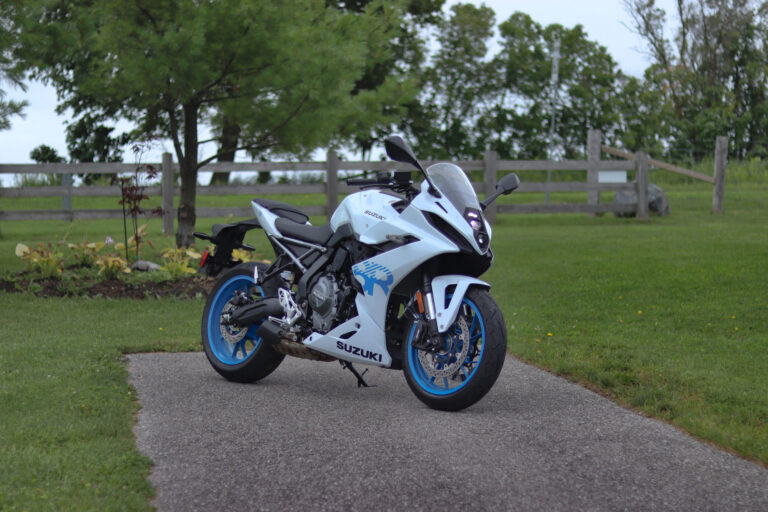
Let’s face it: we all knew Suzuki’s brilliantly characterful 776cc parallel-twin was going to get spread across the lineup like cheap butter on morning toast—that is just how modern corporate platform sharing works. But instead of giving us another angular, plastic-clad commuter that looks like a depressed Decepticon, Hamamatsu actually looked into its back catalog, paid its respects to the 1970s T500 Titan, and decided to build a motorcycle for grown-ups, and here we have the new GSX-8T.
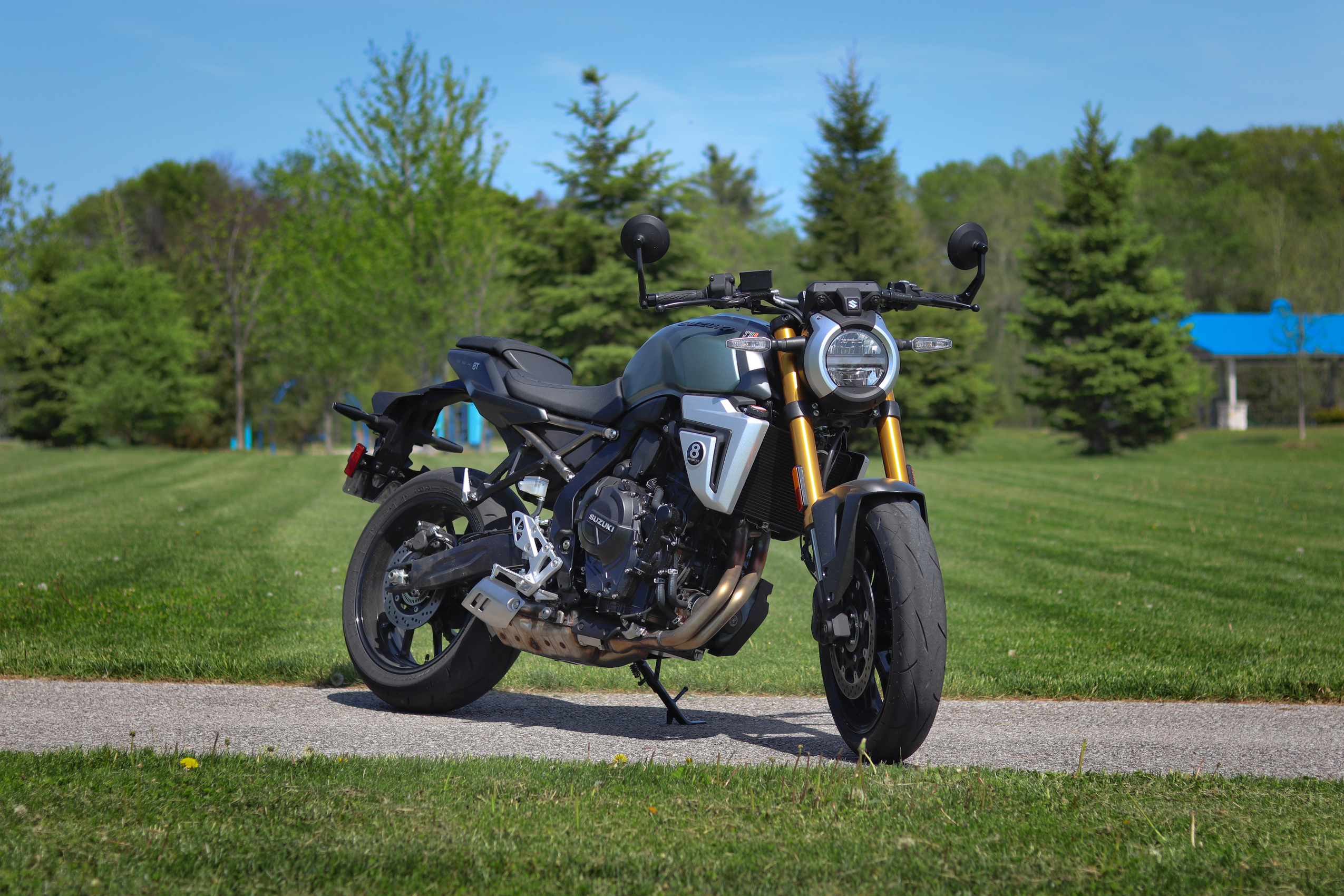
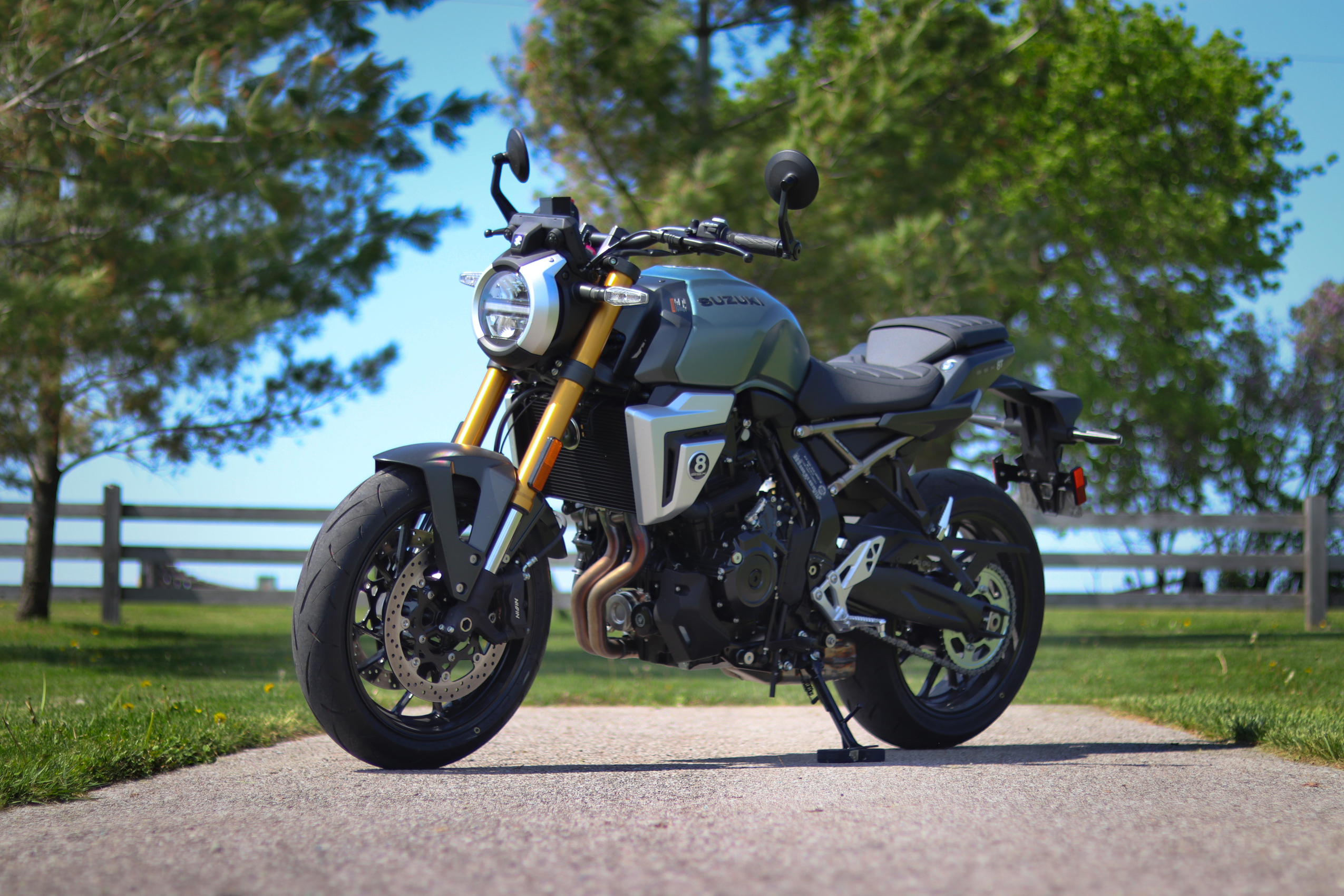
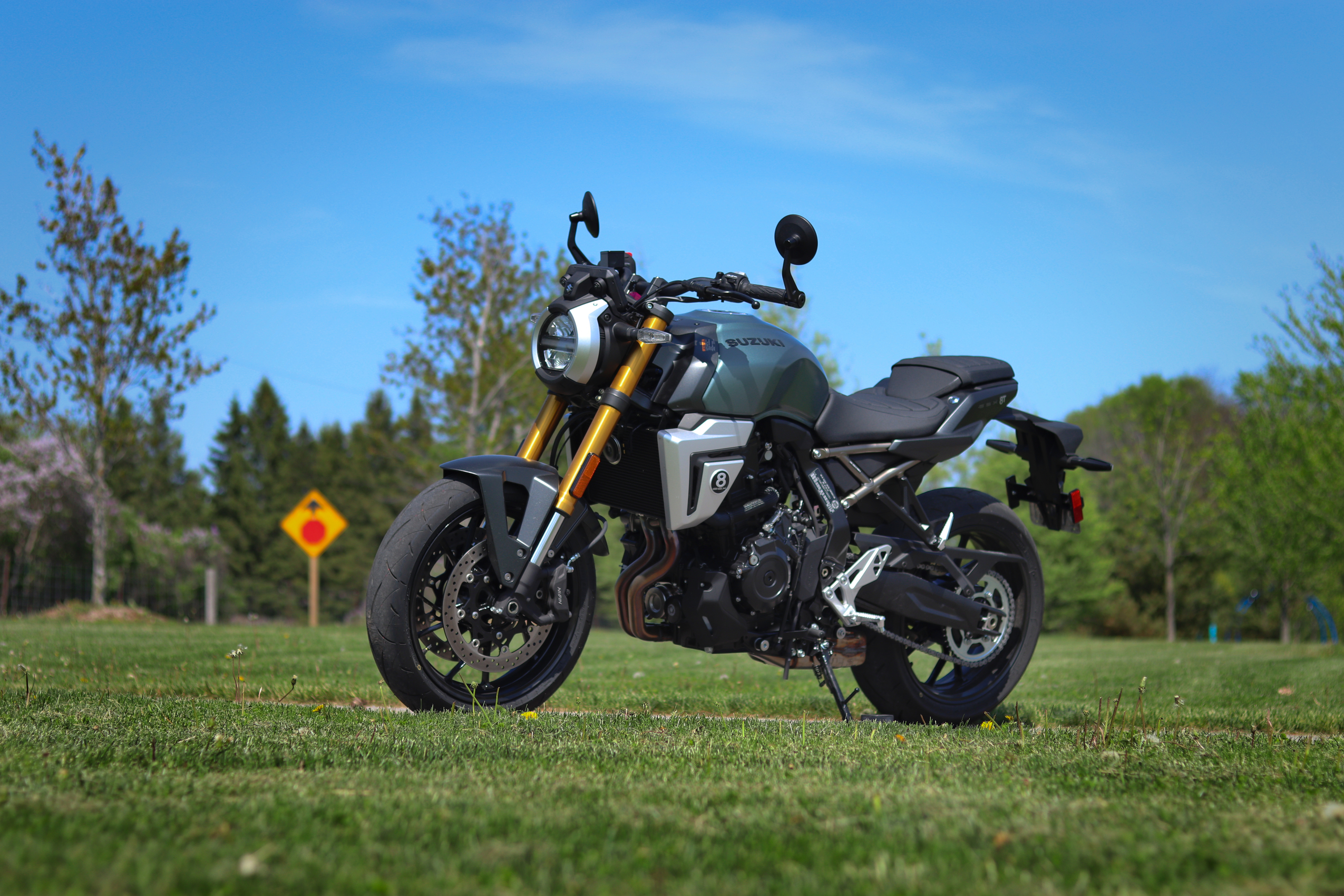
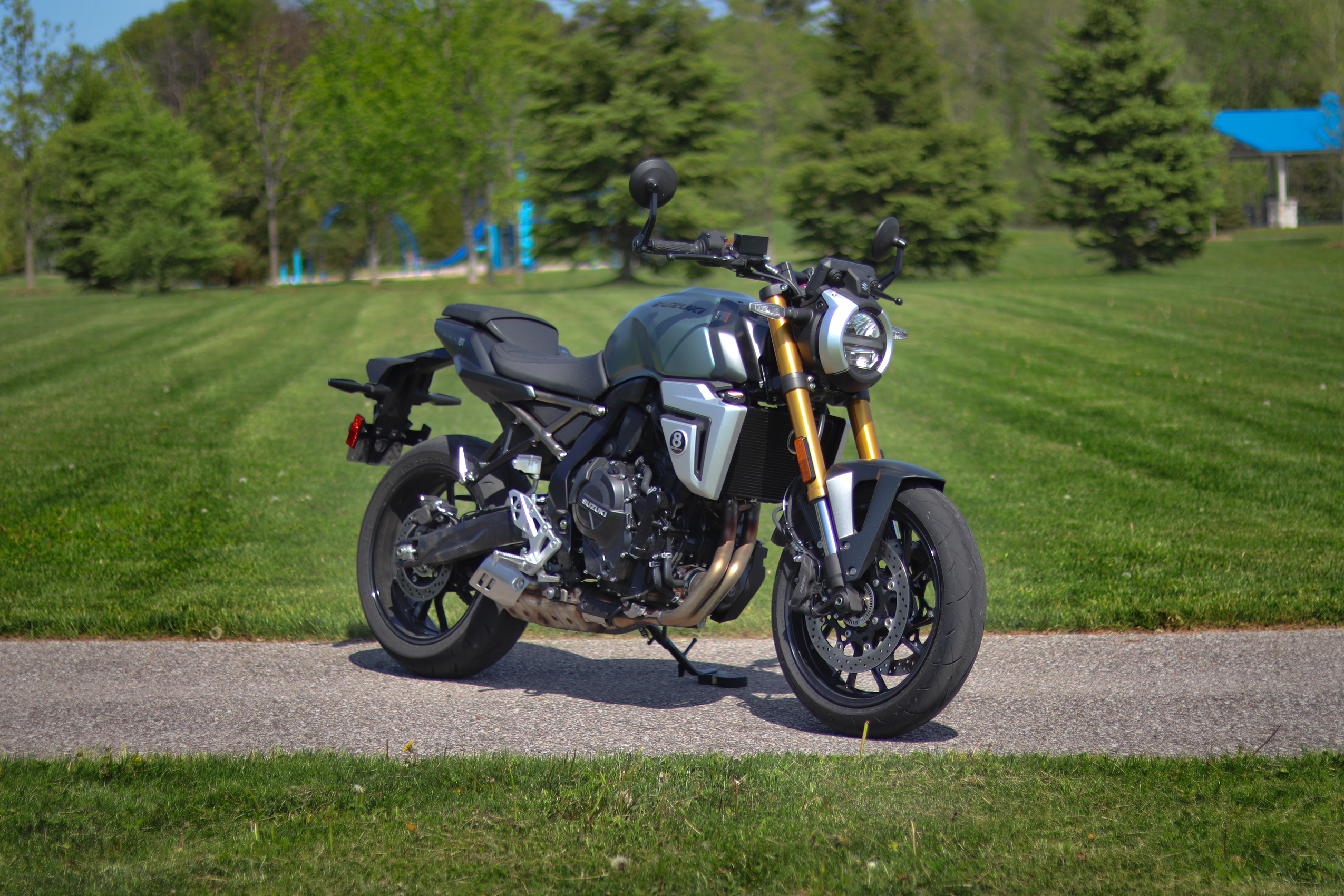
By ditching the sci-fi armor of the standard 8S in favor of a clean mono-round headlight, a properly sculpted fuel tank, bar-end mirrors, and a retro tuck-and-roll seat, Suzuki has successfully weaponized nostalgia. The brilliant irony? Underneath that deliciously vintage skin lies the exact same sweet-handling, torque-rich chassis we already love, proving that you can absolutely live in the past, provided your present includes an up-and-down quickshifter and a featherweight lithium-ion battery.
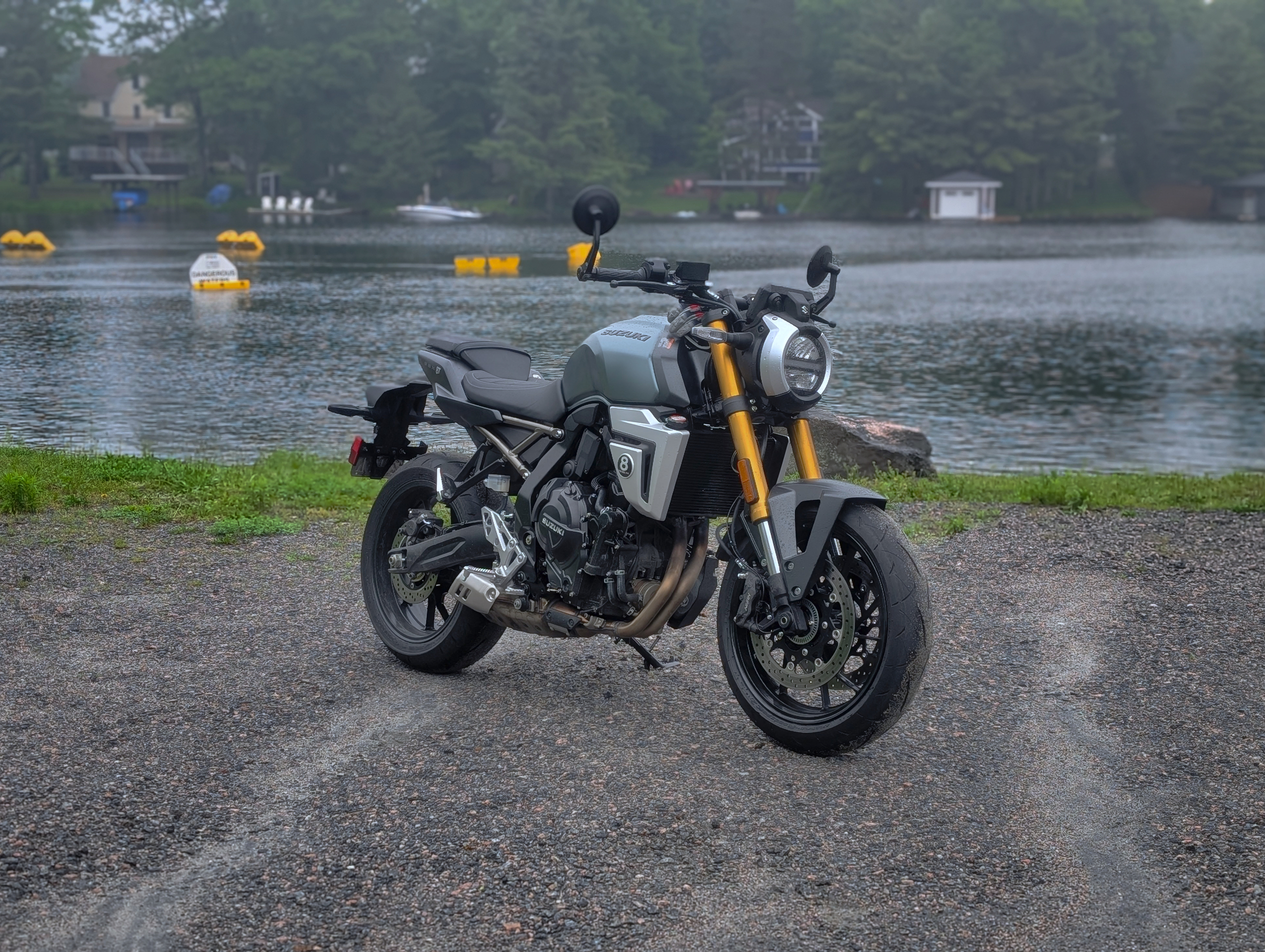
Let’s look closer at how they reshaped the visual identity of this platform, because the baseline GSX-8S looks like a prop from an anime set in Neo-Tokyo—all jagged angles, stacked rectangular headlights, and an aggressive stance that screams teenage angst. The 8T strips all of that away. The headline act is a beautifully sculpted 4.3-gallon fuel tank that tapers perfectly into metal-look radiator shrouds, completely re-proportioning the silhouette compared to the 8S and its smaller tank. Not only does that larger cell stretch your highway range well past the standard bike’s limits, but thanks to that clever battery swap, the 8T actually drops a single kilogram over its naked sibling. It is a rare engineering magic trick: more gas, less mass, and infinitely better looks.
Move up front, and the alien headlight stack has been completely replaced by a flat-bottomed mono-round LED unit that looks clean and purposeful. Suzuki then leaned into the heritage theme with a few brilliant design quirks, like factory bar-end mirrors that open up a panoramic forward view. And because that new lithium-ion power cell is seventy percent lighter than a standard lead-acid unit, it beautifully offsets the physical bulk of the larger fuel capacity, making the bike feel shockingly narrow and light between your knees when you pull it off the side stand.
If the standard 8S is the aggressive streetfighter and the 8T is the clean, unencumbered roadster, the 8TT is the retro-touring rockstar. The TT takes the 8T’s clean sheet metal but bolts on a delightfully nostalgic quarter-fairing and a color-matched chin spoiler inspired by Suzuki’s legendary AMA superbike days. It also swaps the 8T’s gold fork legs for stealthy black ones and adds aggressive red contrast stitching to the saddle. Swing a leg over either of these new retro models, and the footpeg-to-handlebar geometry feels immediately familiar—sporty but entirely sane.



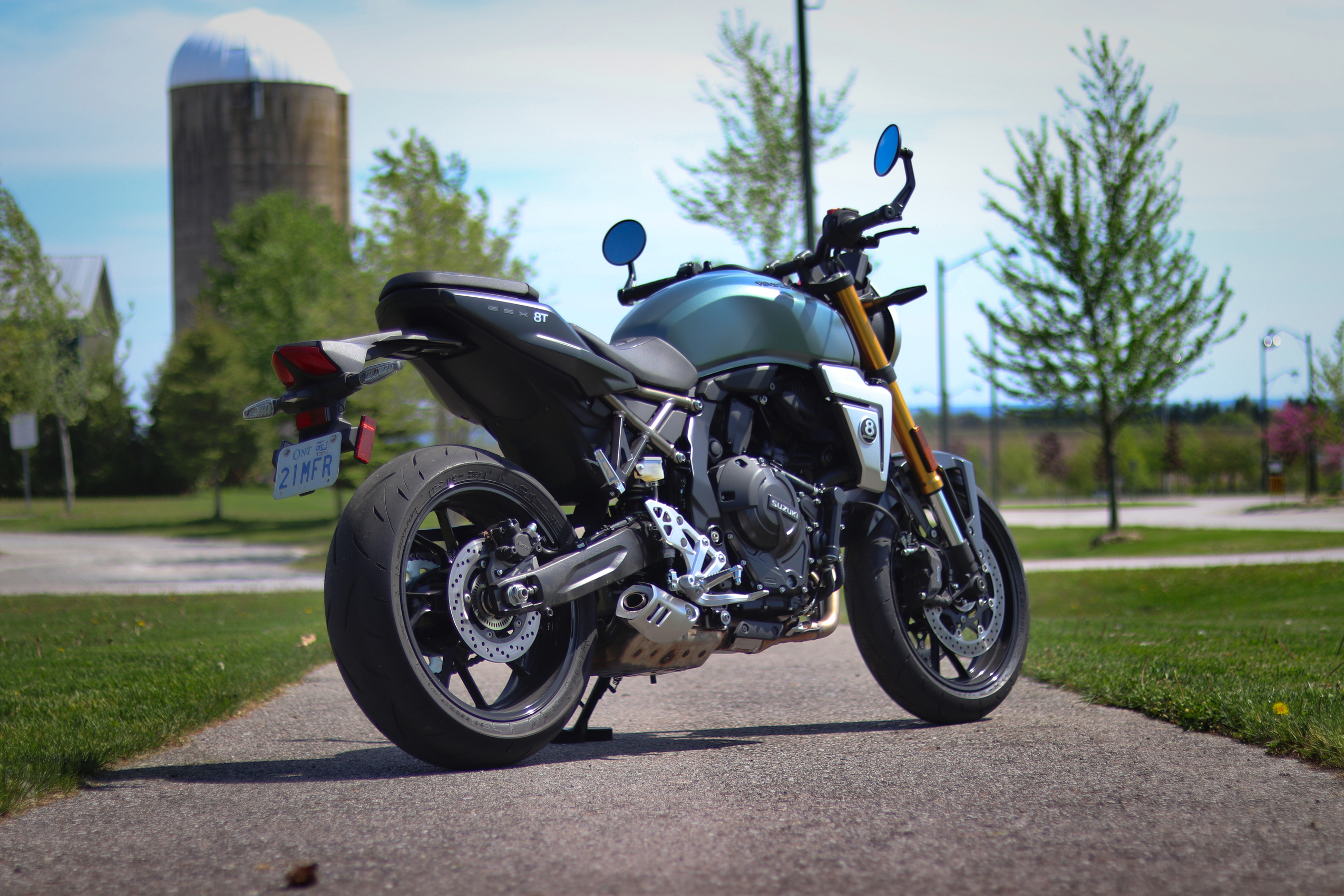
Visually, the machine is an absolute home run. Suzuki nailed the proportions, making the 8T genuinely aesthetically pleasing to look at from almost every single angle—until you walk around to the back. The rear tail section is an absolute disaster, a clunky plastic growth that also houses the taillight in a design choice so terrible it looks like it belonged to an entirely different bike. It completely breaks the clean, vintage flow of the rest of the bodywork. Thankfully, the aftermarket already has plenty of tidy-tail options available to fix Hamamatsu’s momentary lapse of reason, letting you restore the gorgeous retro silhouette this bike deserves.
At thirty-two inches, the seat height is manageable, and Suzuki narrowed the seat-to-tank junction so getting your boots flat on the tarmac is a breeze. But the vintage, ribbed tuck-and-roll saddle itself is a bit of a quirk; it looks expensive, but it is shockingly firm. There is a pronounced ridge at the back of the rider’s section that locks you into a compact cockpit—which, if you are on the taller side, forces your tailbone forward and makes long stints feel a bit tight.
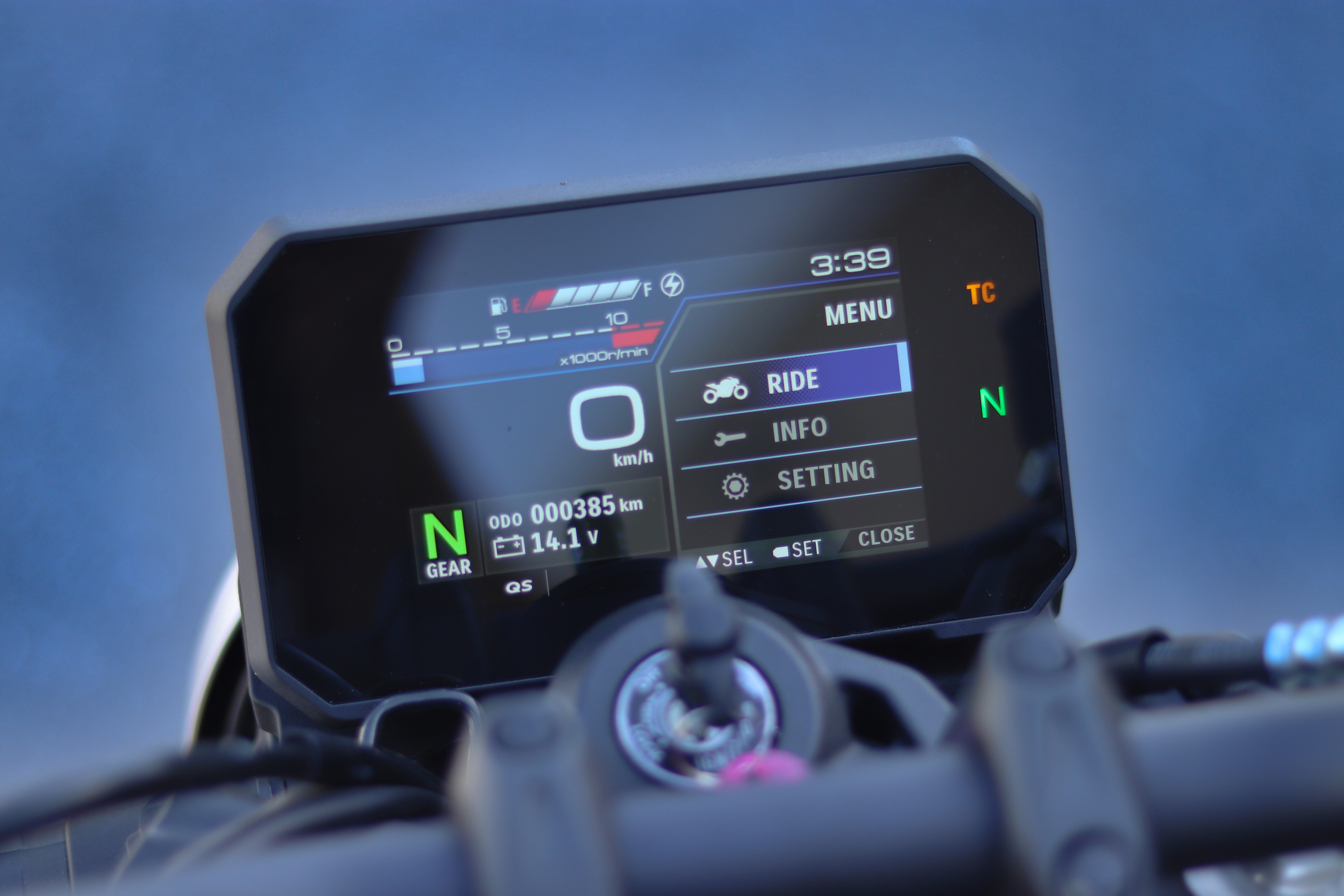
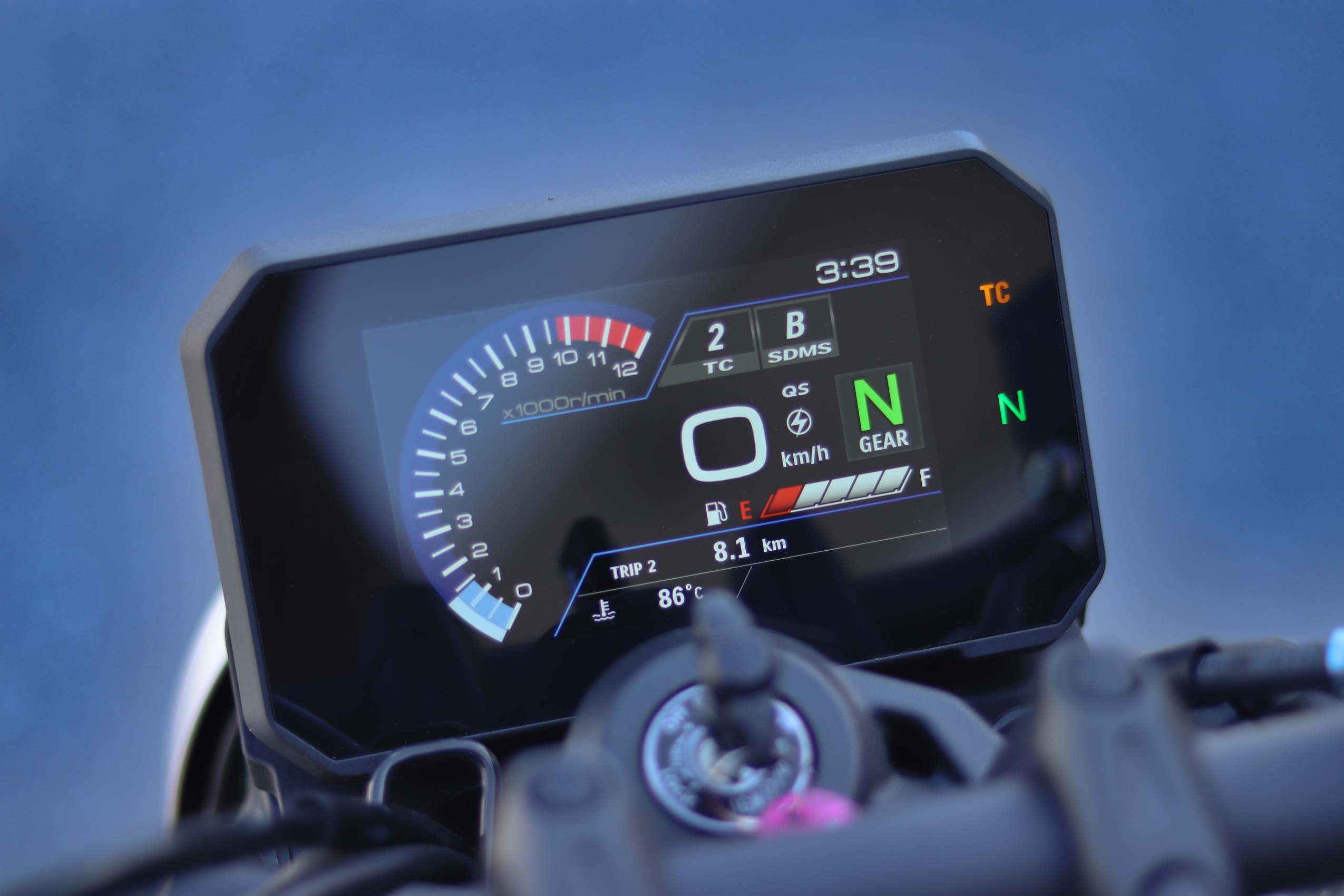
Fortunately, while your lower half might feel a bit trapped by the retro architecture, your eyes are treated to a completely modern view. Perched just ahead of that vintage cockpit lies Suzuki’s electronic powerhouse, all managed via a crisp, five-inch color TFT dash that thankfully avoids looking like an iPad casually glued to the triple clamp. It is clean, highly scannable, and delightfully simple to navigate using a basic toggle on the left handlebar—meaning you won’t have to dig through endless, frustrating sub-menus just to adjust your riding settings on the fly. There is even a fast-charging USB-C port tucked neatly into the side of the binnacle to keep your phone juiced while you ride.
The ride-by-wire throttle gives you three power modes. Mode A is razor-sharp and borderline snappy on initial tip-in, Mode B is the absolute sweet spot for everyday riding, and Mode C softens everything for rainy days. You also get four levels of traction control, including off. If you disable it and twist the throttle in Mode A, the 270-degree crankshaft mimics a V-twin’s power delivery so perfectly that the front wheel will happily loft into the sky. Finally, the bi-directional quickshifter and auto-blip system make rowing through the gearbox incredibly fun. Clicking up through the gears is seamless and crisp, and while low-rpm downshifts can feel just a touch mechanical, the slipper clutch ensures the rear wheel stays perfectly behaved the moment you start riding aggressively into the corners.

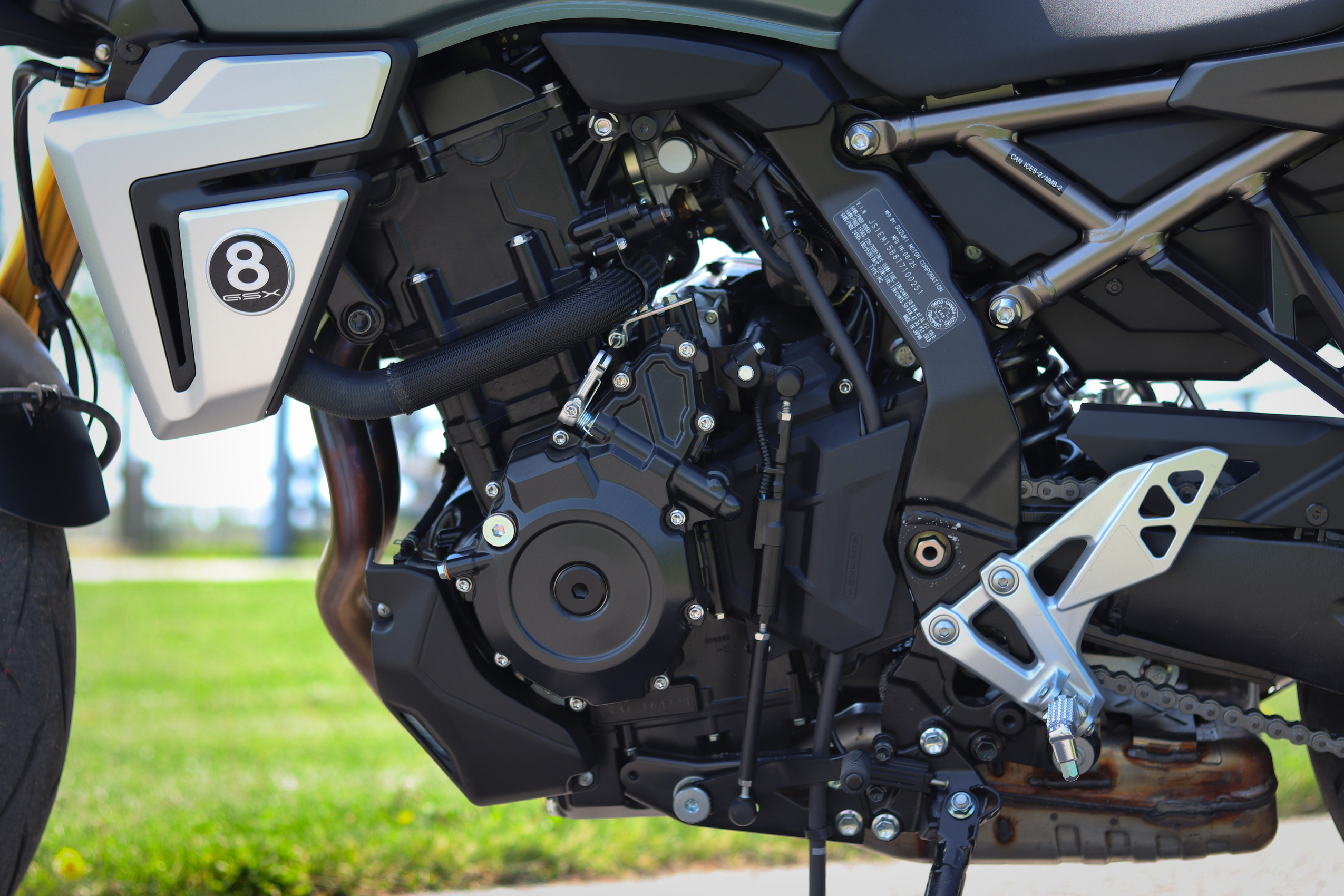
To truly appreciate why this electronic wizardry works so well, you have to look at the mechanical heart beating beneath that retro skin. For a quarter of a century, Suzuki’s middleweight champion was the SV650. It was an absolute legend, powered by a charismatic, ninety-degree V-twin that sounded like a miniature Ducati and refused to die, even when starved of oil during prolonged second-gear wheelies. But engineering a packaging-inefficient V-twin to clear modern emissions standards is an expensive nightmare. So, Suzuki gracefully built something entirely new: a 776cc parallel-twin.
Now, on paper, a parallel-twin sounds about as emotionally thrilling as a washing machine cycle. But Suzuki used a 270-degree crankshaft configuration, which spaces the firing intervals out to perfectly mimic the power delivery, the lumpy exhaust note, and the mechanical character of a proper V-twin. It churns out a claimed 82 horsepower at 8,500 rpm and 57.5 pound-feet of torque at 6,800 rpm. If you compare those specs to the old SV650, you are looking at roughly seven more horsepower and a massive, transformative leap in mid-range grunt. Where the old SV required you to dance on the shifter to keep it singing, this new engine dumps a fat wave of torque right in the middle of the rev range, pulling cleanly from down low with the kind of immediate, muscular response that makes daily riding effortlessly fun.
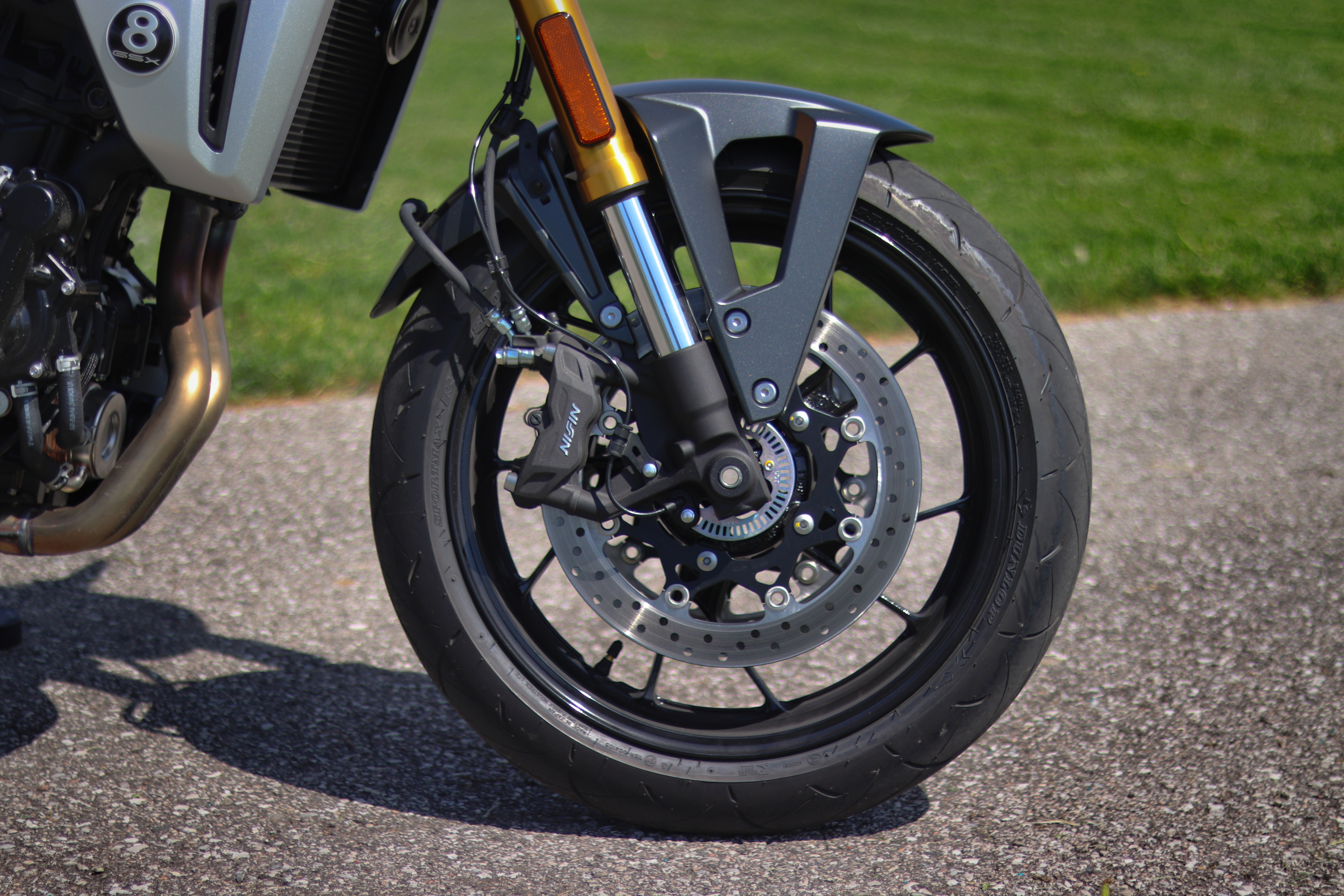
All of that engine charm would be wasted if the chassis flexed like a wet noodle, but in typical Suzuki fashion, they kept the running gear thoroughly sorted. The front end rides on beefy forty-one millimeter inverted KYB forks—finished in a gorgeous gold on the 8T—while a link-type KYB monoshock with mechanical preload adjustment handles the rear. You won’t find racetrack clickers here; instead, the setup is tuned for a plush, compliant street ride that swallows potholes without dissolving into a wallowing mess when you throw it into a corner.
Stopping power is equally impressive for a mid-tier roadster, ditching the spongy feel of yesteryear for a pair of massive three-hundred-and-ten millimeter floating discs clamped by radially mounted, four-piston Nissin calipers. Backed by a single two-hundred-and-forty millimeter rear disc and a sharp ABS system, the lever feel is wonderfully progressive and firm. It delivers the kind of immediate, confidence-inspiring bite that makes you glad we only borrow the styling of the seventies, rather than its brakes.
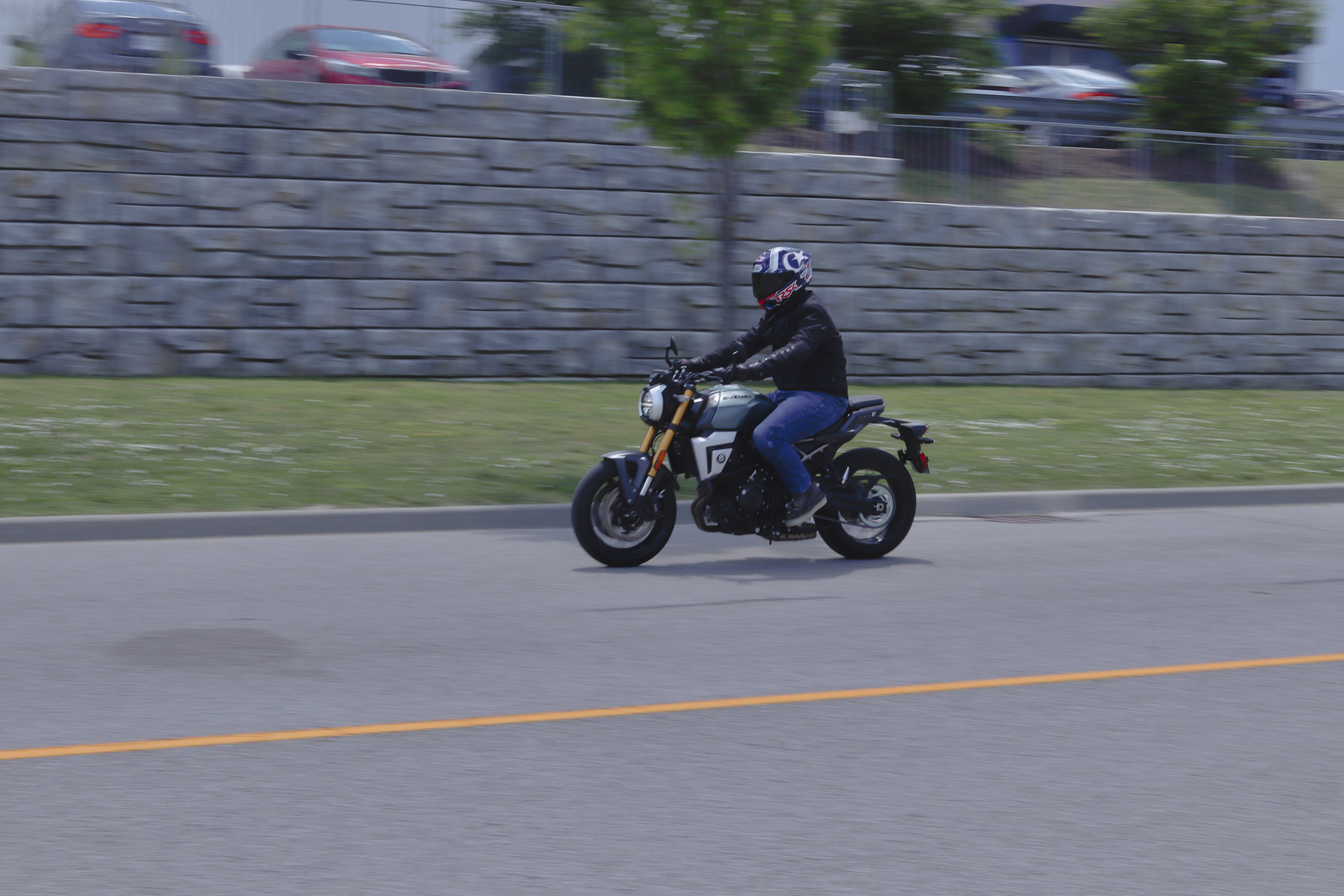
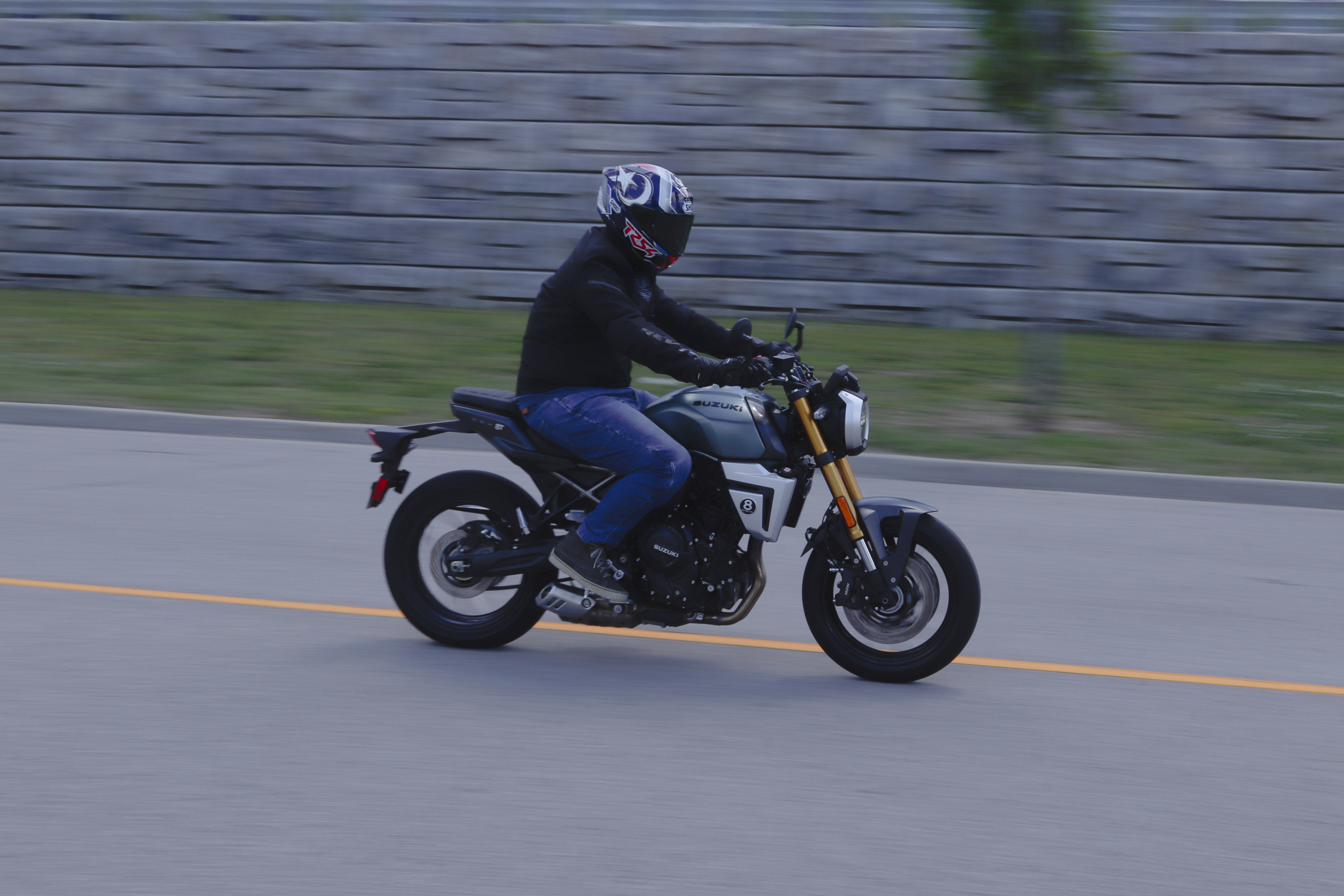


Get in the saddle, and the first thing that hits you is just how beautifully sorted this chassis is. Suzuki clearly didn’t tune this suspension for paper-thin, racetrack-bound teenagers; instead, those forty-one millimeter KYB forks and rear shock feel wonderfully compliant, holding up perfectly even under the weight of a full-sized, heavier adult. Even though they do not offer any adjustment options, it doesn’t fall on its face or dissolve into an unstable, wallowing mess when you start pushing it hard on a technical, twisty backroad. It just plants itself and carves.
Twist the throttle, and that parallel-twin delivers a massive, muscular punch right in the meat of the mid-range. It is incredibly satisfying, giving you enough immediate grunt that it completely eliminates the usual exhausting gear-hunting you expect in this class. Now, about that Cross Balancer system—while it does a decent job, let’s be real: at sustained highway speeds, the marketing brochure lies. This thing vibrates. In fact, it is noticeably more vibey down the interstate than a Yamaha MT-07. But honestly? You won’t care. You have to ride them both back to back to feel a difference. The trade-off is an engine that feels infinitely more alive, engaging, and flat-out fun to ride when you wind things up to a faster, more aggressive pace.
So, what we have here is a rare automotive-inspired miracle: a retro bike that isn’t a cynical, style-over-substance cash grab. By wrapping their brilliant new platform in a blanket of seventies nostalgia, Suzuki didn’t just build a pretty motorcycle—they built an incredibly approachable one. That muscular, mid-range-heavy powerband is the definition of easy-going; it is so linear, predictable, and forgiving that a fresh graduate from a licensing course can jump on, crack the throttle, and feel completely in control without an ounce of intimidation.
But don’t mistake that accessibility for boredom. Because the chassis is so beautifully composed and the engine is so rich with mechanical character, experienced riders can thrash this thing within an inch of its life down a canyon road and come away grinning like idiots. It is the ultimate two-wheeled Swiss Army knife: a perfectly balanced, genuinely fun machine that serves as a gentle teacher for the novice, a backroad weapon for the veteran, and a gorgeous piece of rolling eye candy for anyone who appreciates a proper classic silhouette. Suzuki took the modern, sensible parallel-twin commuter, sprinkled it with pure nostalgia, and somehow created a bike that absolutely everyone can love.
Specifications – 2026 Suzuki GSX-8T
| Engine | 776cc, 4-stroke, liquid-cooled, DOHC parallel-twin; 4 valves per cylinder, 270-degree crankshaft layout, Suzuki Cross Balancer system |
| Power / Torque | 82 hp @ 8,500 rpm | 57.5 lb-ft @ 6,800 rpm (claimed) |
| Fueling | Electronic Fuel Injection (EFI) with dual, linked 42mm throttle bodies; Ride-by-Wire system |
| Front Suspension | 41mm inverted KYB telescopic fork, coil spring, oil damped; 5.1 in. (130 mm) of travel (non-adjustable) |
| Rear Suspension | Link-type KYB single shock, coil spring, oil damped; 5.1 in. (130 mm) of travel; mechanical cam-style spring preload adjustable |
| Front Brakes | Dual 320mm floating discs, Nissin radial-mount 4-piston calipers, ABS-equipped |
| Rear Brakes | Single 240mm disc, Nissin 1-piston caliper, ABS-equipped |
| Wheels / Tires | 10-spoke cast aluminum alloy wheels Front: Dunlop Roadsport 2 120/70ZR17M/C (58W), tubeless Rear: Dunlop Roadsport 2 180/55ZR17M/C (73W), tubeless |
| Seat Height | 32.0 in. (815 mm) |
| Curb Weight | 443 lbs (201 kg) |
| Fuel Capacity | 4.3 US gal. (16.5 L) |
| Electronics | 5-inch color TFT display, Suzuki Drive Mode Selector (SDMS – 3 modes), Suzuki Traction Control System (STCS – 3 modes + OFF), Bi-directional Quick Shift System (QSS), Suzuki Easy Start System, Low RPM Assist, fast-charging USB Type-C port |
| Price (MSRP) | $10,895 CAD |
| Website | www.suzuki.ca |
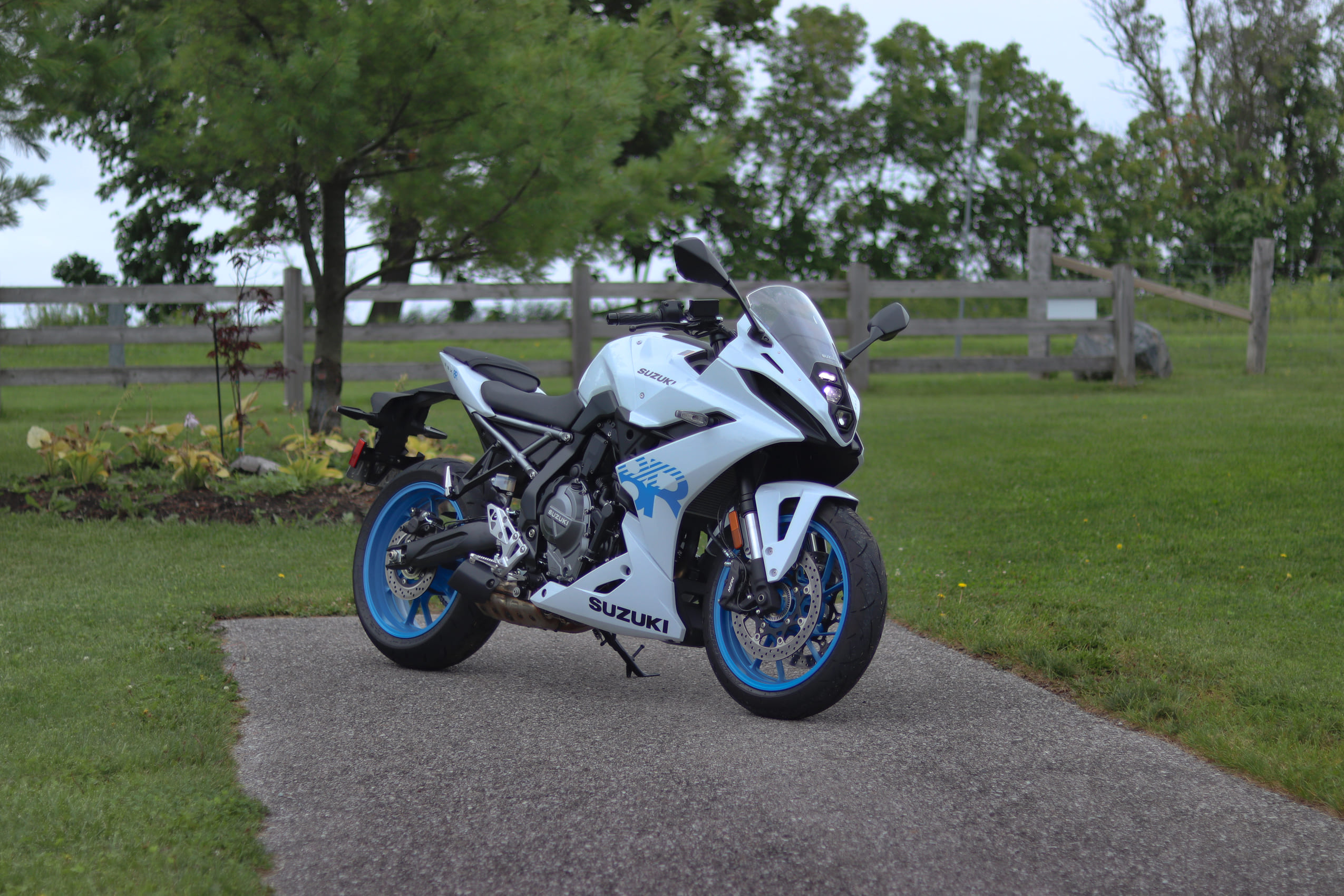
2026 Suzuki GSX-8R: The Middleweight Sport Bike Formula Done Right
The motorcycle world has spent the last decade trapped in a profoundly stupid dick-measuring contest, obsessed with building 200-horsepower, track-focused…

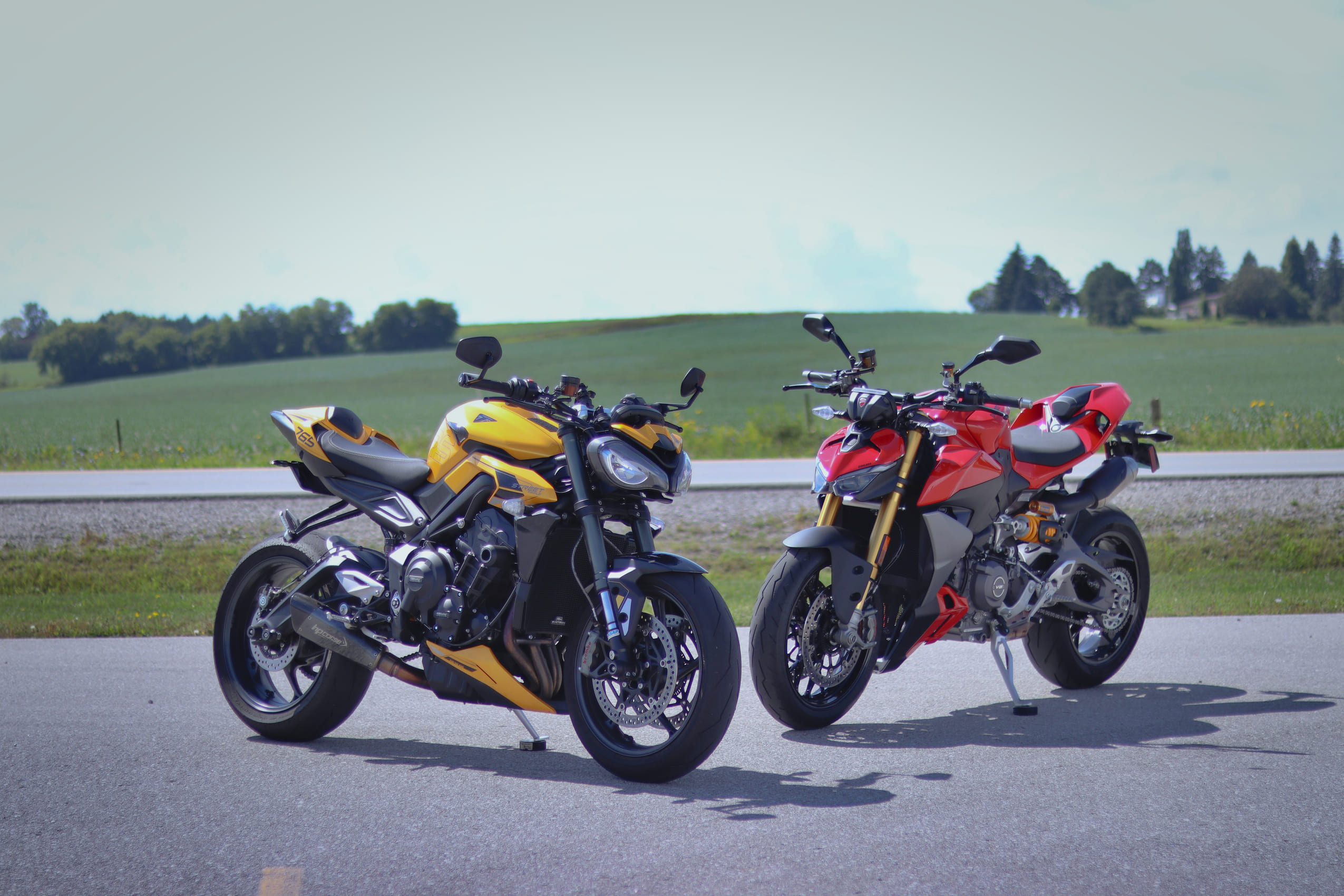
British Precision vs. Italian Violence: 2026 Ducati Streetfighter V2S vs.
Human beings are inherently absurd creatures, but nowhere is that absurdity more evident than in our willingness to strap our…
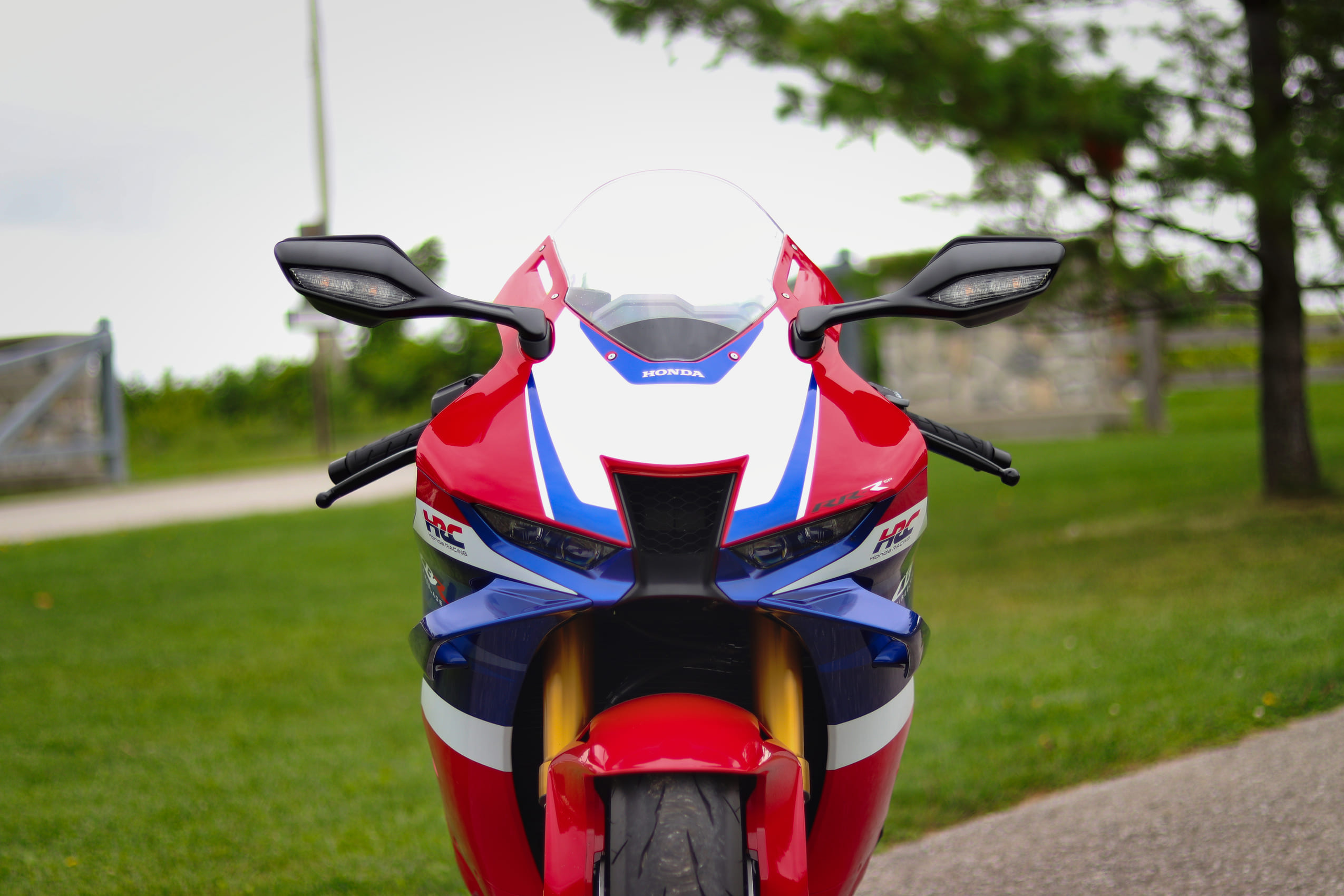
2026 Honda CBR1000RR-R Fireblade SP Review: Pure Mechanical Violence
The 2026 Honda CBR1000RR-R Fireblade SP is not a motorcycle; it is a clinical, unrelenting exercise in absolute mechanical insanity…
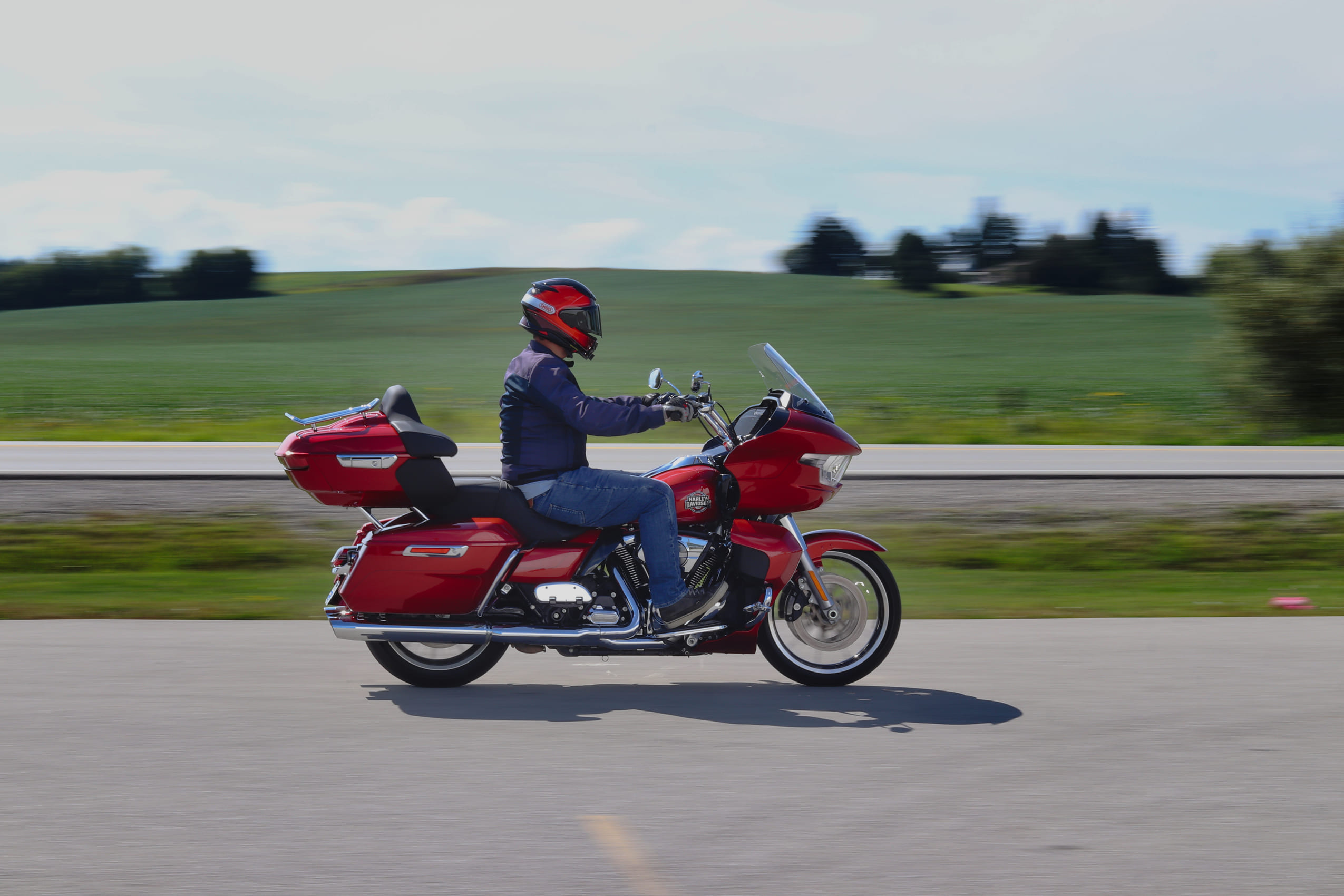
Sharknose Supremacy: Driving the 2026 Harley-Davidson Road Glide
Let’s get one thing straight: the 2026 Harley-Davidson Road Glide shouldn’t make sense. It’s a rolling, 800-pound contradiction—a massive, frame-mounted…
The Anti-ADV Hero: Why the 2026 Honda Transalp is the
Leave it to Honda to look at the entire, absurdly over-engineered, $25,000 middleweight adventure segment—a market flooded with hyper-focused rally…
2026 Suzuki V-Strom 800DE: No V-Twin, No Problem
Words are supposed to mean things. The “V” in V-6 means a V-layout, and for two decades, the “V” in…