Leave it to Honda to look at the entire, absurdly over-engineered, $25,000 middleweight adventure segment—a market flooded with hyper-focused rally reps that will never see a speck of dirt bigger than a suburban gravel driveway—and quietly release a bike that feels less like a marketing exercise and more like a piece of delightfully rational engineering. The 2026 Transalp doesn’t pretend you’re about to race the Dakar on your lunch break. Instead, it asks a far more radical question: what if a middleweight ADV was just easy to live with, effortlessly competent, and didn’t require a master’s degree in physics or a second mortgage to ride every single day? The Transalp is a rare anti-hero of the ADV world—a machine that trades theatrical, chest-thumping bravado for pure, unadulterated Honda usability, proving that the most revolutionary thing a motorcycle can do today is simply get out of its own way.
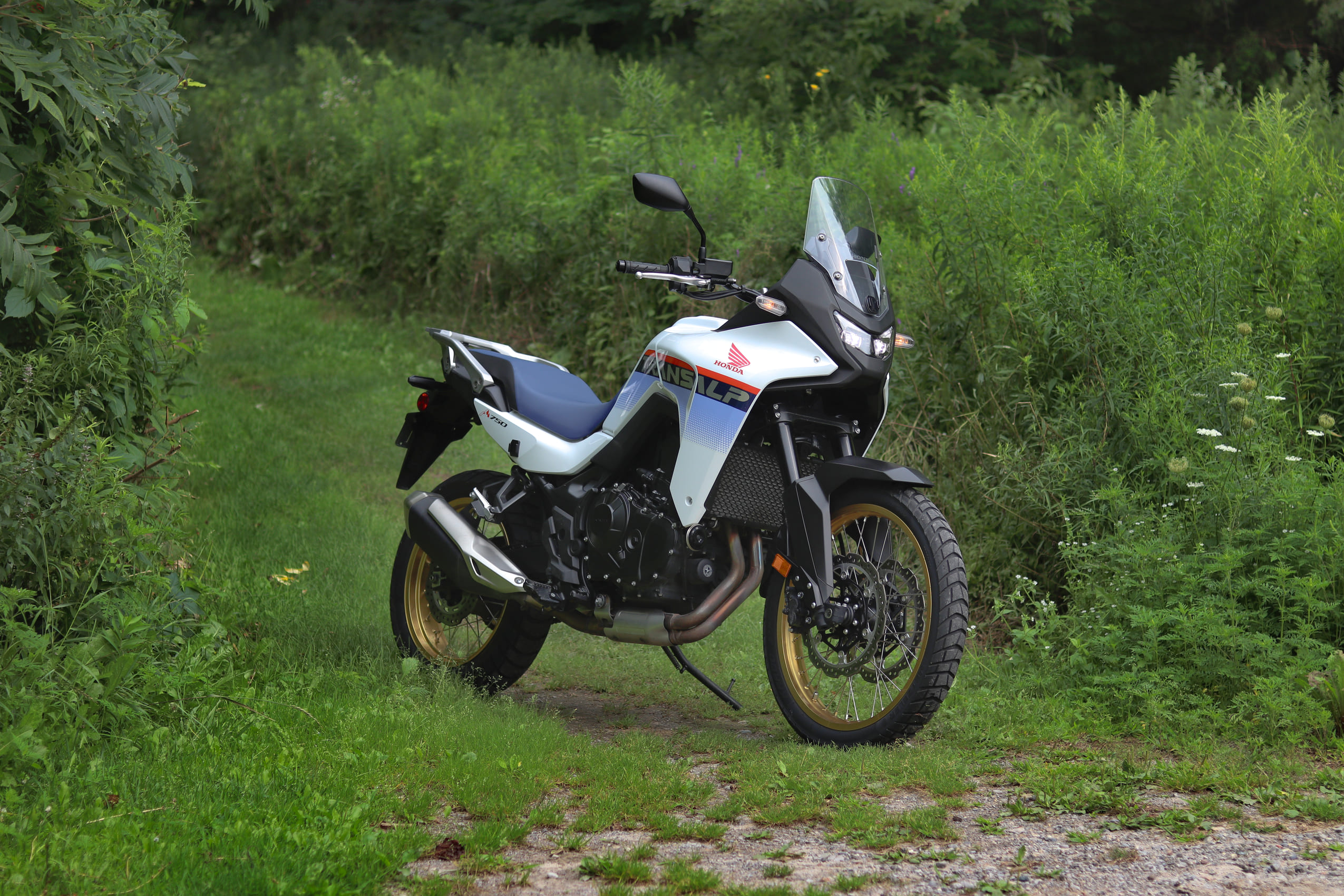
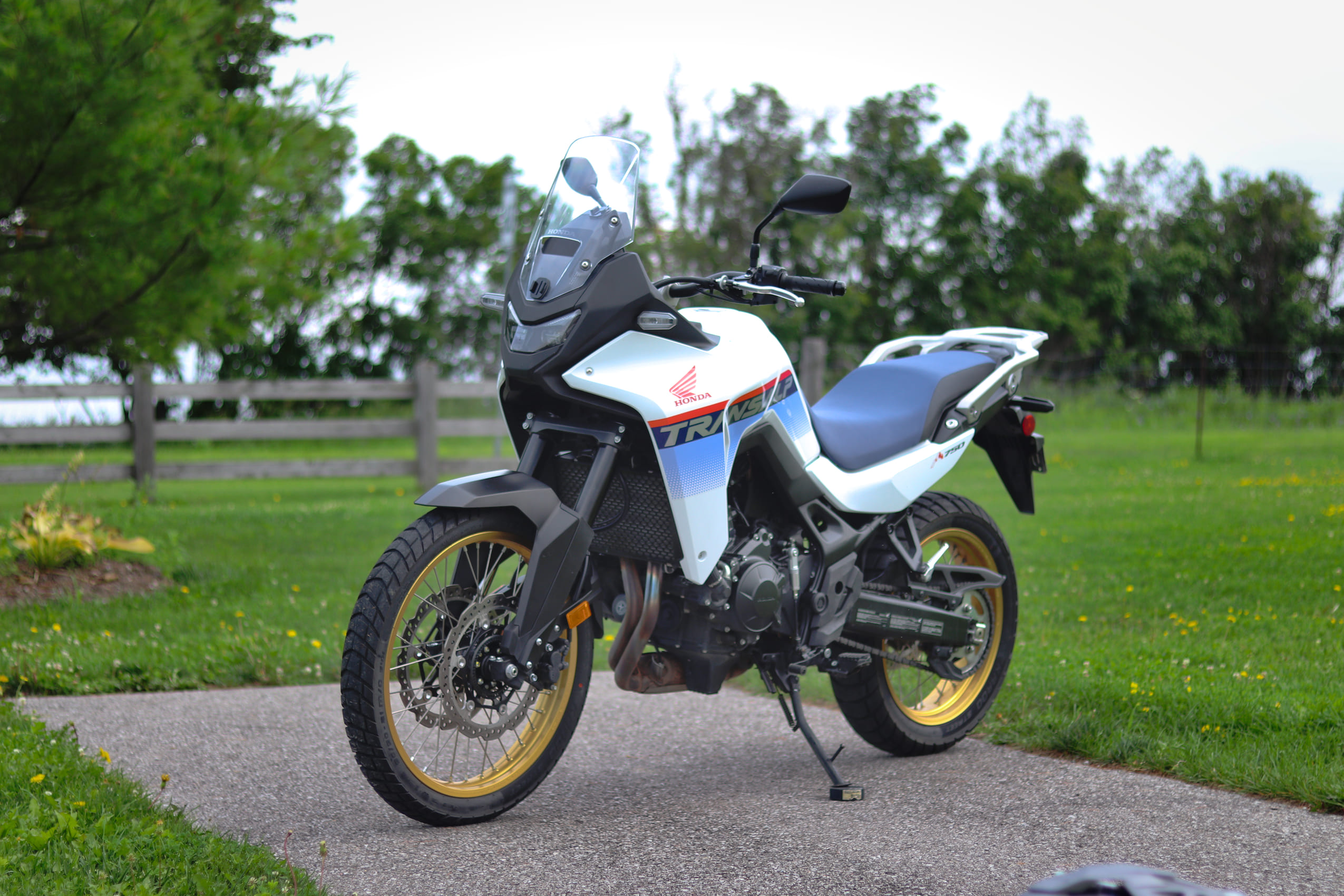
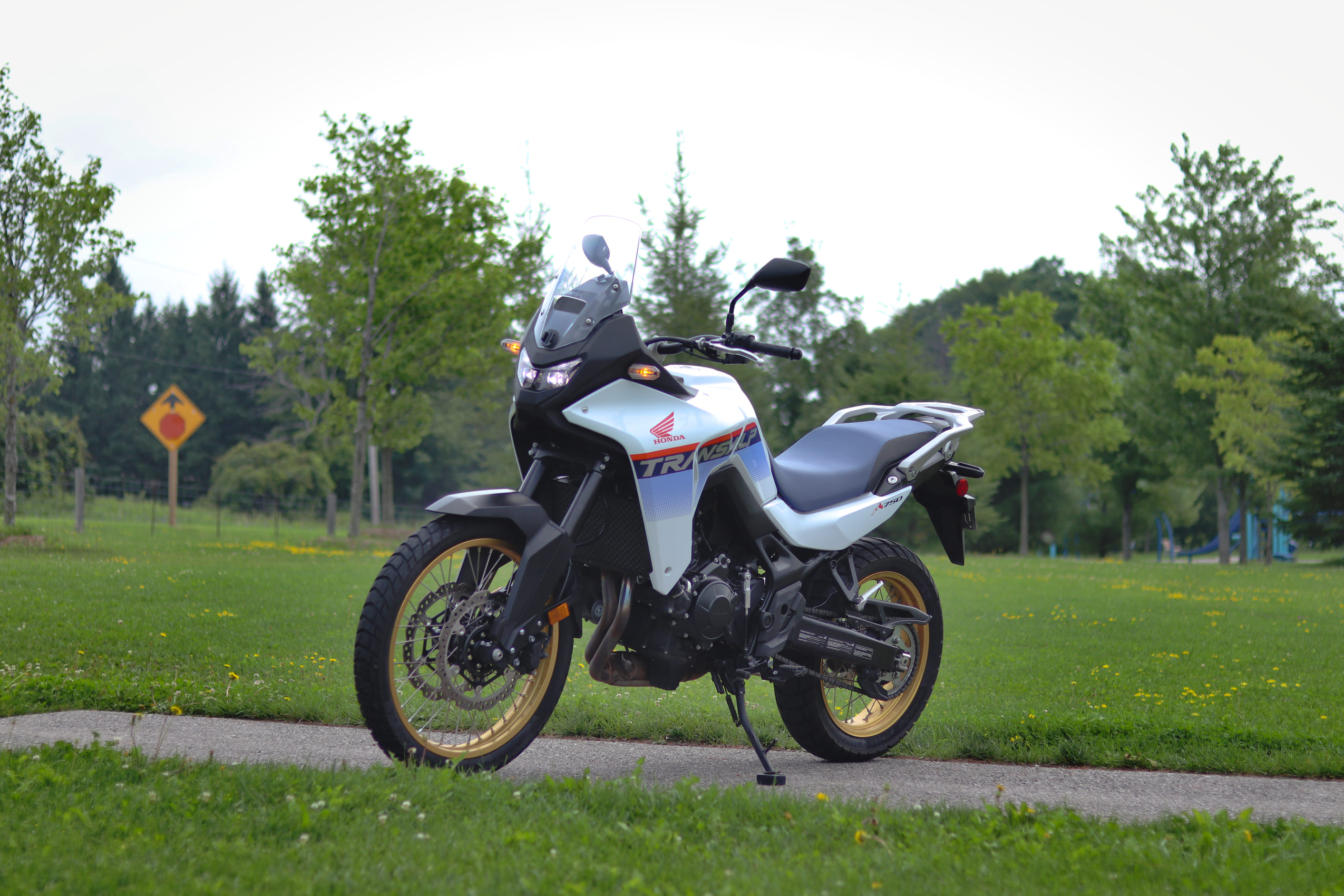
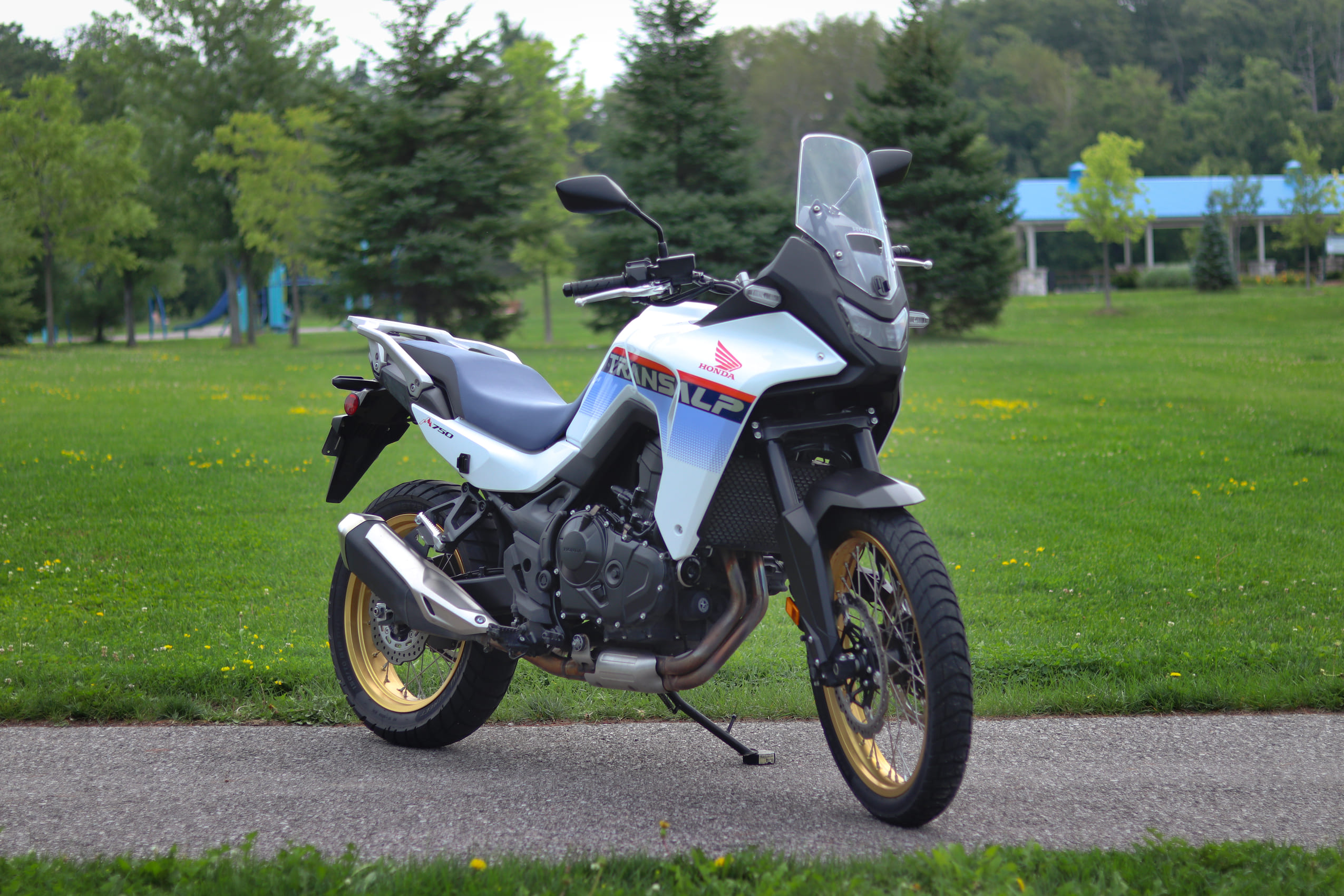
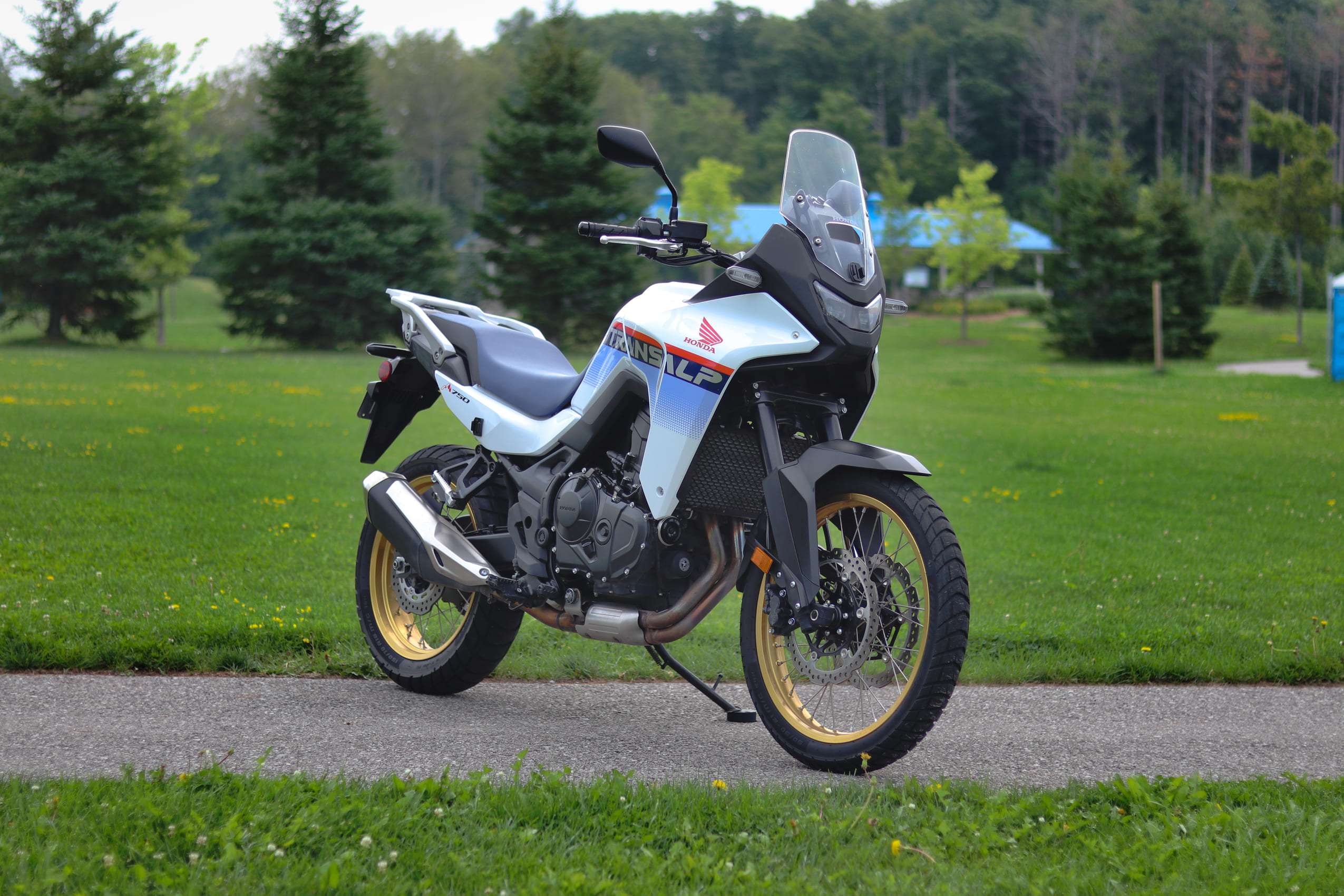
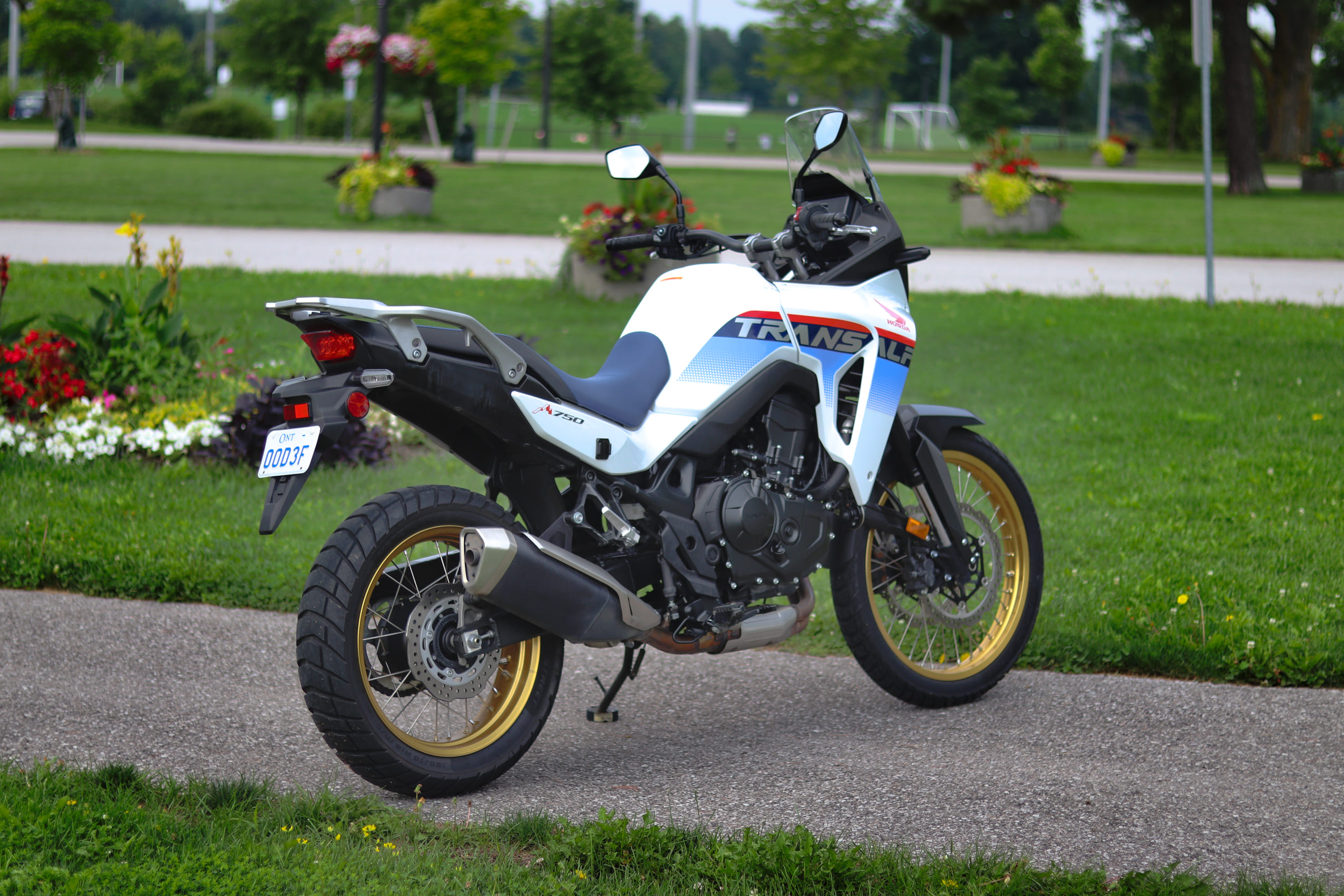
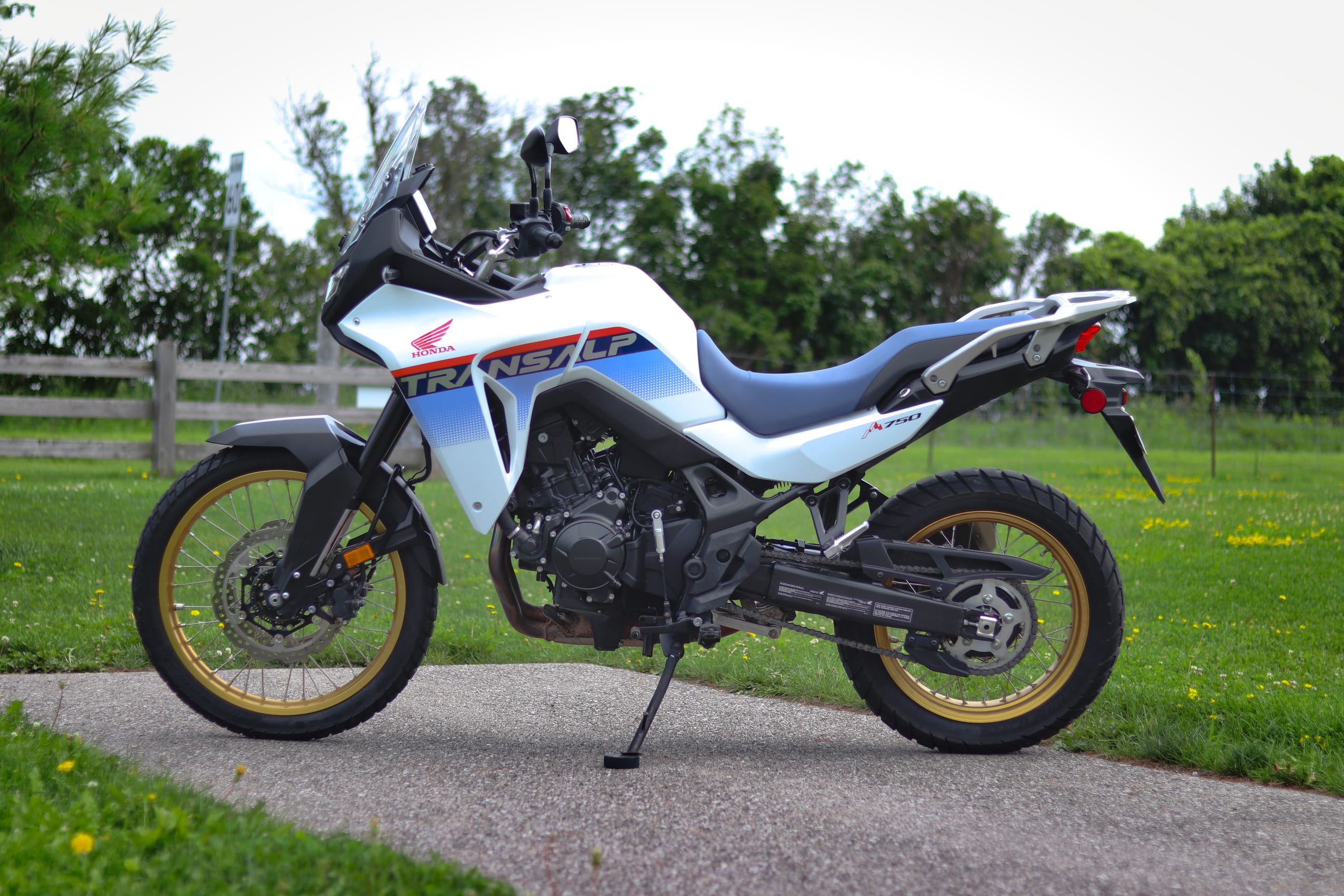
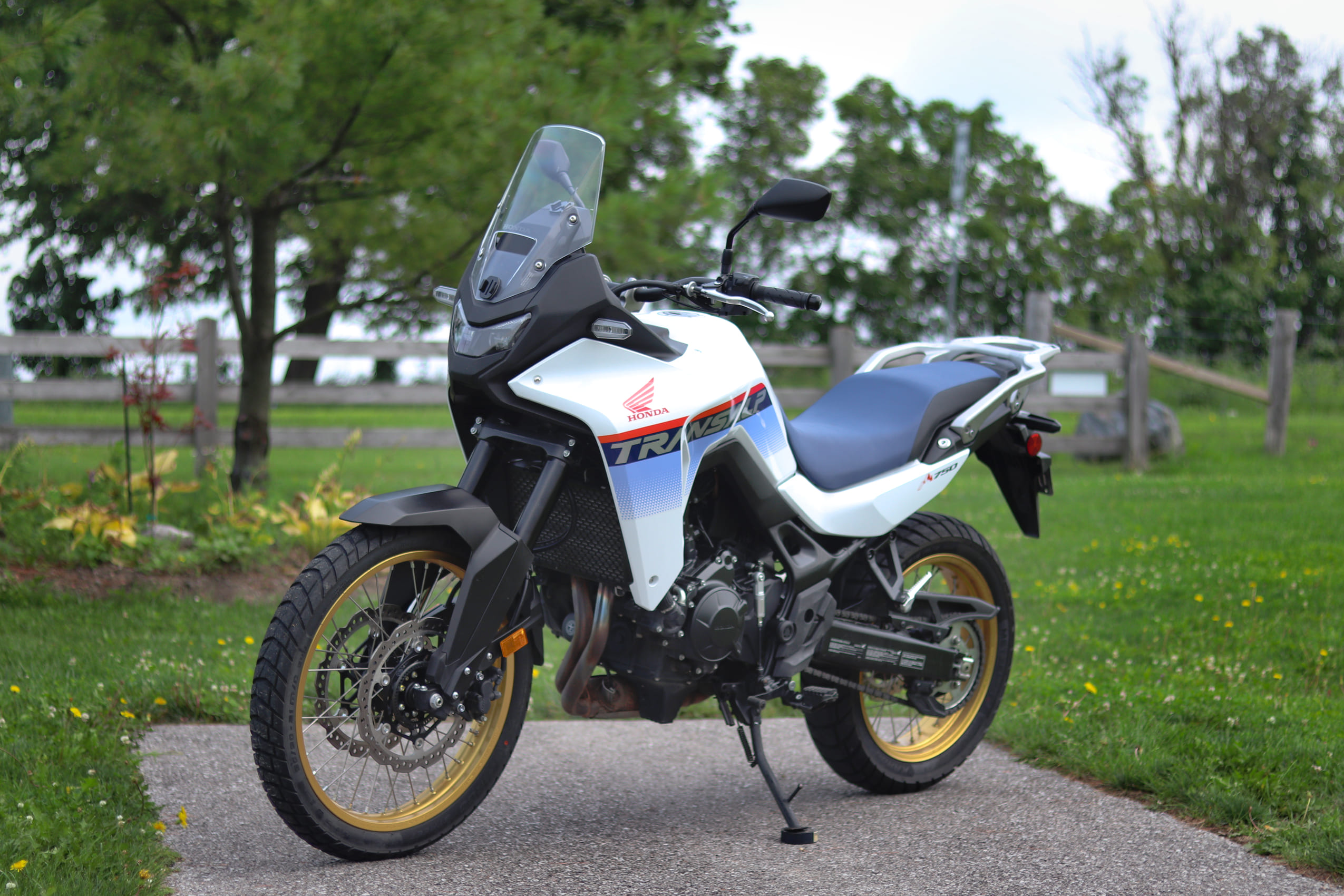
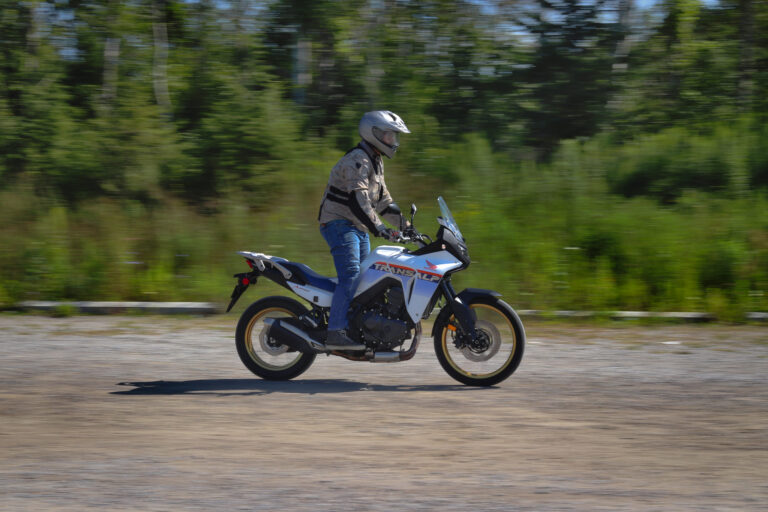
Visually, the Transalp completely refuses to participate in the current ADV dick-measuring contest. Where rival manufacturers are sculpting aggressive, beak-heavy, post-apocalyptic rally towers that look like they belong in a Mad Max reboot, Honda’s design team essentially drew a clean, unpretentious motorcycle. It’s a study in functional minimalism: smooth fairing lines, a compact LED headlight borrowed from the CB500X family, and a silhouette so refreshingly understated it almost borders on stealth. There are no fake carbon accents or useless plastic armor panels trying to convince the guy next to you at Starbucks that you’re on day four of the Trans-America Trail. It looks like a motorcycle designed by adults for adults who actually intend to ride the thing.
Sit on it, and the Transalp’s geometry immediately betrays Big Red’s obsessive ergonomic playbook. The cockpit is a masterclass in neutral human packaging. Instead of perched-on-top-of-a-step-ladder feeling of a tall-seat rally bike, you drop into a pocket that feels disarmingly natural, with a narrow midsection that lets your knees tuck neatly against the tank. The reach to the wide handlebars is natural, the footpegs sit precisely where your boots expect them to be, and the standing position doesn’t force you into a awkward hunch. It’s an arrangement that translates to zero fatigue whether you’re filtering through urban congestion or spending six continuous hours droning down a desolate slab of interstate.
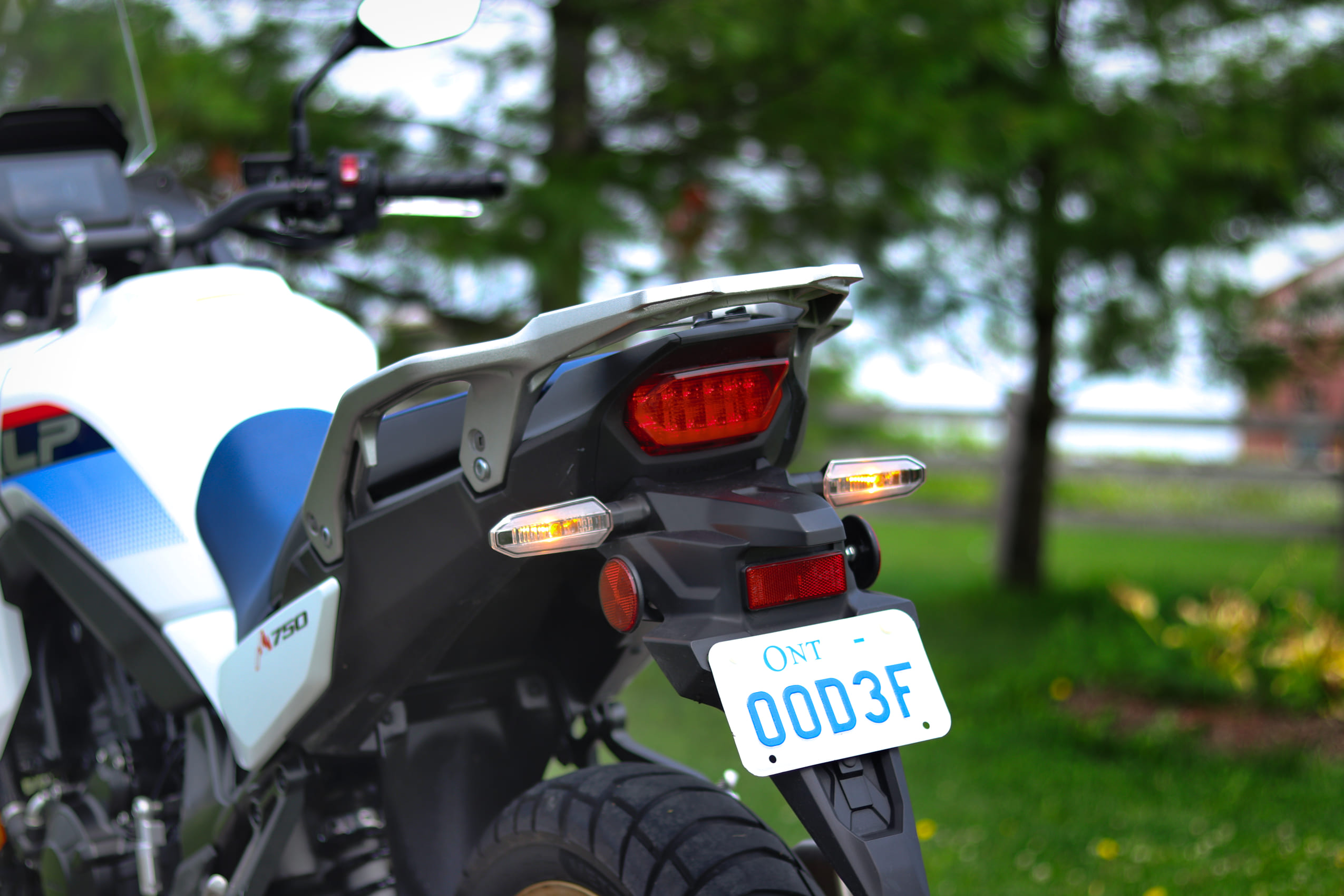
Then you look toward the back and spot the details that highlight Honda’s obsession with utility—most notably that rear top-case cradle integrated directly into the subframe grab handles. Where other brands force you to wade through an expensive accessories catalog just to mount a basic tail bag, Honda gives you a rugged, cast-aluminum rear rack as standard gear, complete with built-in tie-down points and an integrated skid plate down below. It’s a reminder that this platform wasn’t designed just to look good under showroom lights; it was built to carry a week’s worth of gear, survive the daily commute, and quietly execute whatever errand or excursion you throw at it without complaint.
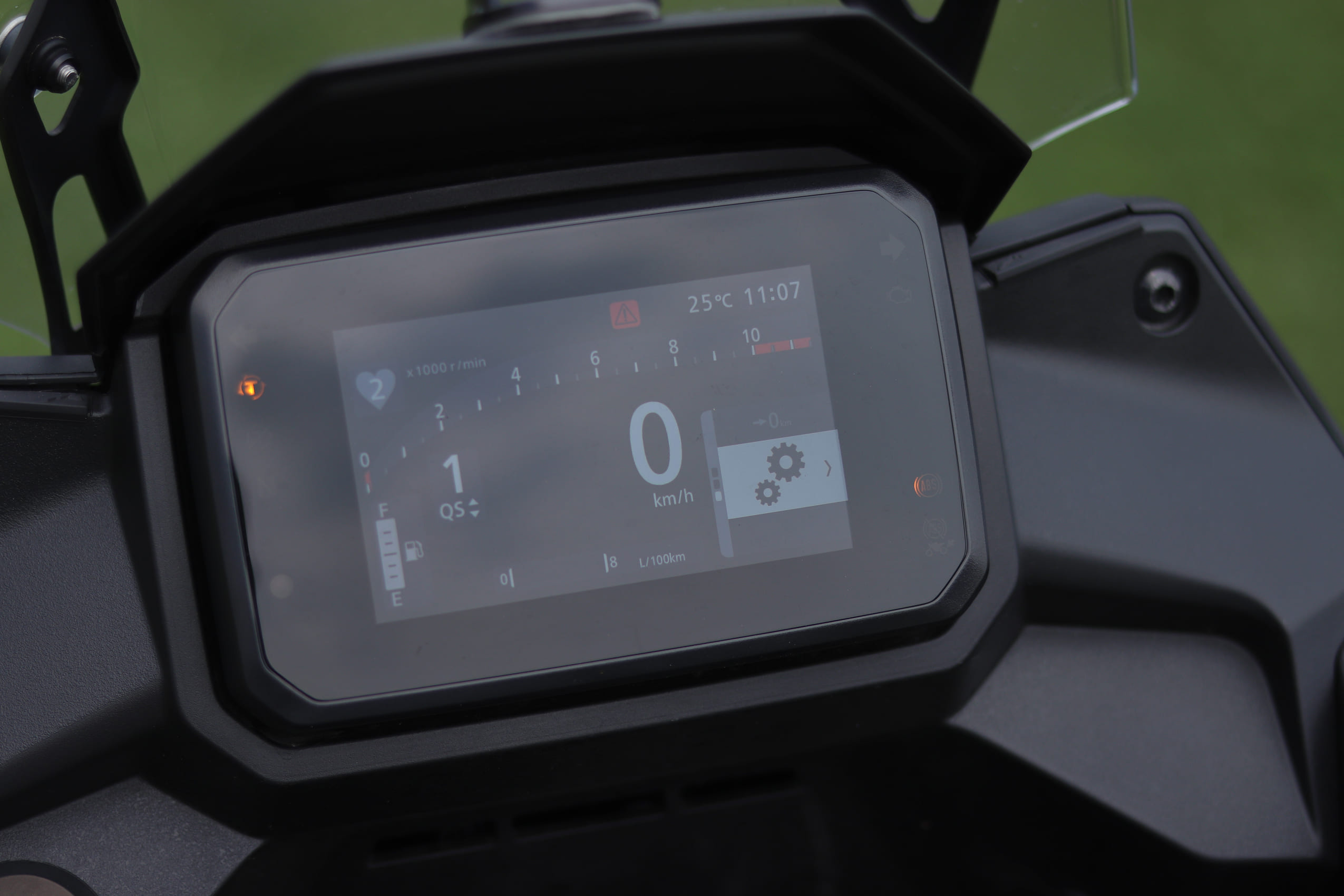
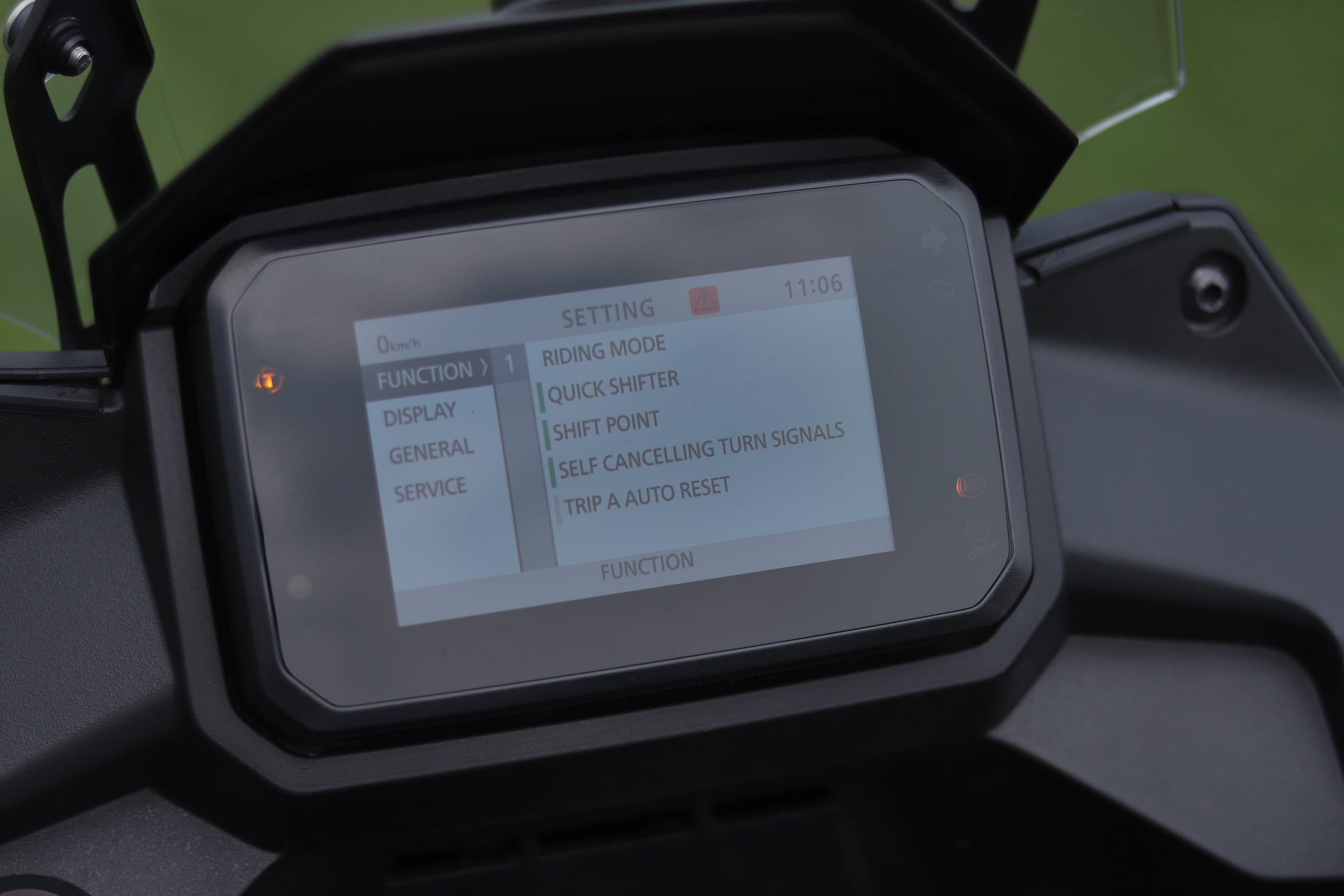
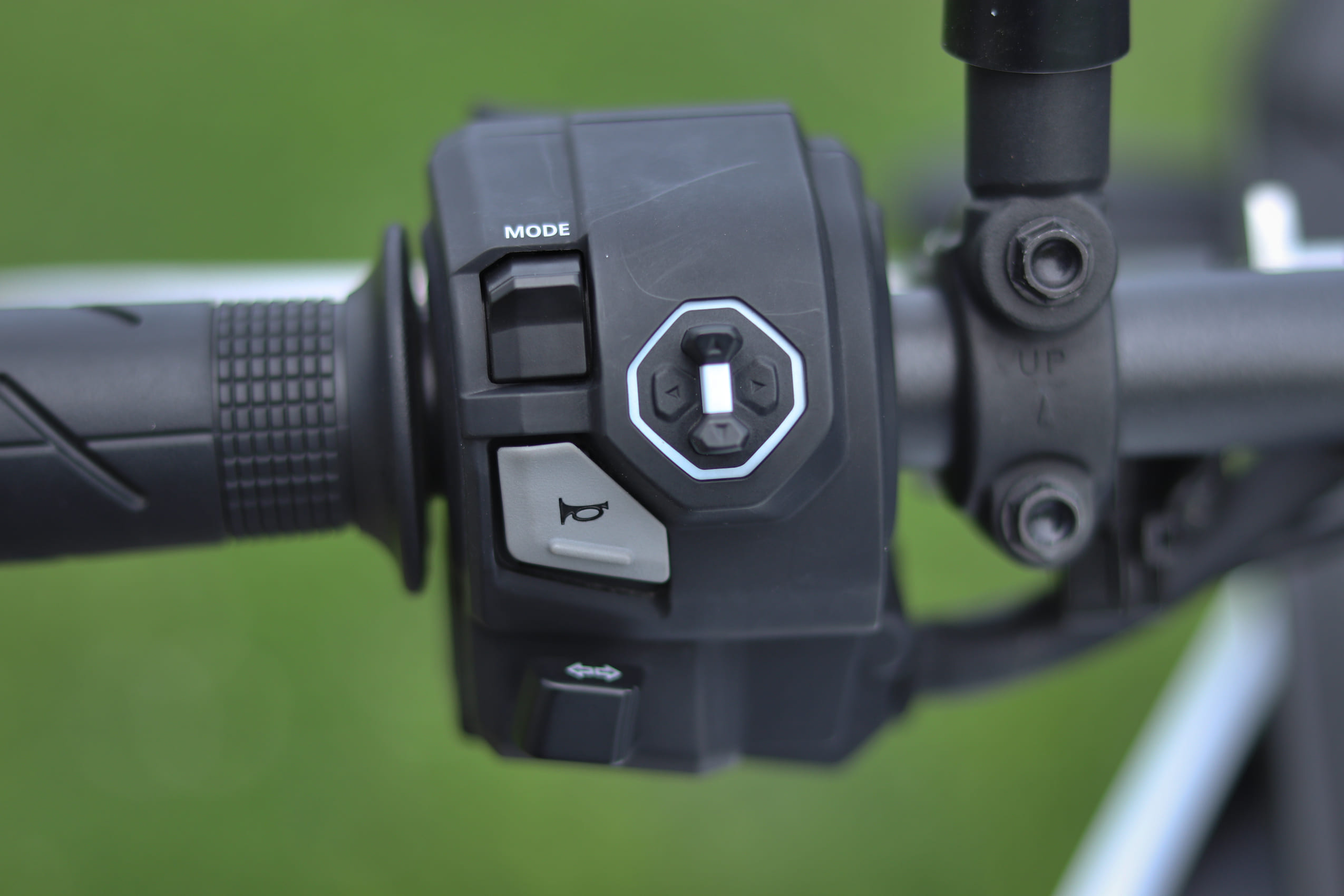
Climb into the tech layout, and you’re greeted by a 5-inch TFT dash that is undeniably crisp, beautifully bright, and blissfully readable even with direct midday sunlight slamming straight into your face shield. But in true modern Honda fashion, the user interface feels like it was designed by a software engineer who genuinely believes menus build moral character. It isn’t immediately intuitive—there is a distinct learning curve to figuring out how Big Red’s left-hand switchgear navigates through riding modes, traction control settings, and custom displays. Give it a few days, though, and muscle memory takes over; what initially feels like a rubik’s cube suddenly becomes a second-nature flick of the thumb, giving you total control over the bike’s brain without having to pull over to consult a manual
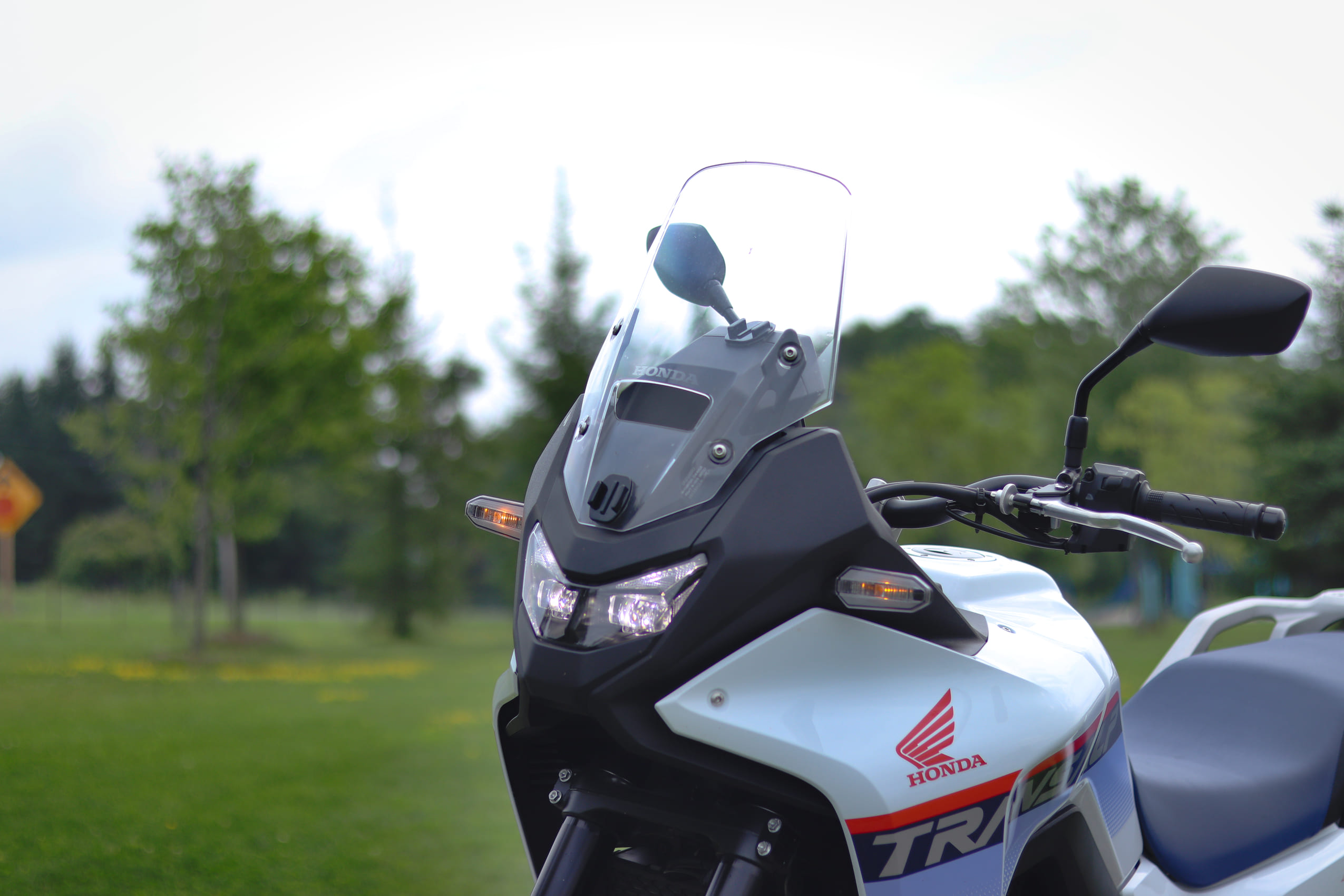
That slab-riding capability is backed up by a surprisingly effective aerodynamic package. The stock windscreen looks minimal—almost deceptively small—yet Honda’s wind tunnel magic manages to punch a remarkably clean hole through the air, channeling high-speed buffeting up and over your helmet without the annoying helmet-shake or turbulence that usually plagues stock ADV screens. Between the supportive saddle and the calm pocket of air, it’s a setup that favors active control and effortless long-distance endurance over immediate, soft-cushion indulgence—a subtle reminder that this chassis was built to cover massive ground, not just sit on a showroom floor.
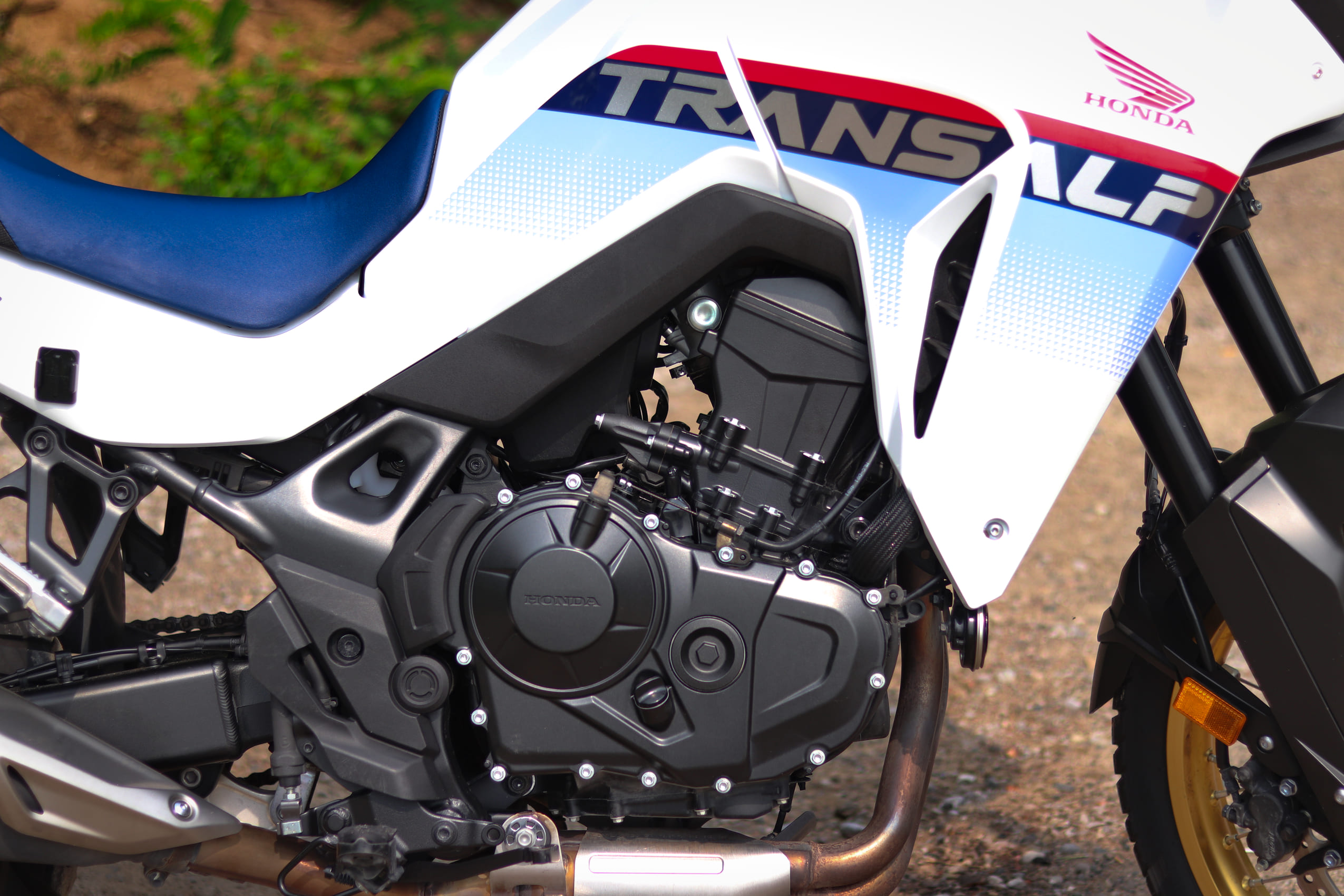
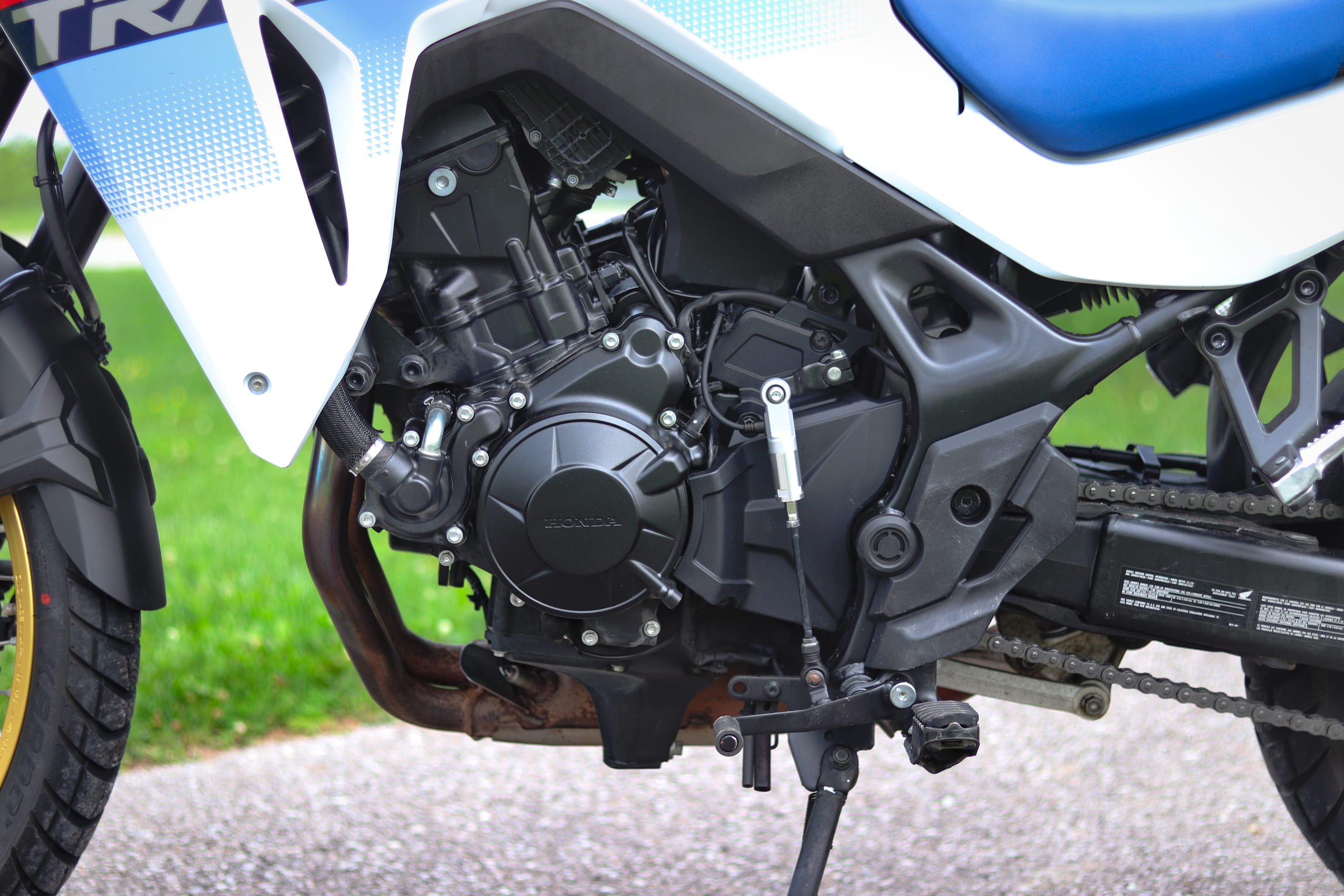
Underneath that unassuming bodywork sits the technical crown jewel of the whole platform: a 755cc liquid-cooled parallel twin. Rather than giving us a standard 180-degree layout, Honda opted for a 270-degree crankshaft, instantly delivering that off-beat V-twin rumble, linear traction, and character. Up top, it runs a Unicam valve train borrowed straight from their CRF motocrossers—a single overhead cam operating the intake valves directly while using rocker arms for the exhaust, keeping the cylinder head ultra-compact. With an 87mm bore, a short 63.5mm stroke, and an 11:1 compression ratio, this mill pumps out a claimed 90.5 horsepower at 9,500 RPM and 55.3 lb-ft of torque at 7,250 RPM. It’s an engine that loves to rev, pulling with a surprisingly athletic top-end rush that makes its displacement class feel completely obsolete.
Feeding that engine is a full Throttle-By-Wire suite, governing four preset riding modes—Sport, Standard, Rain, Gravel—and two customizable User modes. Down on the left foot peg, the shifting story gets even better. Standard equipment includes Honda’s electronic shift assistance working alongside an assist/slipper clutch. It handles seamless bi-directional gear changes, delivering razor-sharp auto-blipped downshifts on the street without you ever needing to touch the clutch lever once you’re moving.
For the dirt nerds, the Transalp’s rider aids hit the absolute sweet spot between modern safety and off-road freedom. While you get five levels of Honda Selectable Torque Control (HSTC) and integrated wheelie control, diving into the User modes lets you completely disengage traction control on the fly. Crucially, Honda didn’t cripple the bike’s off-road aspirations with nanny software: while the two-level ABS remains permanently active on the front wheel for safety, switching to off-road settings allows you to completely disable the rear ABS. That means you can lock up the rear tire, slide the tail into gravel switchbacks, and steer on the rear brake just as nature intended, all while the front tire retains just enough electronic safety net to keep you from tucking the front on loose shale.
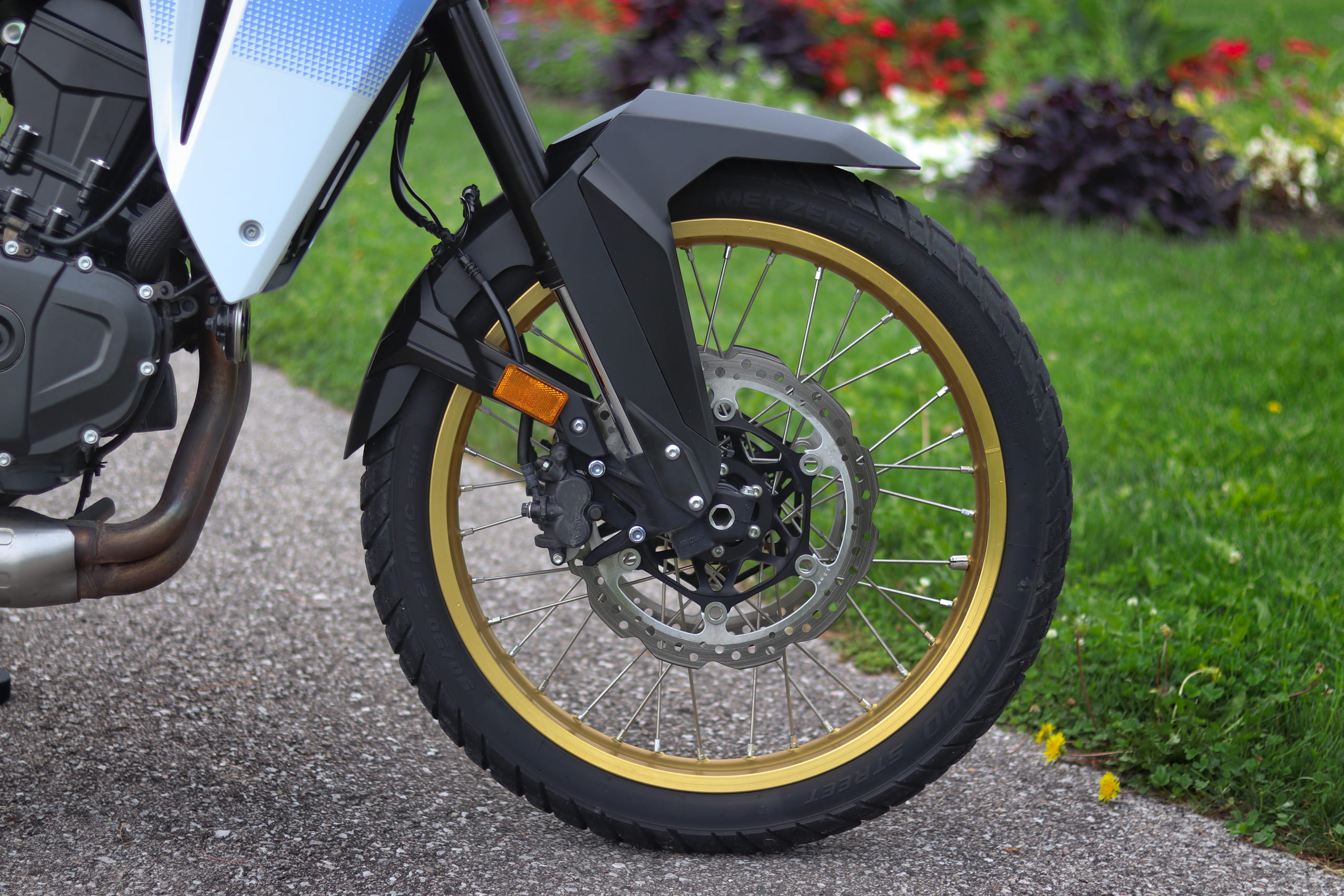
Up under the Transalp’s subframe, the electronic suite connects directly to a chassis hardware setup that reveals a few unmistakable compromises. Suspended by a 43mm Showa Separate Function Fork Big Piston (SFF-CA) up front and a Pro-Link rear shock, the setup offers 7.9 inches of front wheel travel and 7.5 inches at the back. But here’s the kicker for suspension purists: apart from rear spring preload, it is completely non-adjustable. Zero damping adjustments front or rear. Out of the box, the valving is tuned for a plush, compliant ride that gobbles up sharp highway expansion joints and mild fire roads with ease, but push hard into a fast tarmac sweeper or G-out through a wash, and the lack of damping control becomes immediately obvious. Compounding that touring frustration is a baffling omission on the handlebars: Honda somehow left cruise control off the spec sheet entirely—not even offering it as a factory option—forcing long-distance slab riders to rely on aftermarket throttle locks for relief on multi-state highway stints.
When you haul down all that high-revving parallel-twin speed, the braking package leaves a bit to be desired. Up front, dual 310mm wave discs are clamped by axial-mount, two-piston Nissin calipers, paired with a single 245mm disc and single-piston caliper out back. On paper, it sounds adequate, but in practice, the initial lever bite is noticeably soft and squishy, requiring a firm, full-hand squeeze to get meaningful deceleration. Down steep mountain passes or during spirited canyon runs, the bike feels distinctly underbraked for its 90-horsepower output and 459-pound curb weight. It’s a setup clearly valved for forgiving, low-traction off-road modulating so you don’t instantly wash out the front end in the dirt, but on sticky pavement, it lacks the sharp, immediate stopping power and firm lever feel you’d want when scrubbing off real speed.
Thumb the starter button, and all those spec-sheet compromises melt into the background because the Transalp is, above all else, ridiculously easy to ride. The engine fires up with a glorious, raspy exhaust note that punches well above its weight class, instantly setting the tone for an agile, surprisingly punchy platform. Out on the road, the power delivery feels slightly less immediate and hyper-responsive than the low-end wallop of Suzuki’s V-Strom 800 twin, but Honda traded that raw bottom-end hit for a far smoother, more linear powerband that loves to sing up near redline. Elevating that engine character is what might be the single best quickshifter in the entire middleweight class. The auto-blip functionality is pure magic—executing butter-smooth, perfectly timed downshifts with zero transmission snatch, leaving Suzuki’s clunky, agricultural shift feel dead in the water.
When you start pushing the pace, the dynamic cracks begin to show, and the front brakes immediately establish themselves as the weakest link in the chain. Because the initial lever feel is so soft, you quickly find yourself riding it like a lightweight dirt bike—trailing the rear brake into turns to stabilize the chassis and assist the overworked front calipers. The catch, of course, is that a 459-pound adventure bike is emphatically not a dirt bike.
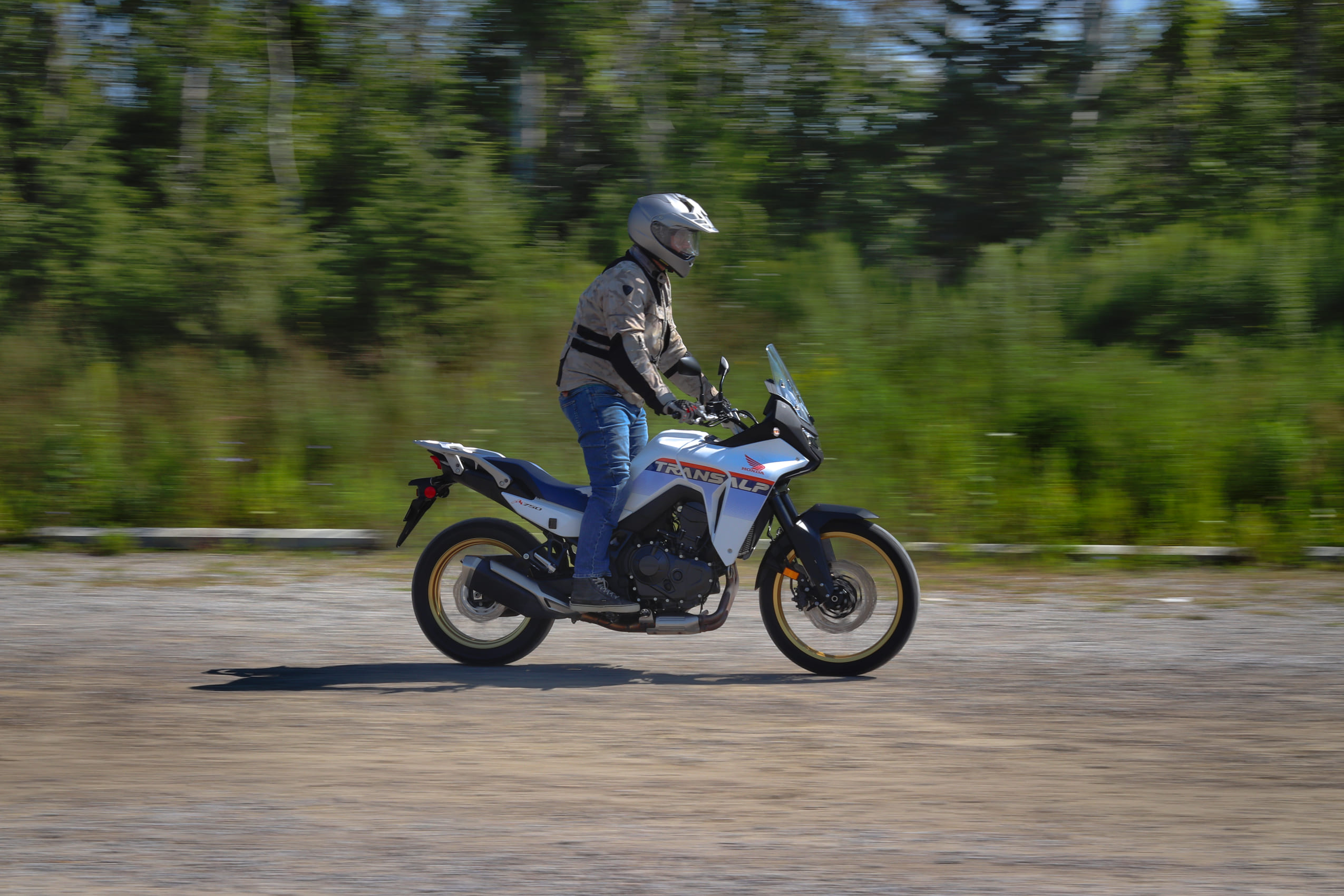
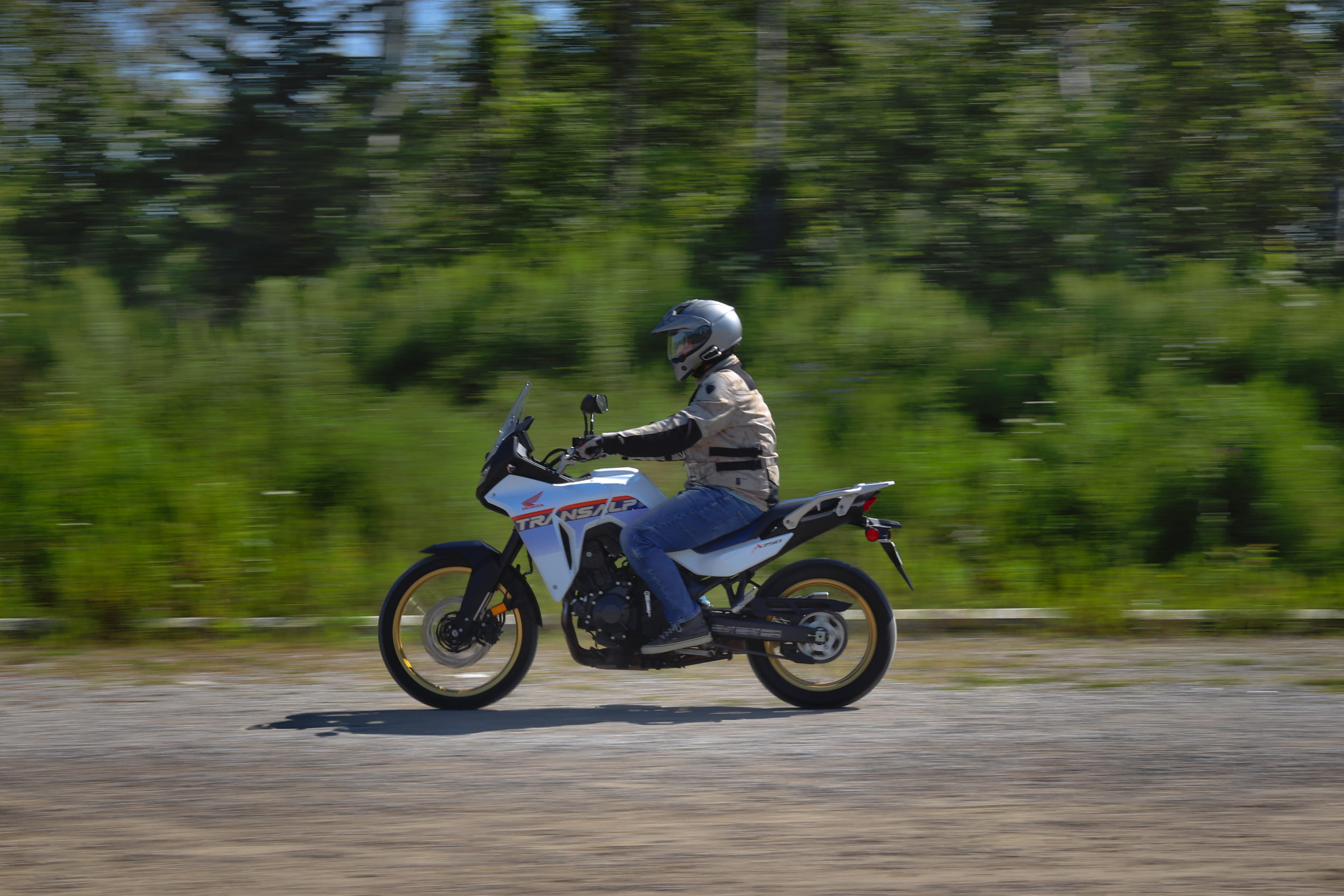
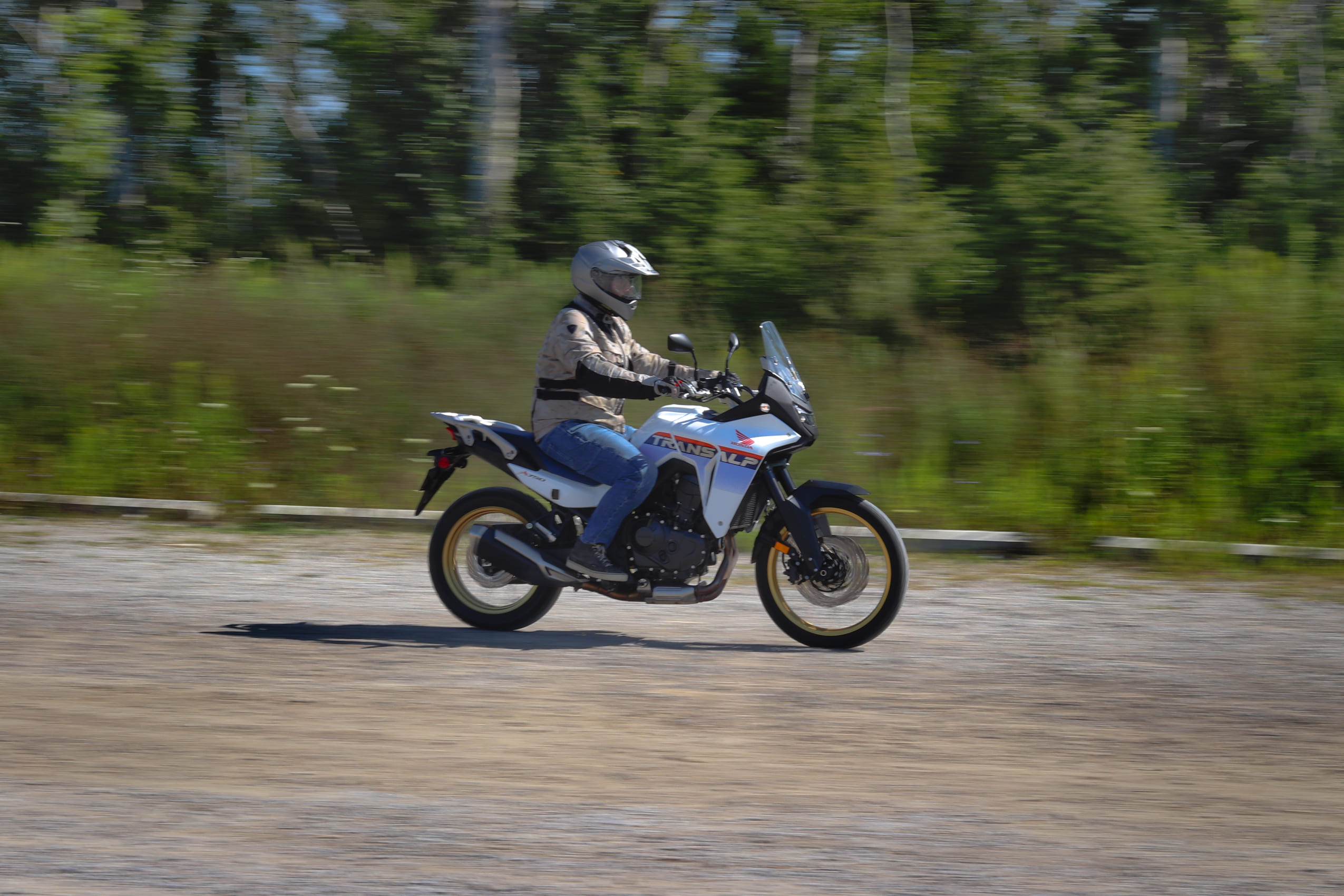
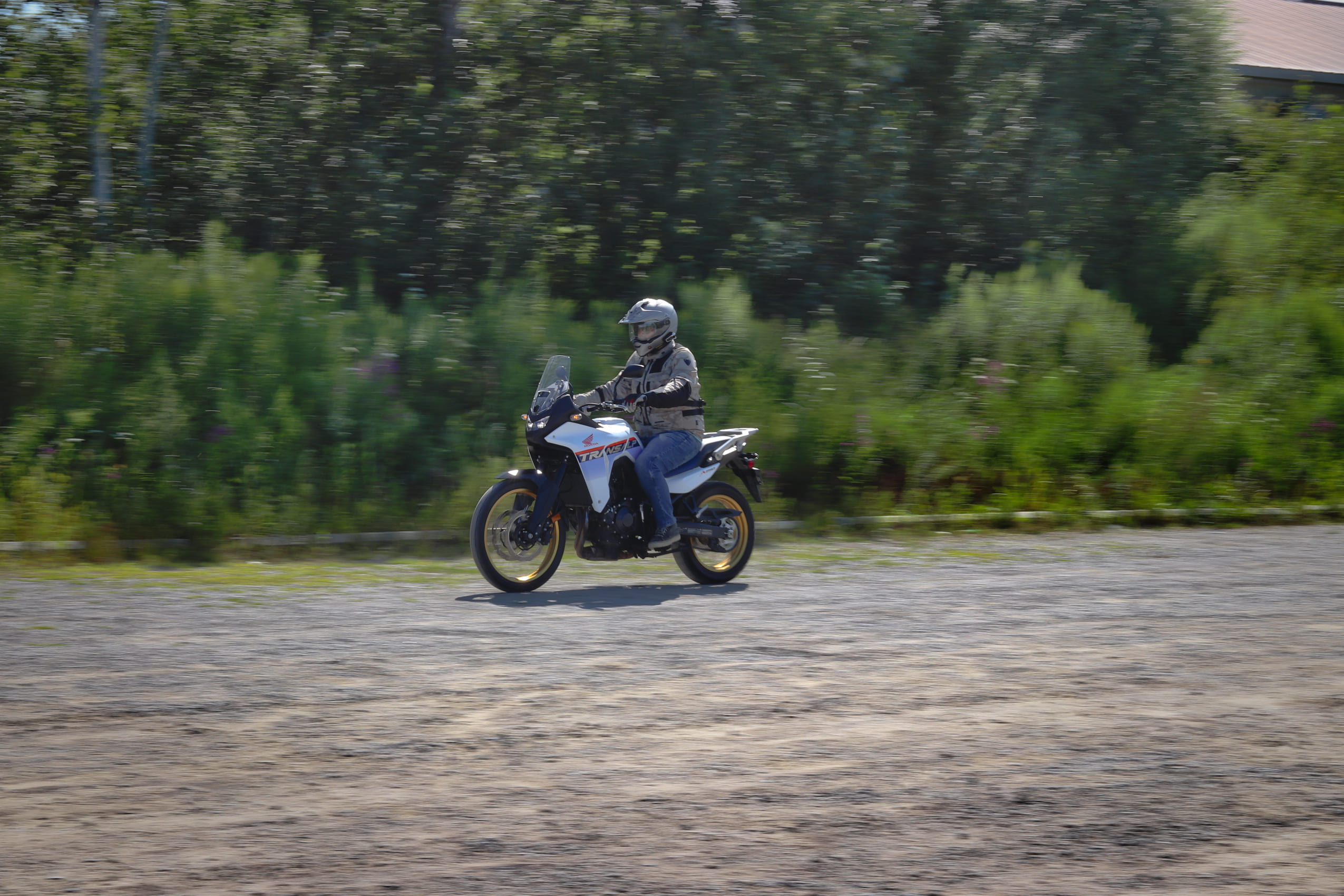
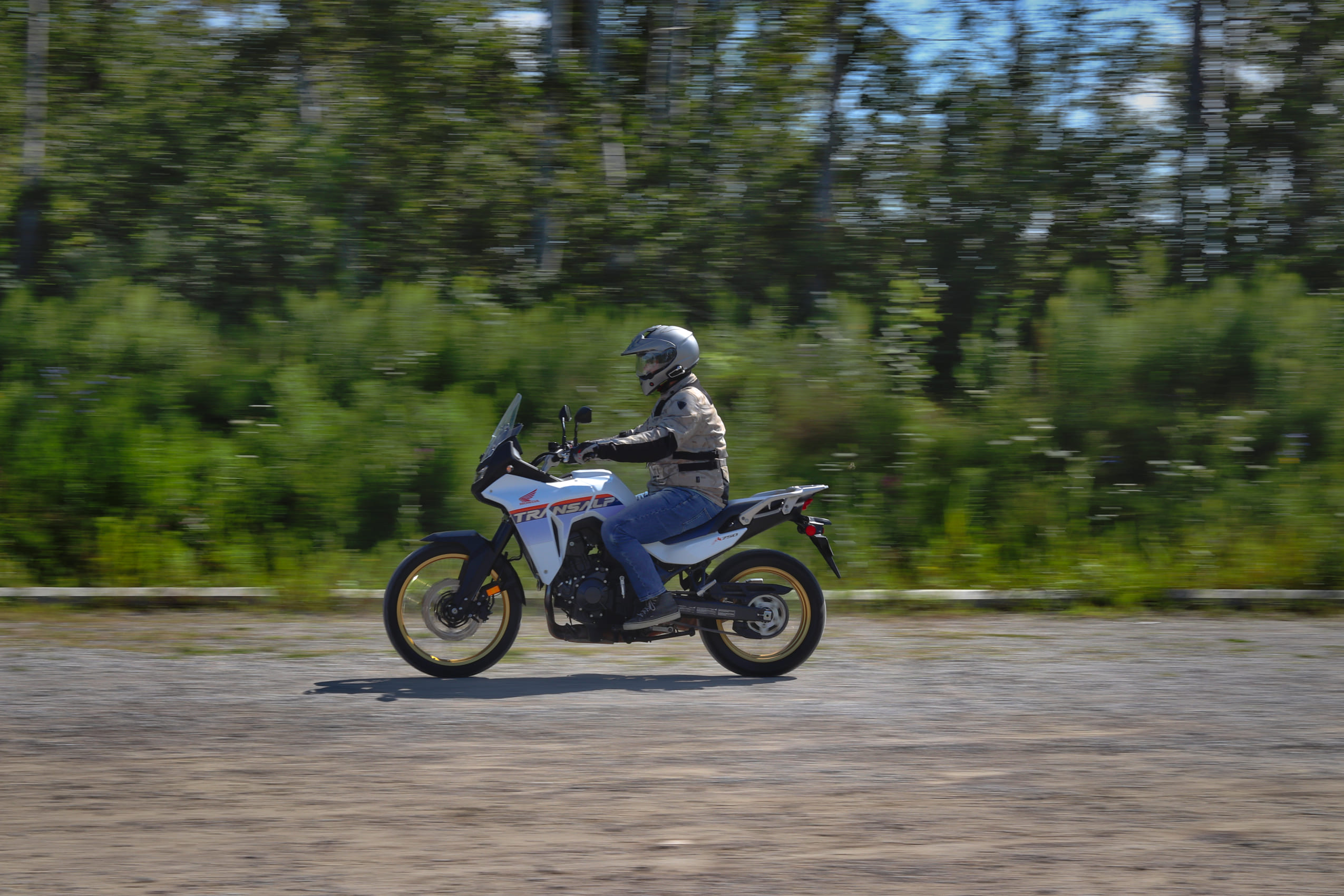
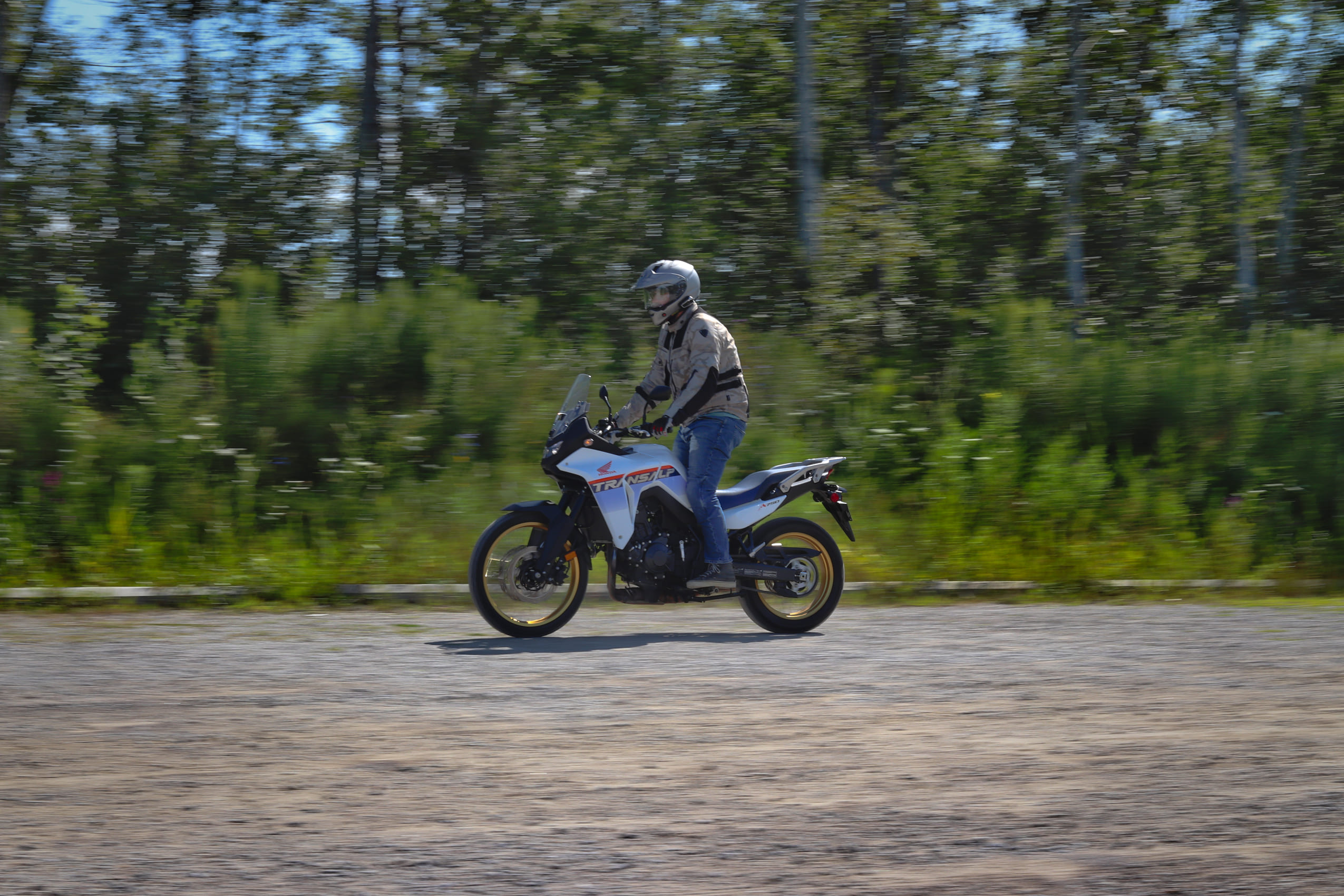
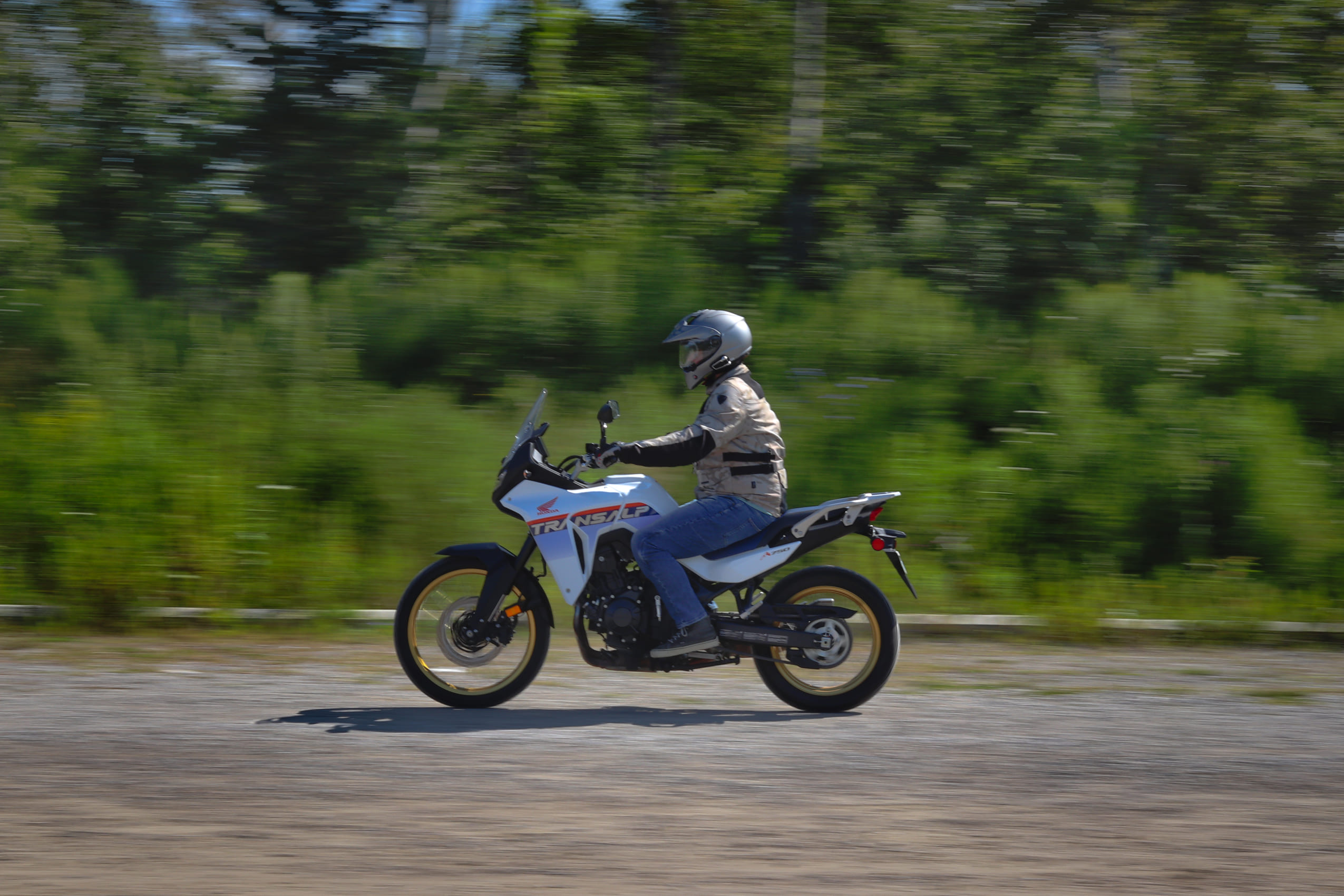
That road-first bias becomes even clearer when you point the front wheel toward the rough stuff. While the 21-inch front wheel gives you the proper rolling geometry to negotiate light-duty off-road tracks, fire roads, and two-track trails, anything remotely technical will quickly expose the chassis’s limitations. The non-adjustable suspension setup is firmly damped for tarmac stability, meaning sharp rocks, deep ruts, and aggressive trail ledges translate straight to your footpegs and wrists. It’s a package that excels at carving backroads and tackling light gravel, but reminds you very quickly that its heart belongs to the pavement.
At the end of the day, the Transalp isn’t trying to be a rugged, hyper-masculine off-roader or a wannabe dirt bike designed to conquer hard enduro tracks. It is, first and foremost, a comfortable, delightfully chill long-distance tourer wearing a functional set of adventure gear. That 21-inch front wheel isn’t there so you can jump log-clears; it’s there to provide unshakable stability across variable pavement, broken asphalt, and loose gravel.
The rest of the Transalp makes no secret of where it belongs: mostly on paved roads and sweeping fire tracks, getting you to your destination with an absolute heap of fun thanks to that glorious, high-revving parallel twin lifted straight from the Hornet. It’s a brilliant, approachable “do-it-all” package that turns every ride into an absolute blast—just so long as your definition of adventure keeps you far away from the technical single-track trails.
| 2026 Honda Transalp Specifications | |
|---|---|
| Engine | 755cc liquid-cooled parallel-twin, 270° crankshaft |
| Power / Torque | 90.5 HP @ 9,500 RPM / 55.3 lb-ft @ 7,250 RPM |
| Fueling | PGM-FI electronic fuel injection with Throttle-By-Wire |
| Front Suspension | 43mm Showa SFF-CA inverted fork; non-adjustable; 7.9-in travel |
| Rear Suspension | Pro-Link single shock; spring preload adjustable; 7.5-in travel |
| Front Brakes | Dual 310mm wave discs with axial-mount two-piston Nissin calipers; ABS |
| Rear Brakes | Single 245mm wave disc with single-piston caliper; switchable off-road ABS |
| Seat Height | 33.5 in (850 mm) |
| Curb Weight | 459 lbs (208 kg) |
| Fuel Capacity | 4.4 gal (16.9 L) |
| Electronics | 5-inch TFT display, 5 riding modes, HSTC traction control, wheelie control, bi-directional quickshifter |
| Price (MSRP) | $13,748 CAD |
| Website | powersports.honda.ca |
The Anti-ADV Hero: Why the 2026 Honda Transalp is the
Leave it to Honda to look at the entire, absurdly over-engineered, $25,000 middleweight adventure segment—a market flooded with hyper-focused rally…

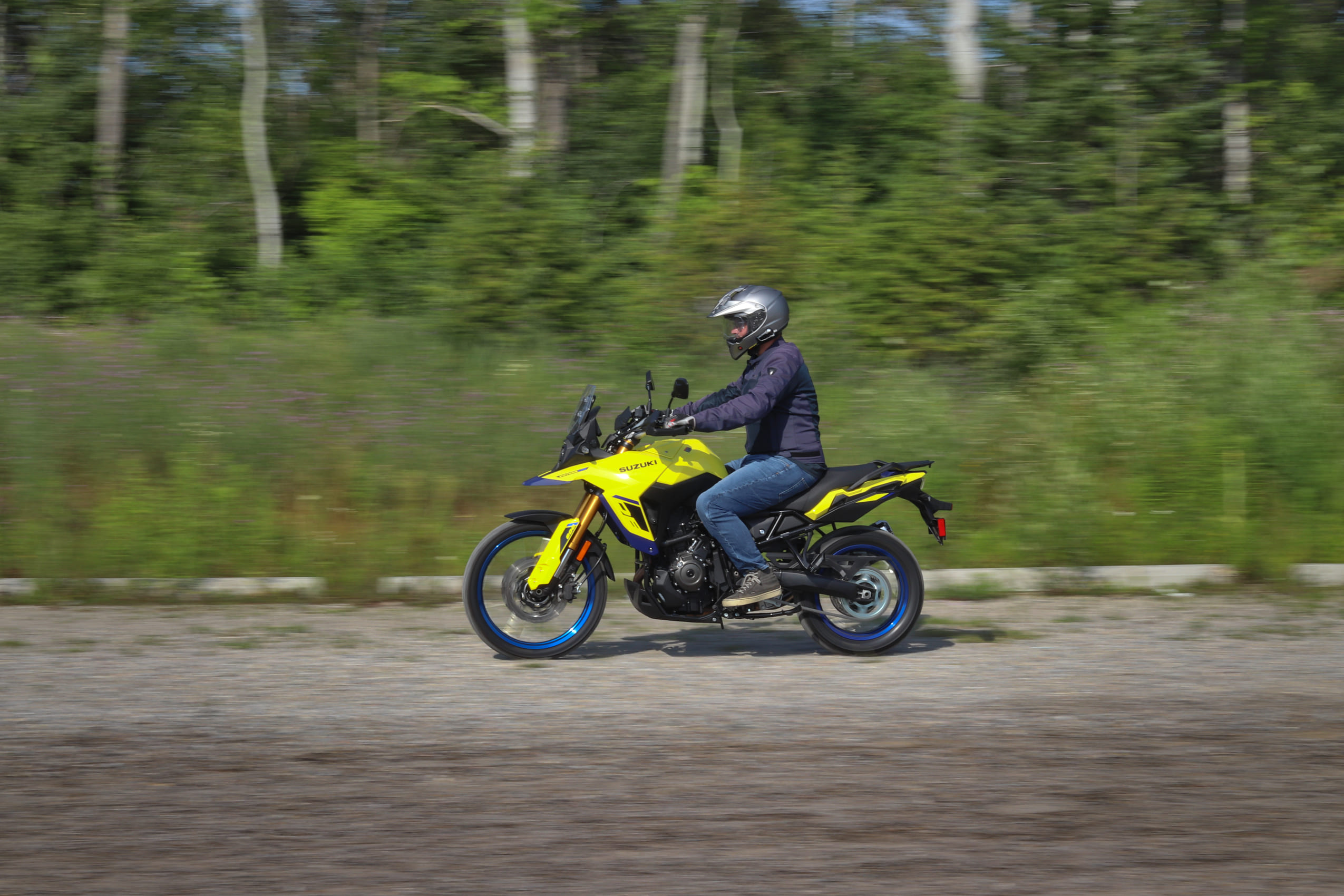
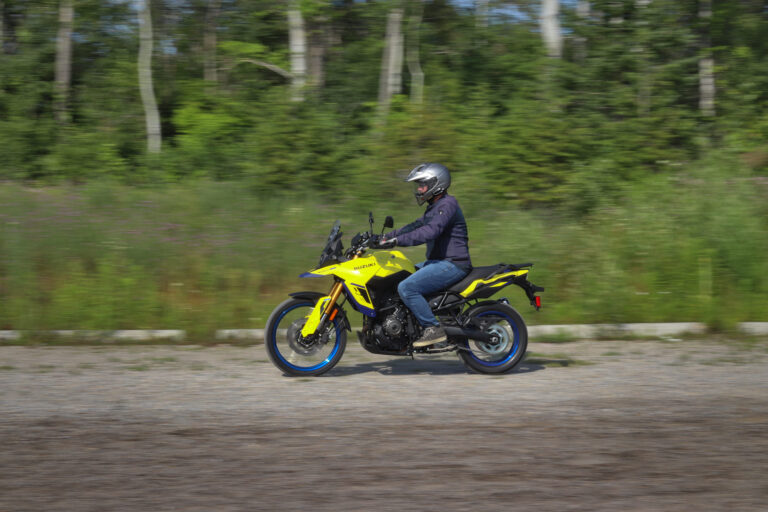
2026 Suzuki V-Strom 800DE: No V-Twin, No Problem
Words are supposed to mean things. The “V” in V-6 means a V-layout, and for two decades, the “V” in…
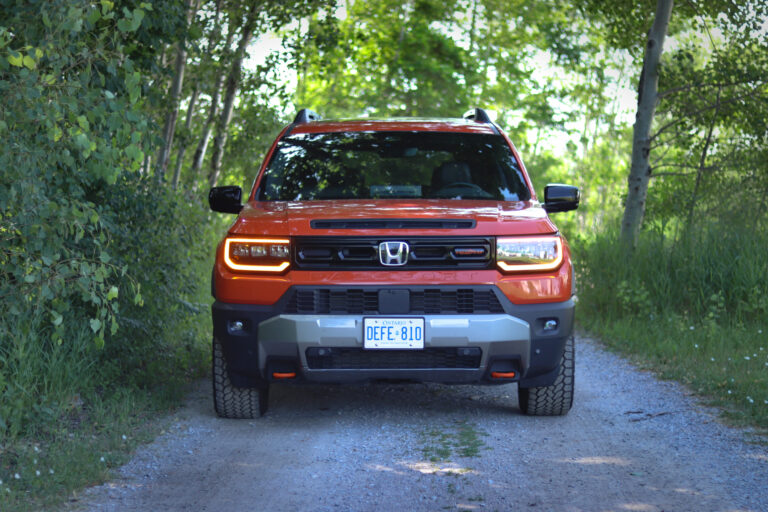
2026 Honda Passport TrailSport Review: The World’s Most Charming Anti-Wrangler
Let’s be honest about what’s actually happening here. Honda knows as well as you do that nobody is taking a…
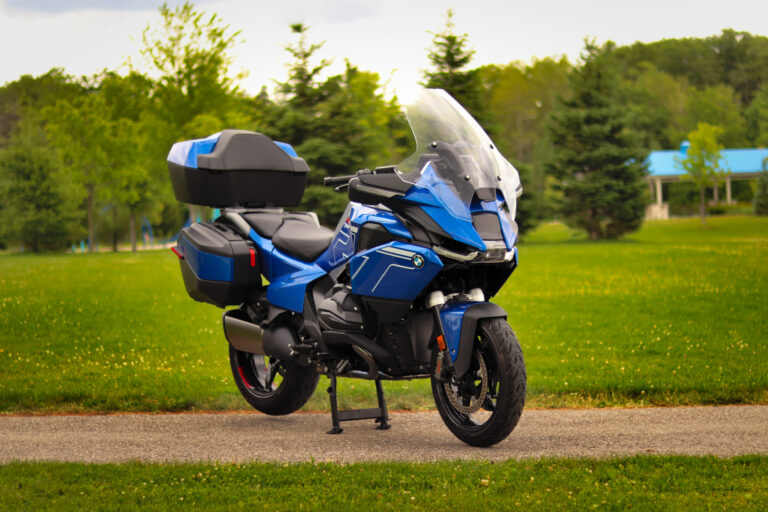
2026 BMW R1300RT: Radar-Guided, Clutchless, and Unreasonably Capable
It is a biological impossibility to look at a 620-pound, radar-guided Bavarian land-yacht and think, “Ah, yes—what this needs is…
The 2026 Ford Bronco Heritage Edition Is a Great, Big,
If we are being completely honest with ourselves, modern retro design is usually a lazy, cynical grift—a plastic tribute act…
The 2026 Toyota Tacoma Manual is a Beautiful, Defiant Mistake
The modern mid-size truck has become an exercise in digitised isolation, a tool designed to conquer the wilderness while shielding…