The Range Rover Sport SV Edition Two exists in that rare, slightly unhinged corner of the automotive world where opulence and outright violence shake hands and order a double espresso. This is not the Range Rover you picture gliding silently past a private school—it’s the one that looks you dead in the eye, tightens its carbon ceramic brakes, and dares physics to complain. Underneath the tailored British accent lives a twin-turbo V8 with enough intent to embarrass sports cars, while the cabin still feels like it was designed for a Vogue photo shoot that just happens to involve 290 km/h. It’s absurd, brilliant, deeply unnecessary—and exactly what happens when Range Rover decides “comfort” no longer needs to apologize for being fast.


Up front, the Sport SV Edition Two makes it immediately clear that this is the sharp end of the Range Rover family tree. The grille sits lower and wider, the intakes are more aggressive, and everything looks like it’s being pulled toward the tarmac by invisible hands. Finished in Nebula Blue matte, the body doesn’t shine so much as it absorbs light, giving the front fascia a menacing, stealth-fighter quality. The darkened badging, exposed carbon accents, and blacked-out details strip away any lingering old-money politeness—this is Range Rover after hours, wearing tailored gym clothes instead of a dinner jacket.
Along the side, the Sport’s design philosophy really diverges from its Range Rover siblings. Where the full-size Range Rover leans upright and ceremonial, the Sport squats lower, stretches longer, and visually compresses its mass. The tapering roofline, tighter glasshouse, and muscular haunches give it a sense of motion even when parked. Those dark SV-specific wheels —filling the arches properly, finally—anchor the car visually, while subtle carbon trim and gloss-black accents replace chrome with intent. It still looks expensive, but now it also looks fast, which is something most luxury SUVs only hope you’ll project onto them.
At the rear, the Sport leans fully into restraint-meets-ruthlessness. The taillights remain slim and minimalist, but the widened stance, dark diffuser, and quad exhaust outlets remind you this isn’t just about presence—it’s about output. The SV badging is almost understated, like a quiet flex, and the matte paint continues to blur body lines into one cohesive, predatory shape. Compared to the rest of the Range Rover lineup, this is the one that feels least interested in tradition and most focused on performance. It doesn’t abandon luxury, but it absolutely reinterprets it—proving that in 2025, a Range Rover can still wear its heritage, while very clearly choosing violence.
Inside, the Range Rover Sport SV Edition Two delivers its usual masterclass in materials, lighting, and atmosphere—right up until you actually try to touch something. Visually, it’s stunning. The screens are crisp, richly animated, and unapologetically high-end, with graphics that feel more Apple keynote than automotive afterthought. The digital gauge cluster is clean and configurable, the central display is bright and razor-sharp, and the cabin lighting makes everything feel curated rather than merely assembled. Sit in it at night and you’ll swear this thing was designed by someone who binge-watched Scandinavian design documentaries and then added a V8 for fun.


But then there’s the big, frustrating misstep: Land Rover went full touch-only. No volume knob. No drive mode dial. No physical backup for the stuff you constantly interact with. Everything—volume, terrain response, drive modes—now lives inside layers of glass and menus. And here’s the thing: this isn’t progress, it’s regression. Volkswagen already tried this experiment and got rightfully dragged for it. Range Rover saw that, leaned in, and somehow made it worse. When a brand built on effortless luxury makes you look away from the road just to adjust volume or switch modes, that “effortless” part quietly exits the conversation.
Thankfully, once you’re done swiping, the rest of the interior reminds you why Range Rover still dominates this space. Materials are exceptional—soft leathers, cool-touch metals, carbon accents where it matters—and panel gaps are tight in a way that feels reassuringly expensive. The SV Performance seats are outstanding: deeply bolstered without being punishing, endlessly adjustable, and supportive enough for aggressive driving while still plush on long highway slogs. Heated, cooled, massaging—of course they are. This is Range Rover; creature comforts are non-negotiable.
Space is generous without feeling wasteful. The Sport doesn’t have the cathedral-like openness of the full-size Range Rover, but that’s the point—it trades excess for focus. Rear-seat passengers get real legroom, proper amenities, and materials that don’t suddenly drop in quality, which is still a quiet flex in this segment. Cargo space is plenty for real life—track bags, weekend luggage, Costco runs—without turning the rear into a shipping container. Tech features are abundant, from premium audio to advanced driver assists, but they mostly stay in the background, doing their job without fanfare.
So yes, the interior is gorgeous, well-built, and undeniably premium. But that decision to delete physical controls looms large—a rare case where chasing modernity actively hurts usability. The irony is that everything else is so good it makes the flaw stand out even more. This cabin is proof that Range Rover still knows how to do luxury with performance… it just needs to remember that sometimes, the most luxurious thing in the world is a knob you can grab without thinking.


Under the hood, the Range Rover Sport SV Edition Two runs on borrowed brilliance—and that’s not a bad thing. The 4.4-litre twin-turbo V8 is BMW-sourced, the same basic architecture you’ll find in the latest M cars, and here it’s tuned for a blend of brutality and civility that feels very on-brand for Range Rover. Power delivery is immediate, linear, and almost suspiciously smooth, routed through a ZF 8-speed automatic that remains one of the best gearboxes in the business. Shifts are quick, clean, and nearly invisible unless you’re pushing hard—exactly what you want in a 600-plus-horsepower luxury missile pretending to be polite.
The all-wheel-drive system is equally serious, even if most owners will never see the systems working at full tilt. Torque is distributed intelligently front to rear, with available electronic locking differentials capable of managing traction on surfaces this SUV was never really bought for. Yes, it has off-road modes—Mud, Ruts, Sand, Rock Crawl—the full Terrain Response suite is here, almost out of muscle memory at this point. There’s genuine hardware backing it up too, including air suspension with adjustable ride height and the ability to claw its way through conditions that would make most high-performance SUVs panic and call roadside assistance. It’s still a Range Rover, after all—even when it’s cosplaying as a supercar.
But the character of this engine is where things get interesting. It’s devastatingly competent, objectively better in every measurable way than the old 5.0-litre supercharged V8… and yet, it doesn’t quite tug at your soul the same way. The power builds relentlessly, the refinement is almost unnerving, and the soundtrack—while purposeful—is muted compared to the theatrical bellow of the outgoing five-litre. That old engine had drama, a sense of occasion, a slightly unhinged edge that made every throttle input feel like a small event. This new V8 is better—faster, more efficient, more sophisticated—but it’s also more restrained, like it’s wearing noise-cancelling headphones.
In a way, that perfectly sums up the Sport SV Edition Two’s powertrain philosophy. It’s extremely capable, deeply advanced, and almost flawlessly executed—but it doesn’t shout about it. The violence is there, just carefully managed and impeccably dressed. It may lack some of the raw theatre of its predecessor, but make no mistake: this thing still moves with an urgency that feels borderline irresponsible for something with this much leather and ground clearance.


One lingering frustration, though: the stability control never fully gets out of the way. For something wearing an SV badge—built to be the most driver-focused, performance-first Range Rover—you’d expect a true “everything off” mode. Instead, there’s always a digital safety net quietly tugging at the leash, just when you want to explore the chassis a bit. It’s capable, it’s composed, and it’s insanely fast—but letting drivers fully disengage the nannies would’ve gone a long way toward making this SV feel as playful and honest as its intent suggests.
On the road, the Range Rover Sport SV Edition Two feels almost surreal in the way it shrinks around you once you’re moving. This is still a large, heavy family SUV by any objective measure, yet the steering is quick, well-weighted, and far more communicative than you expect from something riding this high off the ground. The air suspension does an impressive job of keeping body motions in check, and in its sportier settings the SUV hunkers down and goes about its business with a confidence that feels borderline arrogant. Point it at a fast, flowing road and the Sport SV doesn’t just keep up—it urges you on.
The ride quality walks a fine line between control and comfort, leaning noticeably firmer than other Range Rovers without crossing into punishment. There’s still that signature isolation over broken pavement, but now paired with a tautness that makes direction changes feel deliberate rather than negotiated. It’s not trying to be a track weapon—and it never forgets its mass—but the composure at speed is genuinely impressive. You always know this is a luxury SUV, yet it behaves like one that’s been quietly doing laps at Silverstone after everyone else went home.
Braking is another reminder that this SV badge actually means something. The carbon-ceramic brakes are massive, repeatedly fade-resistant, and brutally effective—but they do take some recalibration from the driver. Pedal feel is extremely stiff for a family SUV, with minimal initial travel and a lot of stopping power compressed into a short window. Once you adapt, the confidence they inspire is huge, especially when hauling down nearly three tons from very illegal speeds. But around town, they can feel abrupt, almost too serious for school-drop-off duty.


Despite all the performance posturing, the Sport SV hasn’t forgotten its job description. Towing capacity comes in around 7,700 pounds, which means boats, trailers, and weekend toys are still very much part of the equation. It remains rock-solid at highway speeds with a load behind it, and the chassis never feels overwhelmed when asked to do real-world work. That duality—super-SUV pace on twisty roads, genuine utility when life calls—is where the Range Rover Sport SV Edition Two really earns its stripes.
In the end, the driving experience is less about outright thrills and more about composure under pressure. It may not shout like the old supercharged V8 models, and it may keep a tighter leash on your fun than purists would like, but it delivers a uniquely high-end blend of speed, confidence, and capability. This is a $227,000 family car that just happens to move like a missile—and it never lets you forget how much engineering went into making that possible.
| Engine | 4.4-litre twin-turbocharged V8 (P635) mild-hybrid |
| Transmission & Drivetrain | 8-speed automatic & all-wheel drive |
| Max power | 626 hp @ 6,000 rpm |
| Max torque | 553 lb-ft @ 1,800 rpm |
| 0–100 km/h | 3.8 seconds |
| Curb Weight | 5,475 lbs – 2,483 kg |
| Fuel Economy (observed) | 16 MPG – 14.7L / 100 km |
| Price (as tested) | $226,770 CAD |
| Website: | https://www.rangerover.com/en-ca/ |
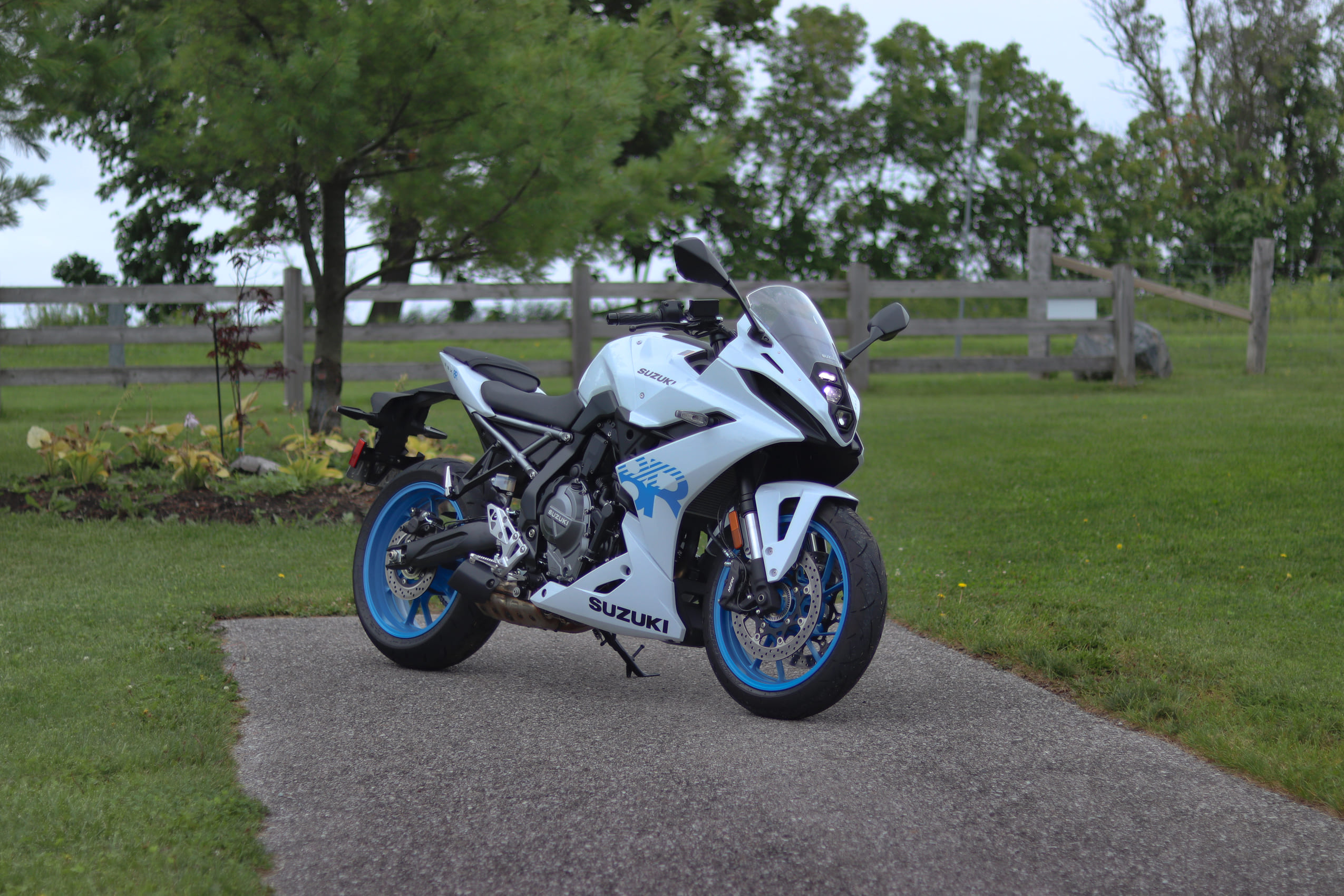
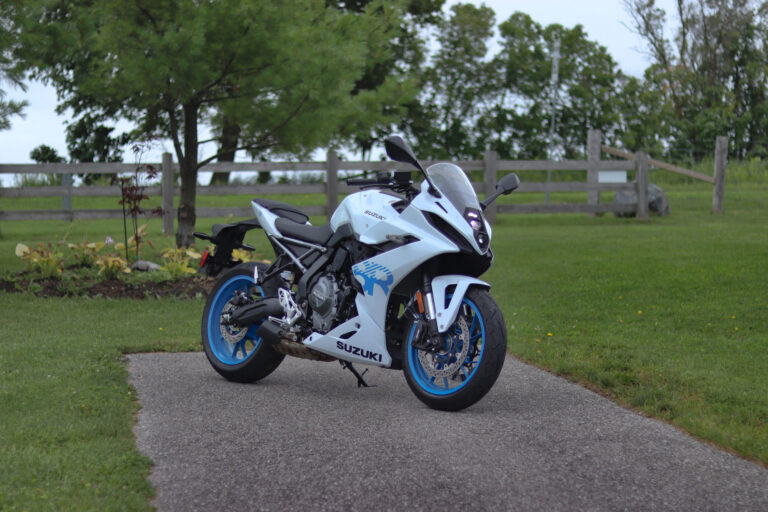
2026 Suzuki GSX-8R: The Middleweight Sport Bike Formula Done Right
The motorcycle world has spent the last decade trapped in a profoundly stupid dick-measuring contest, obsessed with building 200-horsepower, track-focused…

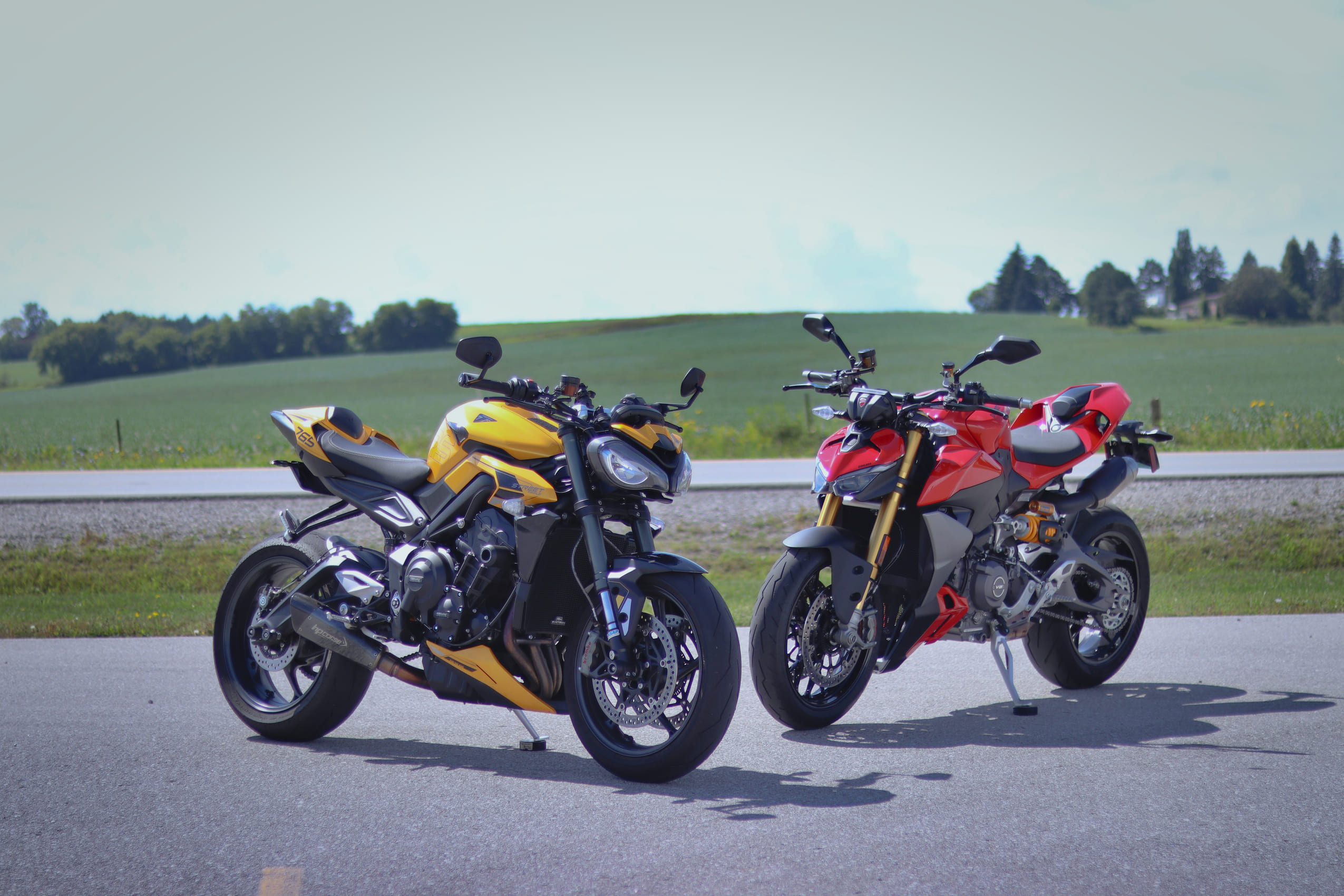
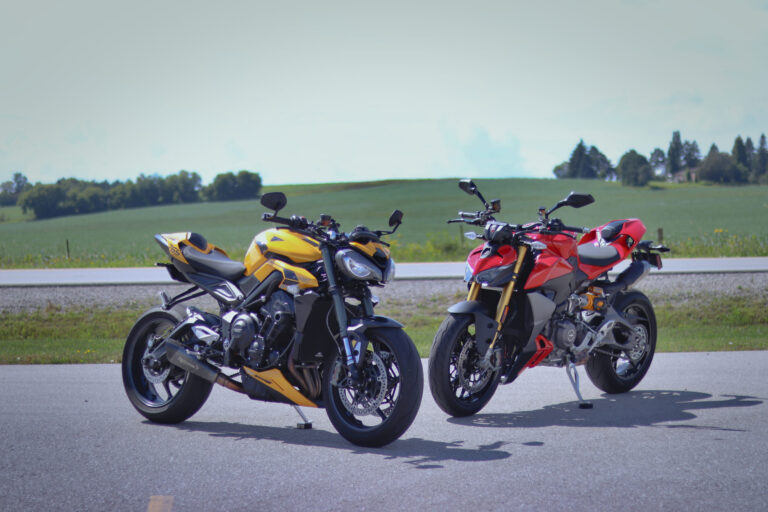
British Precision vs. Italian Violence: 2026 Ducati Streetfighter V2S vs.
Human beings are inherently absurd creatures, but nowhere is that absurdity more evident than in our willingness to strap our…
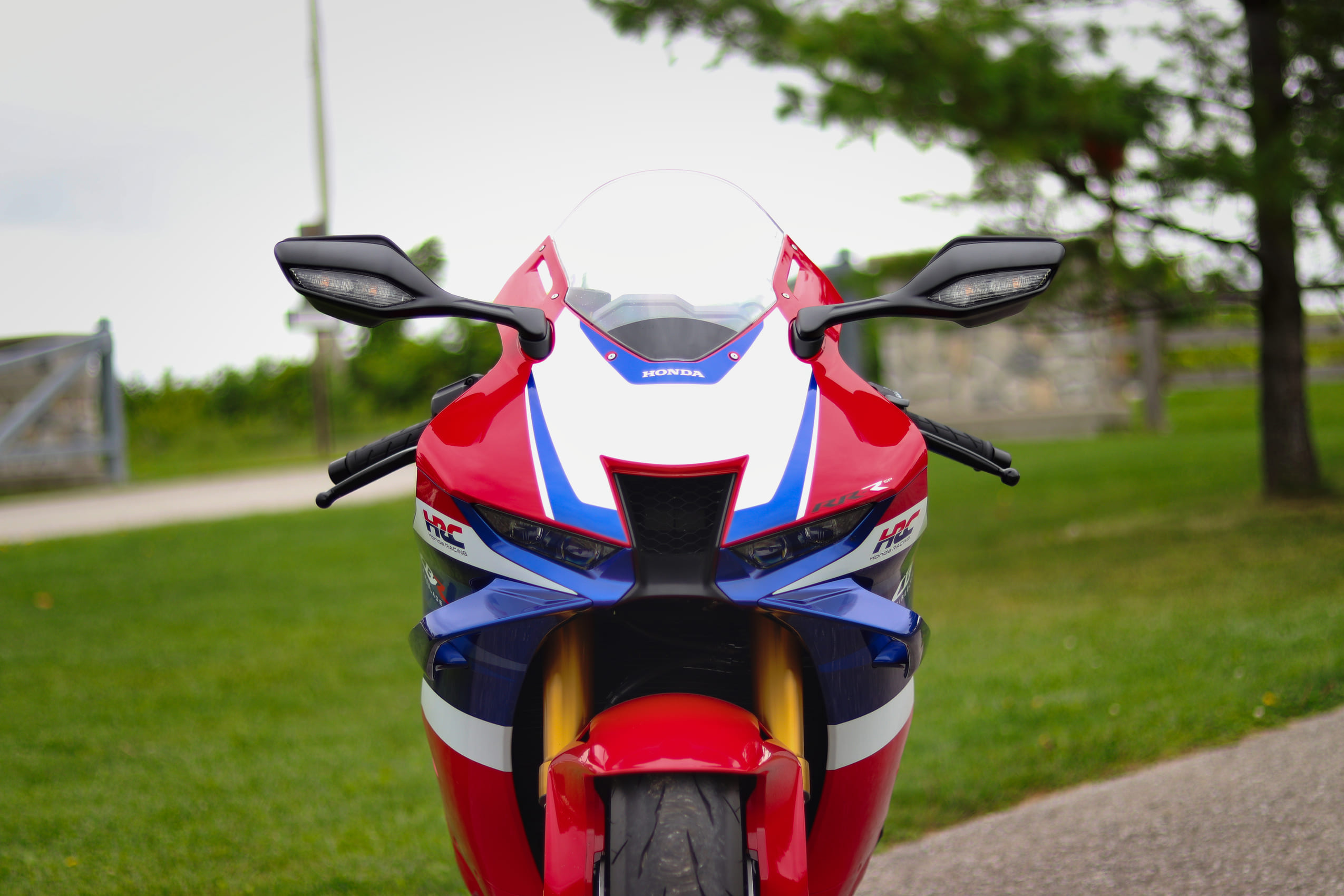
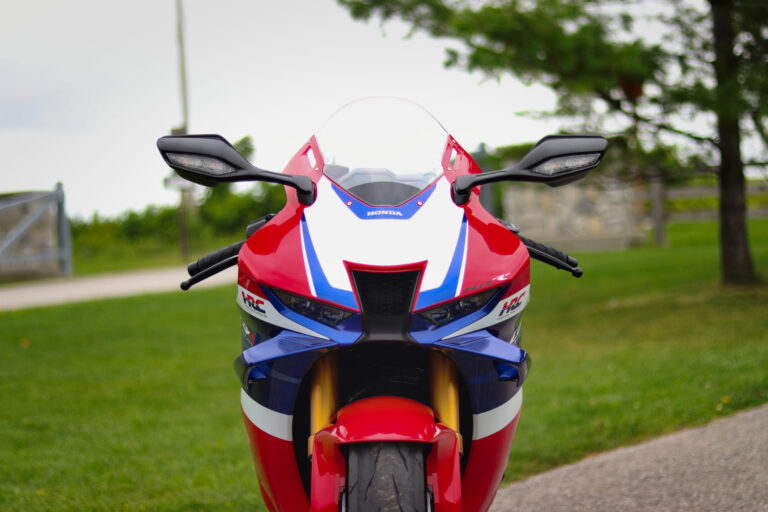
2026 Honda CBR1000RR-R Fireblade SP Review: Pure Mechanical Violence
The 2026 Honda CBR1000RR-R Fireblade SP is not a motorcycle; it is a clinical, unrelenting exercise in absolute mechanical insanity…
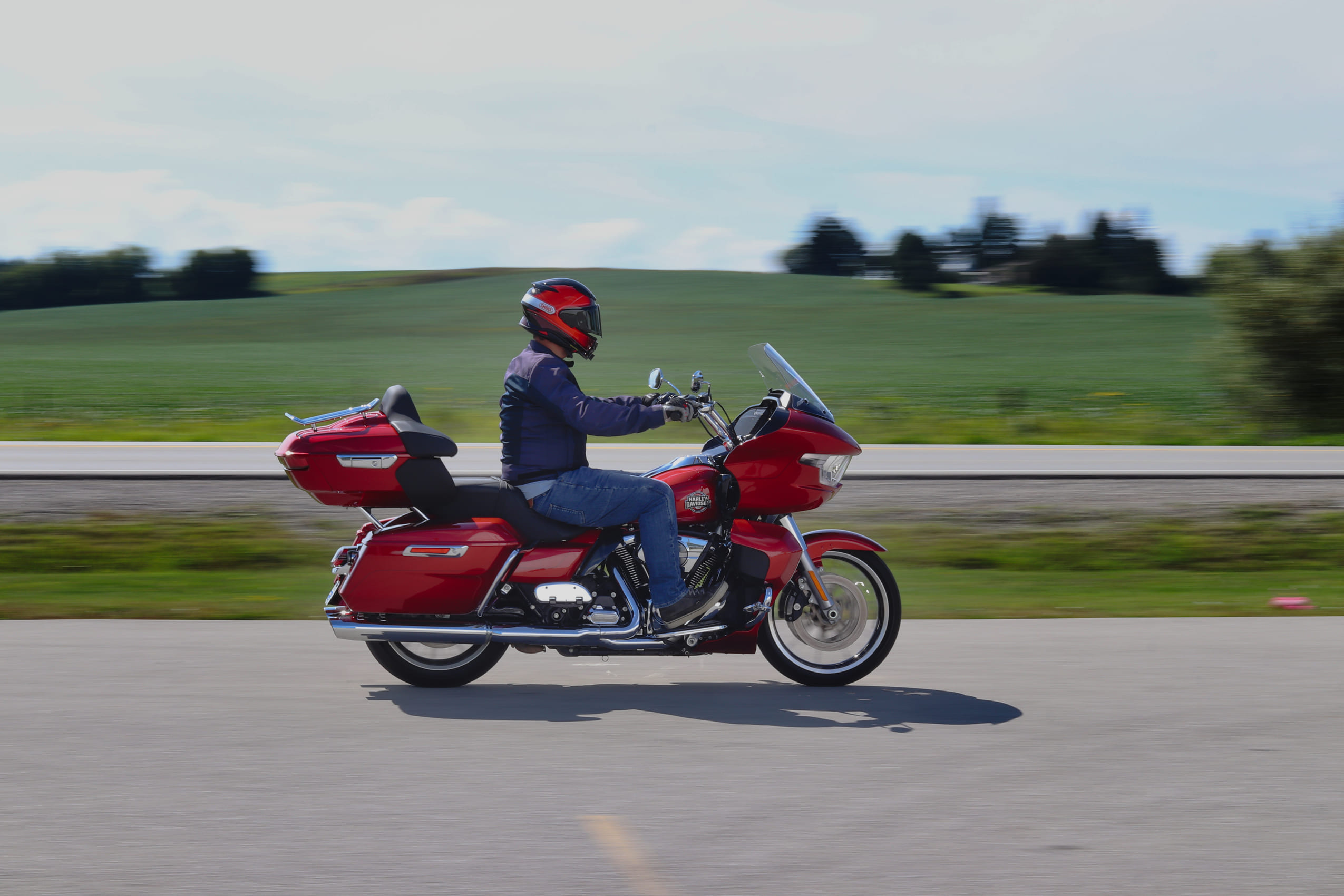
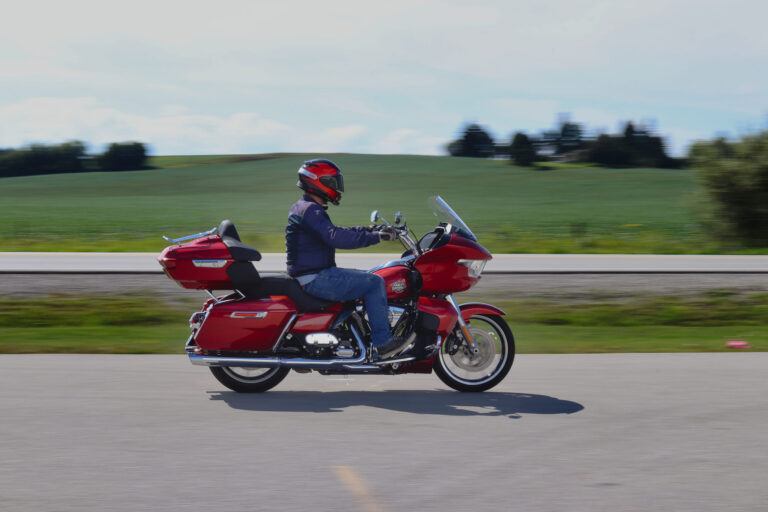
Sharknose Supremacy: Driving the 2026 Harley-Davidson Road Glide
Let’s get one thing straight: the 2026 Harley-Davidson Road Glide shouldn’t make sense. It’s a rolling, 800-pound contradiction—a massive, frame-mounted…
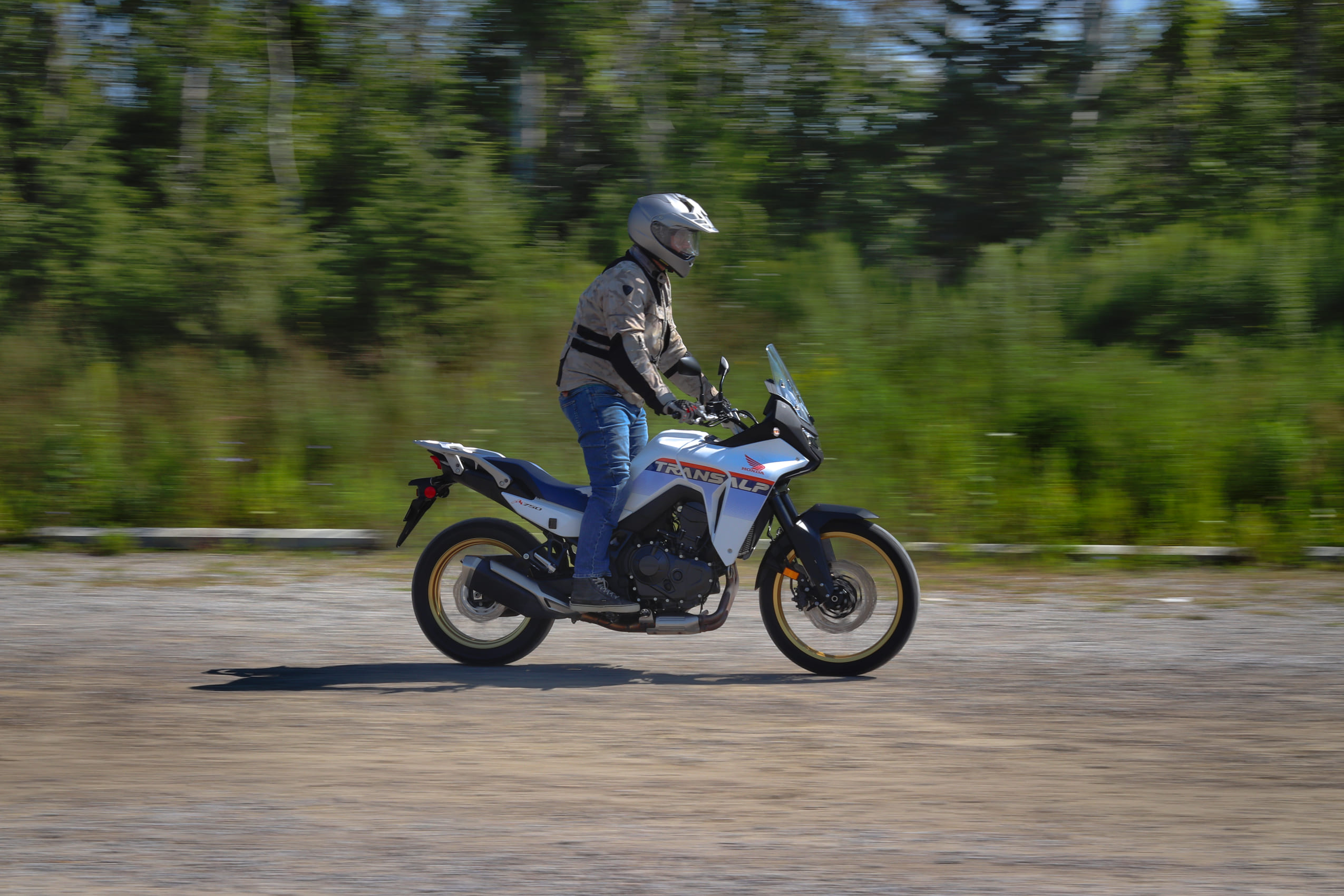
The Anti-ADV Hero: Why the 2026 Honda Transalp is the
Leave it to Honda to look at the entire, absurdly over-engineered, $25,000 middleweight adventure segment—a market flooded with hyper-focused rally…
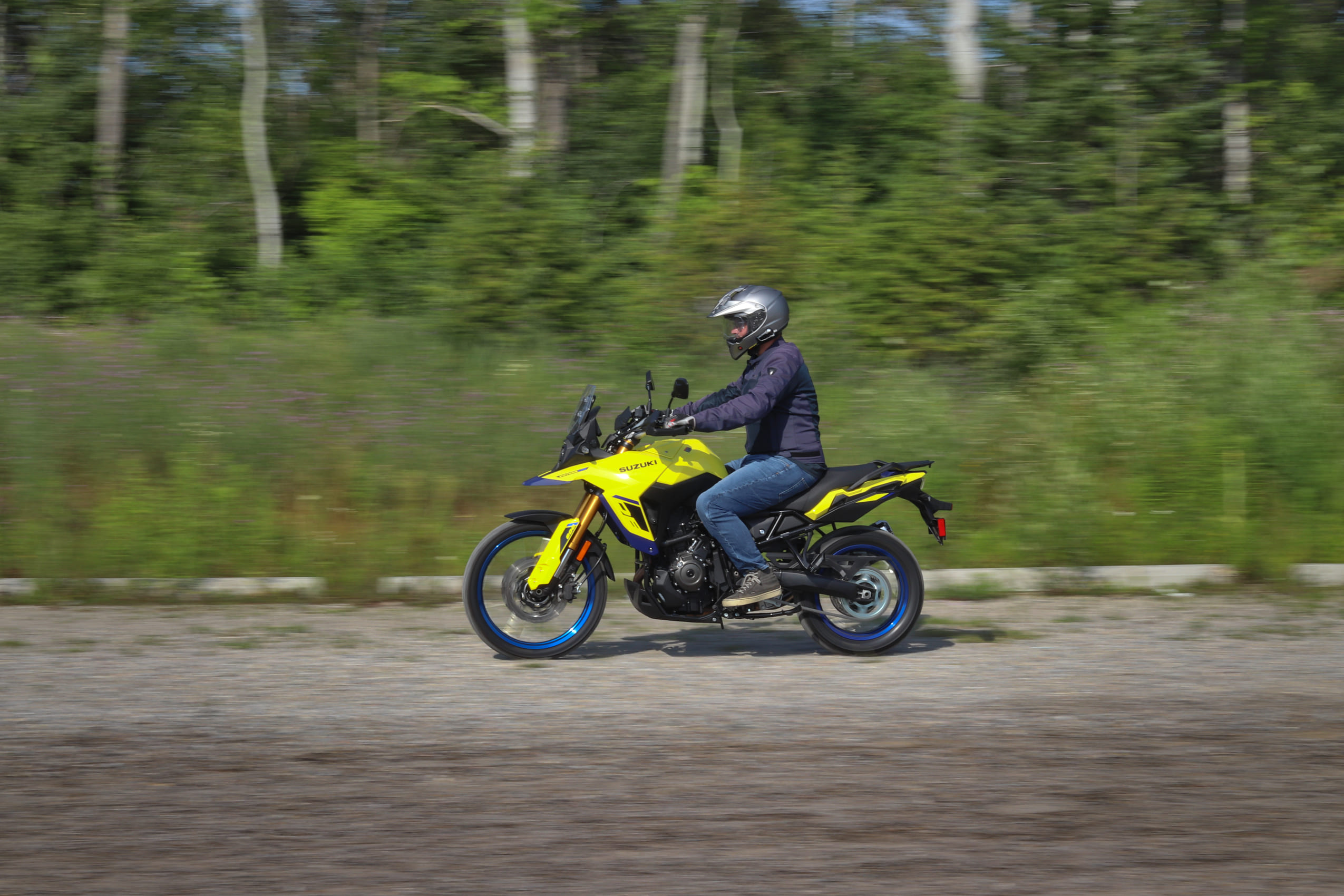
2026 Suzuki V-Strom 800DE: No V-Twin, No Problem
Words are supposed to mean things. The “V” in V-6 means a V-layout, and for two decades, the “V” in…