The 2026 Toyota Sienna is the automotive equivalent of a pair of sensible orthopedic shoes that somehow, through the sheer stubbornness of Toyota’s engineering department, have become the most compelling thing in the mall. In a world where every manufacturer is busy trying to convince us that a three-row SUV with the aerodynamic profile of a brick and the fuel economy of a cargo ship is “cool,” Toyota is over here, unbothered, perfecting the art of the sliding door.
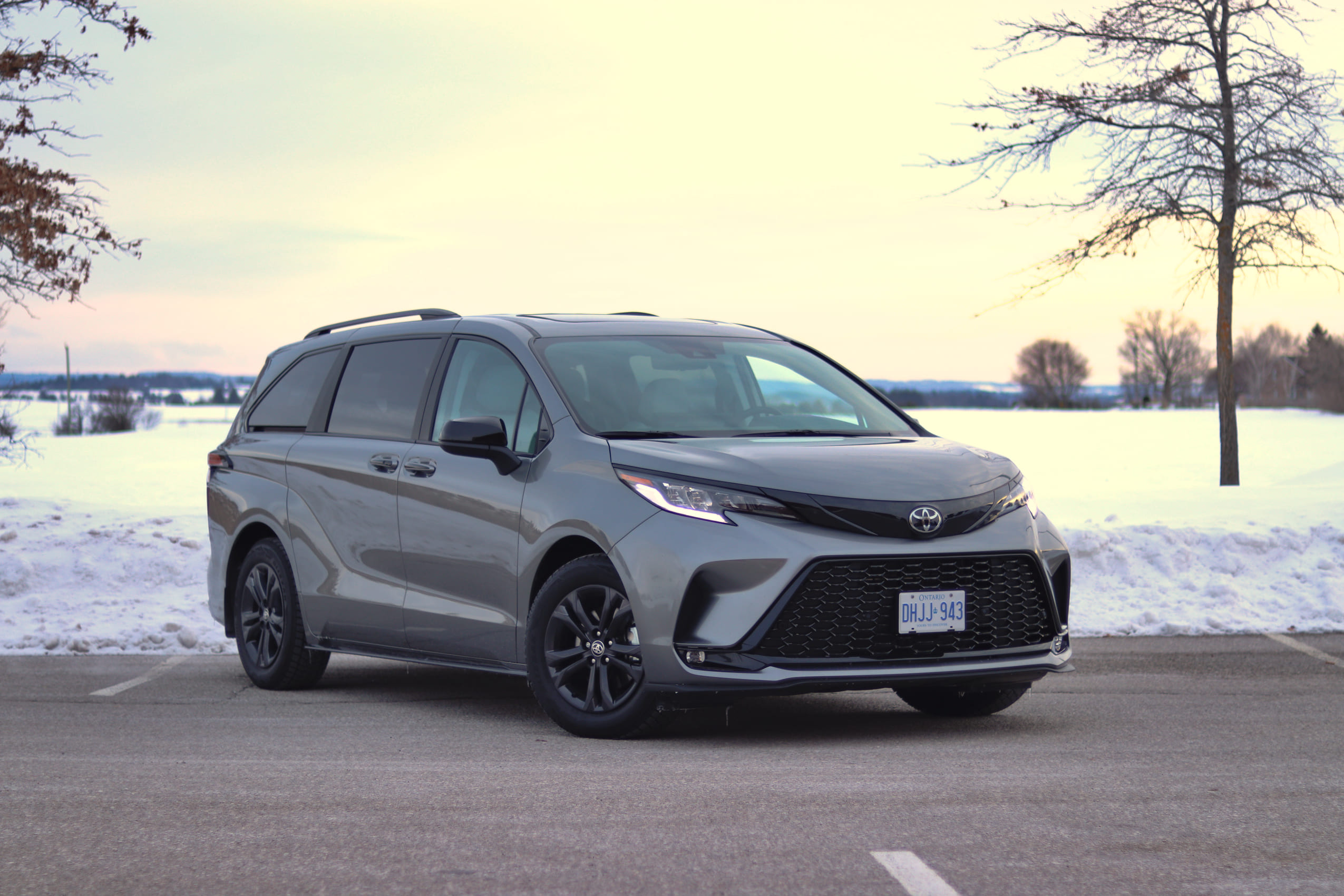
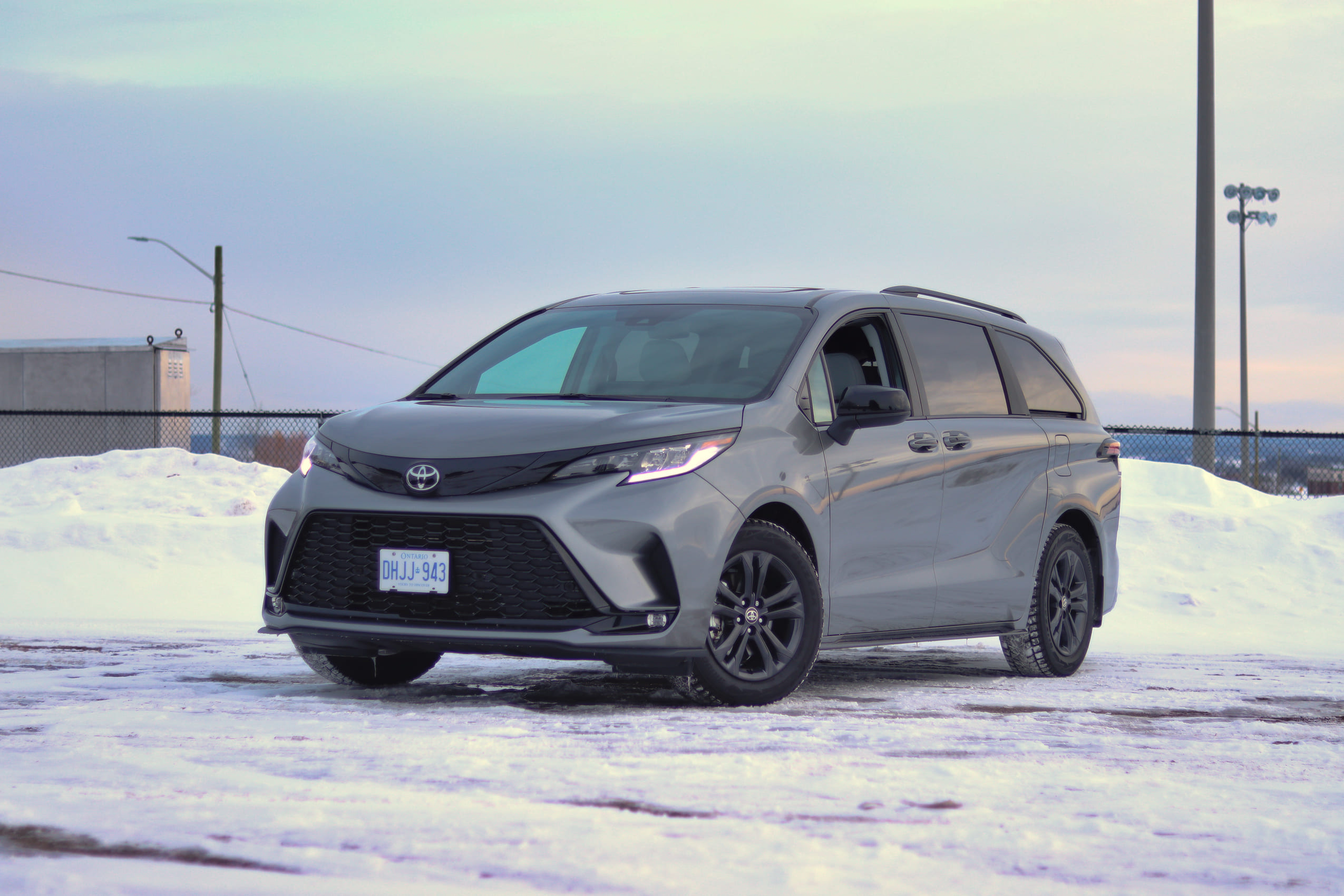
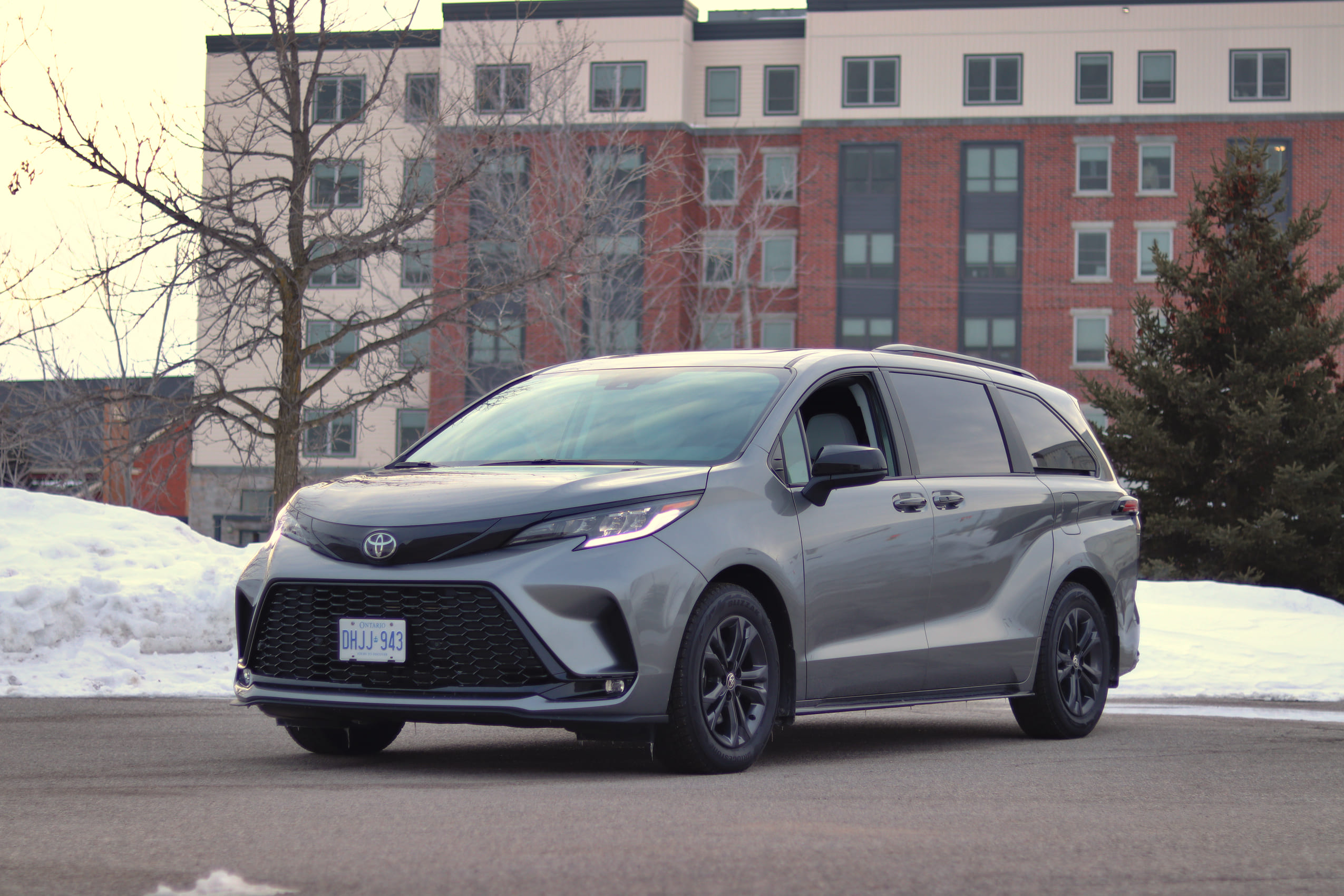
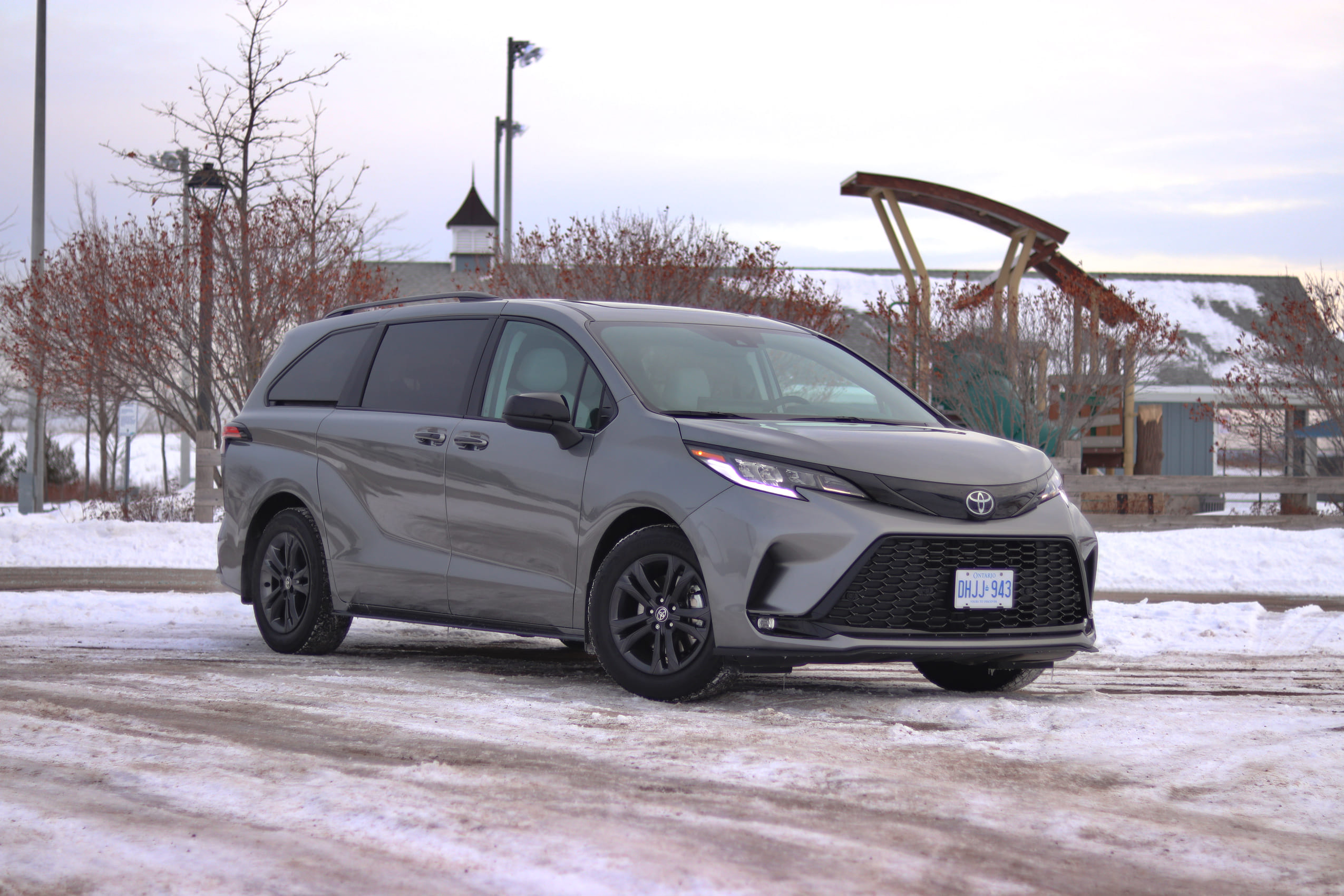
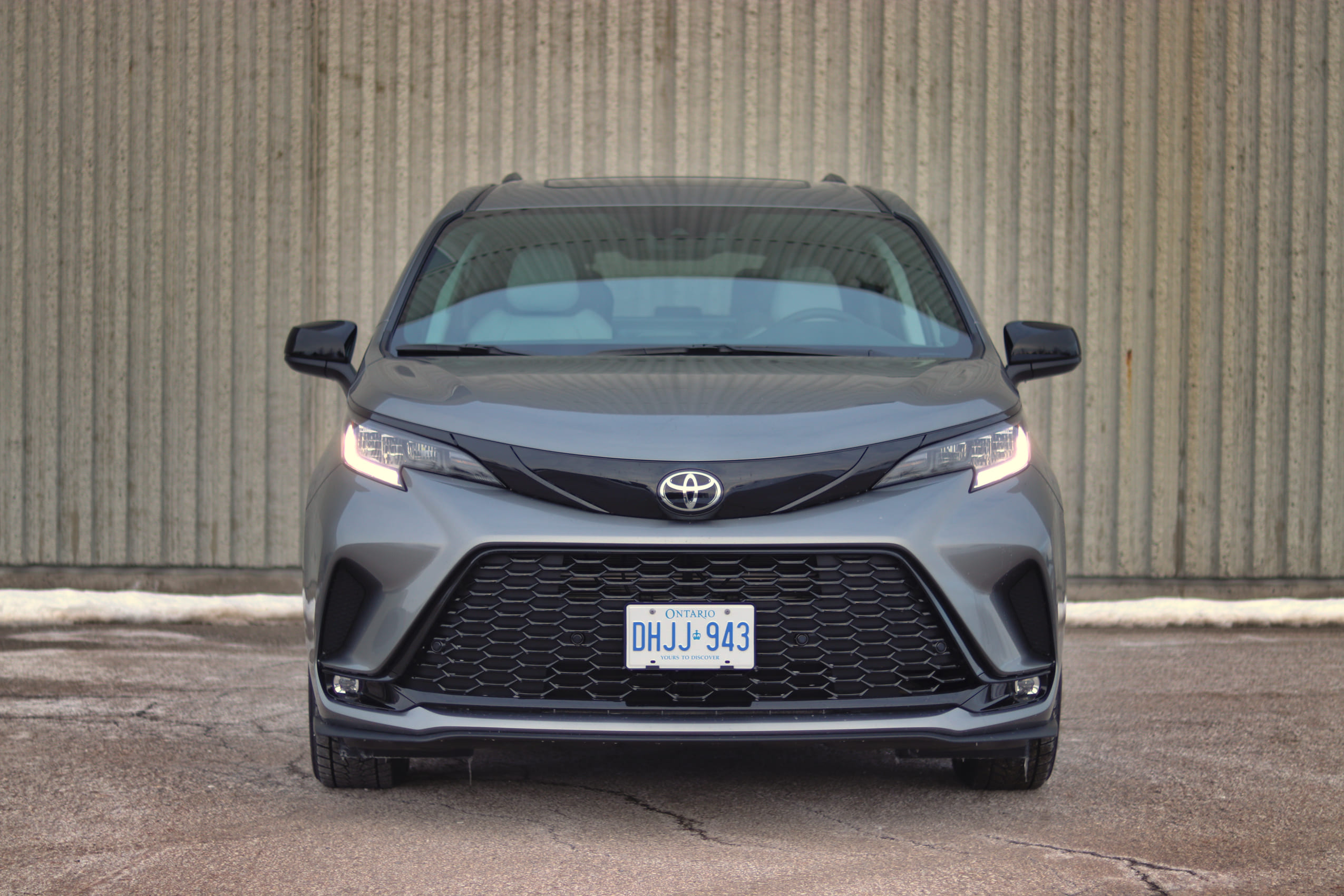
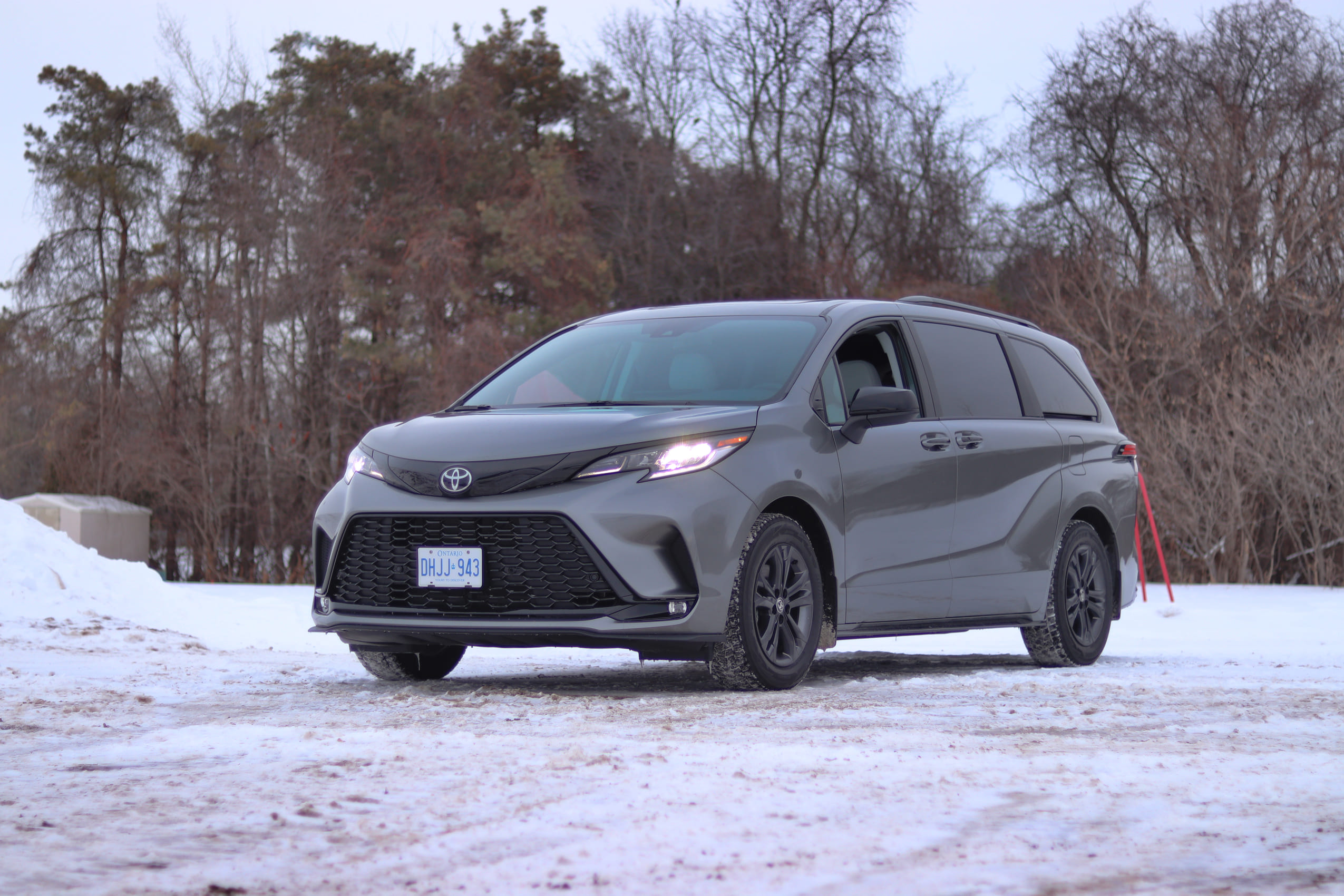
The Sienna’s face is a study in what happens when a design team is told to make a van look “dynamic” but realizes halfway through that they’re still building a tool for hauling Cheerios and crying toddlers. The front end is dominated by a massive, gaping lower grille that looks like it’s trying to swallow the road whole, or at least a very large squirrel. It’s flanked by high-mounted, narrow LED headlights that sweep back toward the A-pillars, giving the impression of speed that the hybrid powertrain will never actually deliver. It’s a bold look, inspired by a Japanese bullet train, which is a bit like saying your lawnmower was inspired by a fighter jet—technically interesting, but everyone knows you’re just cutting the grass.
Move to the side, and you’ll find the most aggressive “shoulder” line ever stamped into a piece of family-grade sheet metal. There’s a dramatic crease that starts at the sliding door and kicks up over the rear wheel arch, as if the Sienna spent its weekends at the gym working exclusively on its glutes. It’s a deliberate attempt to hide the fact that the side of a minivan is essentially a giant rectangle of painted steel. The sliding door tracks are still there, cleverly hidden under the rear windows, but no amount of clever surfacing can hide the sheer scale of the thing.
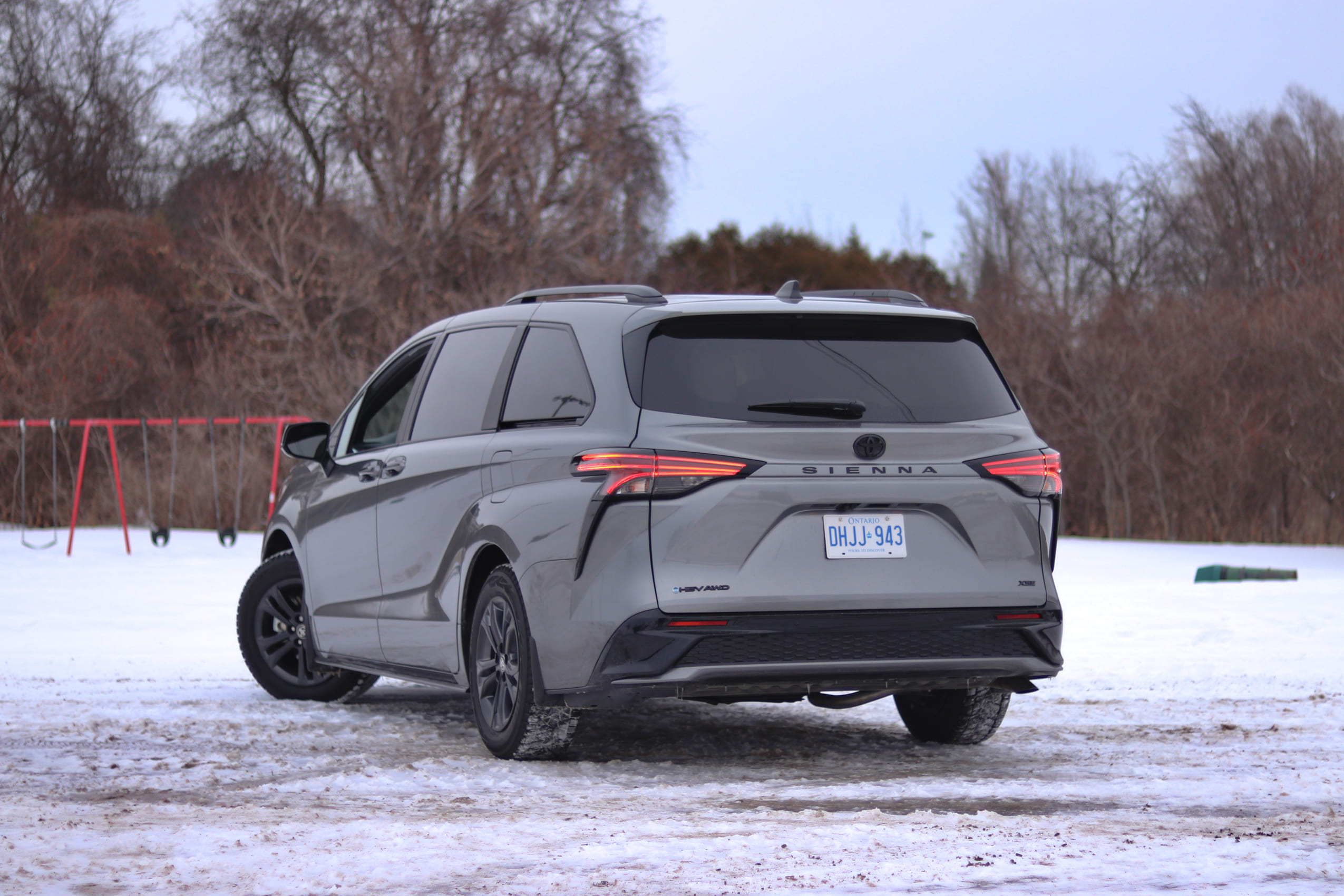
At the rear, the madness continues with taillights that actually have integrated aerodynamic fins. Yes, Toyota’s engineers were so concerned about the air separation at the back of a hybrid minivan that they sculpted the plastic lenses to help with the drag coefficient. The rear liftgate is deeply contoured, featuring an integrated spoiler that serves no purpose other than to look “sporty” while you’re waiting in the school pickup line. Underneath it all, the design is surprisingly cohesive for something so busy; it’s a vehicle that refuses to fade into the background. It’s loud, it’s proud, and it’s arguably the most visual interest you can have while remaining entirely, undeniably practical.
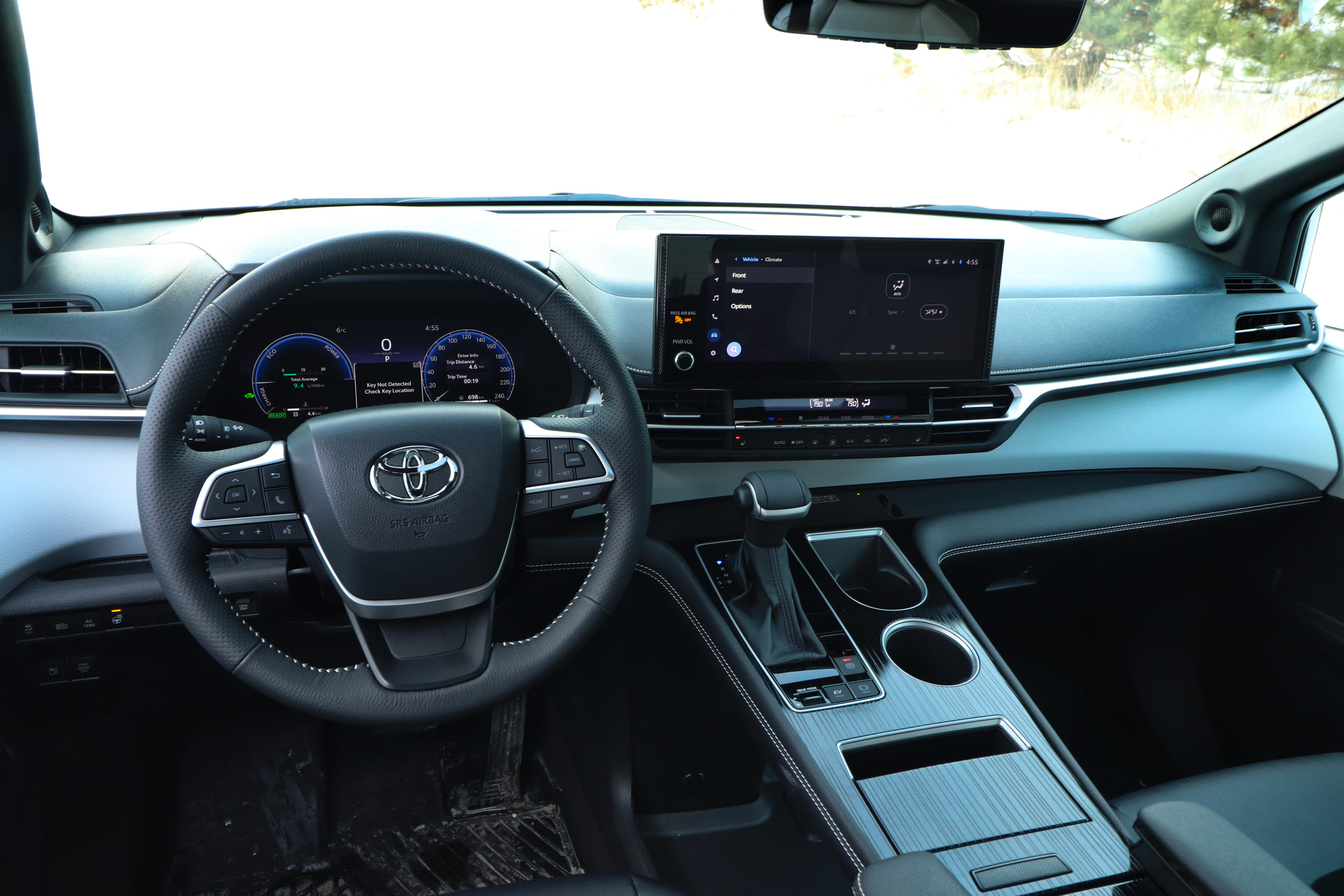
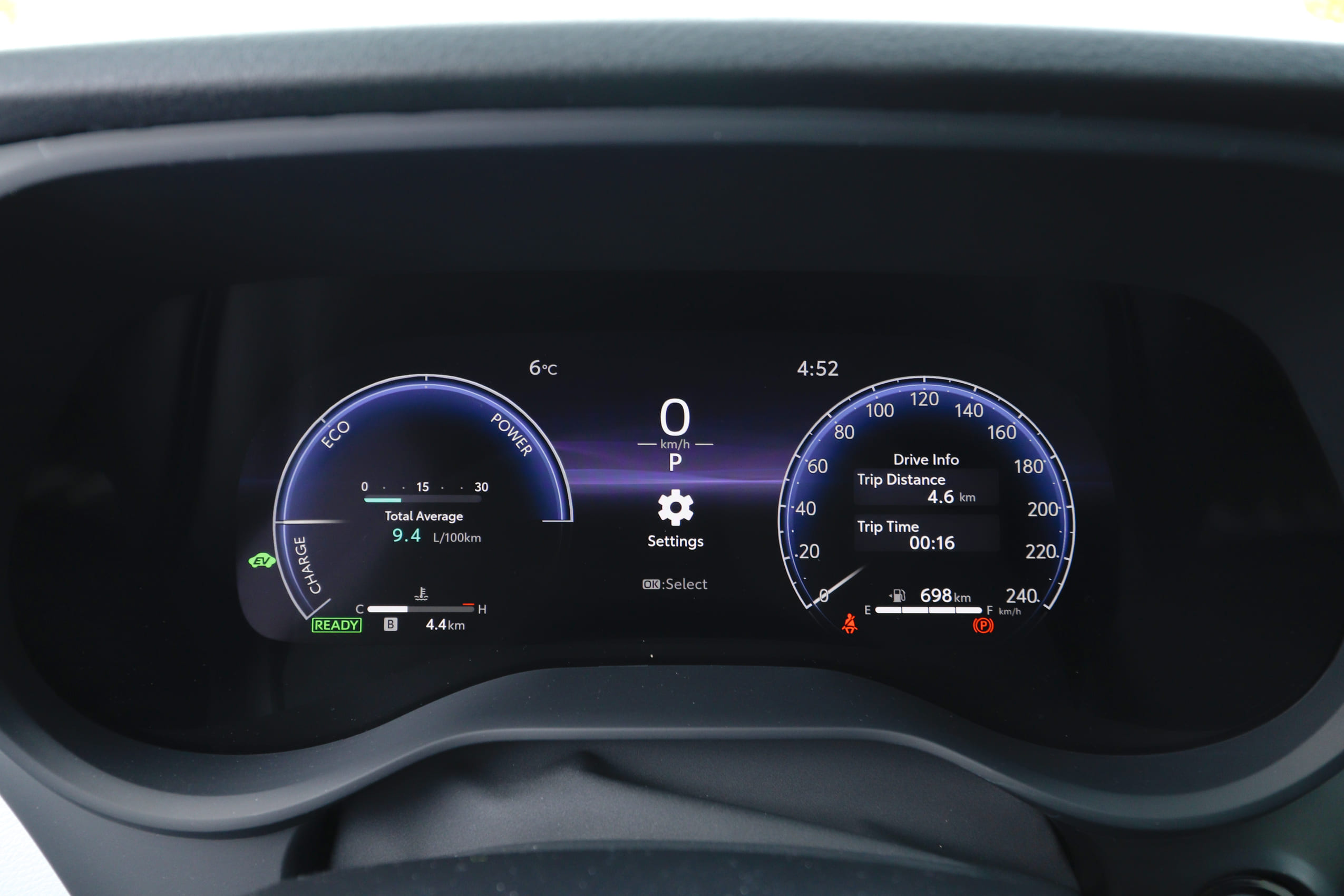
Inside, the Sienna abandons the traditional “open floor” minivan layout for what Toyota calls the “Bridge Console.” It’s a massive, high-flying architectural element that connects the dashboard to the center armrest, creating a cockpit-like feel that almost makes you forget you’re driving a bus. It’s practical, too, with a cavernous storage “tunnel” underneath for a purse or a small dog, but it signals a clear departure from the “walk-through” cabin of old.
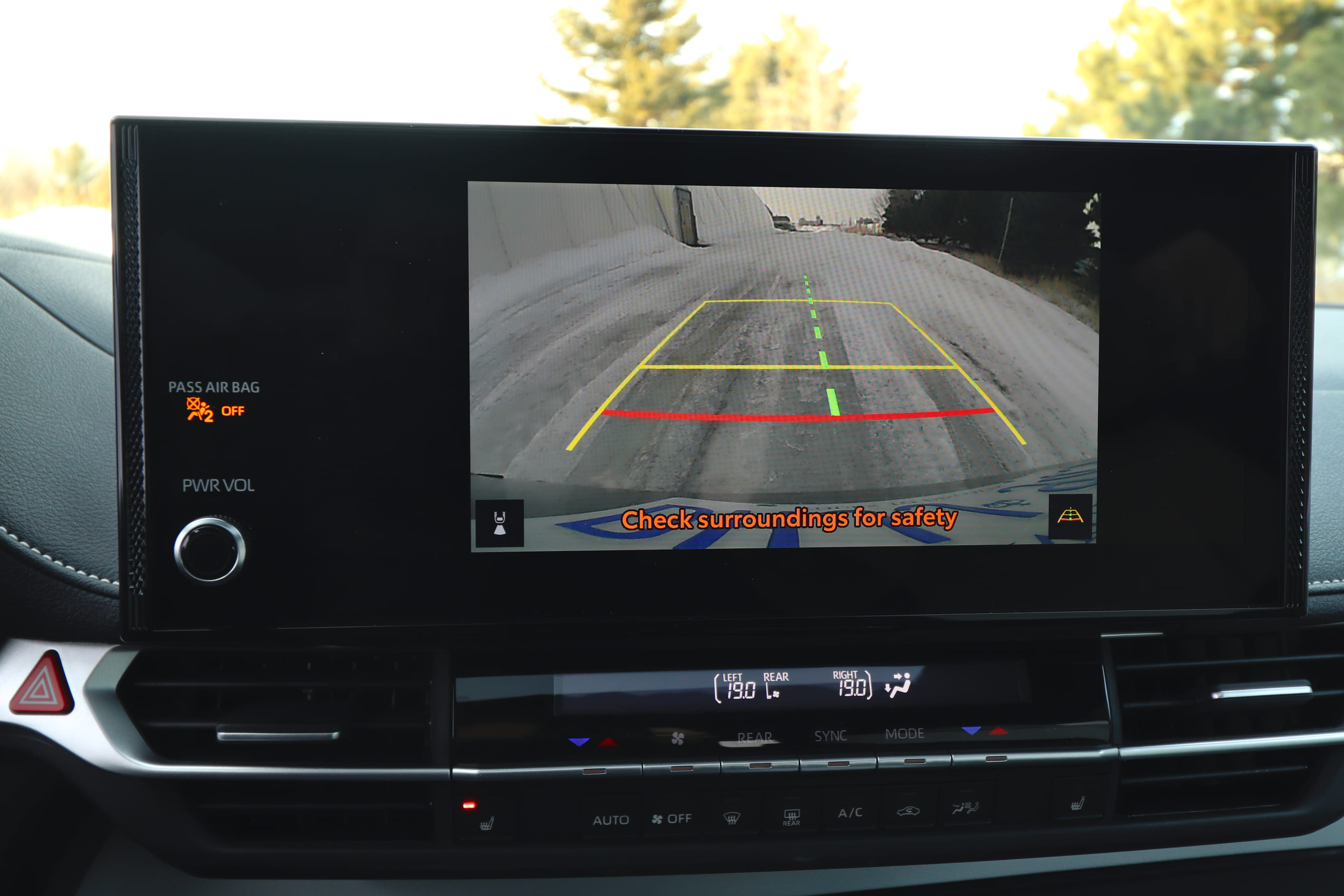
Everything is wrapped in a design language that feels modern and sturdy with decent build quality, but our tester (XSE trim) reveals some curious gaps in the spec sheet. Despite the sporty badging and the crisp 12.3-inch digital gauge cluster, we’re missing the memory seats and the 360-degree “Bird’s Eye” camera—features you’d expect at this price point, and which are frustratingly cordoned off for the “Technology” package or the leather-clad Limited trim.
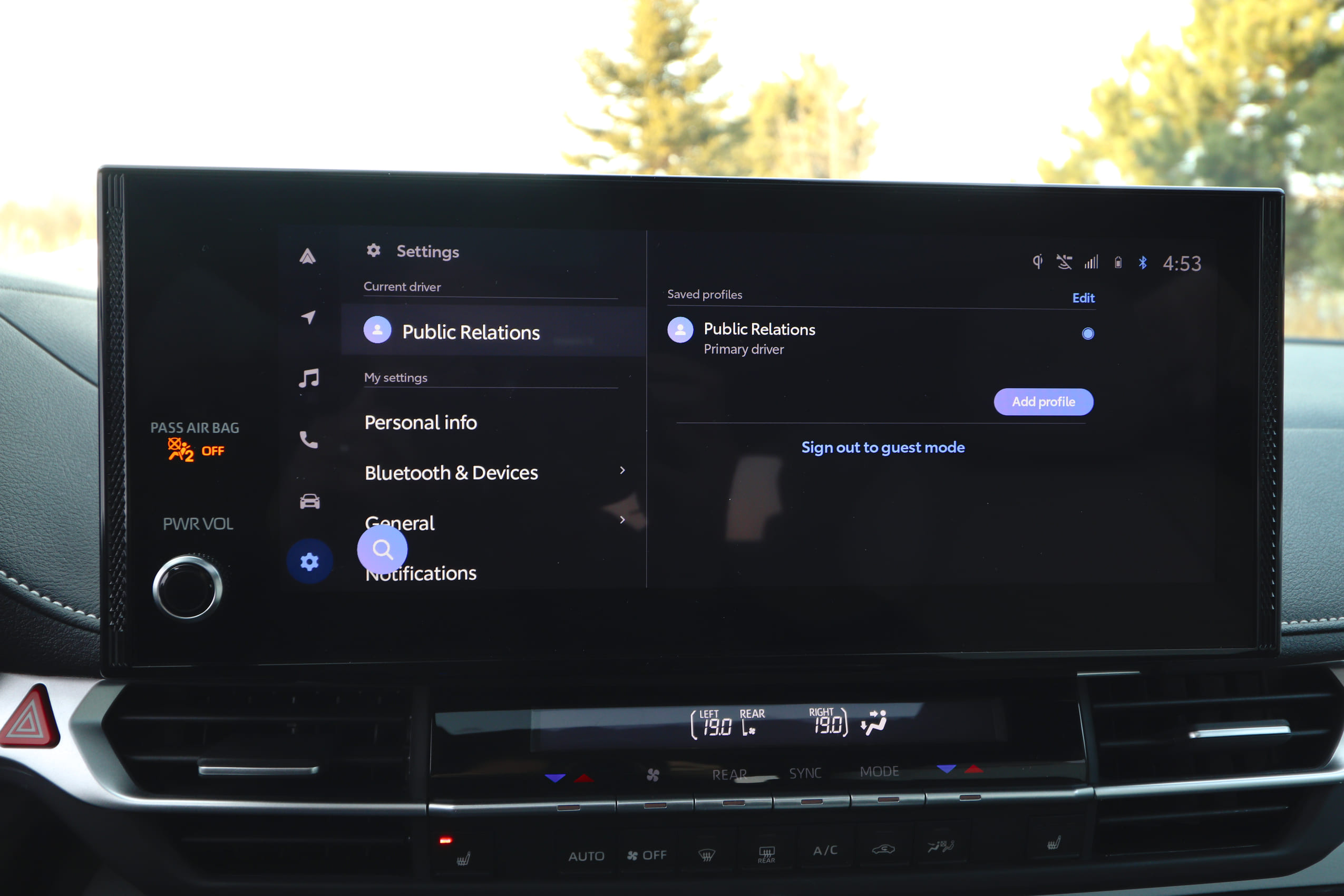
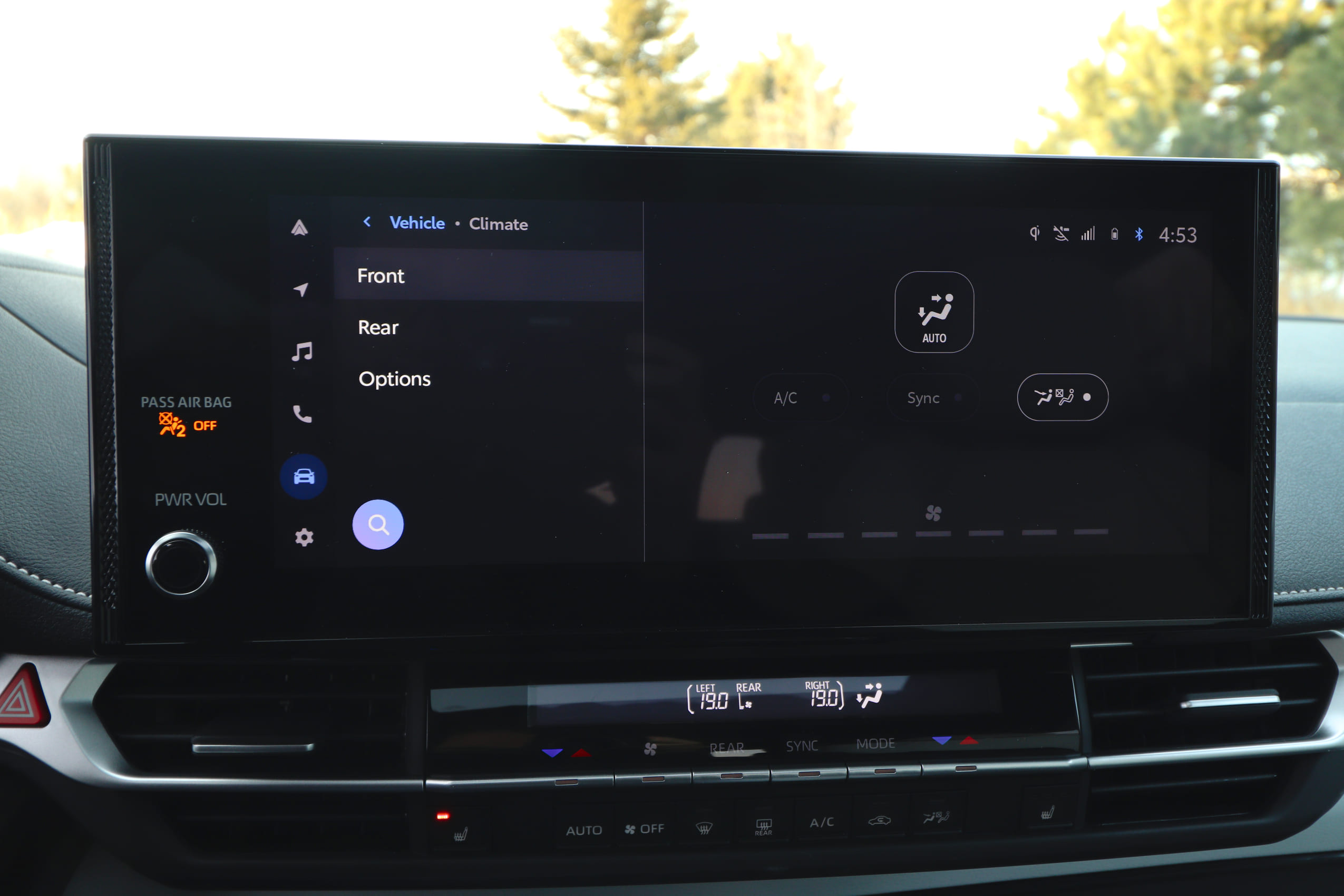
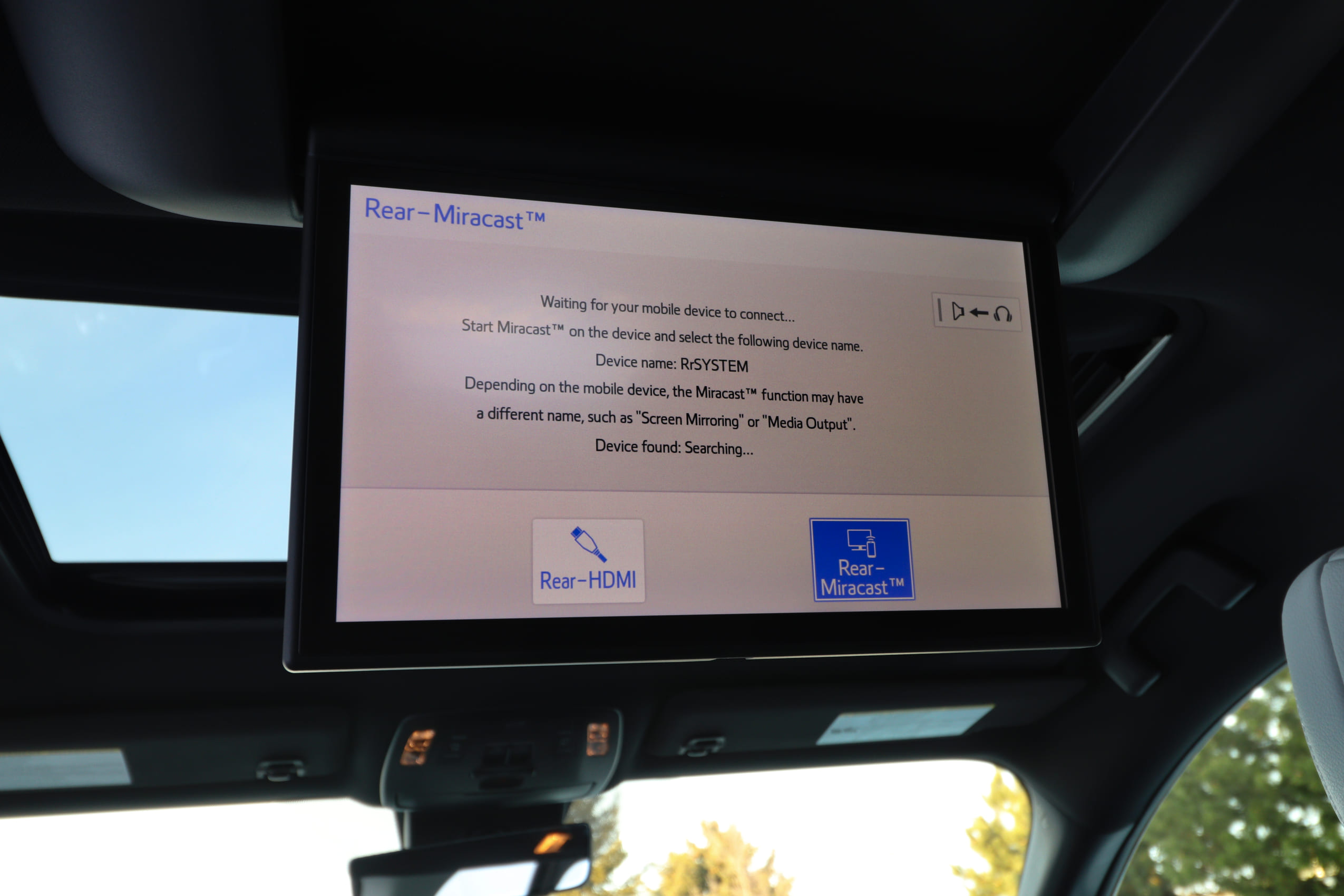
The tech suite is anchored by a massive 12.3-inch touchscreen running Toyota’s latest multimedia system, which is fast and intuitive. If you’ve opted for the XSE Technology package, you also get a flip-down 11.6-inch 1080p entertainment screen that sprouts from the ceiling, complete with HDMI inputs to keep the rear-row critics silent with their Nintendo Switches. But the real story is the “Super Long Slide” second-row captain’s chairs. These things have more travel than a gap-year student, sliding back to provide limousine-level legroom or forward to prioritize the 2,860 litres of total cargo volume.
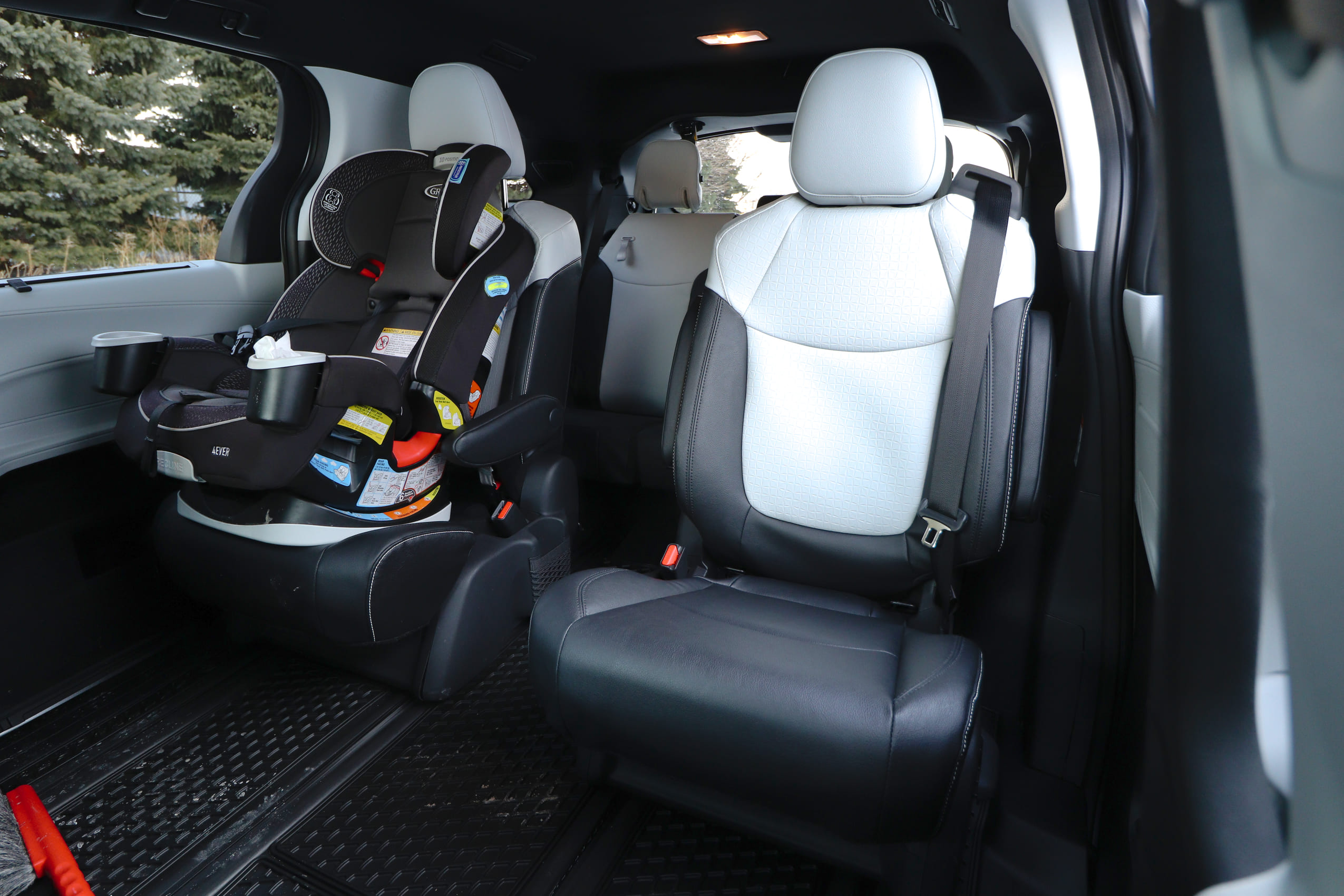
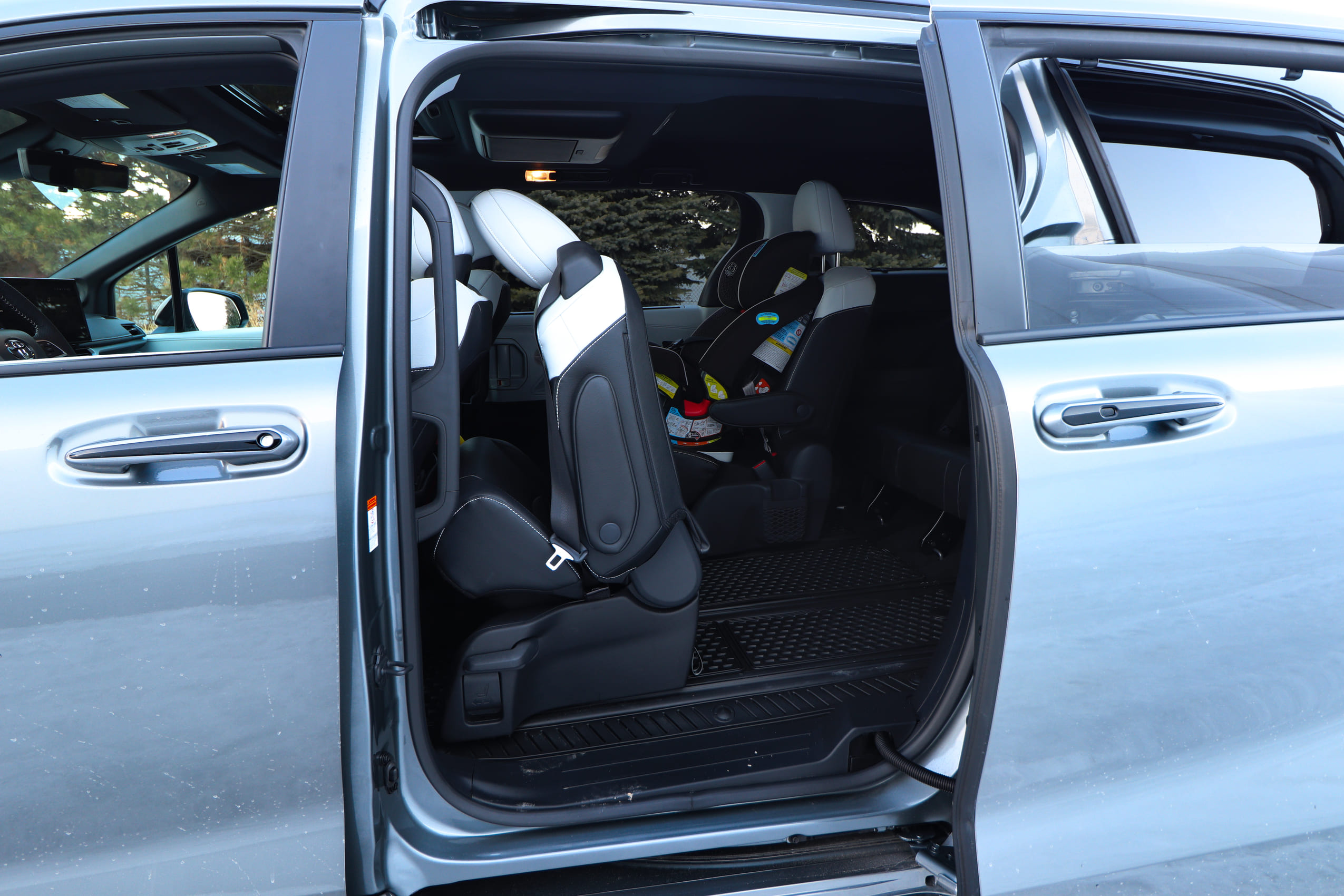
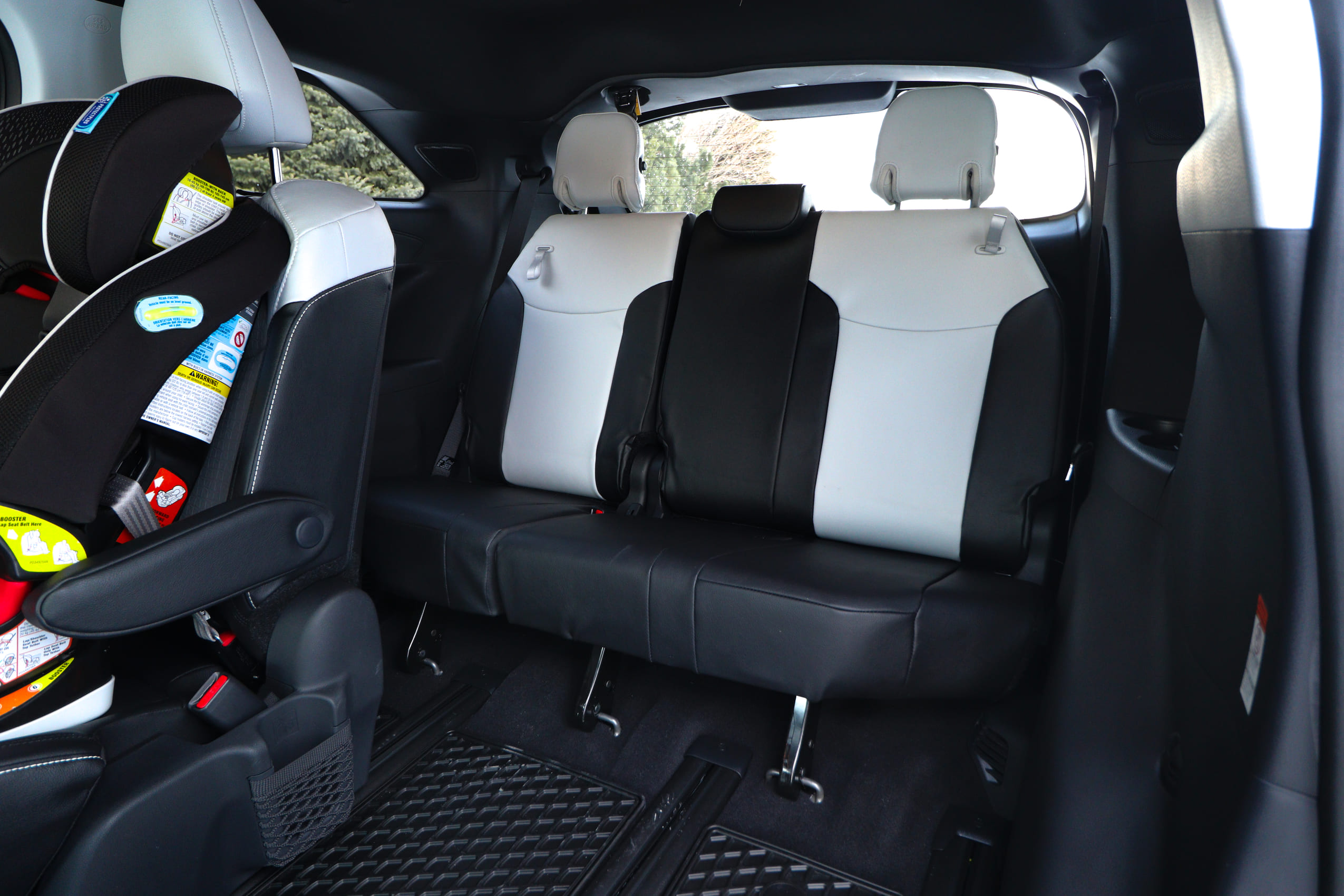
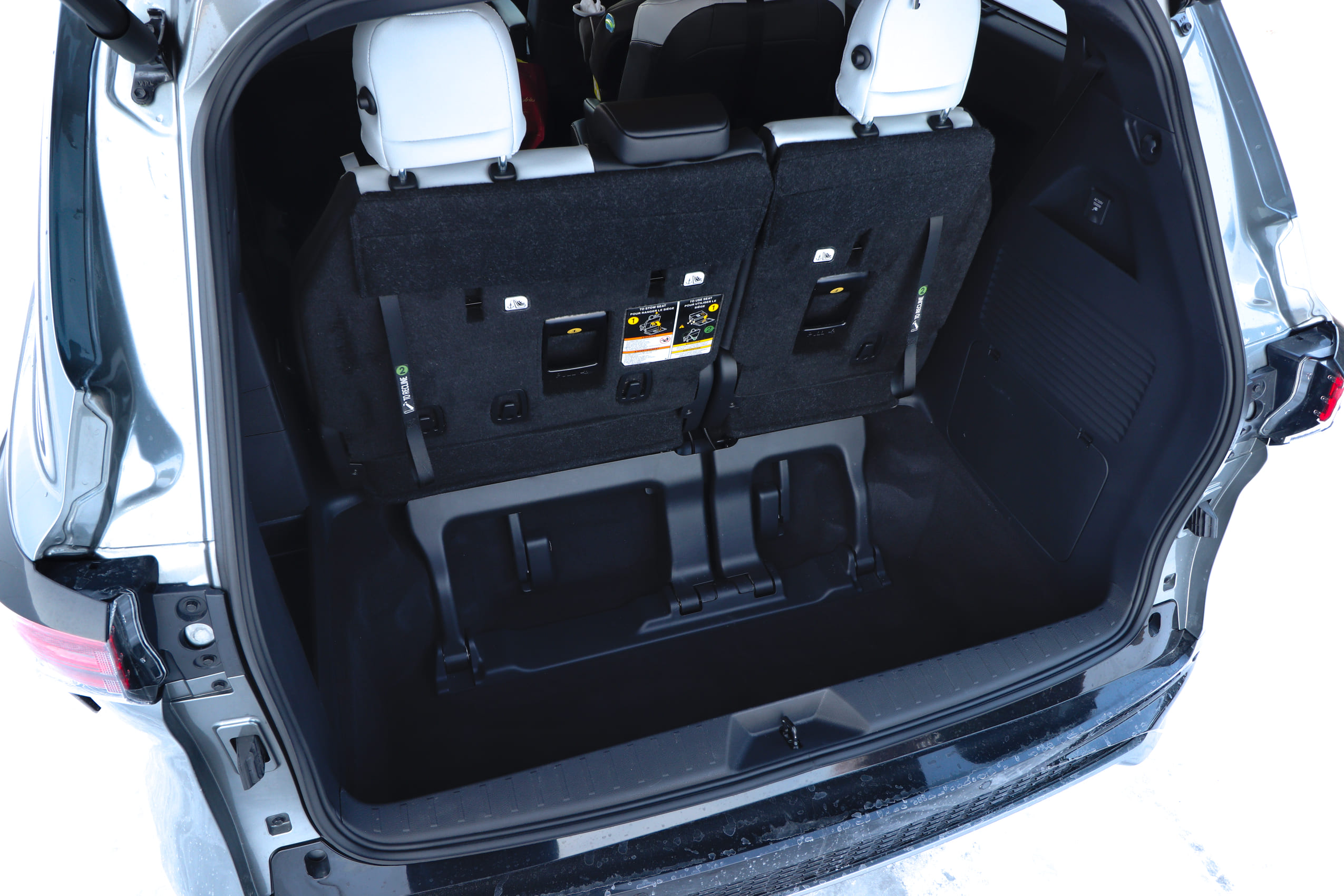
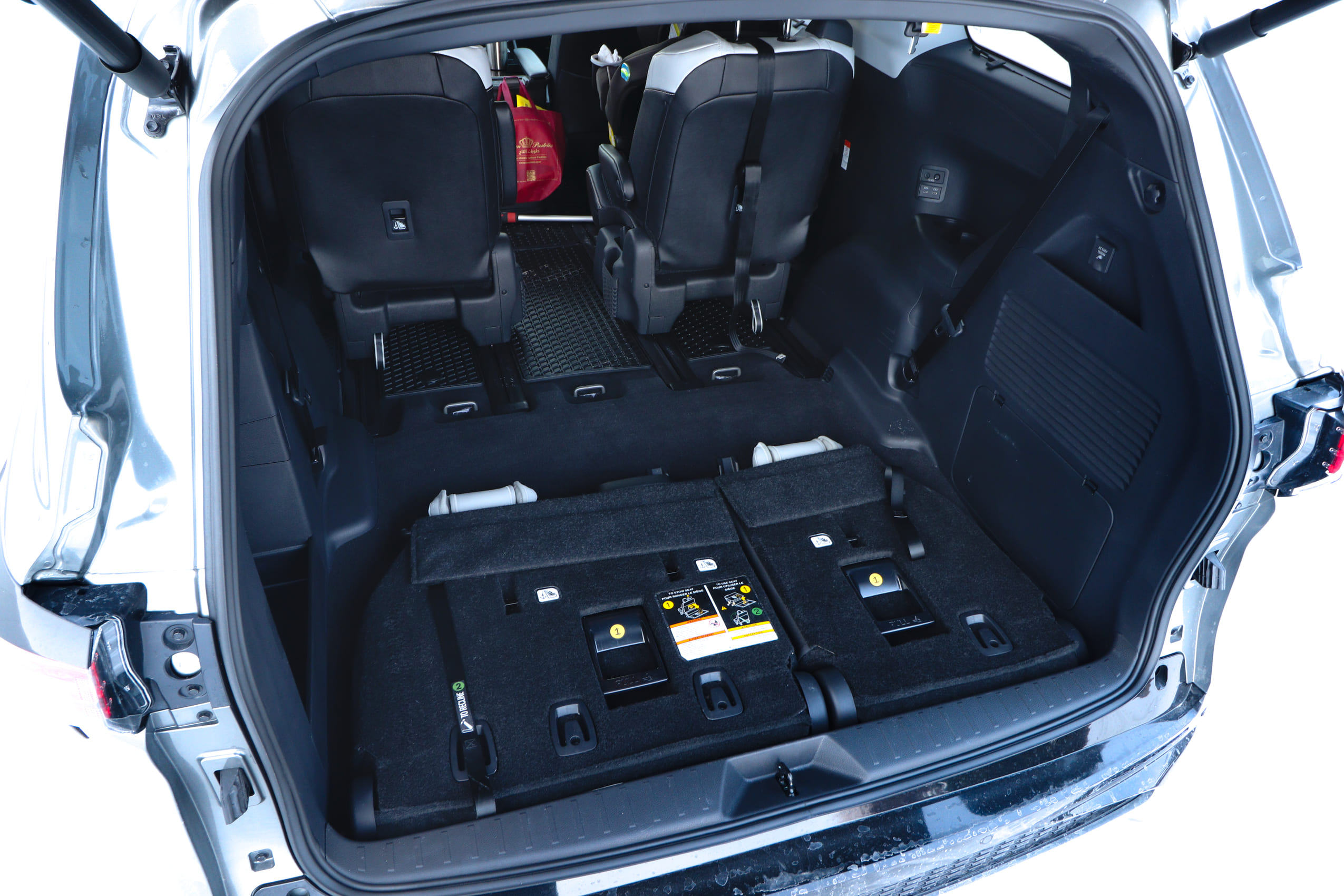
Here’s the quirk, though: unlike the Chrysler Pacifica’s “Stow ‘n Go” or the old-school removable benches, these second-row seats are permanently bolted to the floor because of their integrated side airbags. They don’t disappear; they just “huddle” forward against the front seats. It’s a compromise for safety and complexity, but with 949 litres of space even with the third row upright, you aren’t exactly hurting for room—unless you’re trying to haul a sheet of plywood, at which point you’ll be reminded that this is a hybrid sanctuary, not a U-Haul truck.
The Sienna remains the only van in the segment to commit entirely to a hybrid-only lifestyle. While Chrysler offers a plug-in Pacifica, Toyota’s fourth-generation “Hybrid Synergy Drive” is a closed-loop system that requires zero thought—it just works. At its heart is a 2.5-litre four-cylinder engine acting with two electric motors through a planetary gearset. A 288V Nickel-Metal Hydride battery pack tucked under the front seats constantly shuttles power, capturing kinetic energy during braking and deploying it to help you get moving without burning a drop of gasoline.
On our tester, the system adds a third electric motor living exclusively on the rear axle. This “Electronic On-Demand AWD” setup eliminates the heavy, space-robbing mechanical driveshaft, powering the rear wheels entirely by wire. When pulling away from a snow-covered stoplight in Bradford, the rear motor can provide up to 80% of the driving force to prevent slip. In warmer months, this is an efficiency miracle, but the Canadian winter is a cruel mistress; between the freezing temperatures and AWD drag, our average hovered around 9.5 L/100km—well above the 6.7 L/100km rating, but still better than any V6 in a blizzard.
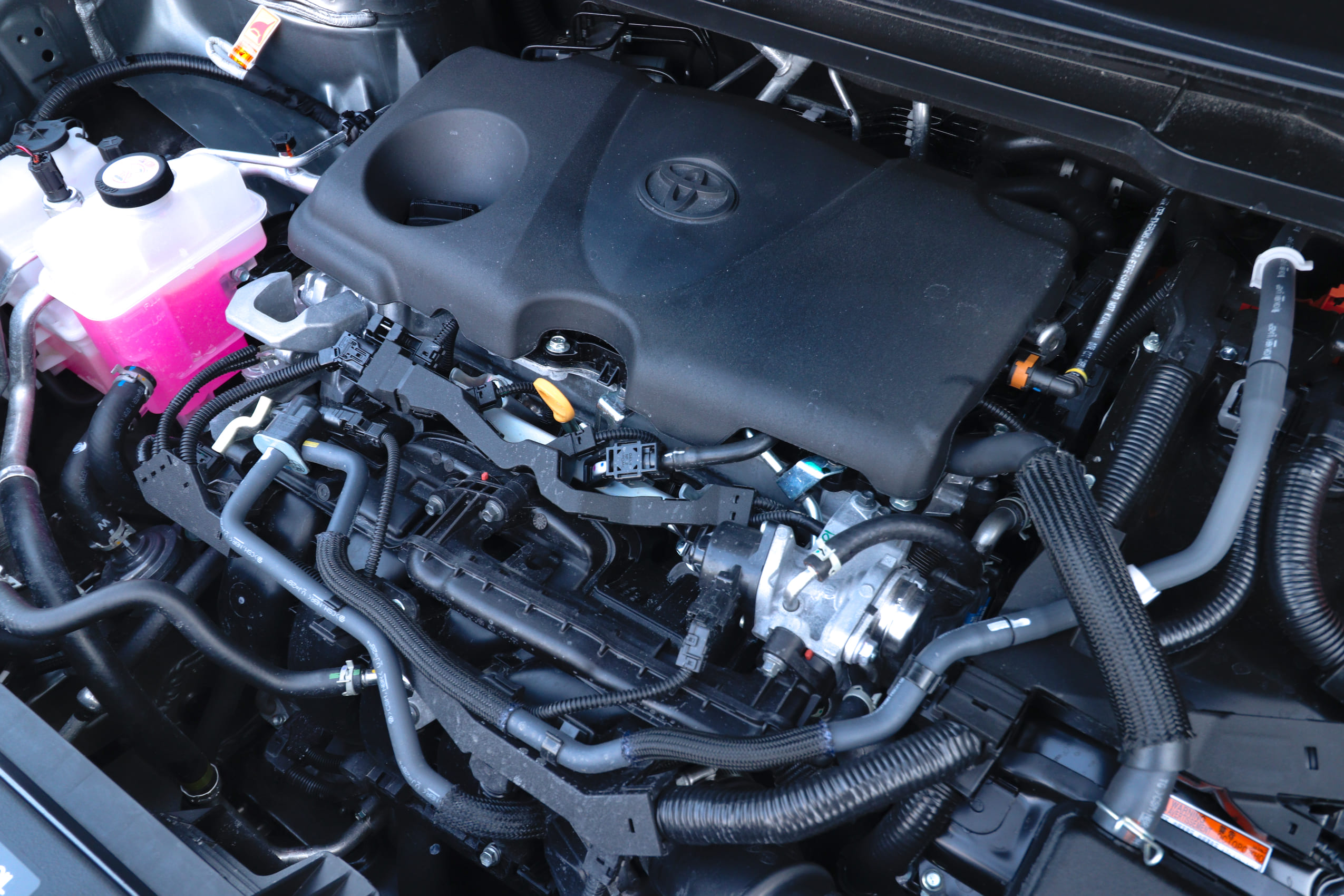
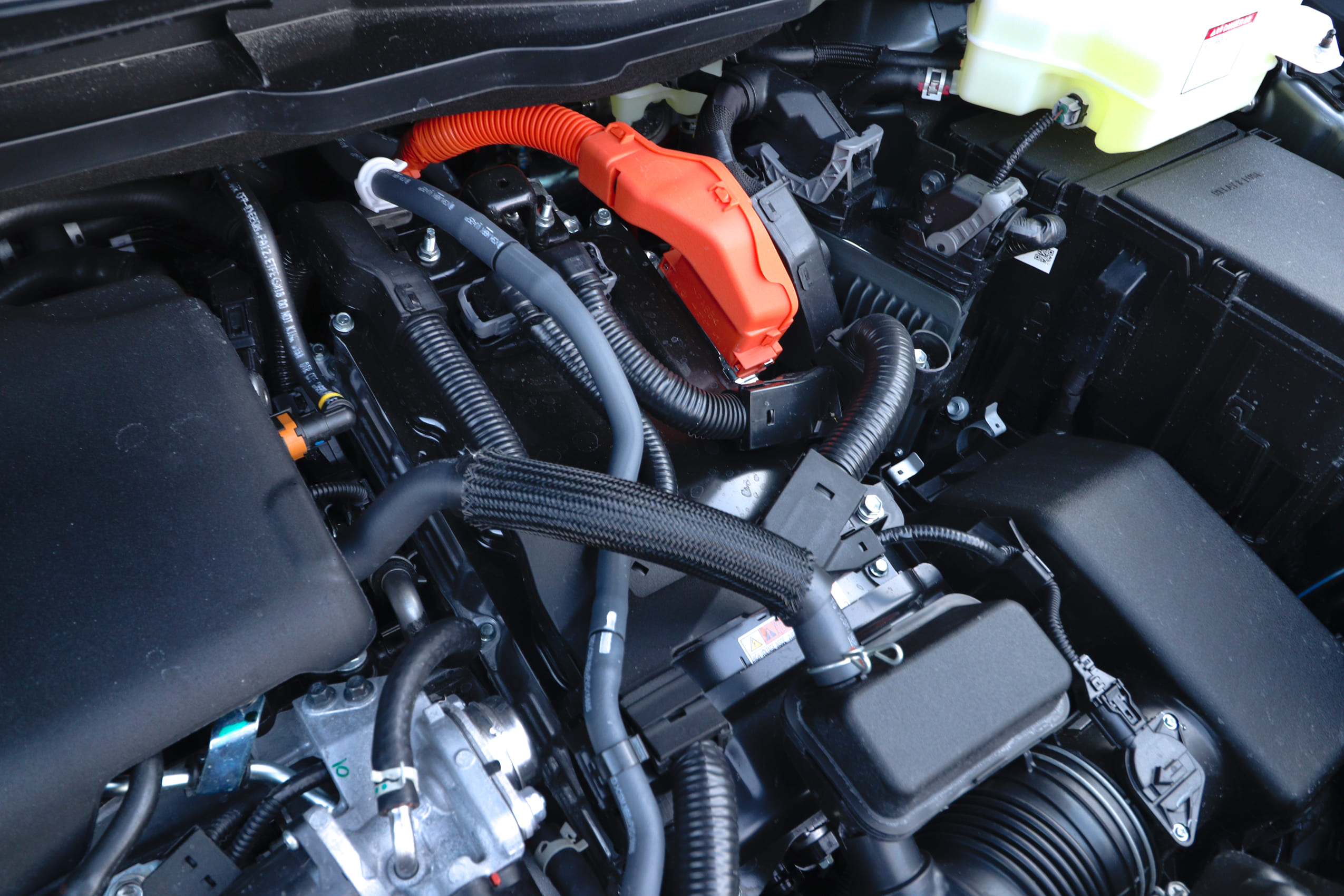
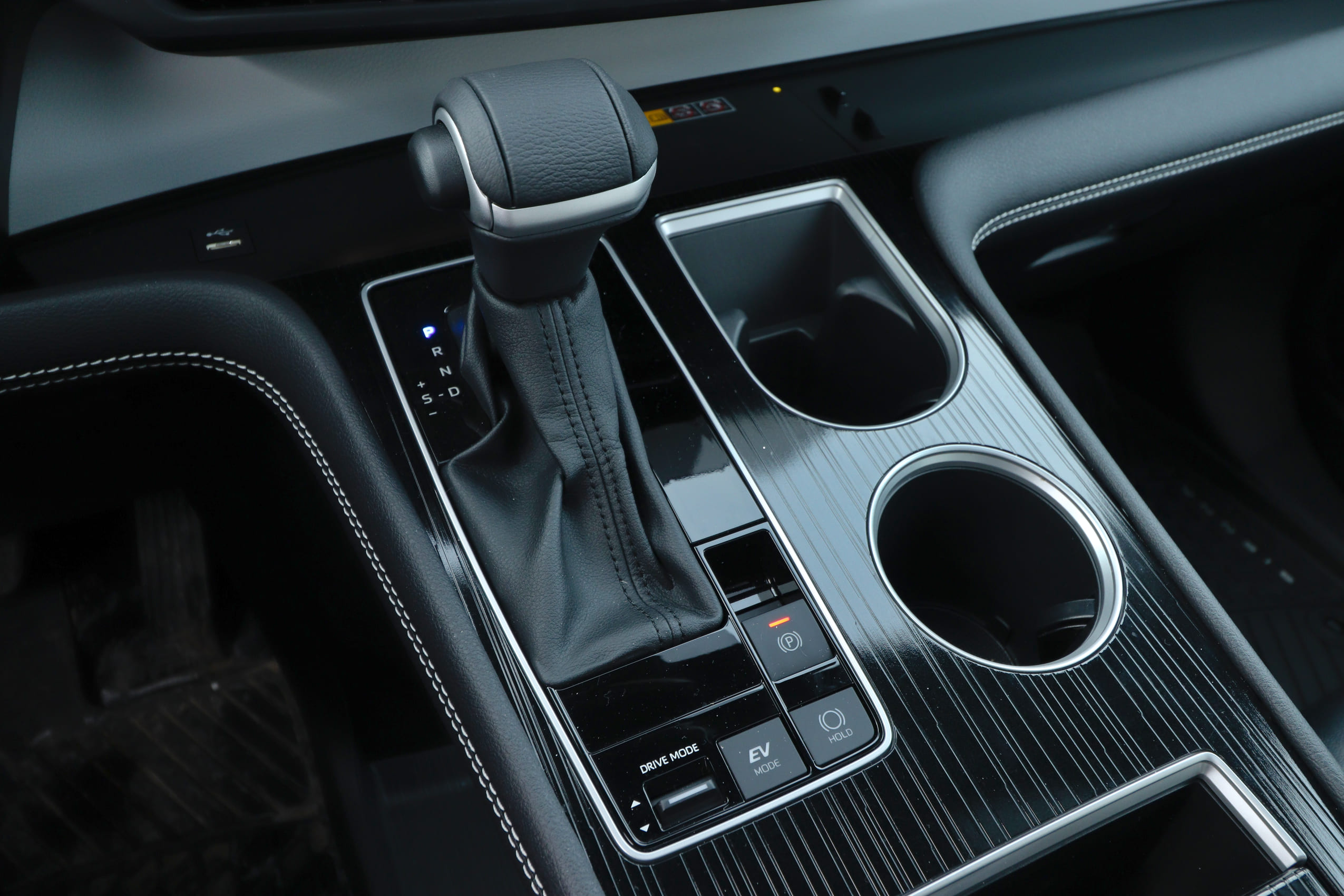
The transition from “electric glide” to “internal combustion” is where the luxury illusion frays, as the 2.5-litre unit wakes up with a coarse drone during acceleration. Because the eCVT lacks traditional gears, the engine simply pins itself to a high-RPM scream until you’ve merged onto the 400, lacking the buttery-smooth punch of the old naturally aspirated V6s. It’s not very noticeable in a lightweight Corolla or Camry, but it’s a different story with the Sienna. Still, the driving experience is “predictably competent,” with light steering and a plush ride. You don’t drive a Sienna for a “connection to the road”; you drive it because it handles family chaos with zero drama and exceptional fuel economy for its size.
In the daily grind, the Sienna is the ultimate “low-effort” companion. Its suspension is unapologetically soft, tuned specifically to iron out the frost heaves and pockmarked pavement of a Canadian spring without disturbing a single sleeping toddler. It doesn’t “handle” so much as it “floats,” maintaining a composed, heavy-set stability that makes long highway stints feel remarkably short. While the XSE trim technically features a “sport-tuned” suspension, don’t let the marketing fool you; it just means the van crashes slightly harder over sharp expansion joints while still leaning like a Tall ship in a gale if you try to take a corner with any enthusiasm.
The real-world compromise comes down to NVH—Noise, Vibration, and Harshness. At suburban speeds, the cabin is a hushed, Zen-like vault, but as you climb toward 100 km/h, the atmosphere shifts. Without the acoustic glass found in the top-tier Limited or Platinum trims, our XSE lets in a noticeable amount of wind whistle around the mirrors and tire slap from those stylish 20-inch wheels. It’s never loud enough to drown out a podcast, but it lacks the library-quiet isolation of a modern luxury SUV. You’re always aware of the world outside, particularly when that 2.5-litre engine decides to join the conversation.
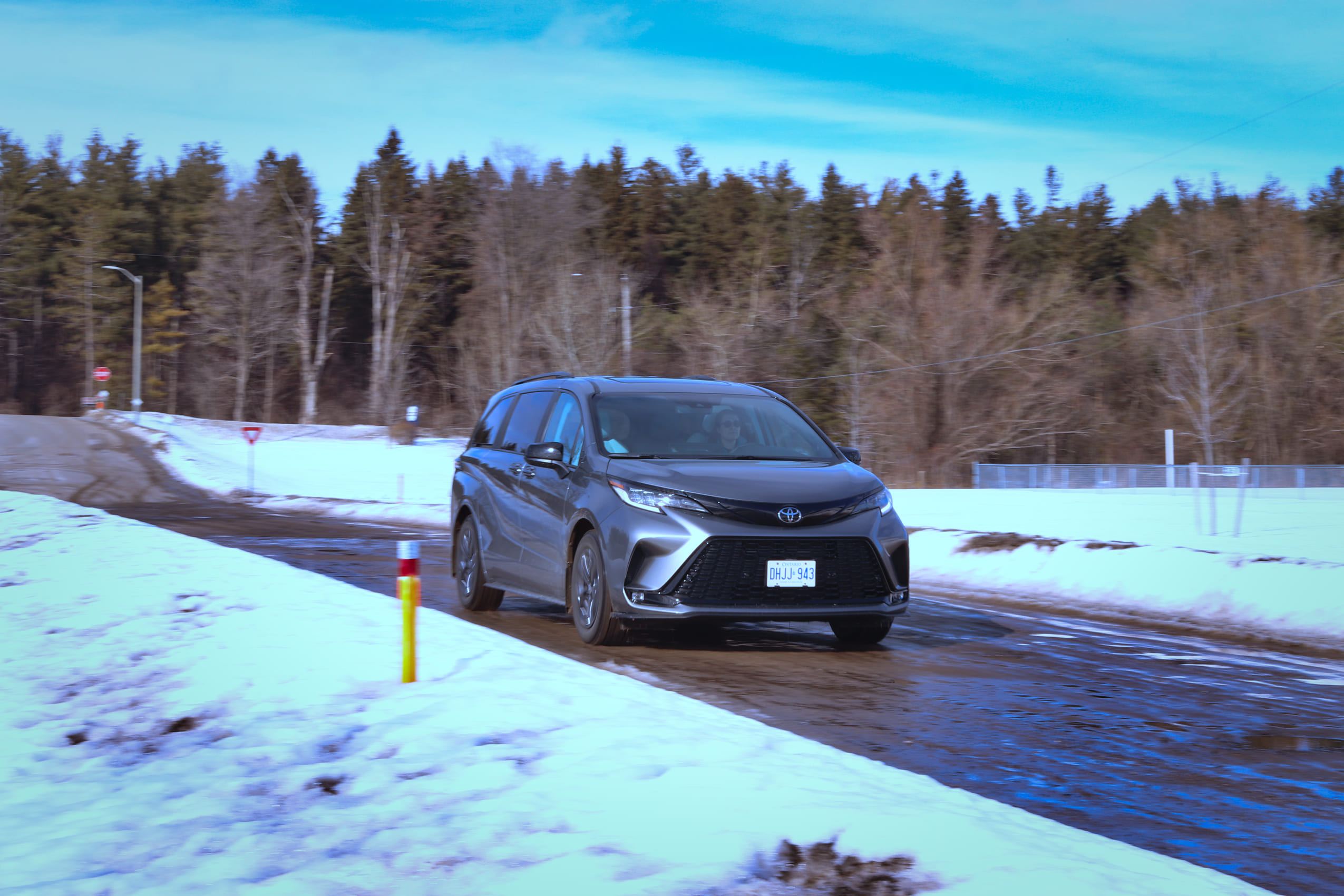
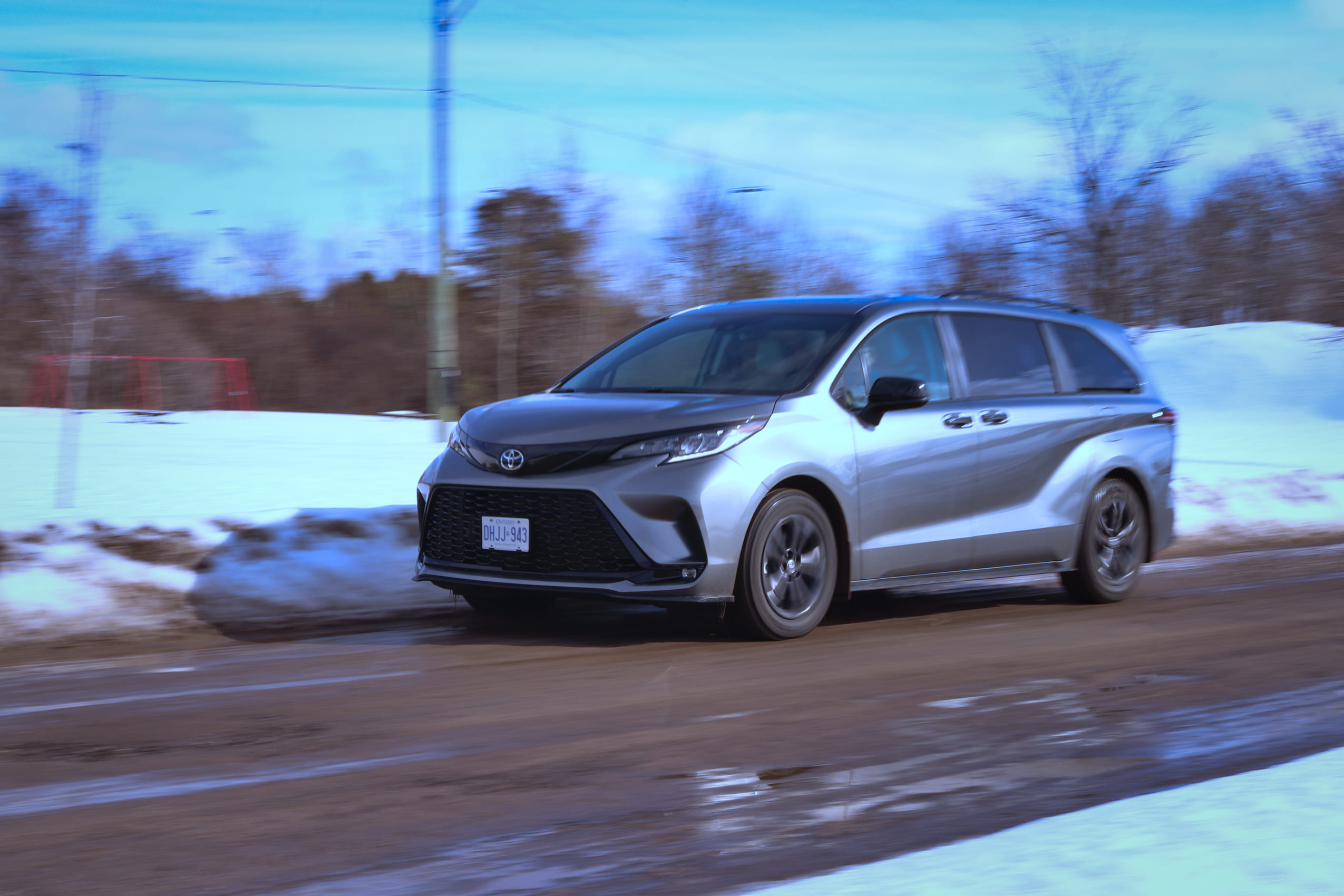
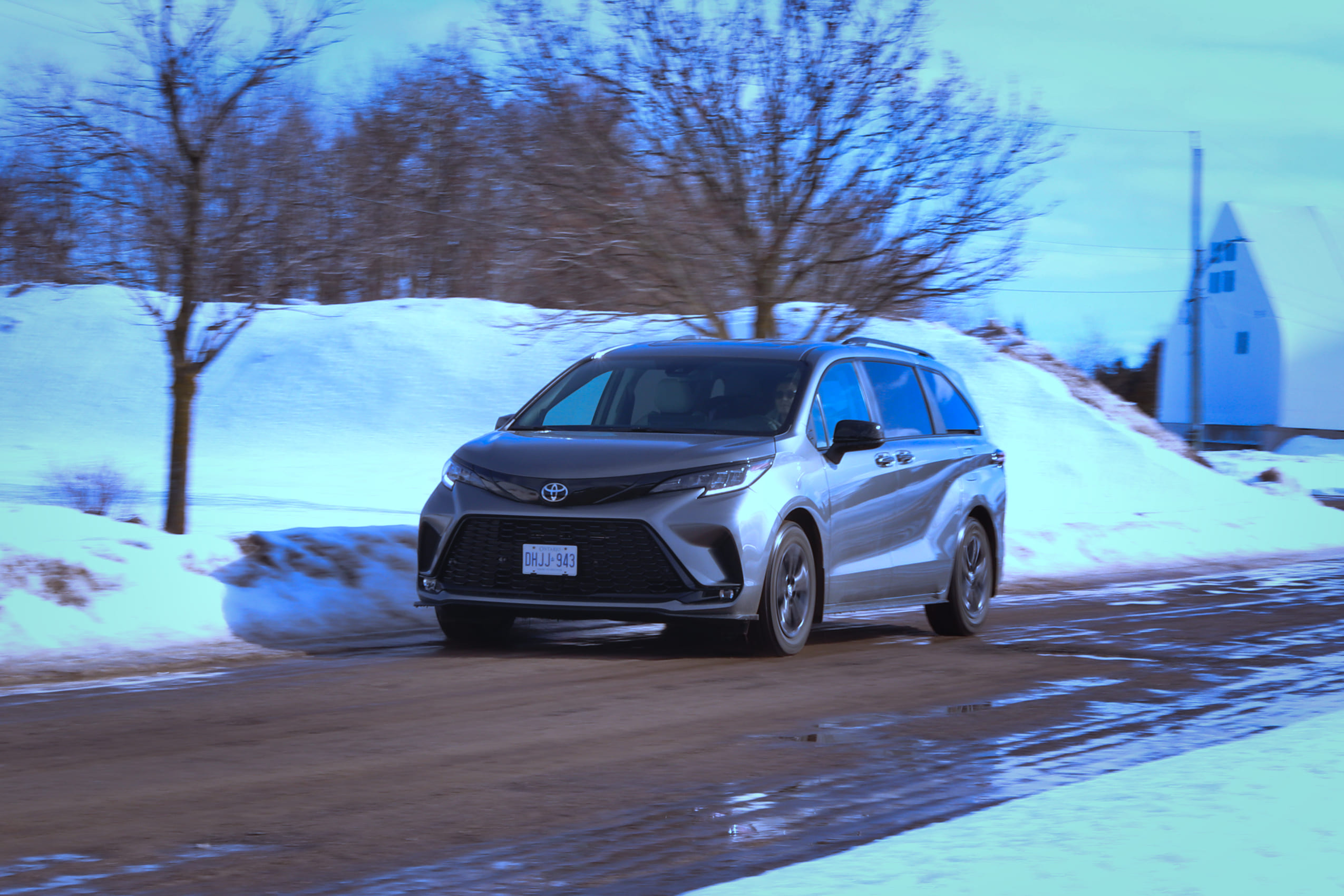
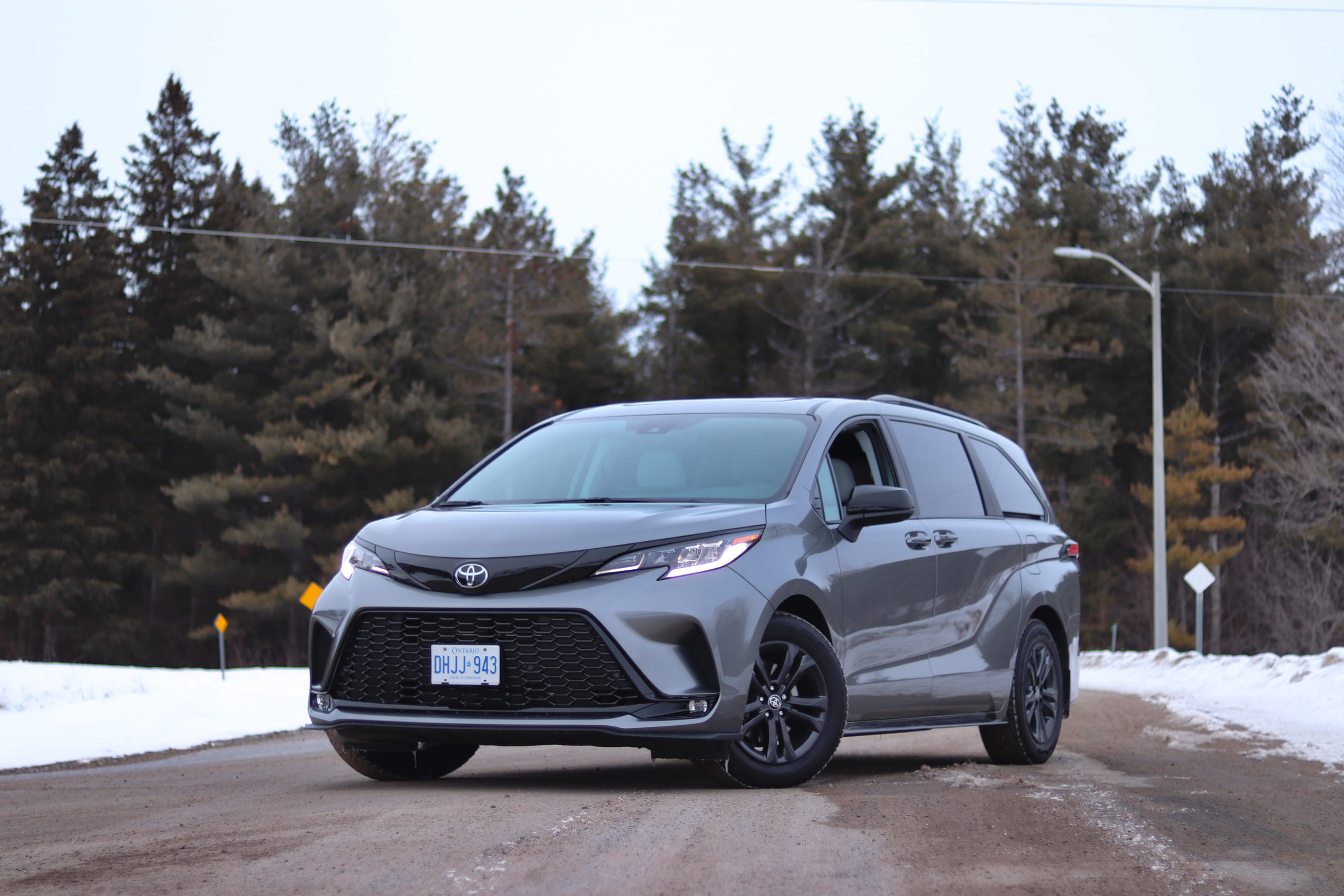
As a daily driver, the Sienna’s genius lies in its frictionless utility. The steering is feather-light, making the massive footprint surprisingly easy to thread through a crowded grocery store parking lot. The “Bridge Console” keeps all your essentials within reach, and the visibility is expansive enough that you don’t miss the 360-degree camera as much as you’d think. It is a vehicle designed to lower your heart rate, providing a predictable, comfortable, and entirely unburdened experience. It’s the automotive equivalent of a deep exhale—perfect for the person who views driving not as a hobby, but as a logistical challenge to be conquered with as much ease as possible.
Ultimately, the 2026 Toyota Sienna is a masterclass in giving people exactly what they need, even if it’s not necessarily what they want. Despite a buzzy, uninspired drivetrain that protests every time you merge onto the highway, and an interior that occasionally forgets its premium price point, the Sienna remains a red-hot commodity in the Canadian market. It’s a solid, dependable tool that trades raw horsepower for class-leading efficiency and the peace of mind that comes with the Toyota badge—a trade most minivan buyers are more than happy to make. While it may not win any drag races against its V6-powered rivals, its ability to haul a family through a Toronto winter while sipping fuel like a compact car makes it the most rational choice in a segment where logic should always reign supreme.
| Price (As Tested) | $60,218 CAD (MSRP) |
| Powertrain | 2.5L 4-Cyl Hybrid (4th Gen THS) |
| Combined Power | 245 hp |
| Drivetrain | Electronic On-Demand AWD |
| Battery Type | 1.9 kWh Nickel-Metal Hydride (NiMH) |
| Transmission | Electronically Controlled CVT (eCVT) |
| Curb Weight | 2,168 kg (4,780 lbs) |
| Fuel Economy (Rated) | 6.8 / 6.7 / 6.8 (L/100km) |
| Cargo Space | 949 L to 2,860 L |
| Website | www.toyota.ca |
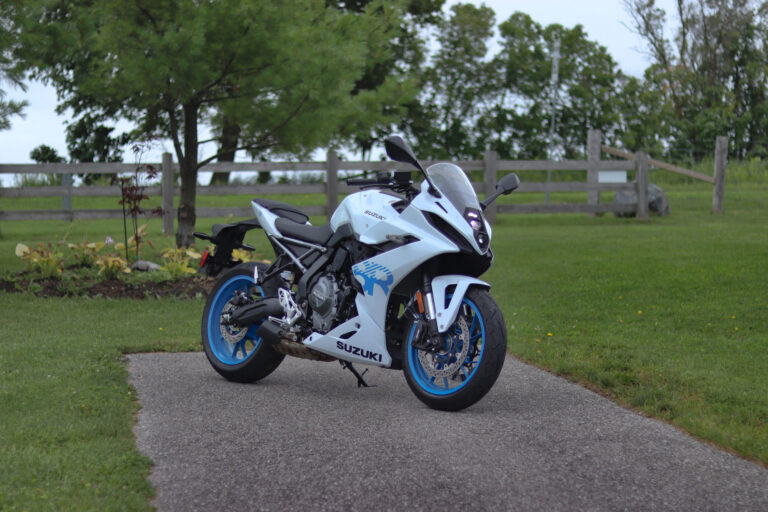
2026 Suzuki GSX-8R: The Middleweight Sport Bike Formula Done Right
The motorcycle world has spent the last decade trapped in a profoundly stupid dick-measuring contest, obsessed with building 200-horsepower, track-focused…

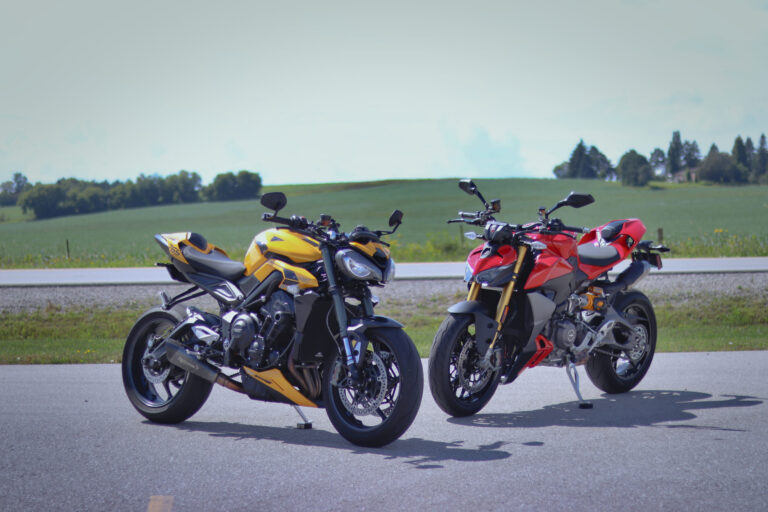
British Precision vs. Italian Violence: 2026 Ducati Streetfighter V2S vs.
Human beings are inherently absurd creatures, but nowhere is that absurdity more evident than in our willingness to strap our…
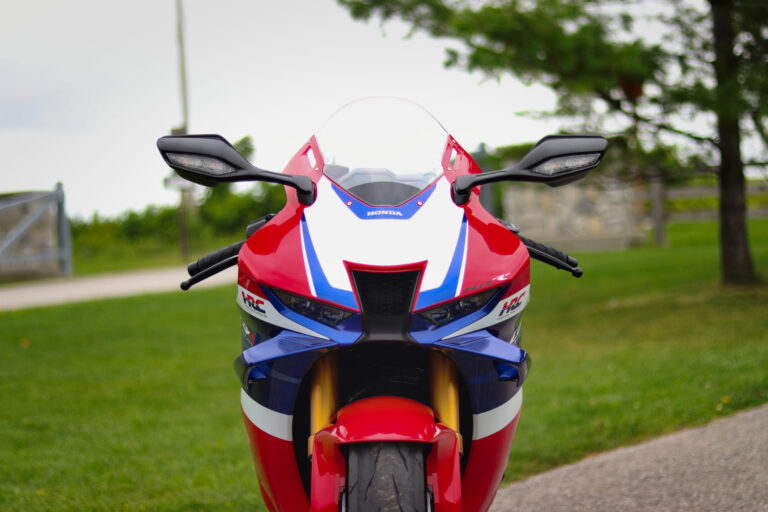
2026 Honda CBR1000RR-R Fireblade SP Review: Pure Mechanical Violence
The 2026 Honda CBR1000RR-R Fireblade SP is not a motorcycle; it is a clinical, unrelenting exercise in absolute mechanical insanity…
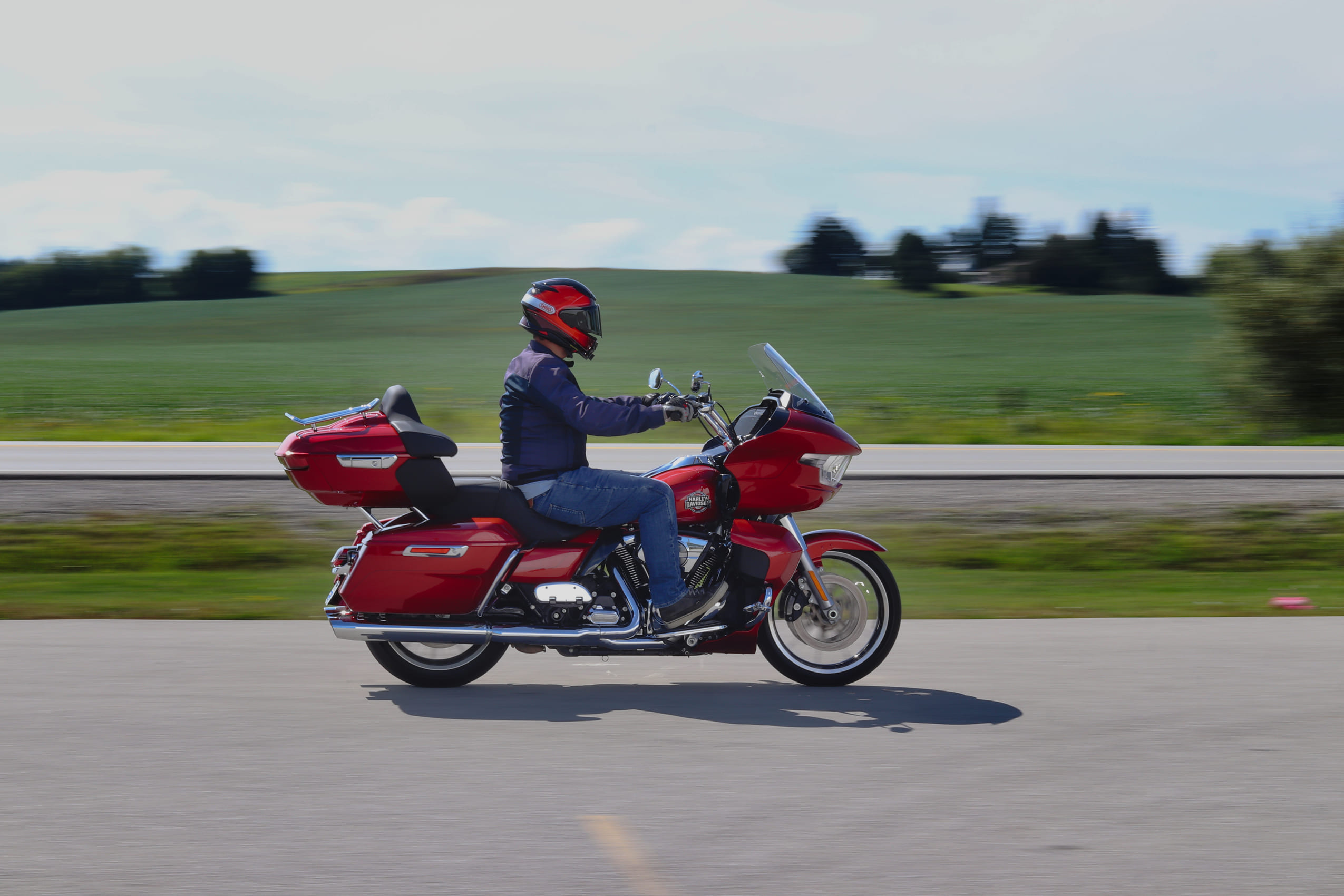
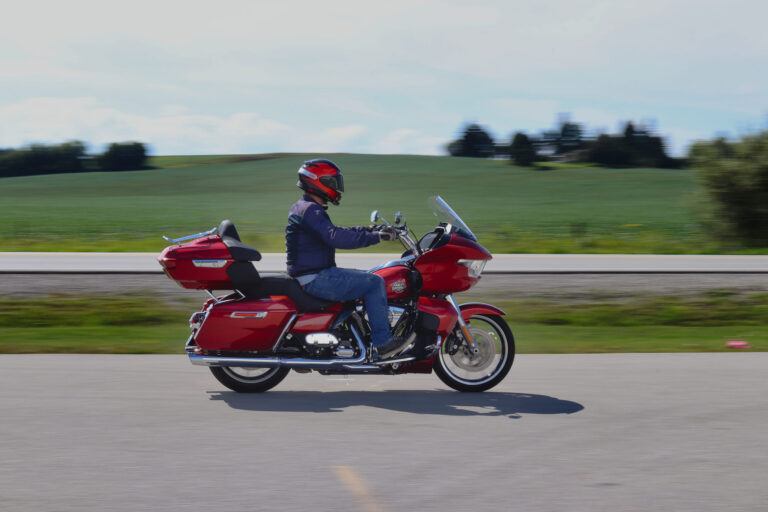
Sharknose Supremacy: Driving the 2026 Harley-Davidson Road Glide
Let’s get one thing straight: the 2026 Harley-Davidson Road Glide shouldn’t make sense. It’s a rolling, 800-pound contradiction—a massive, frame-mounted…
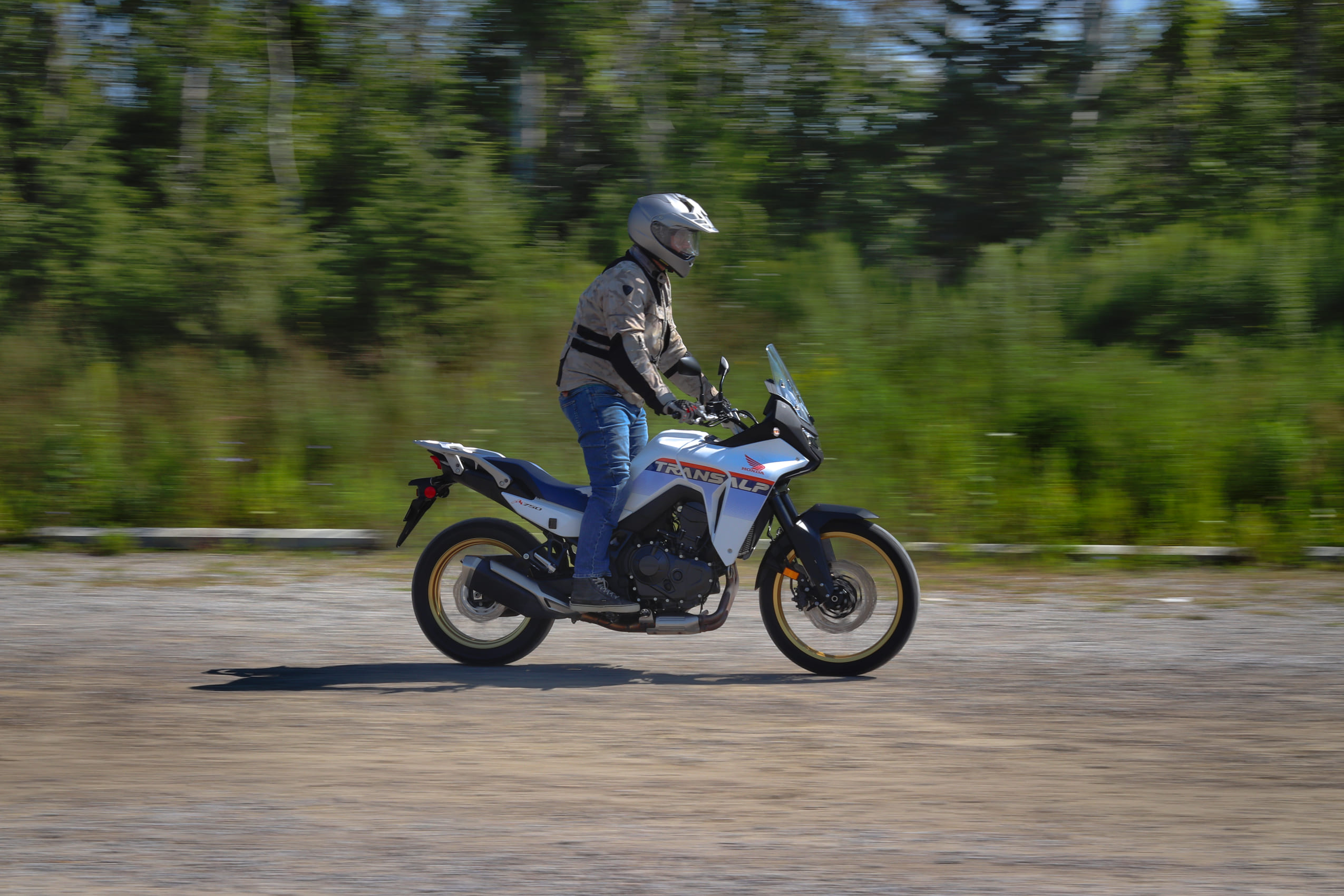
The Anti-ADV Hero: Why the 2026 Honda Transalp is the
Leave it to Honda to look at the entire, absurdly over-engineered, $25,000 middleweight adventure segment—a market flooded with hyper-focused rally…
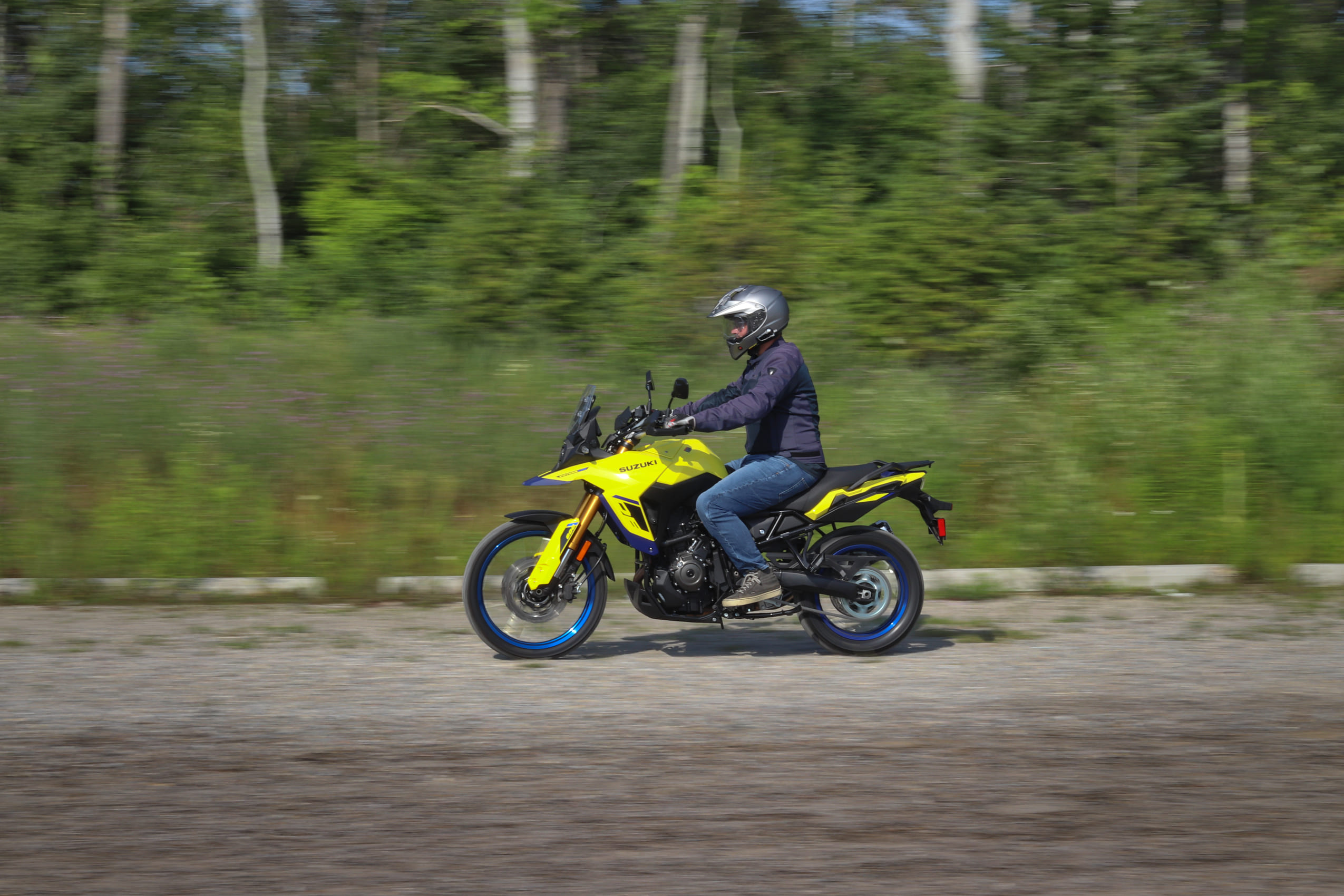
2026 Suzuki V-Strom 800DE: No V-Twin, No Problem
Words are supposed to mean things. The “V” in V-6 means a V-layout, and for two decades, the “V” in…