The 2025 Hyundai Palisade Hybrid is what happens when a sensible three-row family hauler quietly decides it’s done apologizing for being practical. This is still the rolling living room that can swallow kids, strollers, Costco runs, and cross-country road trips without breaking a sweat—but now it does it with a smug, fuel-saving grin and a newfound sense of purpose. Hyundai didn’t turn the Palisade into some half-hearted eco experiment; it electrified it just enough to make you question why every big, thirsty family SUV didn’t do this years ago. It’s calmer, smoother, and smarter at low speeds, yet just as confident barreling down the highway fully loaded—proof that hybridization, when done properly, doesn’t ruin the vibe.


Visually, the 2025 Palisade Hybrid doesn’t try to reinvent the Palisade so much as sharpen it, like a well-tailored suit that finally fits the way it always should have. The basic shape remains familiar—upright, boxy, unapologetically three-row—but the details feel calmer and more deliberate than before. Where the outgoing model occasionally flirted with excess, this one looks more grown-up, more intentional. It’s still big, still confident — but now wears that size with a little more restraint, like it knows it doesn’t have to shout to be taken seriously.
Up front, the face is where most of the quiet evolution happens. The grille remains tall and imposing, but the patterning is cleaner and more aerodynamically minded, giving the Hybrid a slightly more polished expression than the gas-only version. The lighting signature—those stacked LEDs and crisp daytime running lights—still gives it instant curb appeal, but there’s less visual clutter around the edges. The Hybrid doesn’t wear a giant green leaf badge or scream “eco”; instead, it signals its difference the way luxury hybrids do—subtle badging, unique wheel designs, and just enough smoothing of the front fascia to suggest this thing slips through the air more efficiently than the old V6 brute.
From the side and rear, the Palisade Hybrid stays refreshingly honest. The long wheelbase, upright glass, and broad shoulders carry over unchanged—thankfully avoiding any coupe-SUV nonsense or pinched rooflines in the name of style. This is still a family machine first, and it looks like one in the best possible way. The updates live in the details: aero-focused wheels, cleaner surfacing, and efficiency-minded tires, while the rear retains its signature vertical taillights and wide, practical tailgate. A cleaner lower bumper with neatly tucked-away exhaust outlets gives the Hybrid a calmer, more deliberate finish—confident, understated, and clearly designed to move forward without pretending to be something it isn’t.


Slide inside the 2025 Palisade Hybrid and you’re greeted by a dash that feels like it took a long, hard look in the mirror and said, “Let’s get right to work.” It’s deliberately monochromatic—no screaming two-tone accents or busy, jewel-like surfaces to distract you. Dark, confident materials wrap the fascia, and everything feels chosen for clarity and purpose rather than flash. Buttons and knobs aren’t there for decoration; they’re big, tactile, and in the right spot. The HVAC controls click with reassuring precision, the steering-wheel buttons don’t make you guess what they do, and even the shifter feels like a thoughtful extension of your hand rather than an afterthought. There’s a quiet discipline to the interior that suits this SUV’s mission: comfortable, functional, and not interested in showing off for its own sake.
Seat comfort is where the Palisade Hybrid earns its keep. The front buckets are generous in padding and bolstering, with enough adjustability that drivers five inches taller or shorter than you should still find a natural driving position. Hyundai didn’t cheat the second row either; these seats are supportive and spacious, with decent recline and good visibility out the windows. The third row, often an afterthought in big hybrids, is surprisingly usable—adult-friendly for short to medium stints and downright comfortable for kids on long runs. Taller passengers will appreciate the thoughtful headroom, and the floor isn’t so raised back there that you feel perched. Practicality isn’t a buzzword here; it’s woven into every inch of the cabin.
Tech is where the Palisade Hybrid both shines and shows its ambitions. The infotainment screen looks crisp, responds promptly to touch and voice commands, and has clear menus that don’t bury basic functions behind a dozen taps. Android Auto and Apple CarPlay integrate seamlessly, and the sound system—when you tick the right box—will fill the cabin without strain. But the digital cluster? It’s competent, not captivating. It gives you the essentials in sharp, clear graphics, but doesn’t let you tailor layouts or dive deep into hybrid-specific readouts the way some rivals do. More custom gauge clusters, more choices in how information is presented, would elevate the experience and give the driver a sense of ownership over what they’re seeing. As it stands, it’s good—it just feels like Hyundai held back a little on the final lap.
And then there’s cargo space, where the Palisade Hybrid proves that practicality still matters. With all seats in place, you’ve got approximately 540 litres behind the third row—enough for a couple of suitcases or a week’s groceries without having to wedge things in at awkward angles. Fold the third row and that swells to 1310 litres, which can handle bikes (with the front wheel off), larger suitcases, or whatever gear your family throws at it. Drop the second row too and you get around 2450 litres of cargo space—serious number for big loads, long trips, or home-renovation runs to the lumber yard. Every panel, hook, and tie-down feels placed with intention, so you aren’t left improvising once the doors close.


At the core of the 2025 Palisade Hybrid is Hyundai’s latest 2.5-litre turbocharged four-cylinder hybrid system, producing a combined output of roughly 329 horsepower and about 339 lb-ft of torque. Those numbers matter, because they explain exactly why this thing feels quicker than you expect, yet never quite silk-smooth. Peak torque arrives early thanks to the electric motor, giving the Palisade Hybrid a strong initial shove off the line that immediately masks its size. It doesn’t feel like a compromised eco special; it feels properly motivated, especially in urban driving and highway merges where that electric torque fills in the gaps a turbo four normally leaves behind.
Power is sent through a conventional six-speed automatic transmission, and this is where Hyundai deliberately parts ways with Toyota’s hybrid religion. Toyota leans almost exclusively on its power-split eCVT systems, which are monumentally efficient and glassy-smooth but also emotionally inert. Hyundai’s approach keeps physical gears in the equation, and you feel it. Upshifts are deliberate, downshifts are decisive, and throttle response feels more natural to drivers coming from traditional gas vehicles. The trade-off? You occasionally notice the drivetrain thinking—engine revs rising, gears swapping, electric assist tapering in and out. It’s engaging, even satisfying, but it’s not as creamy or imperceptible as a naturally aspirated V6 or Toyota’s best hybrid setups.
That same philosophy extends to the all-wheel-drive system, which is mechanical rather than purely electric at the rear axle. Instead of using a standalone rear motor like Toyota’s e-AWD hybrids, Hyundai’s system actively manages torque distribution through the drivetrain itself. In Normal mode, it prioritizes front-drive efficiency while subtly feeding torque rearward under load. Switch to Sport and the logic changes noticeably: throttle mapping sharpens, the transmission holds gears longer, and the AWD system becomes more assertive, sending power rearward earlier to keep the big SUV feeling planted and confident. On loose or wet surfaces, the system reacts quickly, but more importantly, it anticipates — you feel stability before wheelspin, not after.
But here’s the honest part: this engagement comes at a cost. Compared to Toyota’s hybrid systems, which are ruthlessly optimized for efficiency, the Palisade Hybrid is simply not as fuel-efficient. The geared automatic, the turbocharged engine, and the more aggressive AWD strategy all nibble away at ultimate mpg figures. You’re trading a few litres per 100 km for better throttle feel, more conventional driving behavior, and a drivetrain that feels familiar rather than abstract. For some buyers, that’s exactly the right compromise. For others chasing maximum efficiency above all else, Toyota still holds the crown.


In real-world driving, the Palisade Hybrid feels far more manageable than its size suggests. Around town, the electric torque makes it easy to live with — smooth off the line, confident in traffic, and never strained. Steering is light and predictable, suspension tuning favors comfort over sport, and visibility is excellent for a vehicle this large. It’s the kind of SUV you stop thinking about after ten minutes behind the wheel, and that is exactly the point.
Highway driving is where the Palisade really shines as a long-distance family tool. On Ontario’s 400-series highways, it settles into a relaxed cruise with excellent noise isolation and a stable, planted feel. Highway Driving Assist works flawlessly, maintaining distance, centering in the lane, and even executing lane changes without hesitation or drama. It’s one of the better semi-assist systems out there, and it actually reduces fatigue rather than adding to it. The Blind-View Monitor remains one of my favourite features — the live camera feed in the digital cluster when signaling is genuinely useful and something you miss immediately when it’s not there.
The hybrid drivetrain delivers solid real-world punch, especially at lower speeds, but it’s not as seamless as the old naturally aspirated V6. At highway speeds, you feel the system working — gears changing, engine cycling in and out — rather than disappearing into the background. Towing capacity is rated at 5,000 lb for the gas model and 4,000 lb for the hybrid, which also gets a dedicated tow mode. While the electric torque helps with initial pull, sustained towing highlights the hybrid’s busier character compared to the effortless V6.
There are also a few everyday quirks that stand out. One surprising miss: the rear door handles aren’t touch-sensitive for locking or unlocking the vehicle — something competitors offer even on base trims. It’s a small thing, but it becomes noticeable fast when your hands are full. Oddly enough, fuel economy numbers also don’t quite live up to expectations. Over my time with the vehicle — with lots of highway driving — I averaged around 12.0 L/100 km, which is respectable, but not class-leading, and worse than some rival hybrid systems.


The Palisade is better than ever, and that’s not something I say lightly. Hyundai didn’t chase hybridization just to tick a regulatory box — they used it to make their best three-row SUV feel more modern, more efficient, and more competitive in a segment that’s moving quickly toward electrification. The Hybrid may not be the smoothest or most efficient setup in the class, but it adds real-world torque, meaningful tech, and a driving experience that feels intentionally tuned rather than compromised. For buyers who prioritize effortless smoothness on long highway trips, Hyundai smartly continues to offer the V6 Palisade, which remains the ideal choice for traditional three-row SUV duty.
| Engine | 2.5L turbocharged inline-4 (Hybrid) |
| Electric Motor | Dual-motor hybrid assist (2 electric motors) |
| Combined Power Output | 329 hp / 339 lb-ft |
| Transmission | 6-speed automatic |
| Drivetrain | All-wheel-drive |
| Battery Type / Capacity | Lithium-ion / 1.65 kWh |
| Fuel Economy (as tested) | 12.0 L / 100 km |
| Price (as tested) | $69,129 CAD |
| Website | www.hyundaicanada.com |
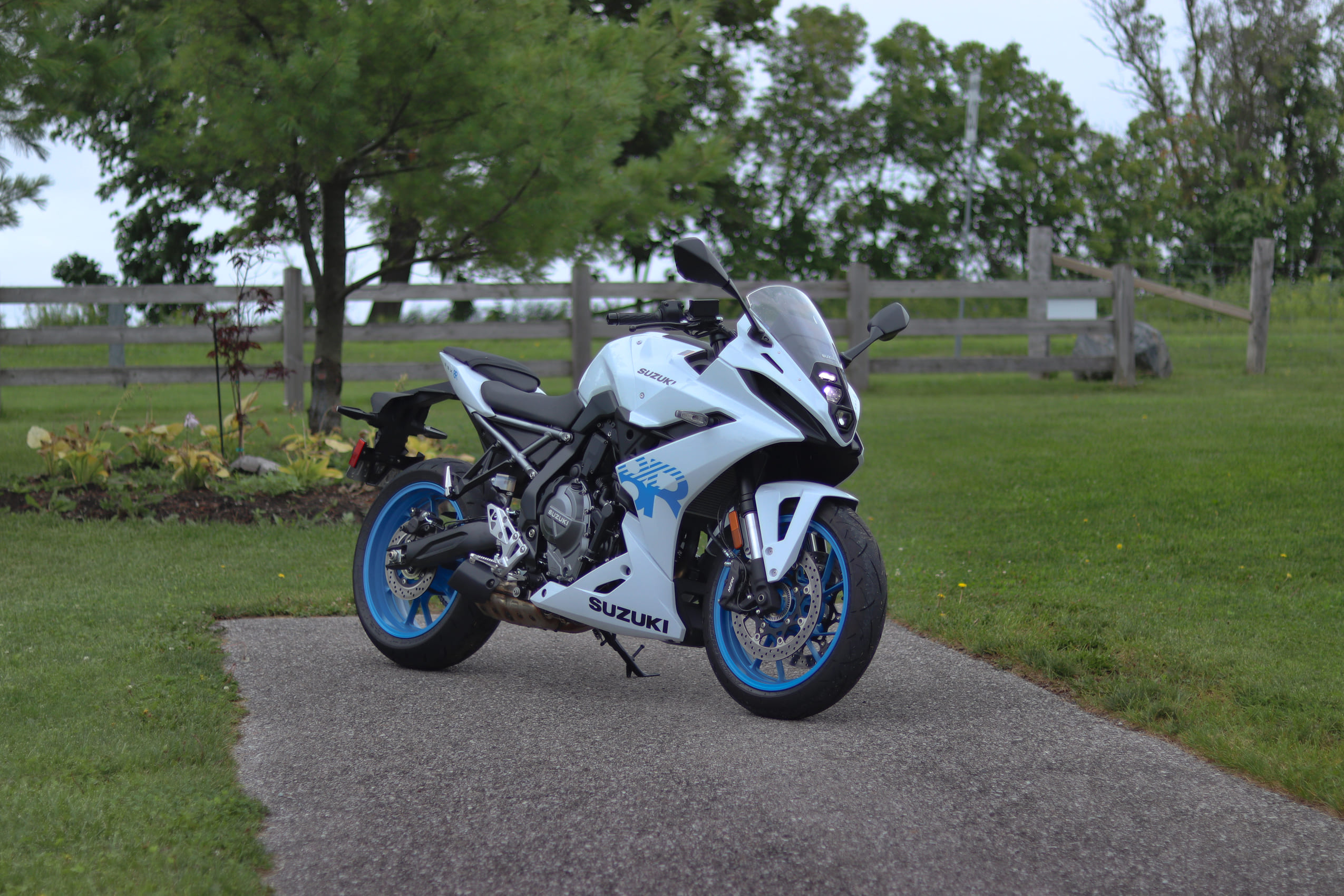
2026 Suzuki GSX-8R: The Middleweight Sport Bike Formula Done Right
The motorcycle world has spent the last decade trapped in a profoundly stupid dick-measuring contest, obsessed with building 200-horsepower, track-focused…

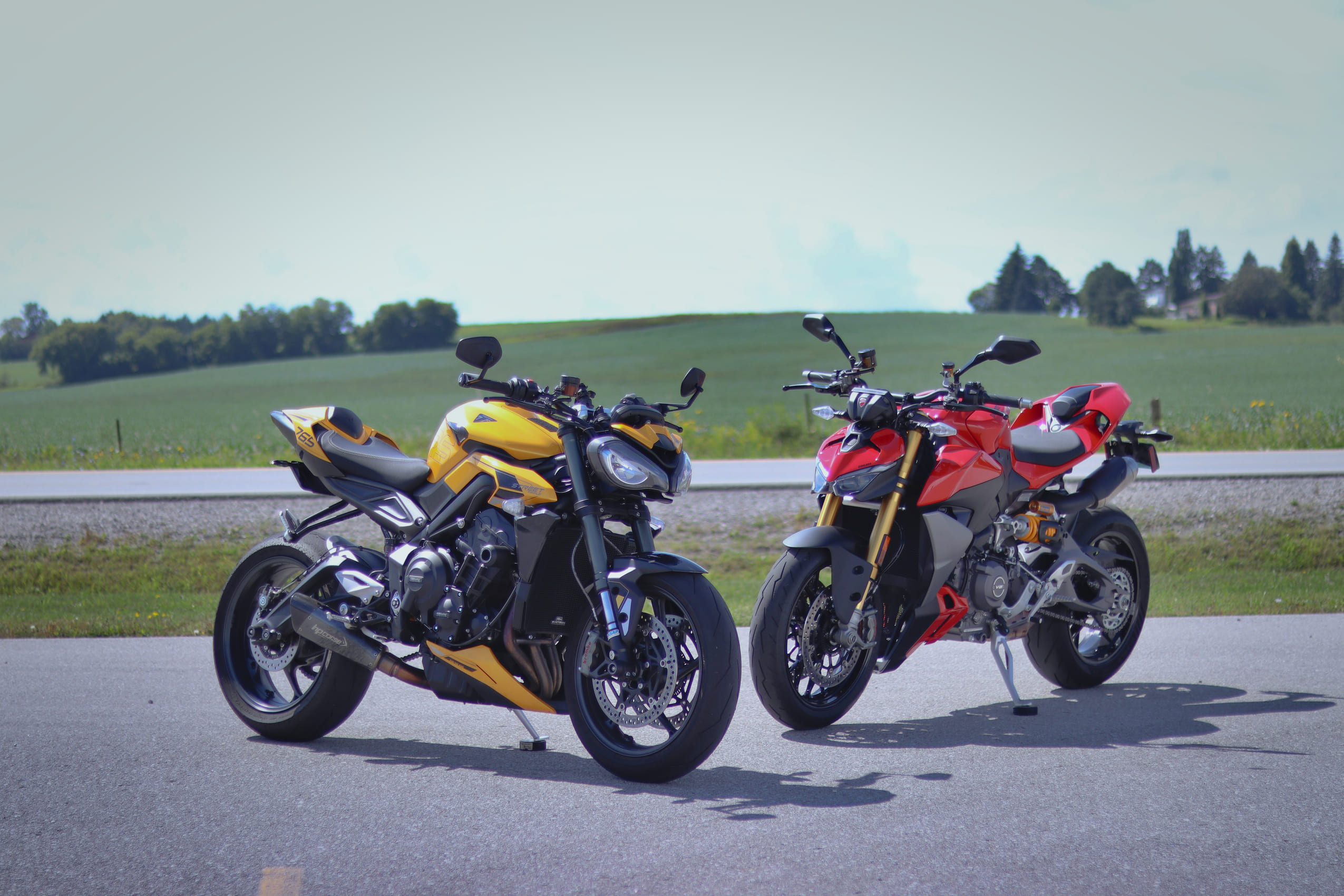
British Precision vs. Italian Violence: 2026 Ducati Streetfighter V2S vs.
Human beings are inherently absurd creatures, but nowhere is that absurdity more evident than in our willingness to strap our…
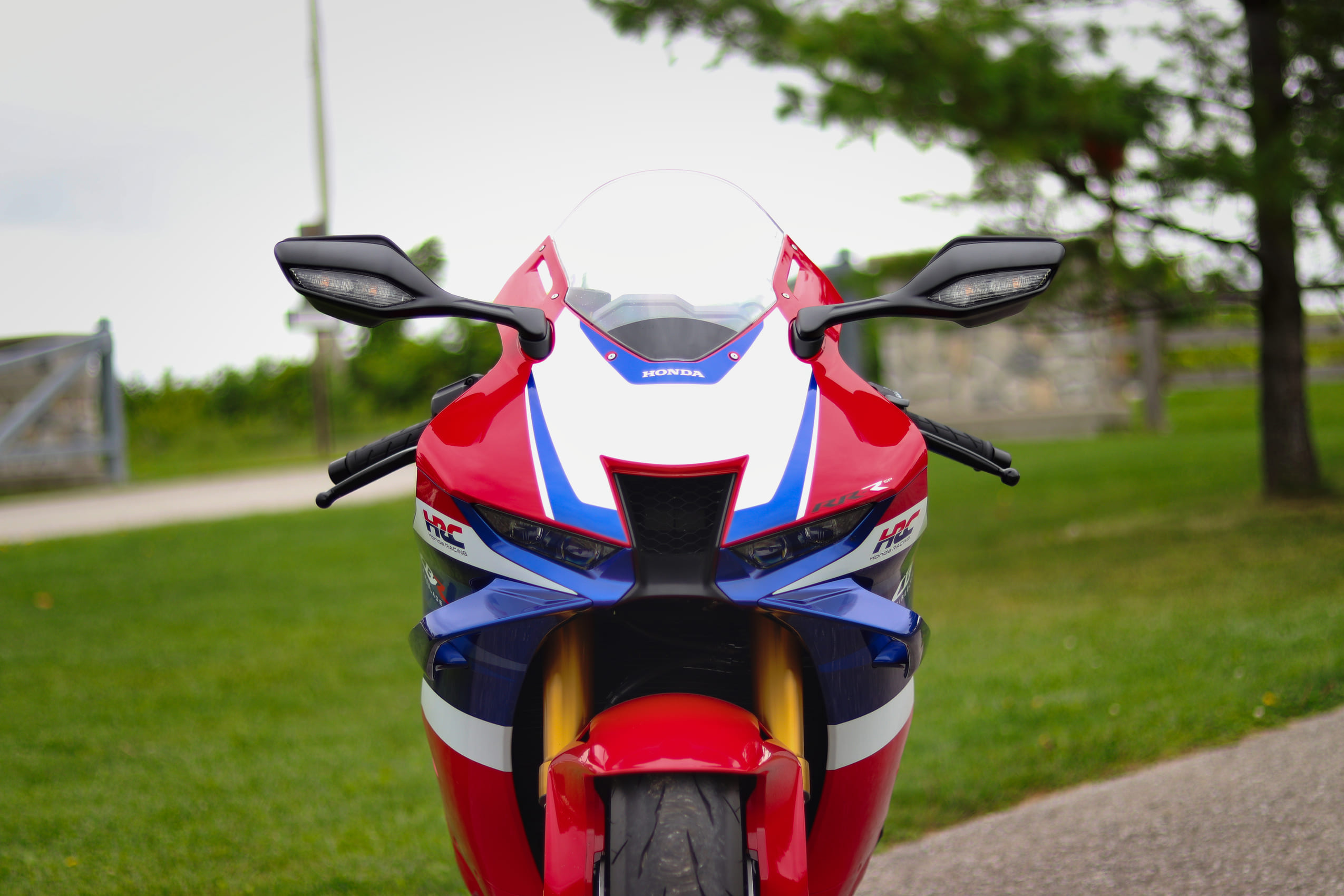
2026 Honda CBR1000RR-R Fireblade SP Review: Pure Mechanical Violence
The 2026 Honda CBR1000RR-R Fireblade SP is not a motorcycle; it is a clinical, unrelenting exercise in absolute mechanical insanity…
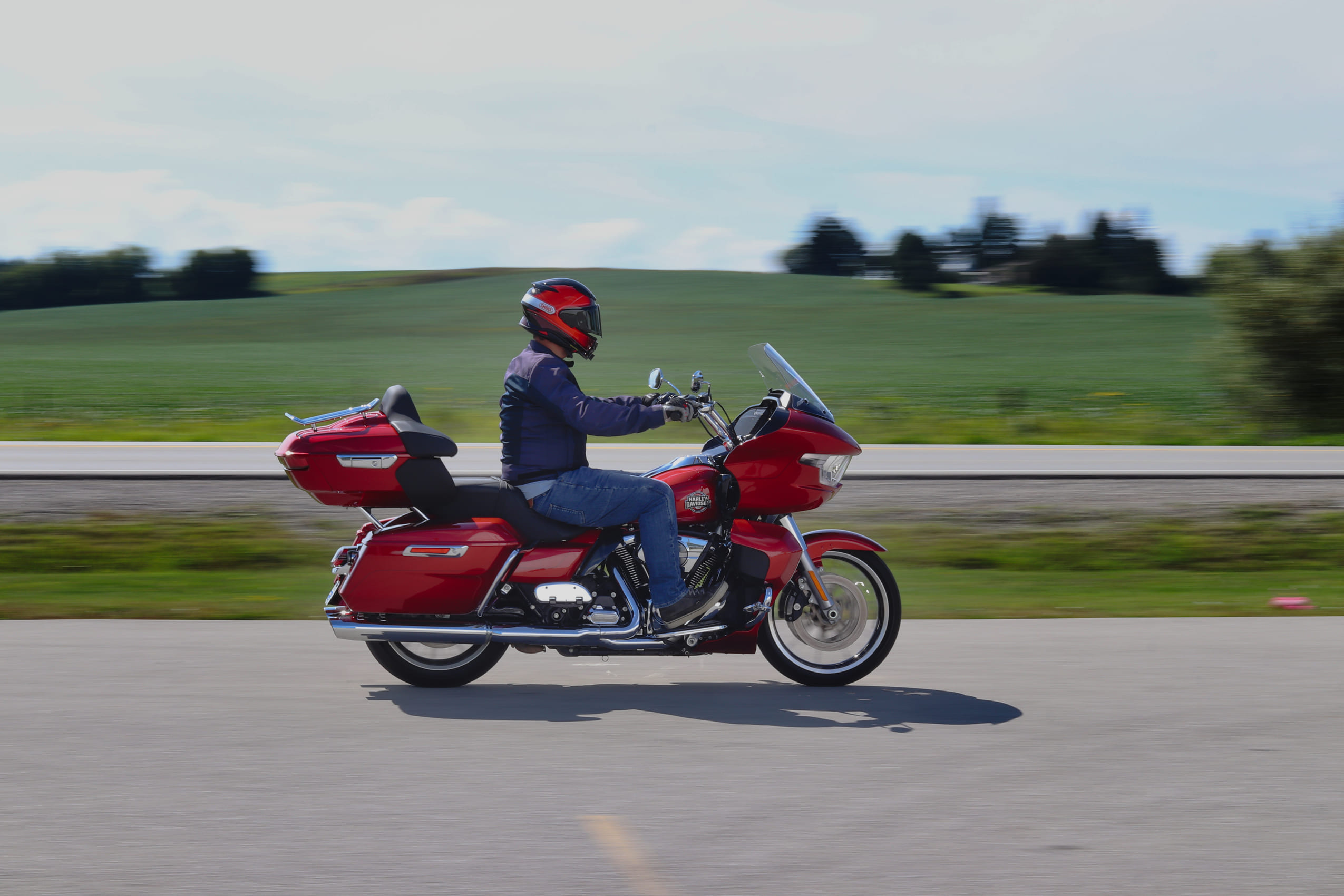
Sharknose Supremacy: Driving the 2026 Harley-Davidson Road Glide
Let’s get one thing straight: the 2026 Harley-Davidson Road Glide shouldn’t make sense. It’s a rolling, 800-pound contradiction—a massive, frame-mounted…
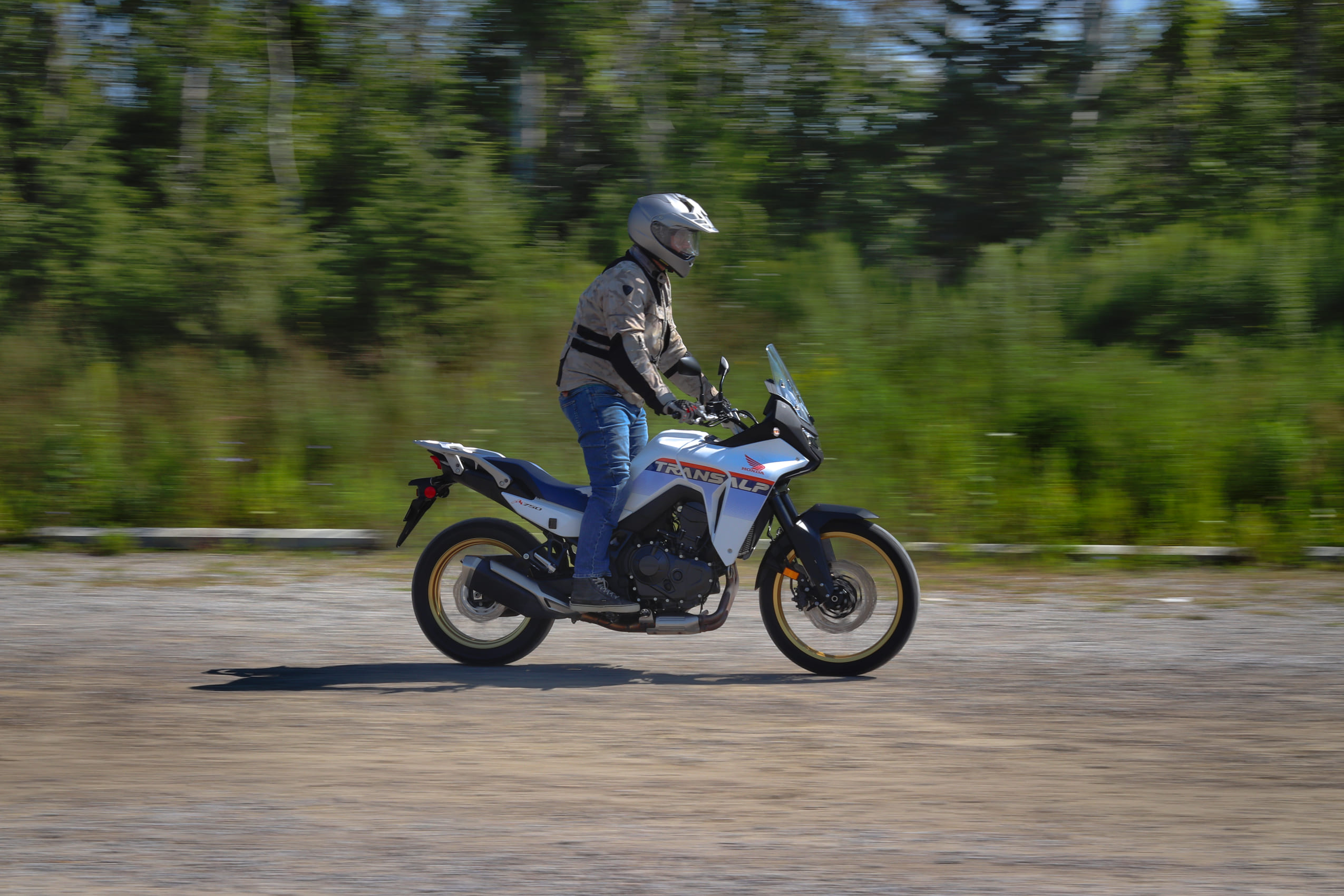
The Anti-ADV Hero: Why the 2026 Honda Transalp is the
Leave it to Honda to look at the entire, absurdly over-engineered, $25,000 middleweight adventure segment—a market flooded with hyper-focused rally…
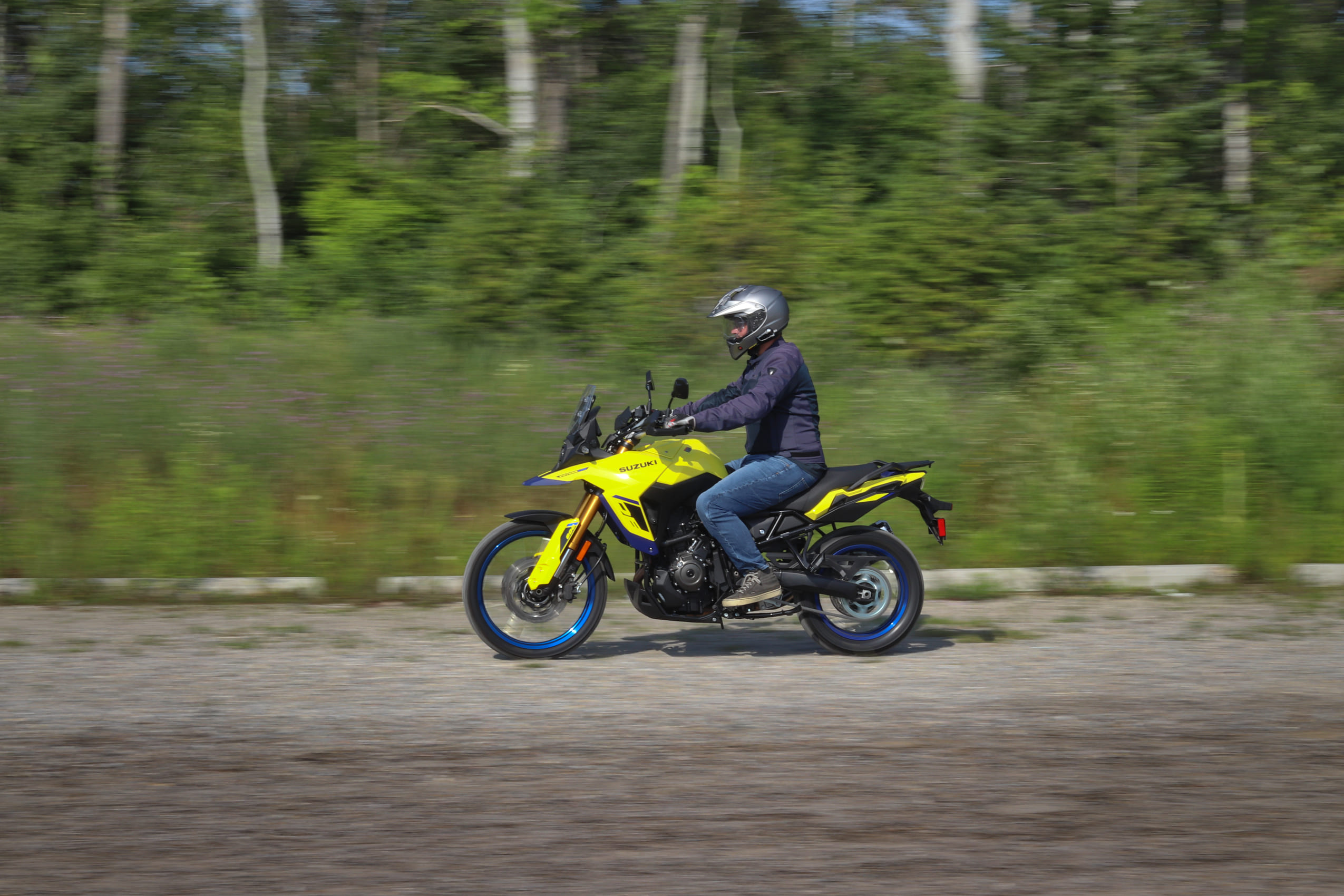
2026 Suzuki V-Strom 800DE: No V-Twin, No Problem
Words are supposed to mean things. The “V” in V-6 means a V-layout, and for two decades, the “V” in…