The 2026 GMC Sierra EV is what happens when a full-size pickup decides it no longer wants to whisper about the future—it wants to kick the door down, roll in on 24-inch wheels, and casually tow a small house while doing it in near silence. This is not some tentative, eco-apology truck. It’s a 9,000-pound electric sledgehammer wrapped in Denali-grade confidence, the kind of machine that makes internal-combustion pickups suddenly feel like flip phones. GMC didn’t just electrify the Sierra; it exaggerated everything that makes a modern truck ridiculous—power, size, tech, and presence—then removed the noise and added a physics-defying shove that feels less like acceleration and more like the Earth rotating backwards.


Up front, the Sierra EV makes it immediately clear that this is not just a gas Sierra that forgot its exhaust. The face is smoother, more sculpted, and unapologetically futuristic, with a fully sealed grille that looks less “truck” and more “rolling high-voltage appliance”—in the best possible way. The lighting does most of the talking: a full-width LED light bar slices across the nose like a sci-fi visor, tying into GMC’s illuminated badge and giving the Sierra EV a presence that’s unmistakable at night. Where the ICE Sierra looks rugged and mechanical, the EV looks intentional and aerodynamic, like every surface has been interrogated by a wind tunnel and then signed off by a designer wearing a very expensive jacket.
Along the sides, the Sierra EV leans hard into its Ultium skateboard proportions, and it wears them confidently. The cab-forward stance, massive wheelbase, and flush door handles immediately separate it from the traditional Sierra’s long-hood, upright profile. There’s a subtle surfacing trick happening here too: the body sides are clean and slab-like, but the character lines are sharp enough to keep the truck from looking like a refrigerator on wheels. Those giant wheels—because of course they’re giant—fill the arches with an almost concept-car arrogance, while the fixed roofline and thick C-pillars hint at just how much battery is living beneath your feet.
Then there’s the rear, which is where the Sierra EV really breaks away from pickup tradition. The tailgate looks familiar at a glance, but the party trick is GMC’s MultiPro Midgate—an EV-era evolution that lets the cabin and bed merge into one absurdly long cargo area. It’s clever, it’s overengineered, and it’s exactly the kind of feature that makes you wonder why trucks didn’t do this sooner. The taillights are vertical, bold, and unmistakably GMC, framing a rear end that feels more premium than industrial, especially compared to the bolt-on toughness of the gas Sierra.


Inside, the Sierra EV doubles down on the idea that screens are the new chrome. The dashboard is dominated by a massive vertical touchscreen that looks like it was airlifted straight out of a Silicon Valley concept lab, paired with a wide digital gauge cluster that’s sharp, fast, and endlessly configurable. Visually, it’s impressive—there’s no denying that—but it also marks a philosophical shift from the gas Sierra Denali. Where the ICE truck’s interior feels layered, muscular, and unapologetically “truck luxury,” the EV’s cabin leans more minimalist and tech-forward, sometimes at the expense of warmth and character.
And this is where the illusion cracks just a little. For a truck that costs this much and weighs this much, the dashboard materials feel… fine. Not bad—but noticeably less rich than a Sierra Denali with a V8 under the hood. The plastics are harder, the textures flatter, and some of the trim feels more mass-produced than premium. It’s a strange contrast: you’re surrounded by cutting-edge displays and futuristic graphics, yet your hands keep reminding you that the gas Sierra still does old-school luxury better. GMC chased modernity here, and in doing so, left a bit of tactile satisfaction on the table.
Tech is where the Sierra EV both flexes hardest and trips over itself. The digital gauge cluster is crisp, fluid, and genuinely attractive, with layouts that look purpose-built rather than tacked on. Range, power flow, navigation, and towing data are presented clearly, and the graphics feel worthy of a six-figure truck. The problem? Customization is surprisingly limited. You can switch themes and views, but you can’t really make it yours. For a vehicle that’s supposed to be the future of GMC, the cluster feels more locked-down than empowering—polished, but oddly conservative.
The central touchscreen, on the other hand, is mostly a win. It’s responsive, logically laid out, and far easier to use on the move than the menu soup found in some rivals. Google Built-In does the heavy lifting well, voice commands actually work, and native navigation integrates cleanly with range and charging data. But the omission is impossible to ignore: no Apple CarPlay. GMC’s insistence that you won’t miss it feels like being told you don’t need a volume knob—technically defensible, emotionally wrong. Yes, the system works. Yes, it’s fast. But taking away choice in a truck this expensive feels less like progress and more like stubbornness.


Gimmicks? Oh, it has them. The front trunk is massive, power-operated, and legitimately useful, especially for things you don’t want sliding around the bed. The glass roof floods the cabin with light, the steering wheel looks like it was designed during a caffeine-fueled late-night UX meeting, and the camera system borders on absurd, stitching together so many angles that towing feels less like guesswork and more like playing a very expensive video game. It’s clever, impressive, and occasionally overwhelming—exactly what you’d expect from an electric flagship truck.
Out back, the Sierra EV reminds you why this thing exists in the first place. Thanks to the MultiPro Midgate, the bed can effectively stretch to an eye-watering 11 feet, turning the truck into a rolling logistics solution. Bikes, lumber, drywall, motorcycles—suddenly they all fit without diagonal gymnastics. The MultiPro tailgate returns with its familiar party tricks, steps, and work surfaces, but there’s a notable miss here: no power tailgate. And when you’re dealing with something this large and this heavy, that omission is felt every single time you drop it.
When it comes to towing, the Sierra EV is both impressive and brutally honest about its limitations. Rated at 12,500 pounds, it has more than enough muscle to pull a boat, camper, or enclosed trailer without breaking a sweat—thanks to instant electric torque that makes launches feel almost unfair. GMC backs that up with excellent towing tech: integrated trailer profiles, a built-in brake controller, and an absurdly comprehensive camera system that turns lane changes and backing up into a confidence exercise rather than a prayer. It’s calm, stable, and deceptively easy.
But here’s the reality check GMC won’t put on the billboard: towing with an EV still means playing by new rules. Hitch up something heavy and your range doesn’t gently decline—it gets aggressively negotiated. The Sierra EV does a better job than most at predicting range with a trailer attached, but no amount of software can defeat physics. Payload also disappears faster than you’d expect, thanks to the sheer mass of the battery pack. This isn’t a long-haul, cross-country tow rig—it’s a powerful, ultra-refined short-to-medium-distance hauler that just happens to do its work in near silence.


Underneath the sheetmetal, the Sierra EV is built around a colossal Ultium battery pack—well over 200 kWh—that effectively is the truck’s structure. It feeds dual electric motors producing 754 horsepower and roughly 785 lb-ft of torque when you tap the hammer-icon Max Power mode. On paper, those numbers suggest supercar embarrassment; in practice, they’re delivered with restraint and polish. Multiple drive modes tailor throttle response, regen, and traction for Normal driving, towing, off-road use, and low-speed terrain work, while the hammer mode exists purely to remind you that this luxury truck could absolutely ruin your day if it wanted to.
Range is where the Sierra EV quietly separates itself from earlier electric trucks. Depending on configuration, GMC quotes numbers north of 600 kilometres, but what matters more is how it behaves once you actually start driving it. During our time with the truck, cold weather made it clear the battery isn’t immune to winter realities, and in mixed real-world driving—without heavy towing—we saw total range settle around 500 kilometres. That number felt honest, not optimistic.
Charging, however, is a tale of two worlds. On DC fast chargers, the Sierra EV shines thanks to its 800-volt architecture, pulling up to 350 kW and adding serious range in a short stop. Level 2 charging at home is a very different story. With a battery this large, even a robust home setup means long, overnight-plus charging sessions. It’s not a plug-in-and-forget experience—it’s a schedule-your-life-around-it situation. GMC’s app helps with charge management, preconditioning, and vehicle monitoring, and while it works well, no software can make a battery this big charge quickly on 240 volts.


On the road, the Sierra EV feels exactly as heavy as it is—and that’s not a criticism. Acceleration is instant and authoritative, but not face-melting fast; the mass keeps things civilized. What you get instead is a sense of unstoppable momentum, delivered in near silence. Ride comfort is excellent even for Ontario’s harsh road conditions, though firmer than expected despite the adaptive air suspension. GMC’s Super Cruise works impressively well, handling semi-autonomous driving and lane changes with confidence—but it isn’t flawless, occasionally disengaging on certain Highway 400/401/404 stretches when lane markings or mapping data fall short, briefly forcing you to take over.
The 2026 GMC Sierra EV isn’t here to evangelize—it’s here to quietly replace your old truck without asking you to change how you use it. It’s big, heavy, expensive, and unapologetic, because that’s exactly what modern full-size pickups already are, just louder and thirstier. This is an electric truck for people who tow real things, drive real distances, and want usable range instead of spec-sheet theater. It won’t win drag races, it won’t charge quickly at home, and it won’t charm you with old-school luxury—but it will do truck things with calm, confidence, and zero drama. GMC didn’t reinvent the pickup; it just removed the engine noise and proved that the future doesn’t have to feel experimental. And that’s the real mic drop.
| Category | 2026 GMC Sierra EV Max Range Denali 4WD |
|---|---|
| Powertrain | Dual-motor e4WD (electric 4WD) |
| Horsepower | 760 hp |
| Torque | 785 lb-ft |
| Transmission | Single-speed reduction gear (EV) |
| Drivetrain | All-wheel drive (electric) |
| Battery | Ultium lithium-ion battery pack – 205 kWh (Max Range) |
| Battery Location | Underfloor skateboard platform |
| Estimated Range | ~740 km |
| Charging | 800-volt DC fast charging — fast-charge capable (~160 km range added in ~10 min with 350 kW charger). |
| Rear Suspension | Independent with optional Air Ride Adaptive Suspension |
| Max Towing Capacity | 5,670 kg (12,500 lb) |
| Price (as tested) | 124,718 CAD |
| Website: | www.gmccanada.ca |
2026 Suzuki GSX-8R: The Middleweight Sport Bike Formula Done Right
The motorcycle world has spent the last decade trapped in a profoundly stupid dick-measuring contest, obsessed with building 200-horsepower, track-focused…

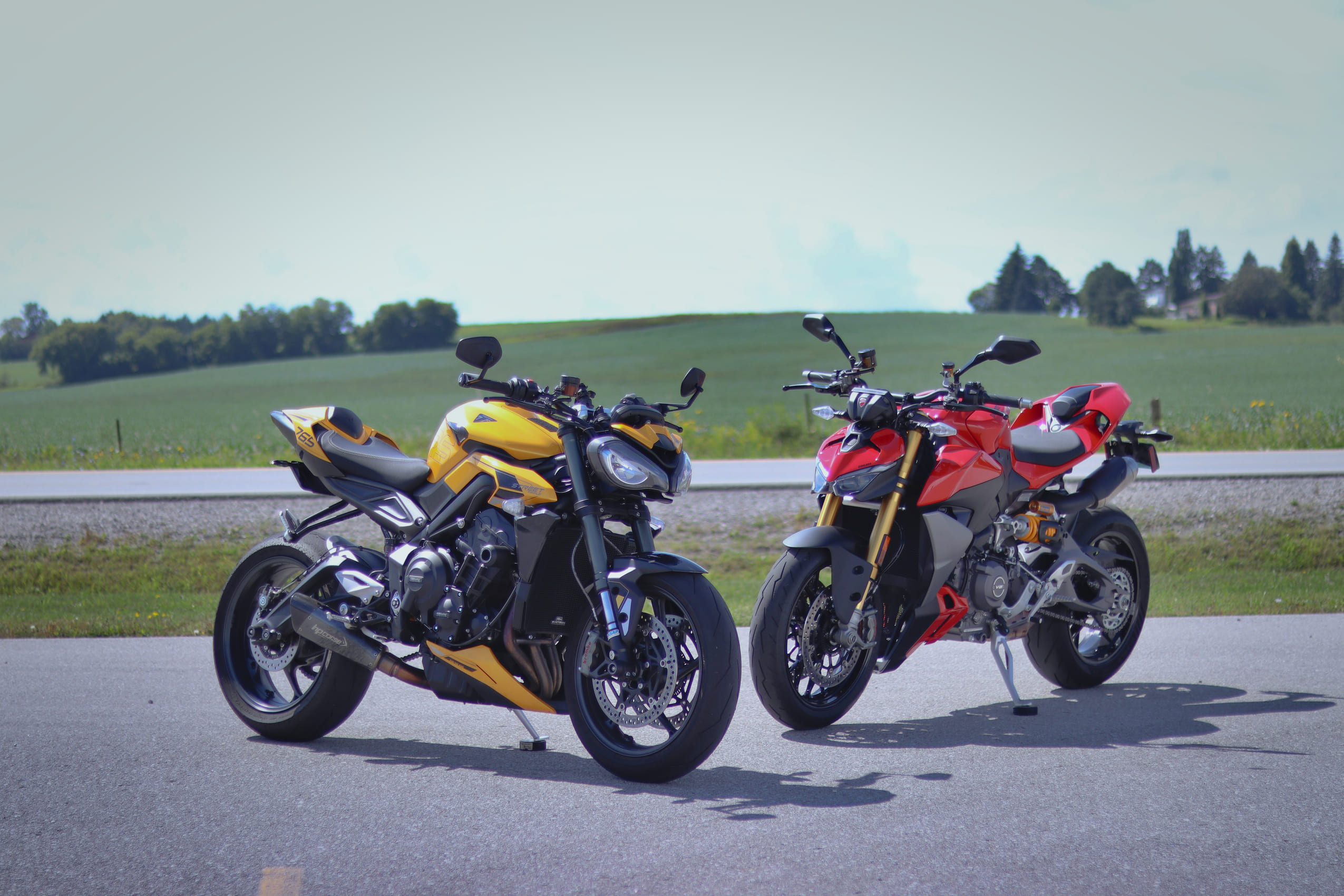
British Precision vs. Italian Violence: 2026 Ducati Streetfighter V2S vs.
Human beings are inherently absurd creatures, but nowhere is that absurdity more evident than in our willingness to strap our…

2026 Honda CBR1000RR-R Fireblade SP Review: Pure Mechanical Violence
The 2026 Honda CBR1000RR-R Fireblade SP is not a motorcycle; it is a clinical, unrelenting exercise in absolute mechanical insanity…
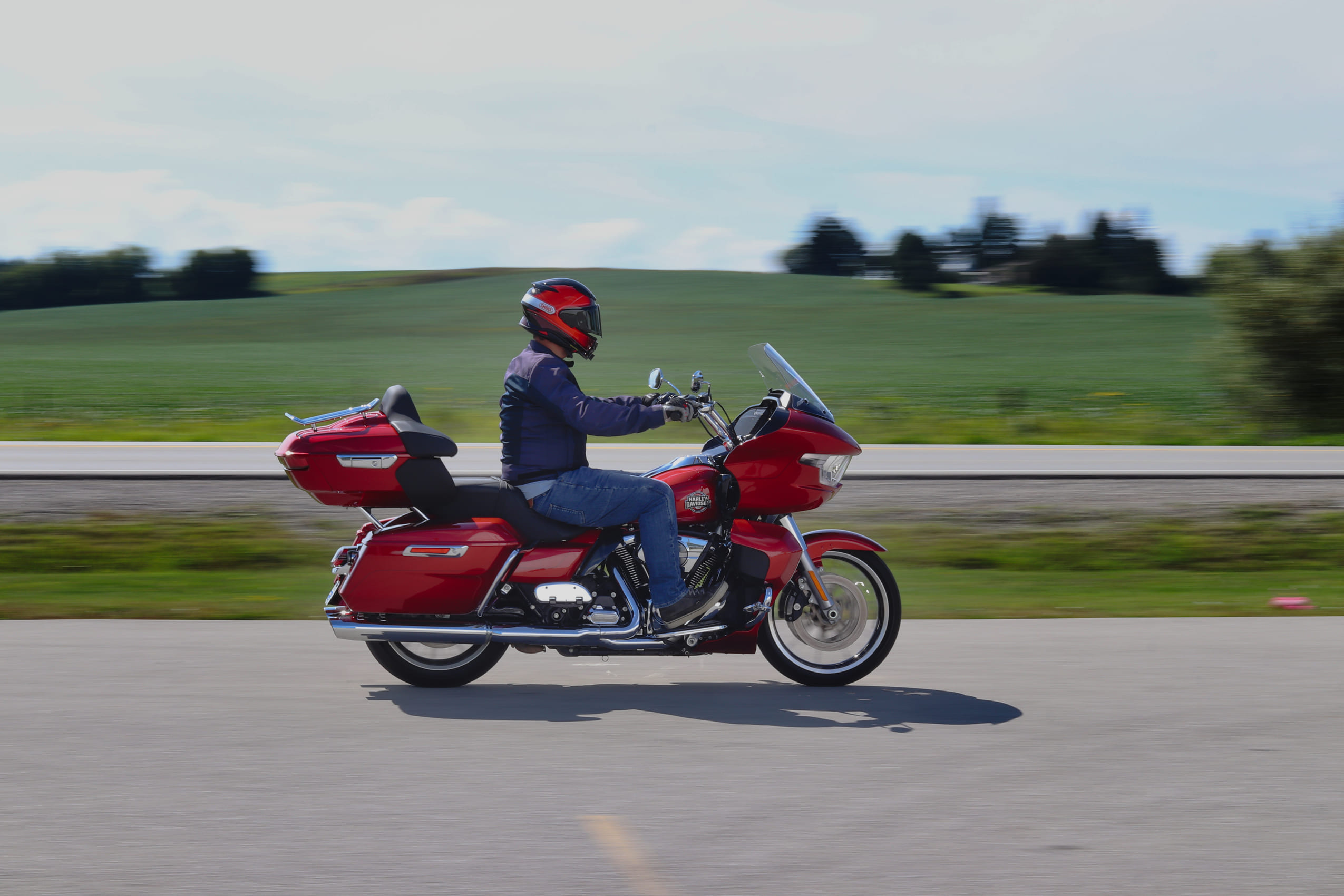
Sharknose Supremacy: Driving the 2026 Harley-Davidson Road Glide
Let’s get one thing straight: the 2026 Harley-Davidson Road Glide shouldn’t make sense. It’s a rolling, 800-pound contradiction—a massive, frame-mounted…
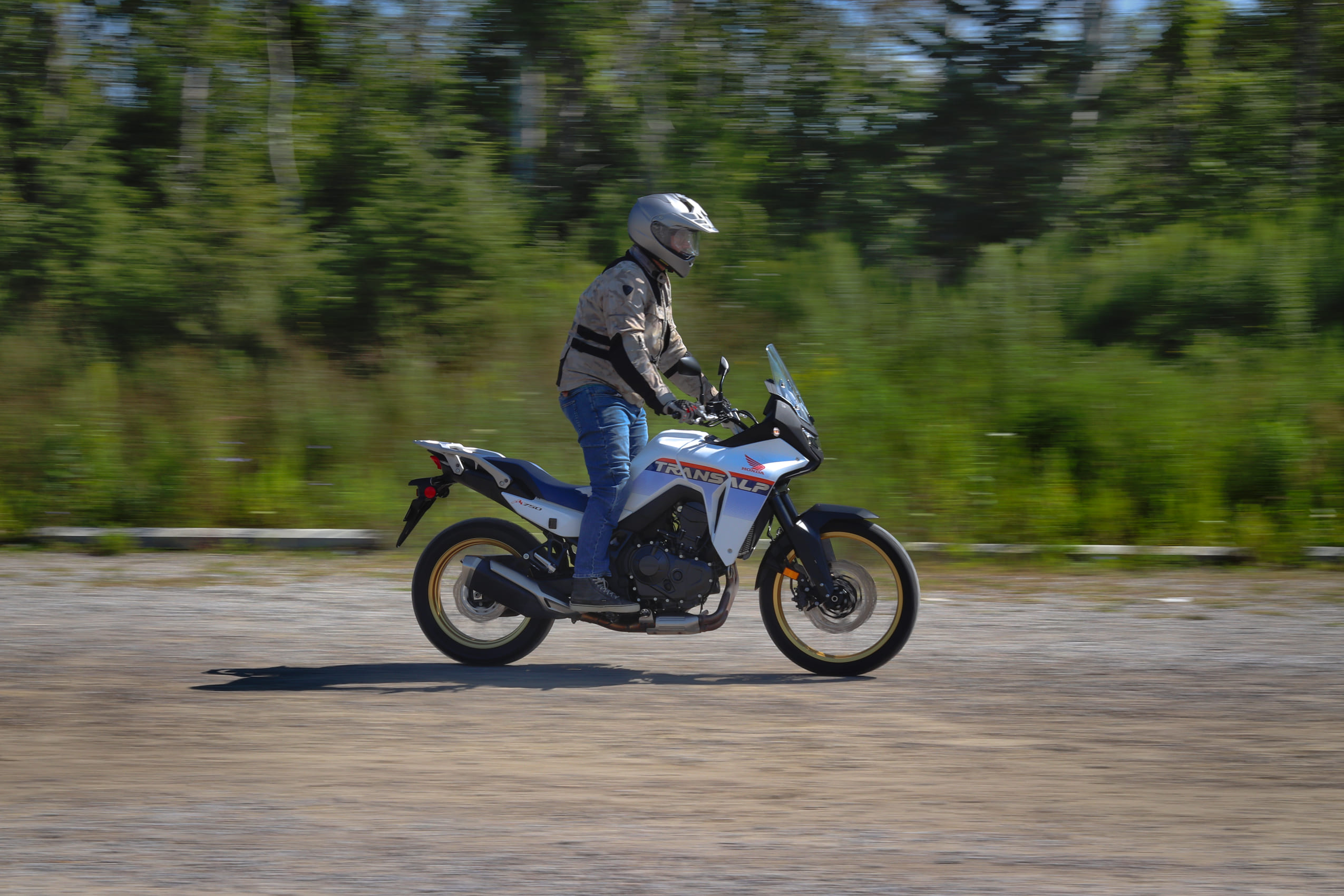
The Anti-ADV Hero: Why the 2026 Honda Transalp is the
Leave it to Honda to look at the entire, absurdly over-engineered, $25,000 middleweight adventure segment—a market flooded with hyper-focused rally…
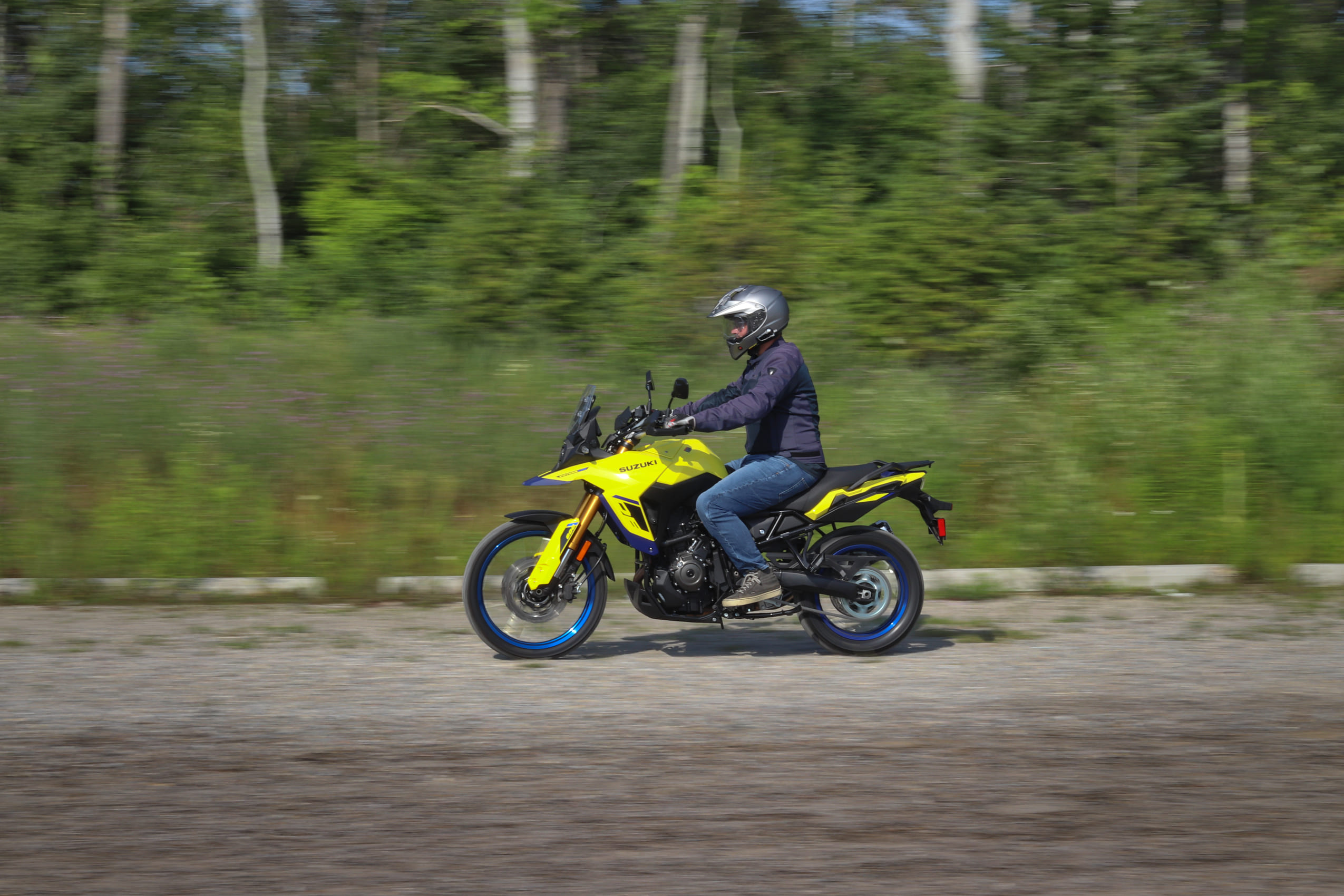
2026 Suzuki V-Strom 800DE: No V-Twin, No Problem
Words are supposed to mean things. The “V” in V-6 means a V-layout, and for two decades, the “V” in…