Let’s be honest about what’s actually happening here. For years, the automotive industry has been playing a cruel joke on us with the “compact crossover“—uninspired, unloving boxes built exclusively to ferry screaming toddlers to soccer practice and survive the brutal terrors of a Costco parking lot. Then Ford slapped a legendary badge onto an Escape platform, called it the Bronco Sport, and we all rolled our eyes. But for 2026, they went ahead and gave it the Sasquatch package.
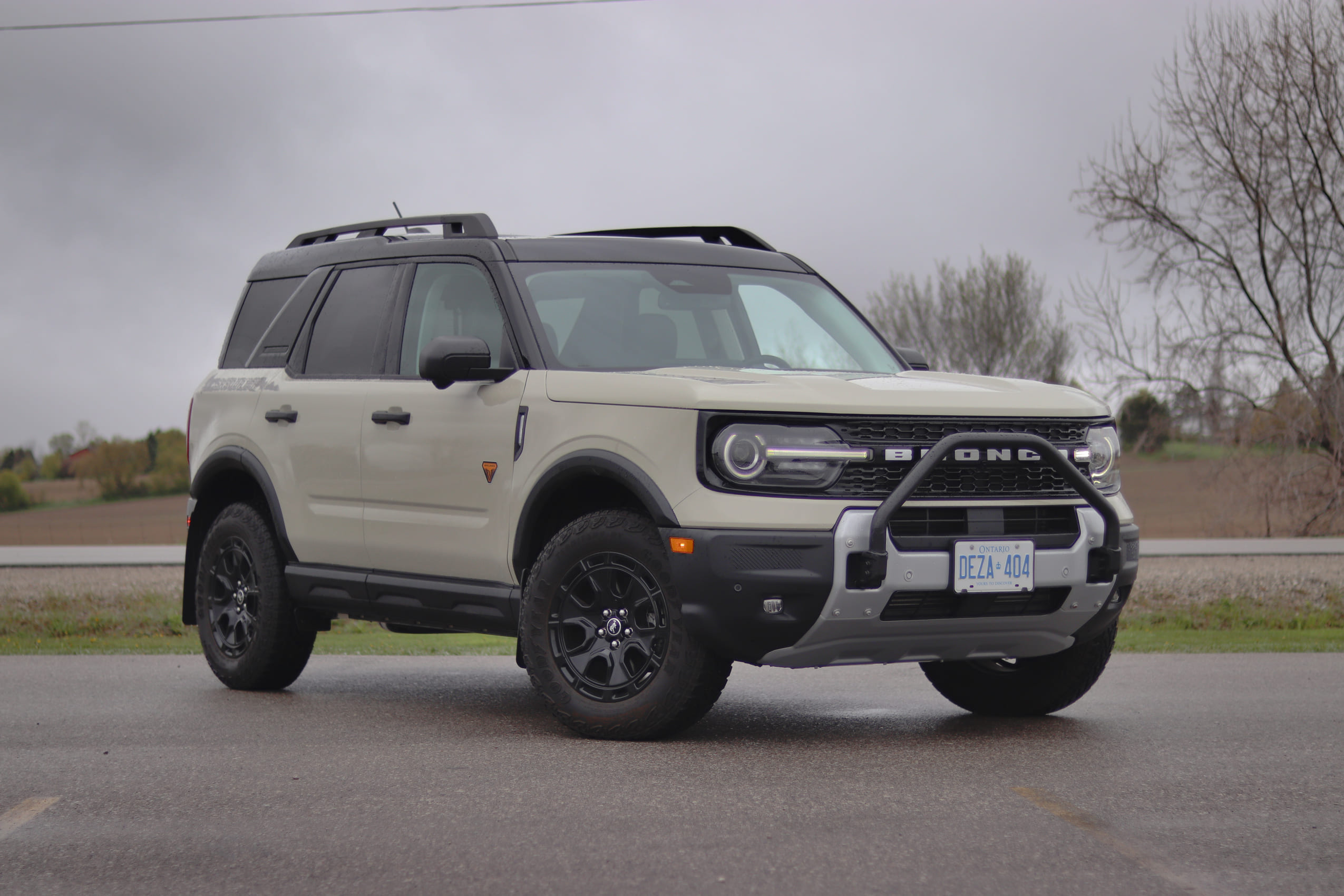
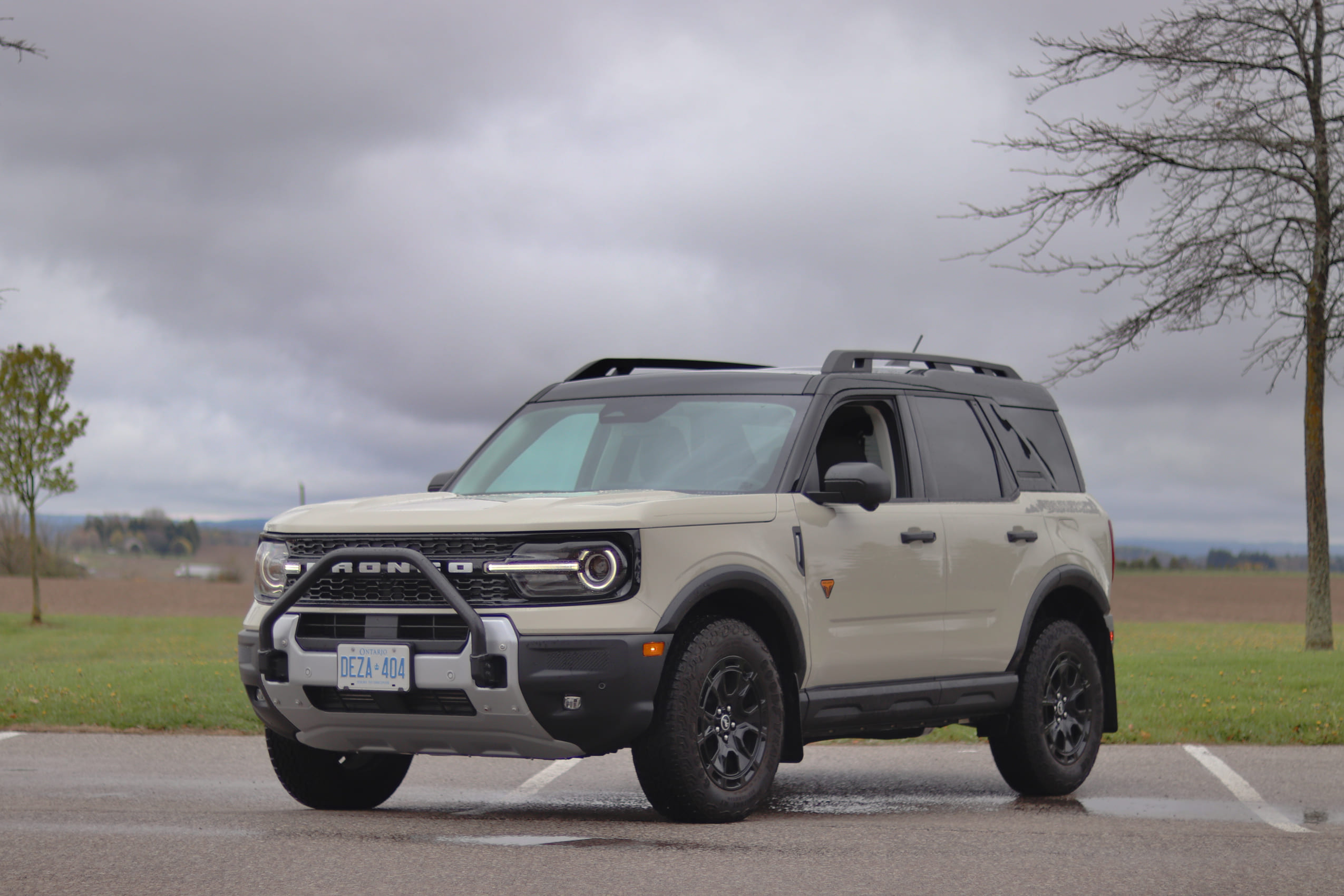
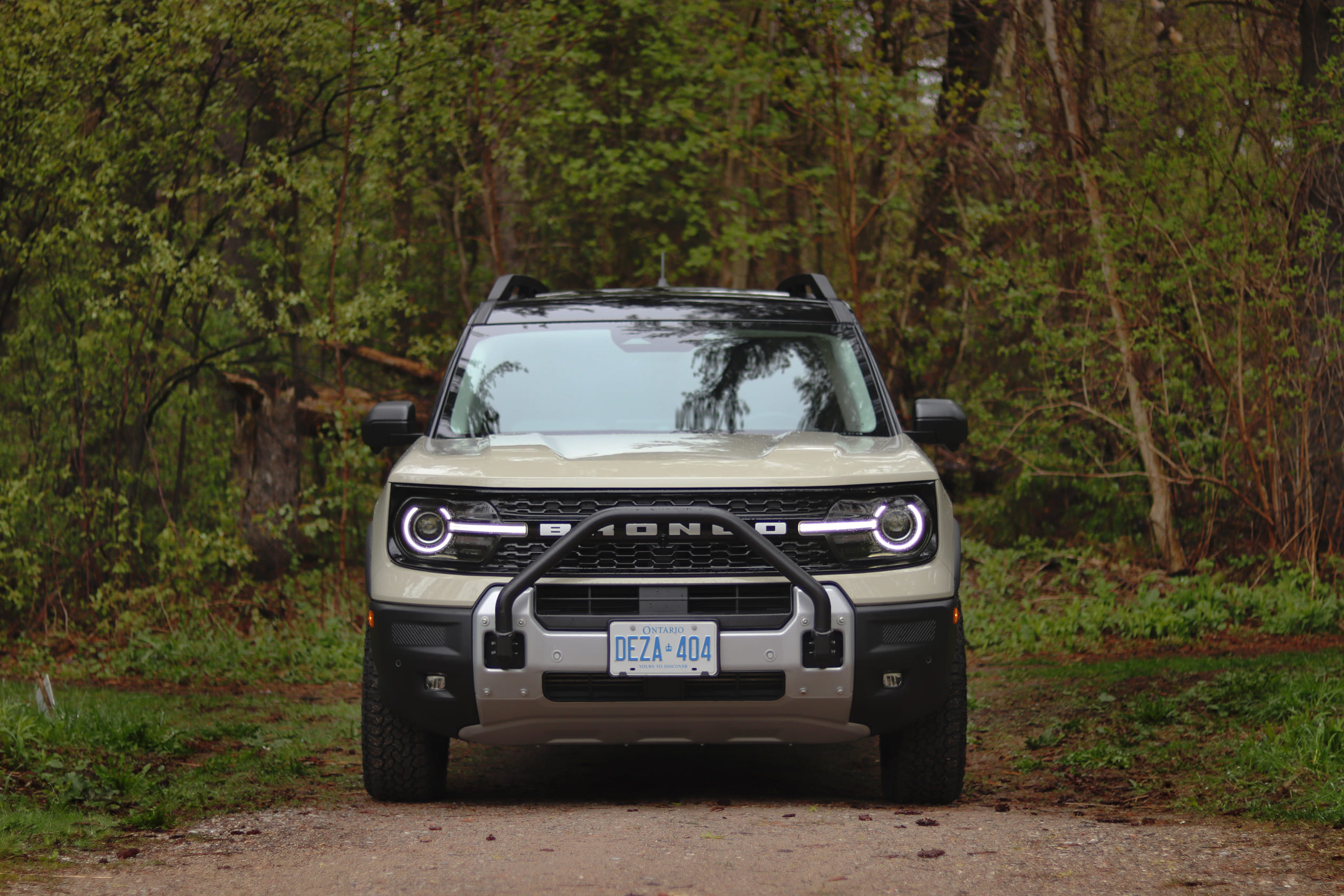
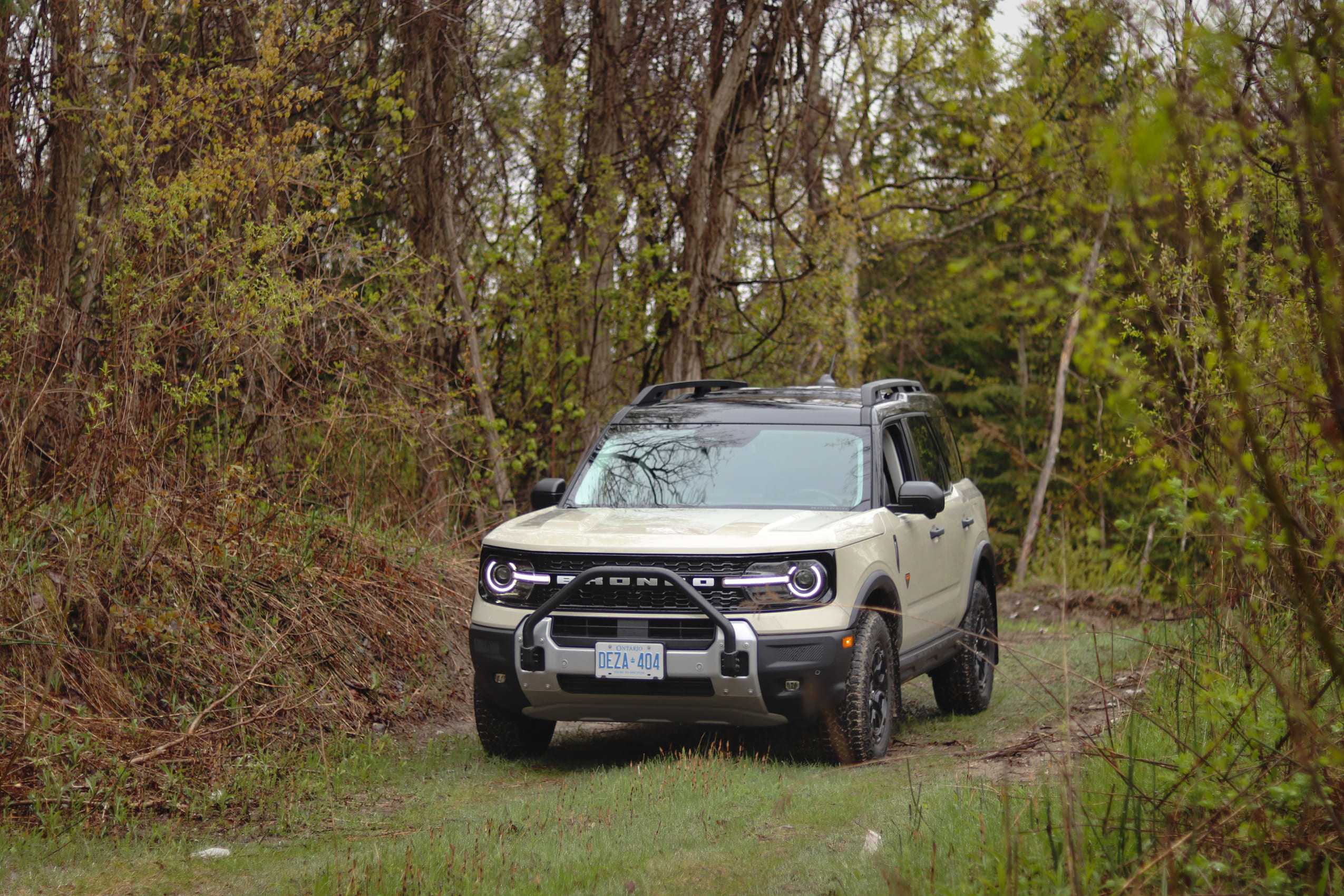
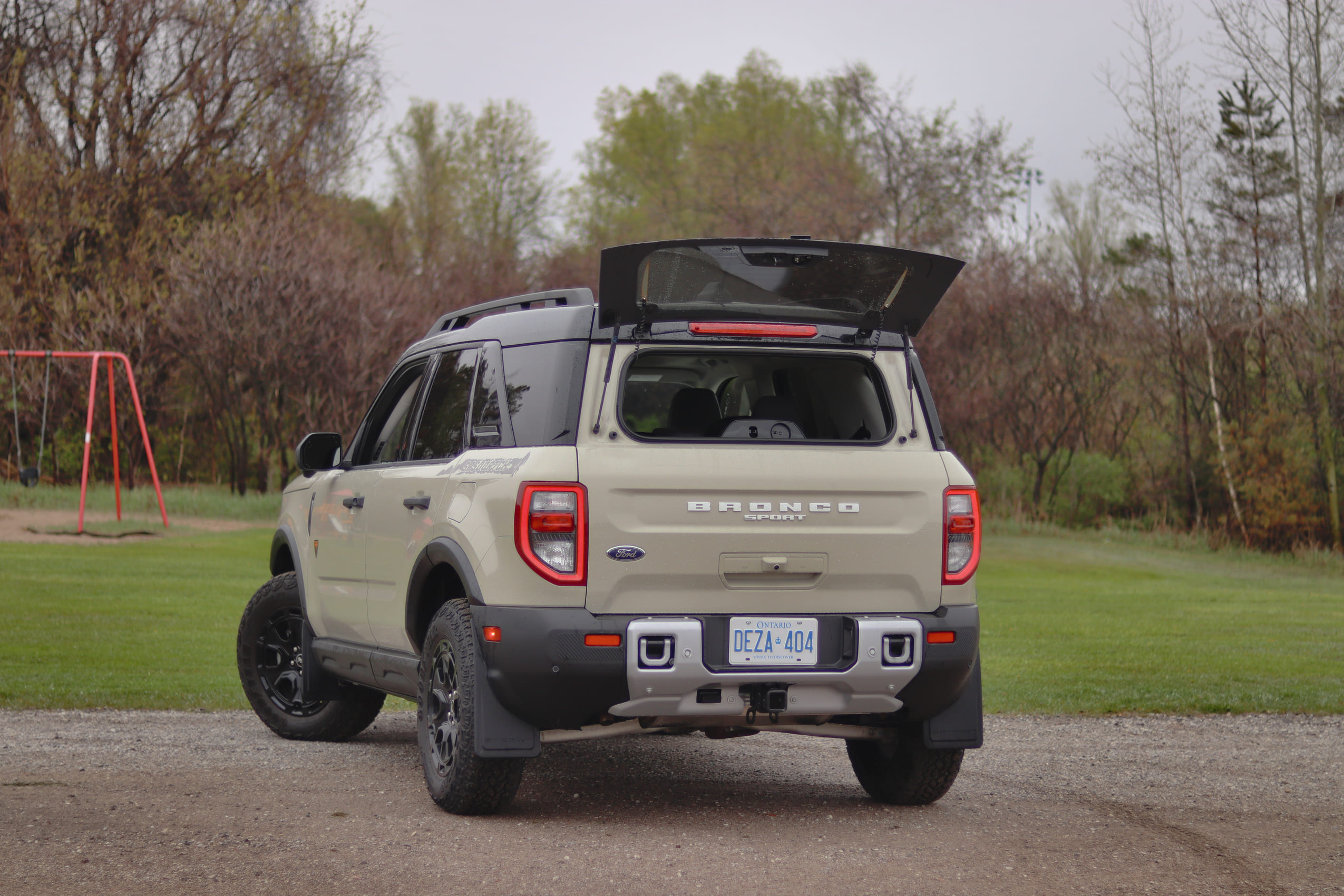
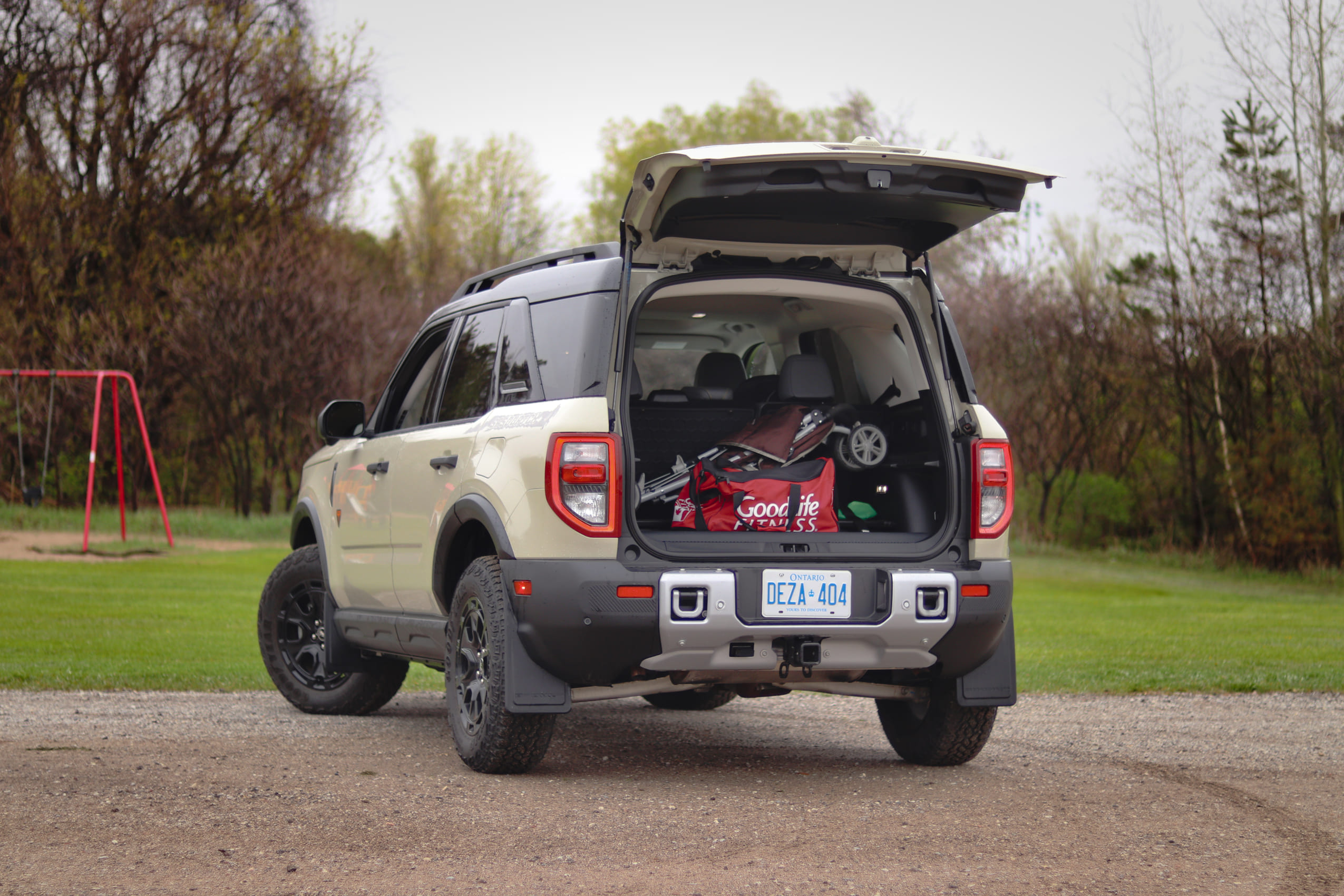
By taking the Badlands trim—which already featured a genuinely punchy 250-horsepower turbo-four and a trick twin-clutch rear diff—and bolting on massive all-terrain rubber, Bilstein dampers, and actual steel armor underneath, Ford did something deeply irrational. They built a unibody mall-crawler that can legitimately crawl up the side of a mountain. It’s a hilarious, over-engineered piece of packaging logic that has absolutely no right to be this good on the dirt, yet it still fits nicely into a standard metropolitan parking garage.
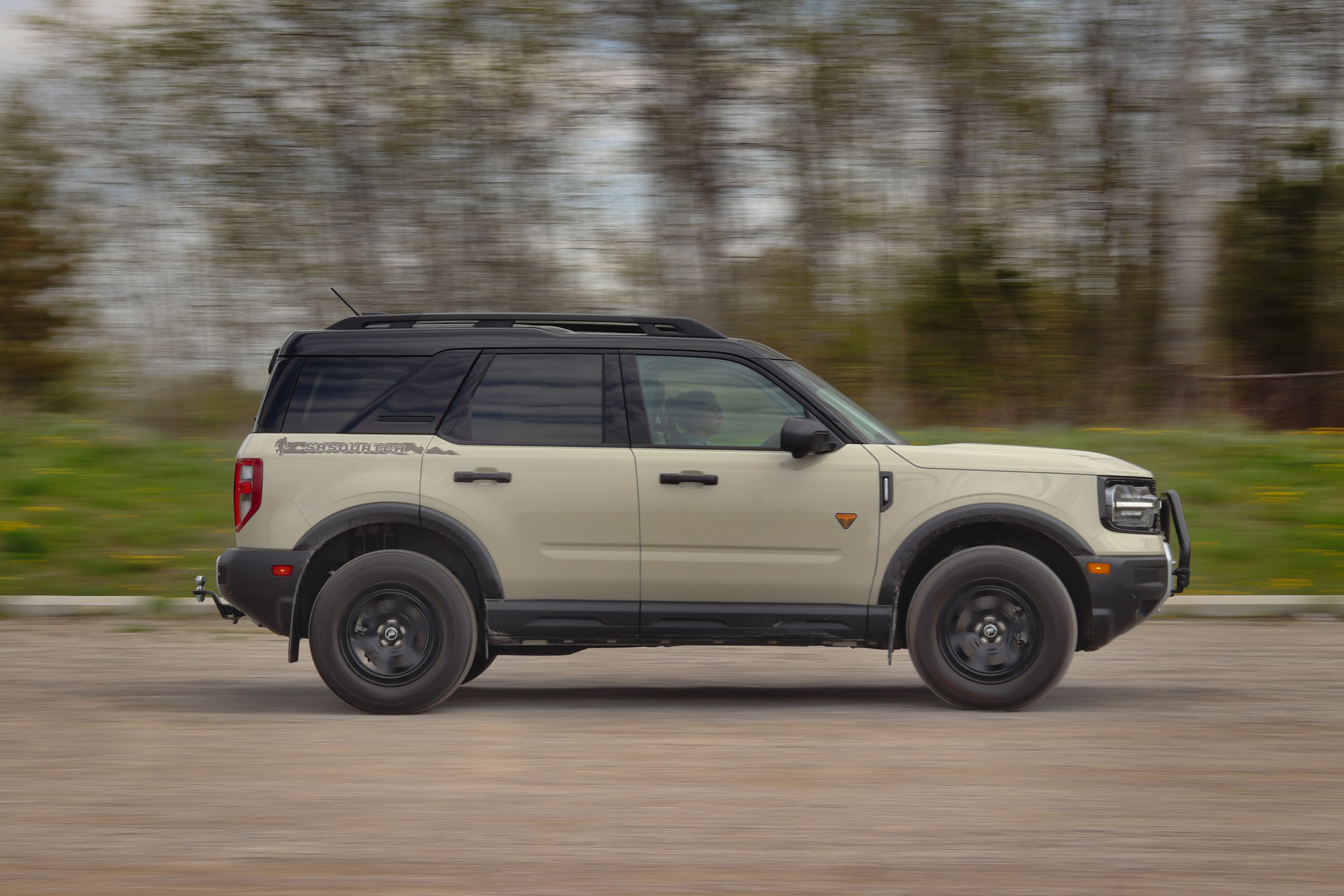
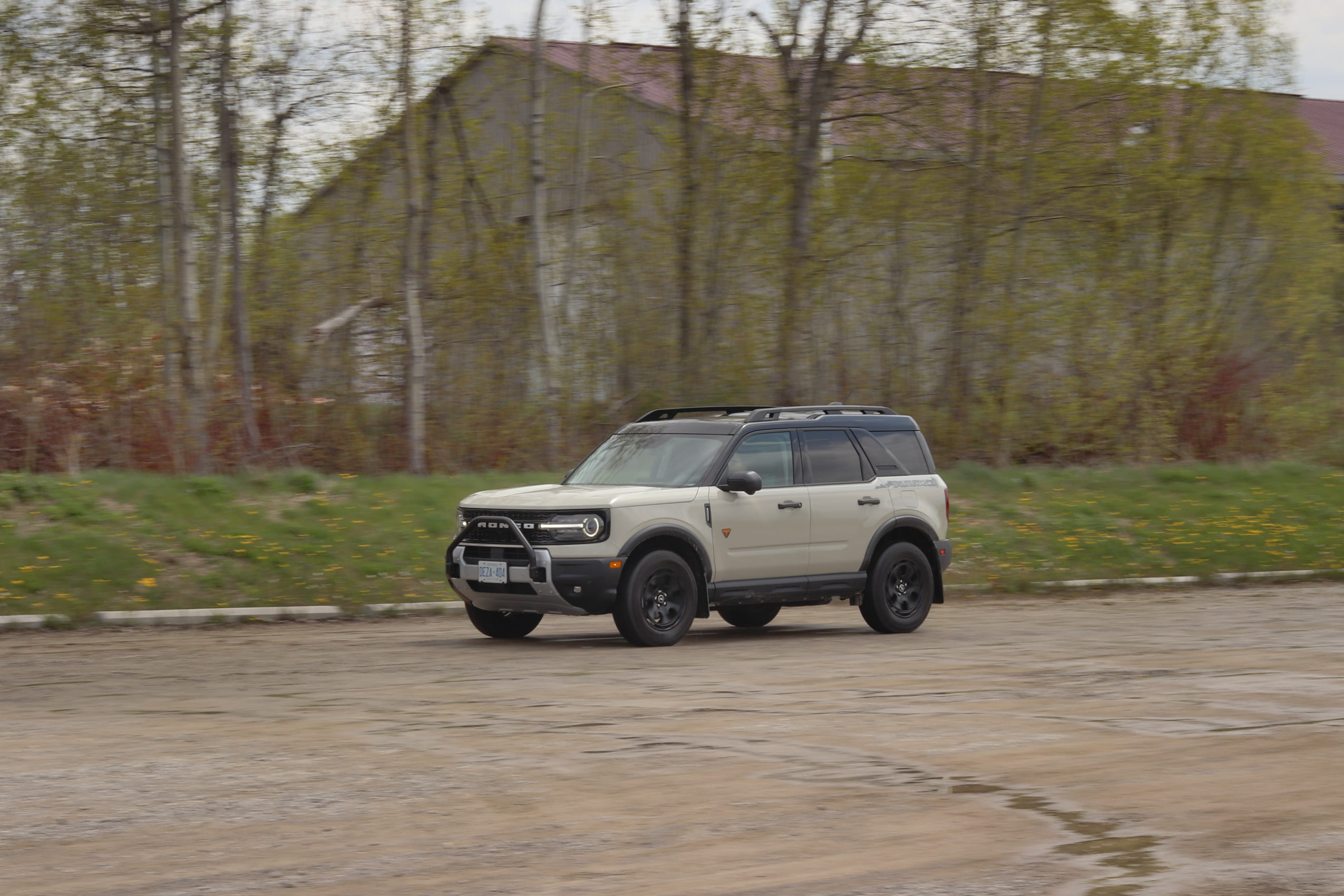
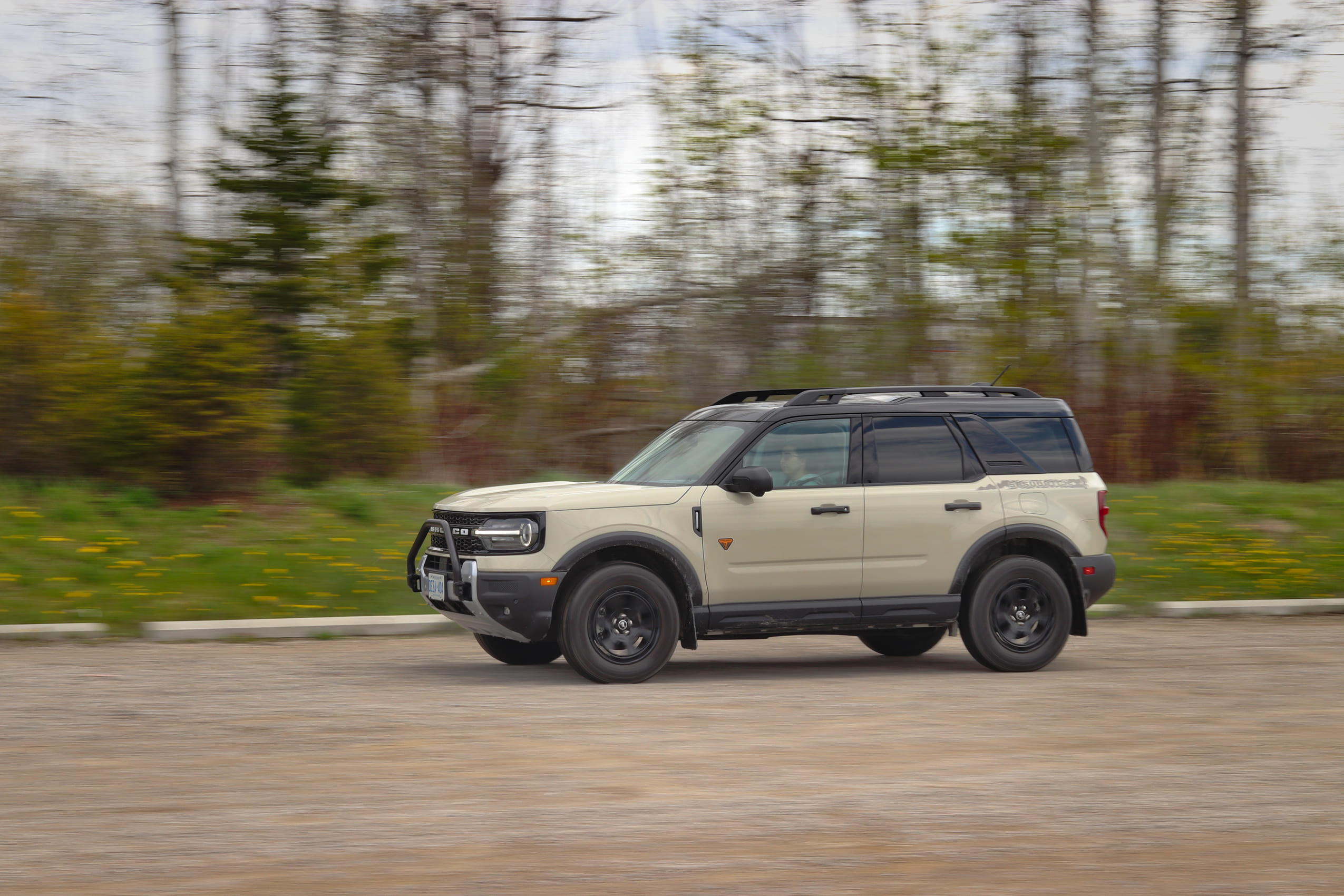
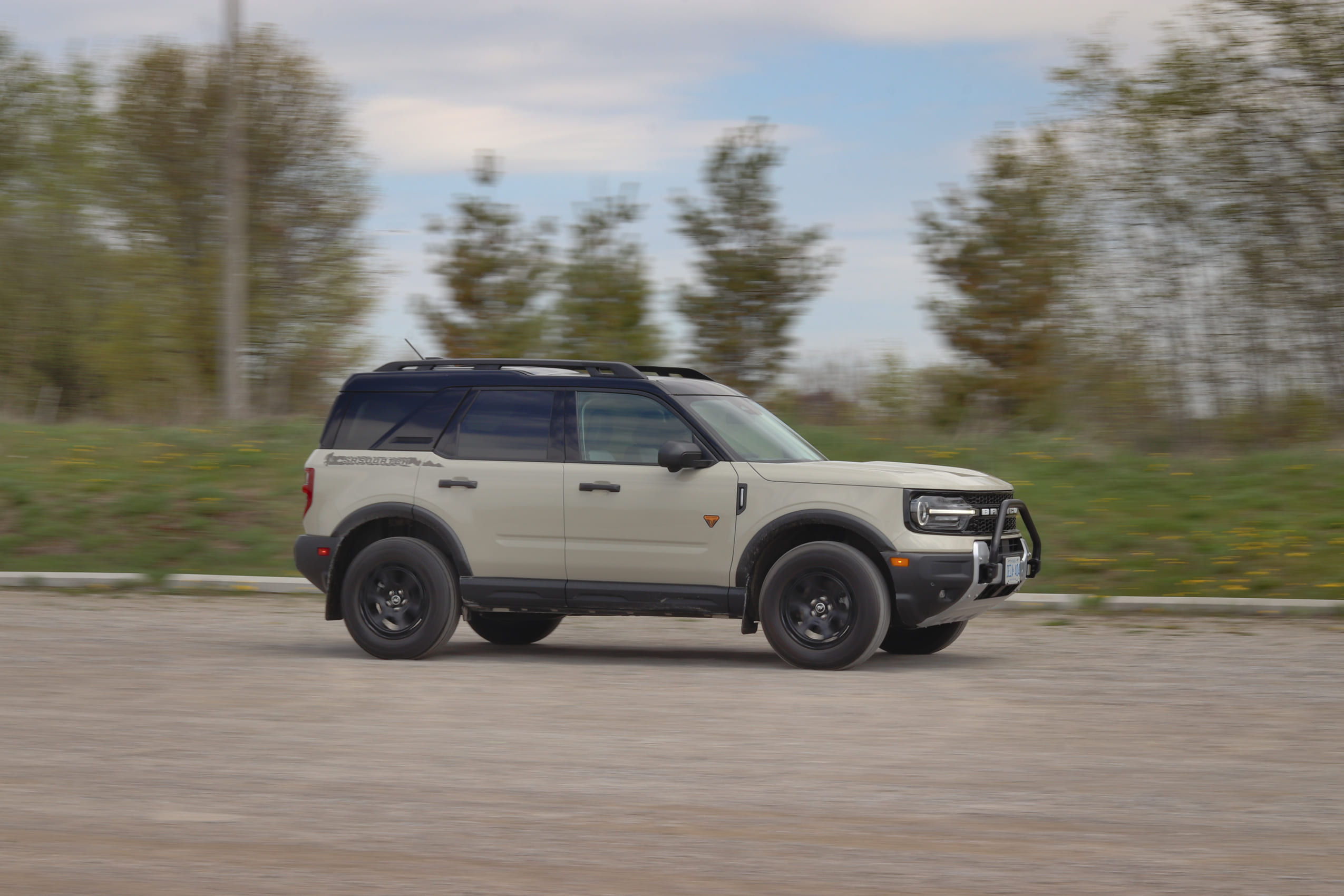
Walk around it, and the illusion that this is just a re-skinned Escape completely evaporates. Yes, underneath the skin live the exact same unibody bones, but you’d never know it by looking at the thing. Ford’s designers clearly didn’t just tweak a few character lines; they threw out the Escape’s jellybean blueprint entirely. Every single exterior body panel is distinct. Where the Escape curves and softens to cheat the wind, the Bronco Sport cuts and blocks. It is aggressively, unapologetically upright, trading aerodynamic efficiency for a towering safari-style roofline and a silhouette that looks like it was sketched using nothing but a T-square.
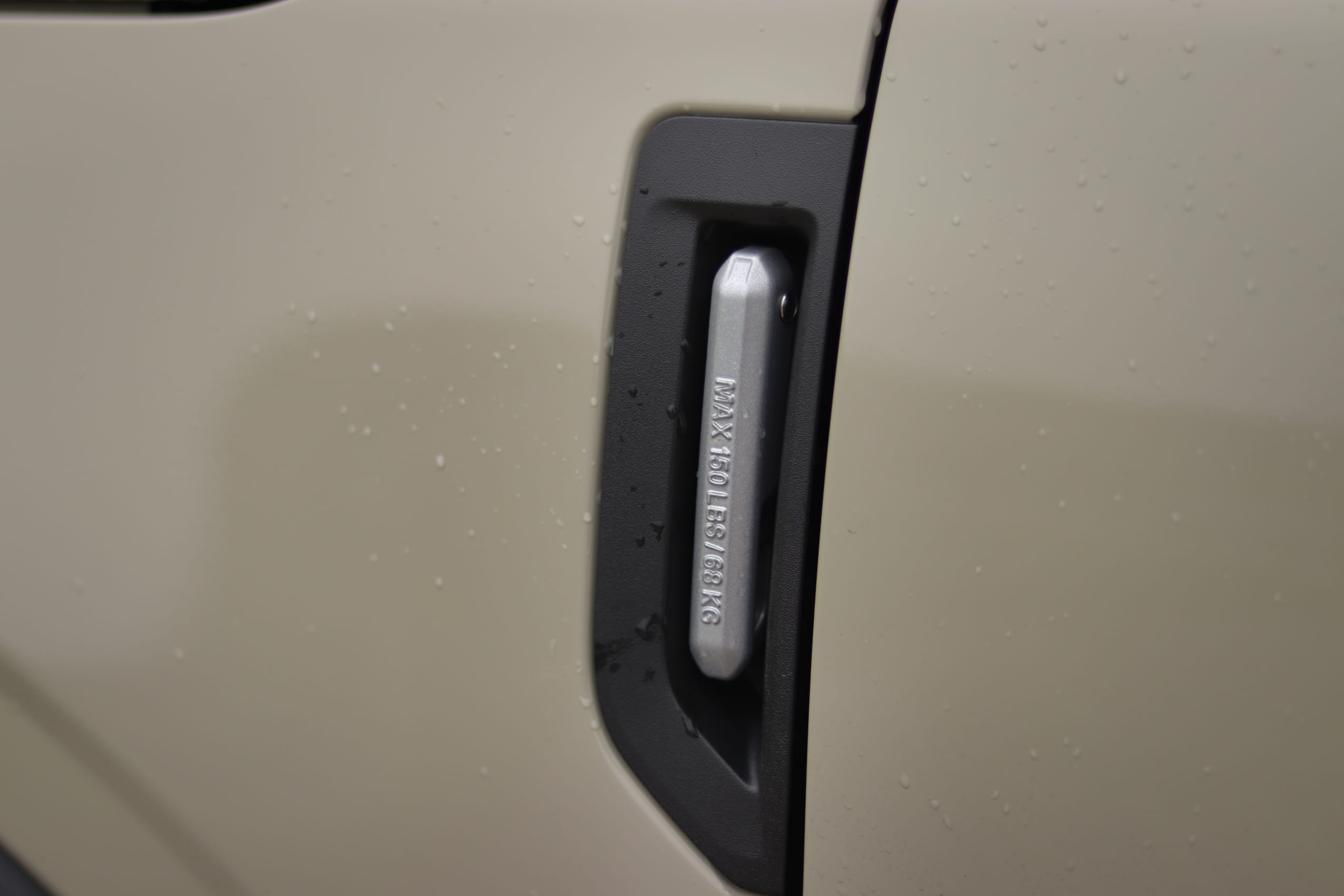
But the Badlands Sasquatch takes that inherent boxiness and turns it into pure mechanical theater. It sits noticeably wider and higher, perched on a set of aggressively treaded 29-inch Goodyear Territory all-terrains that push the wheels out to the absolute edges of the arches. The front fascia is a masterclass in rugged utility, ditching the standard plastic bumper for a modular, high-clearance setup complete with steel bash plates, exposed tow hooks, and built-in tie-down points on the front fenders that can double as trail sights. It’s got an intimidating, broad-shouldered stance that makes the sleek, road-going Escape look like an entirely different species. If the Escape is a running shoe, the Sasquatch is a heavy-duty, steel-toed combat boot—and it wears that chunkiness with absolute pride.
Climb inside, and you’re greeted by an interior that understands exactly what it’s built to do. Ford didn’t try to fake a luxury cabin here; instead, they leaned into a sort of haptic, rubberized utilitarianism that feels genuinely honest. The Badlands spec throws in washable flooring and seats wrapped in materials designed to be wiped down after a muddy day on the trails, which is exactly how it should be.
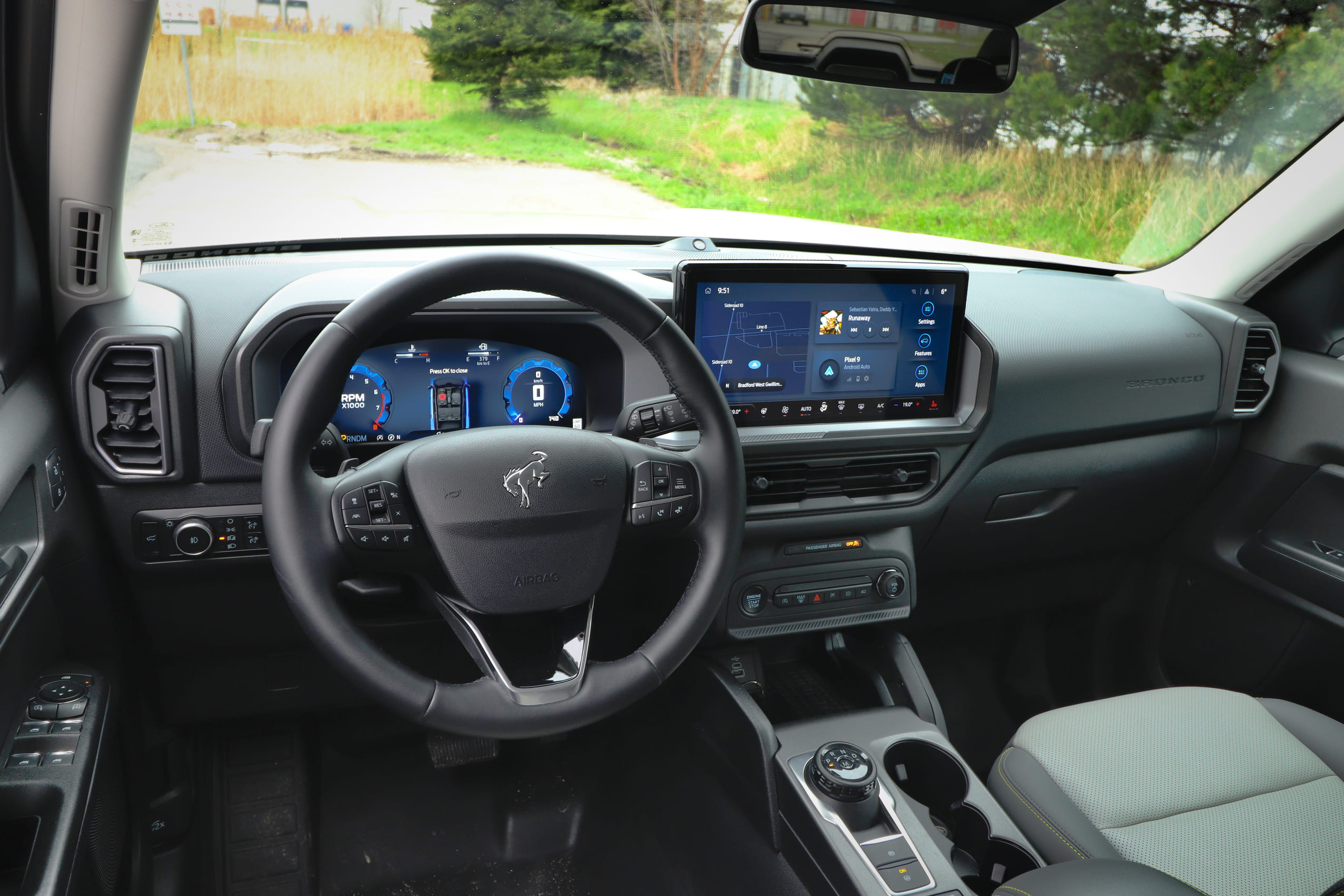
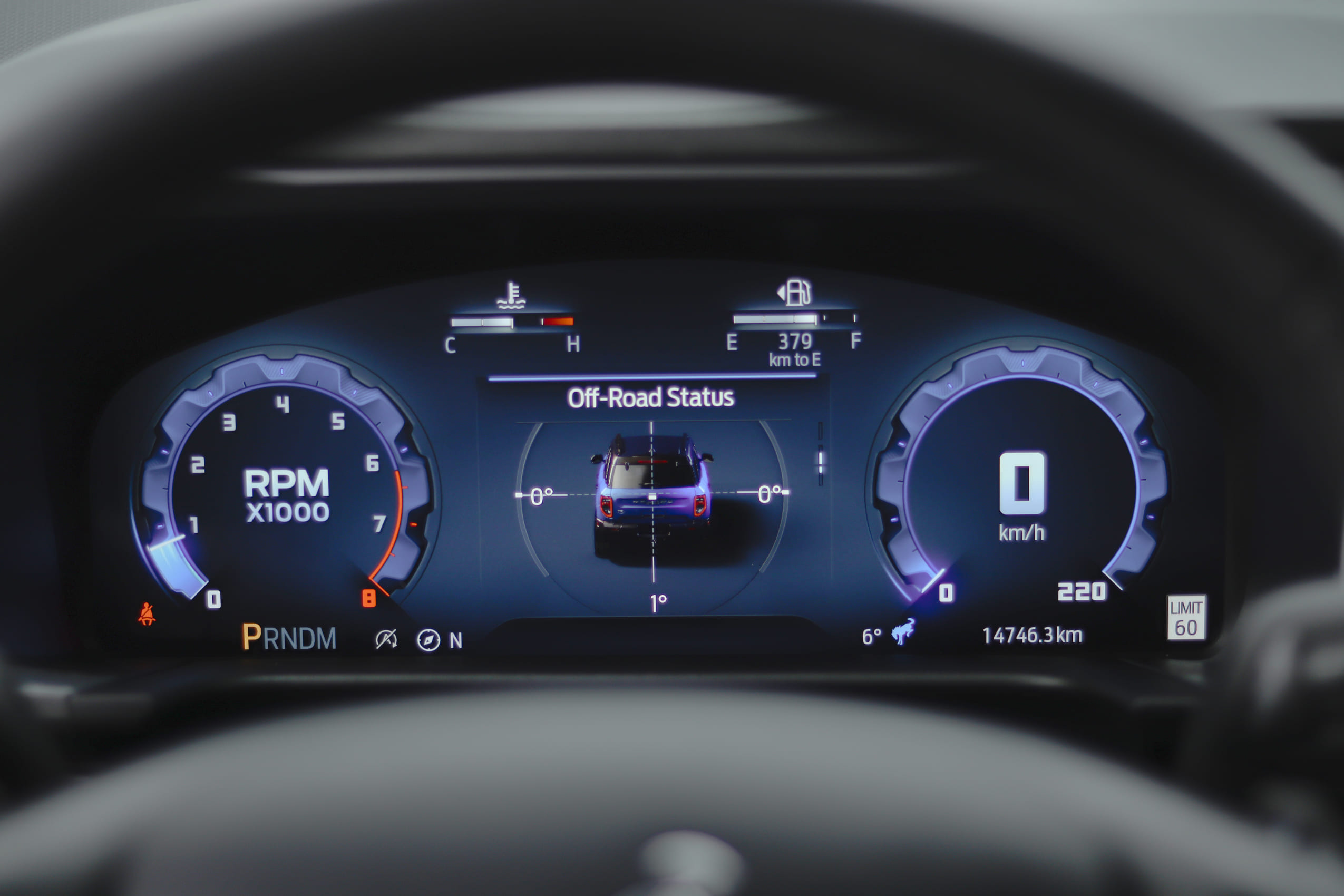
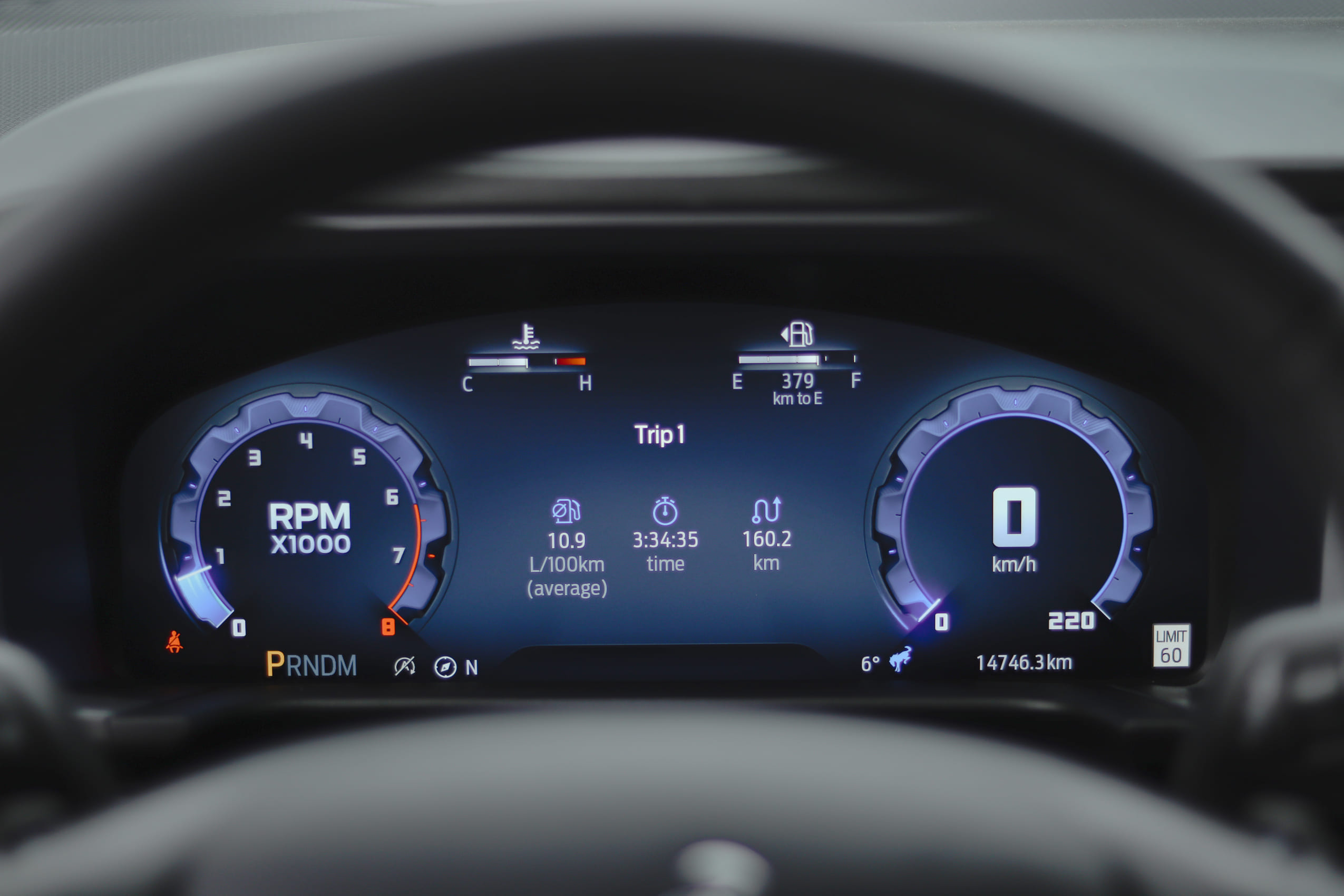
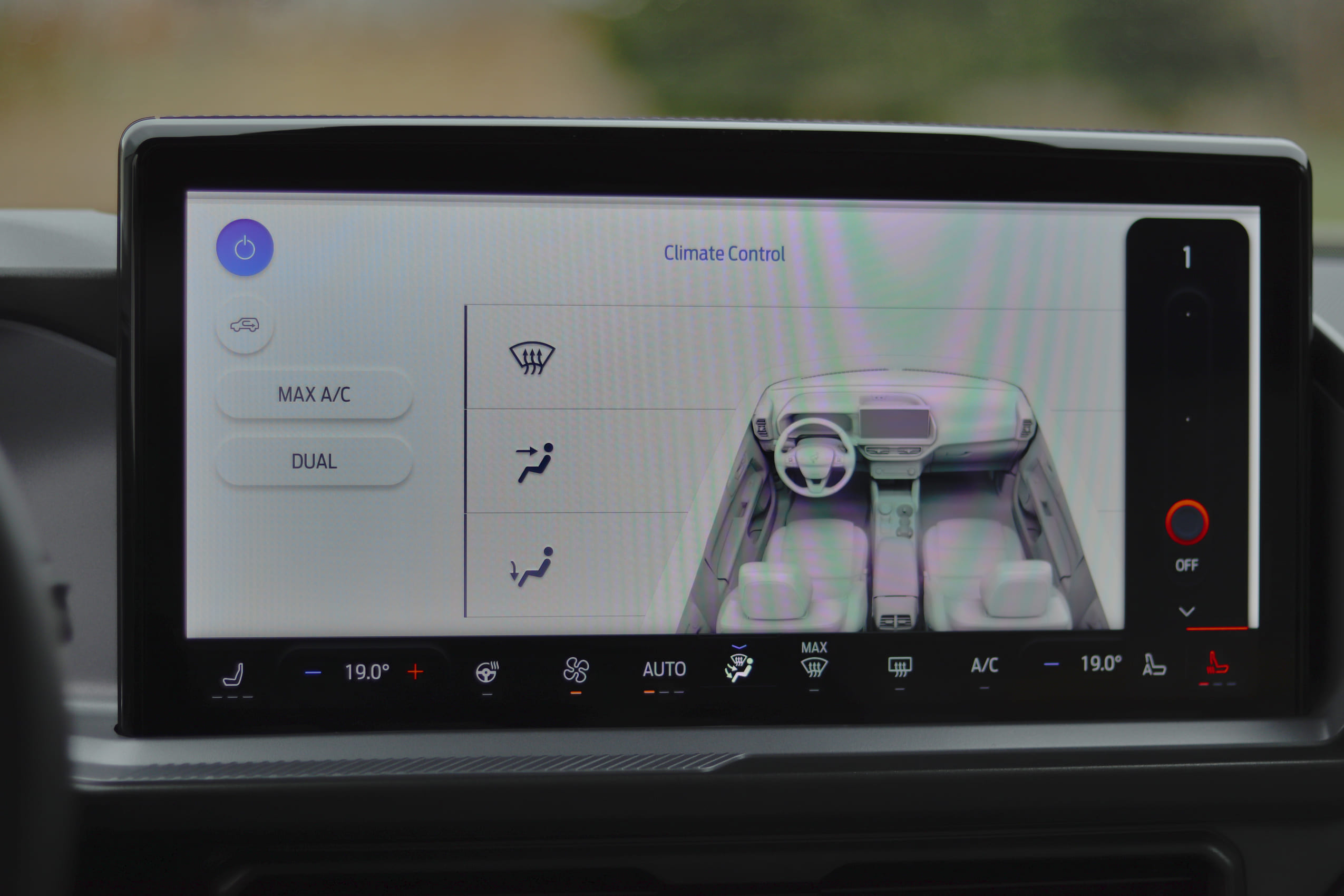
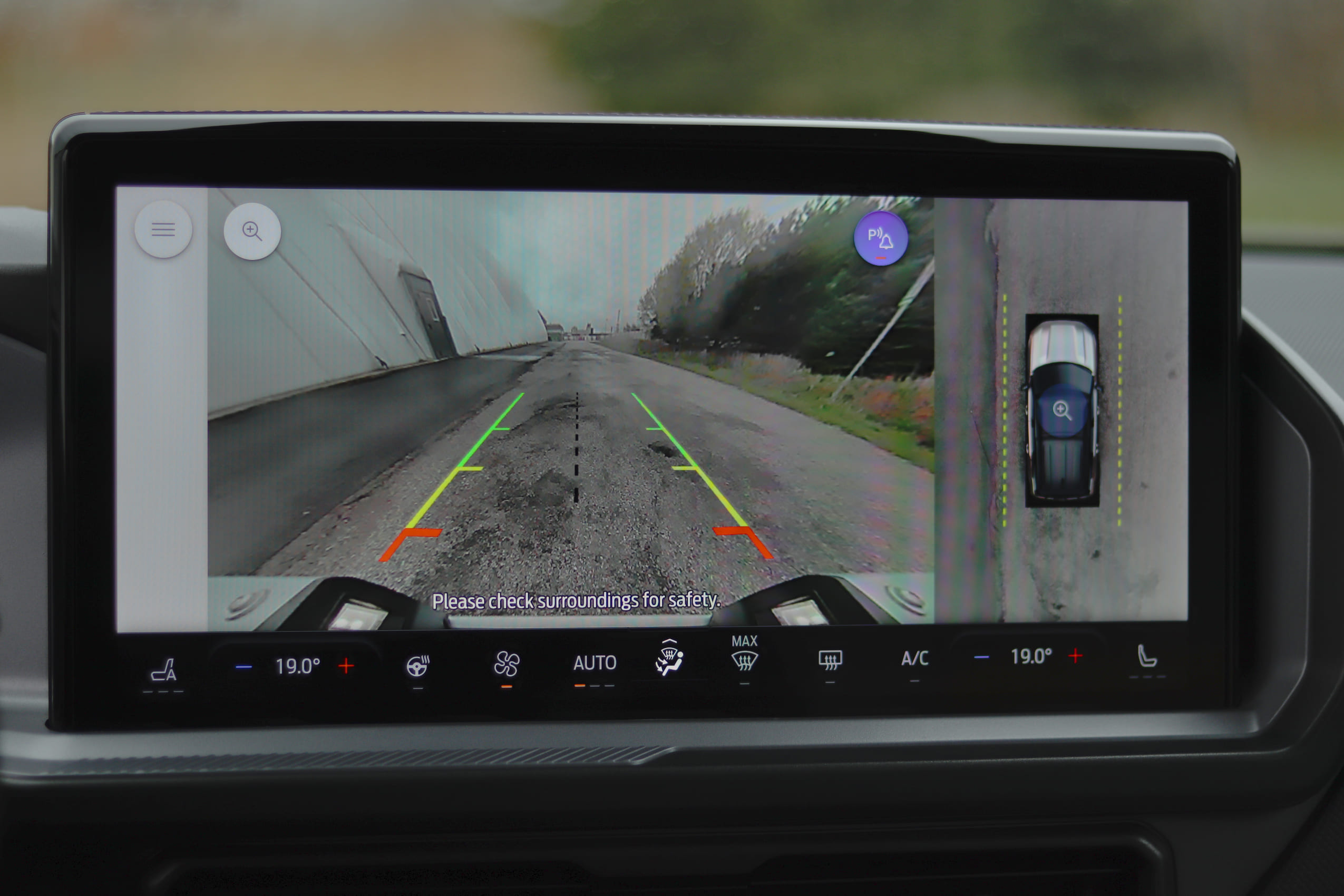
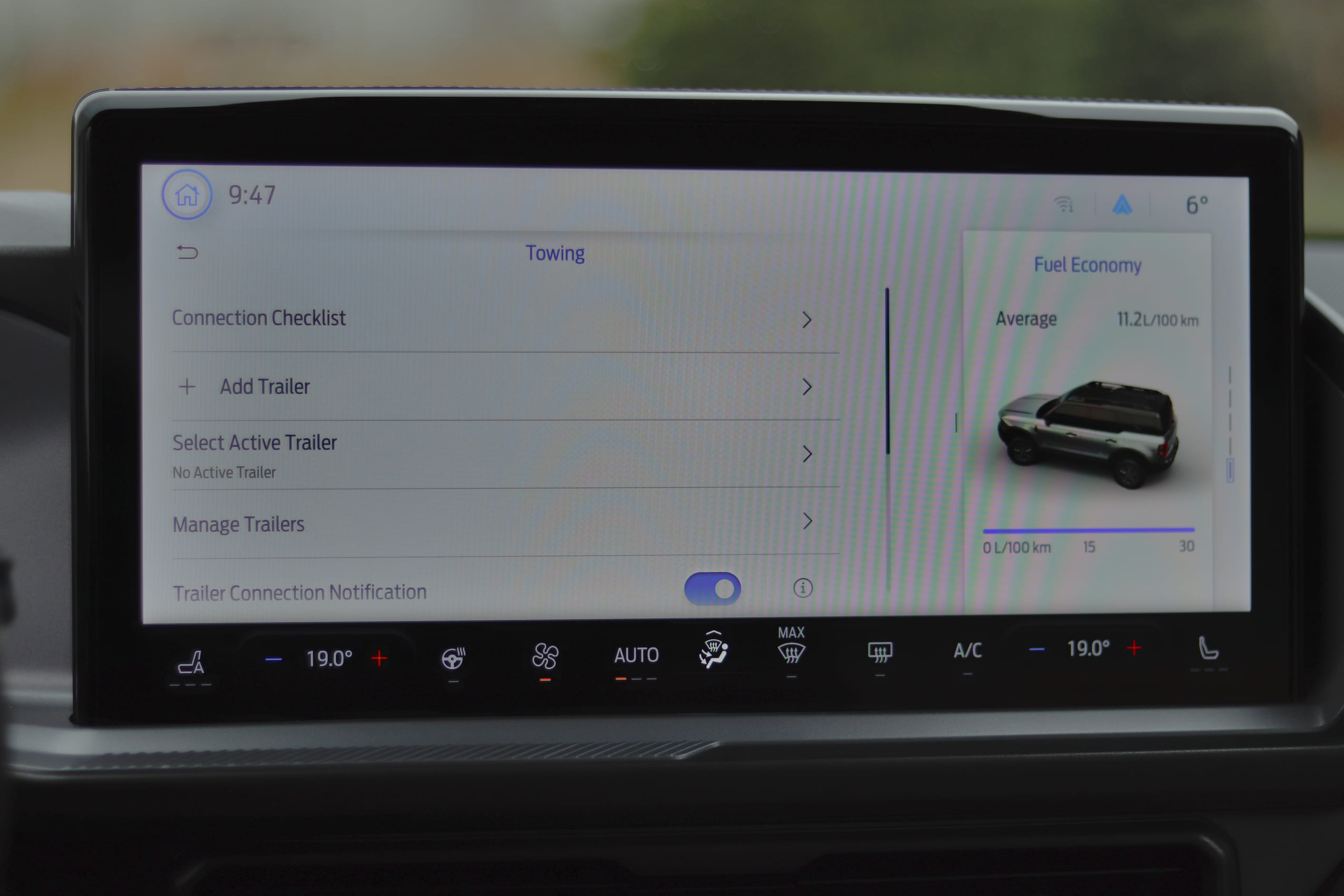
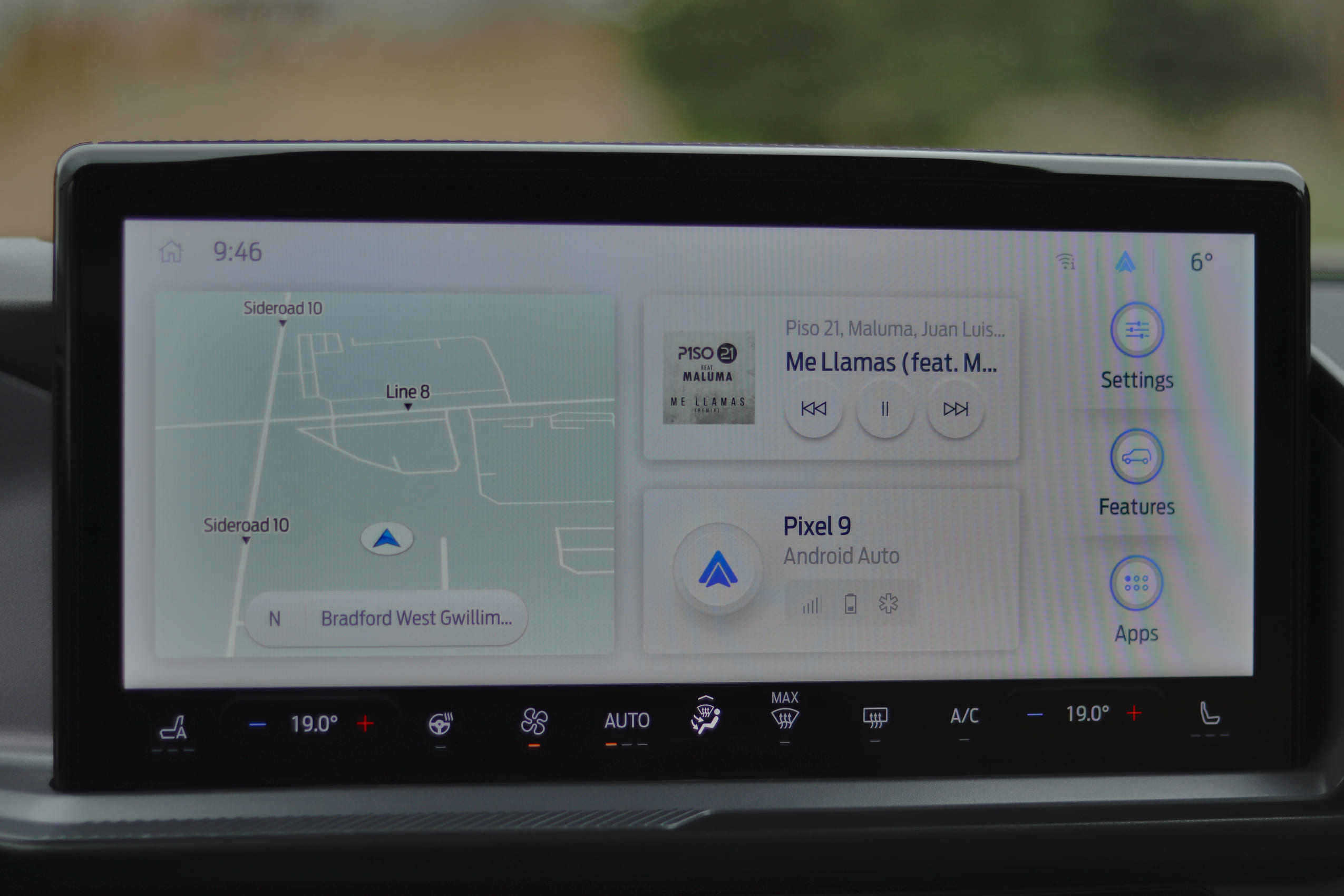
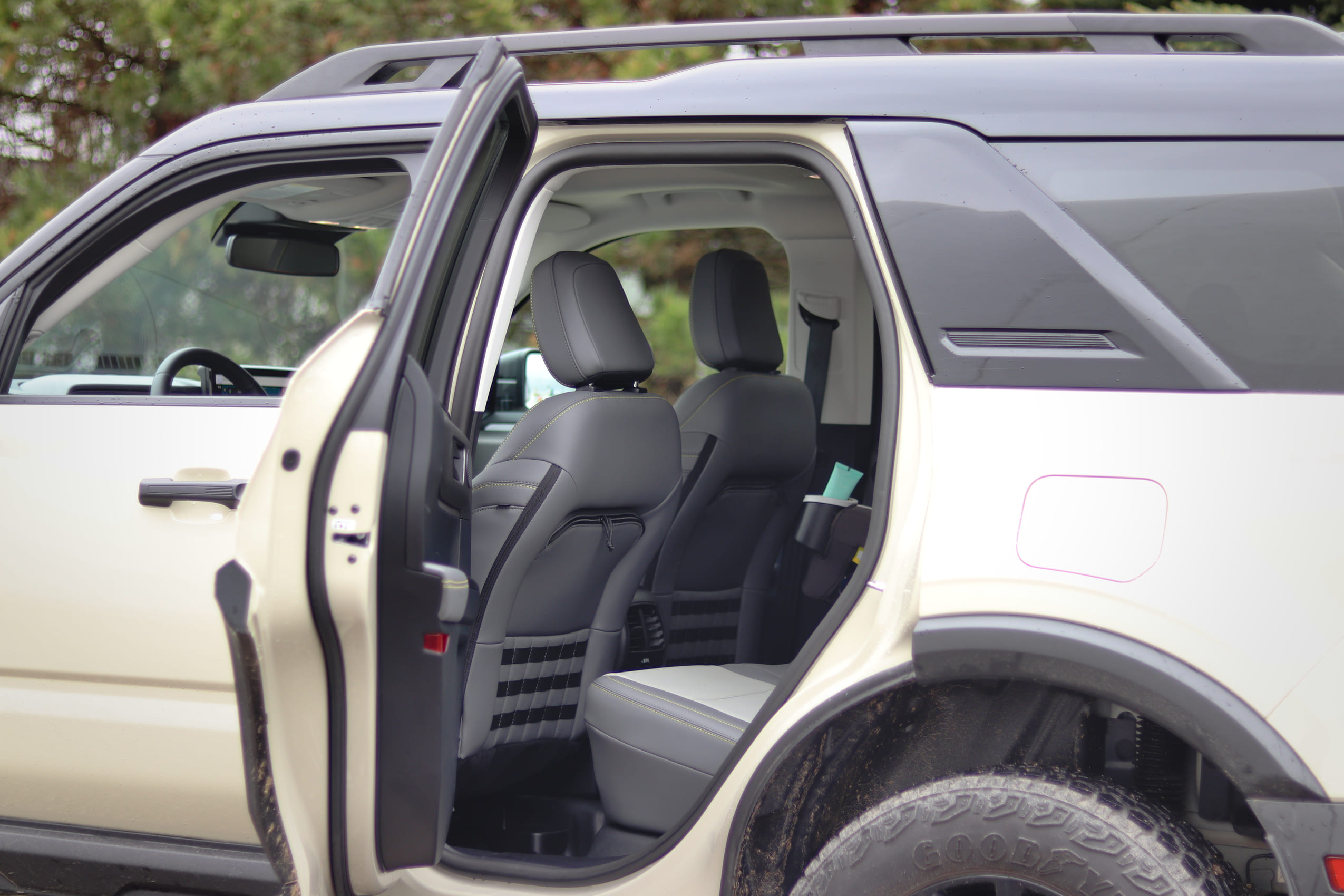
But the big news for 2026 sits dead center on the dash: a massive, updated 13.2-inch touchscreen running SYNC 4A. It completely dominates the space and elevates the tech from “acceptable rental car” to genuinely modern, boasting crisp graphics and quick response times. The catch? Ford banished most of the physical climate controls into the lower bezel of that glass rectangle. It’s a frustrating trend, but at least the display is fast enough that you aren’t screaming at it while trying to defrost the windshield.
Where the boxy exterior shape pays massive dividends is in practicality and headroom. Because the roofline skips the trendy, sweeping coupe aesthetic, you can wear a 10-gallon hat in the front seat and still have clearance. The cargo area is equally brilliant, boasting a square, usable space that maximizes vertical packing. They’ve even kept one of my favorite old-school SUV party tricks: a flip-up tailgate window. It means you can quickly toss a backpack or a bag of groceries into the rear without opening the entire liftgate—a feature that is tragically unique in today’s market.
There is, however, a packaging penalty for all this heavy-duty mechanical hardware. Because Ford had to carve out space for that trick 4×4 system, the rear legroom took a massive hit. If you are sitting behind a six-foot driver, your knees will be intimately acquainted with the front seatbacks. It is a strict short-trip zone for adults, but honestly? It’s a compromise we’re happy to make. Ford built an actual adventure tool here, not a limousine, and the interior priorities reflect that perfectly.
Let’s talk about the greasy bits, because this is where the automotive industry usually lies to you.
When you buy a standard compact crossover, you get a depressing, buzzy little engine that exists solely to achieve an EPA rating. And if you buy a base Bronco Sport, that’s exactly what happens—you get a 1.5-liter three-cylinder that is perfectly fine for rental fleets, but utterly devoid of soul. It’s an appliance.
If you are signing the papers on one of these, you ignore that engine completely. You buy the Badlands. Why? Because the Badlands swaps that lawnmower engine for a robust, 2.0-liter EcoBoost turbocharged inline-four. It pumps out 250 horsepower and 277 lb-ft of torque. In a package this small, that torque figure is the magic number. It hits low in the rev range, giving this little box a punchy, effortless midrange that makes it genuinely fun to squeeze.
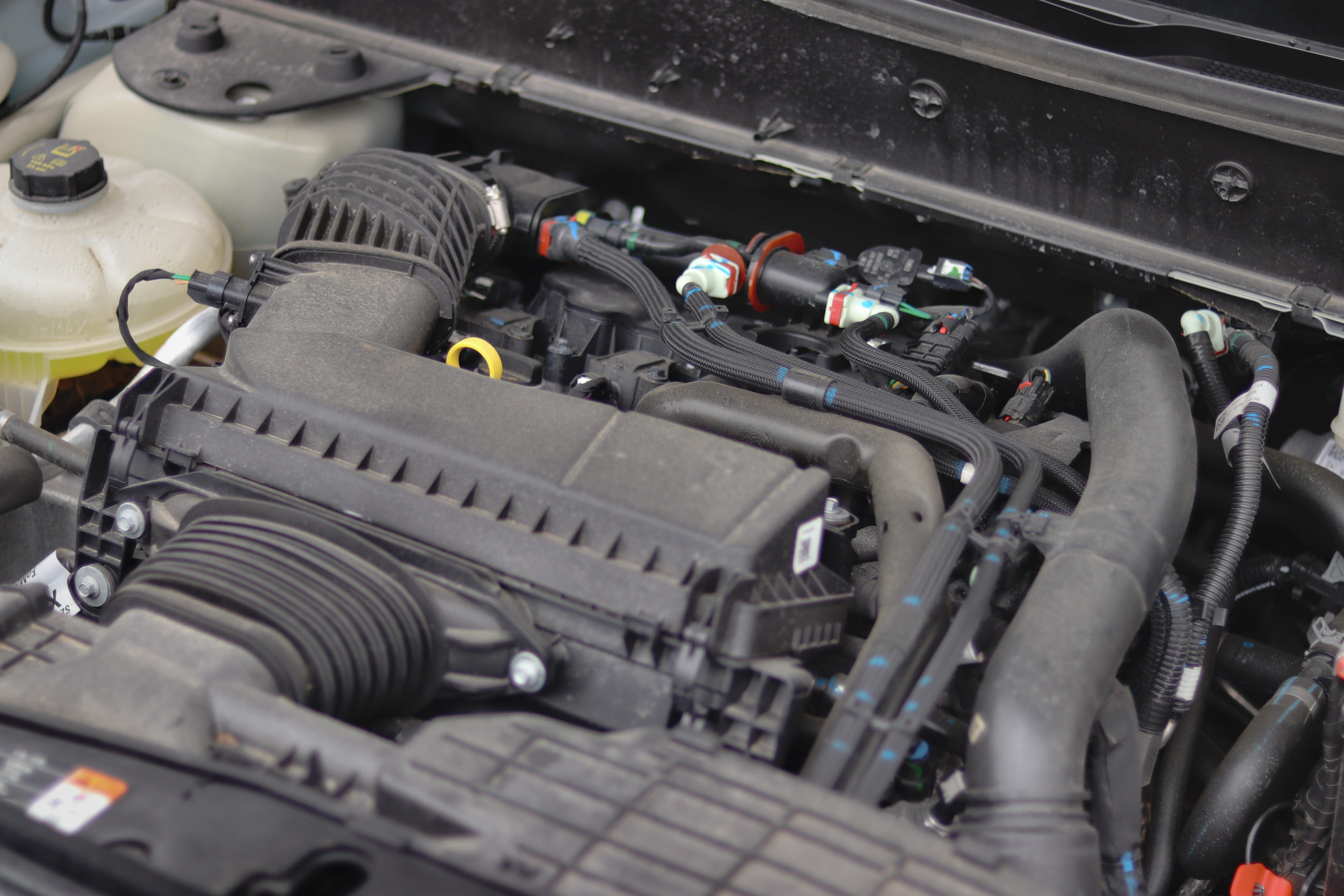
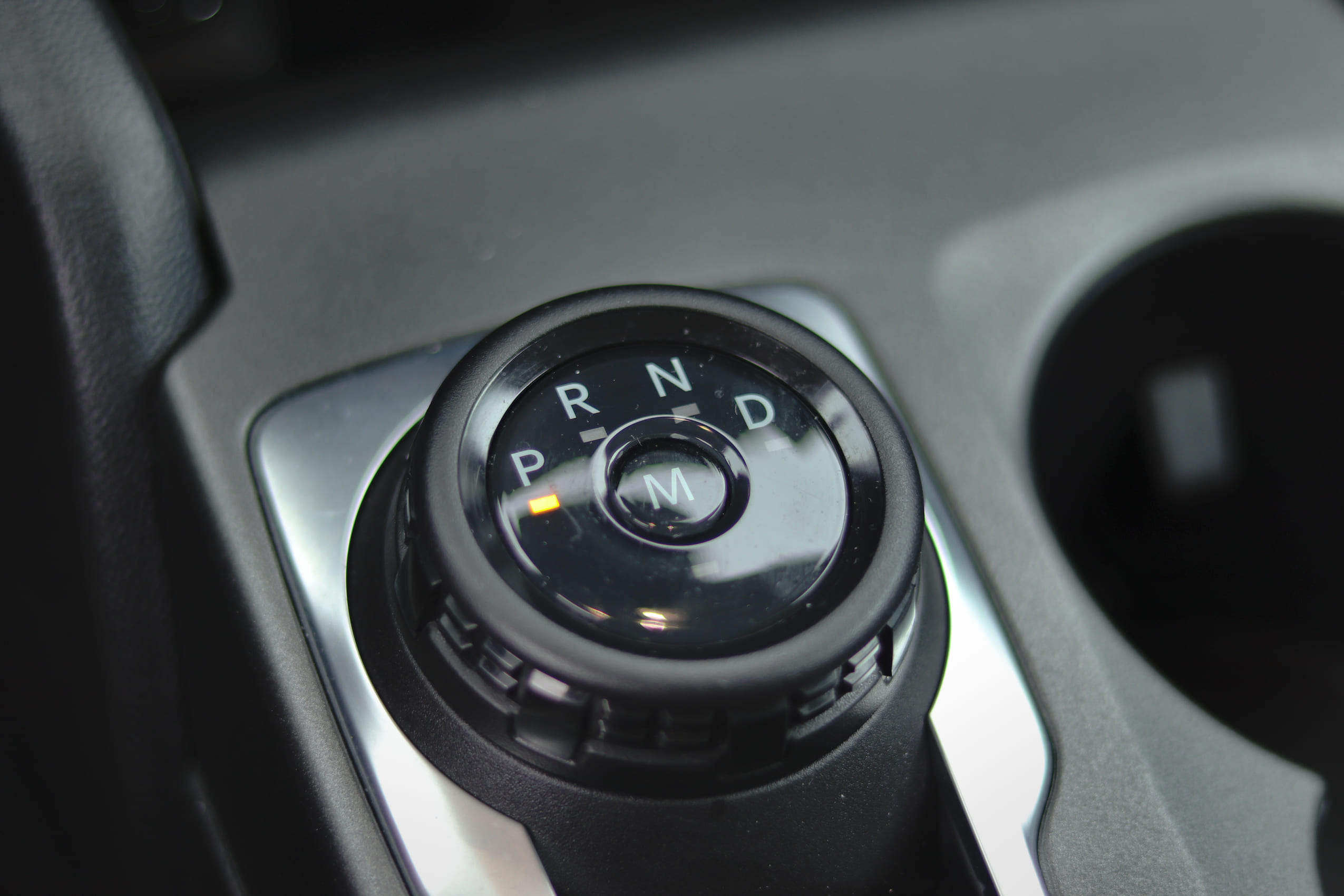
Even better, Ford paired it with a real eight-speed automatic transmission. No rubber-band, soul-sucking CVT here—it’s a proper torque-converter unit. And because Ford knew people would actually abuse the Badlands, they slapped on an upgraded auxiliary fluid cooler so the transmission doesn’t melt itself when you’re dragging it through sand dunes at five miles an hour.
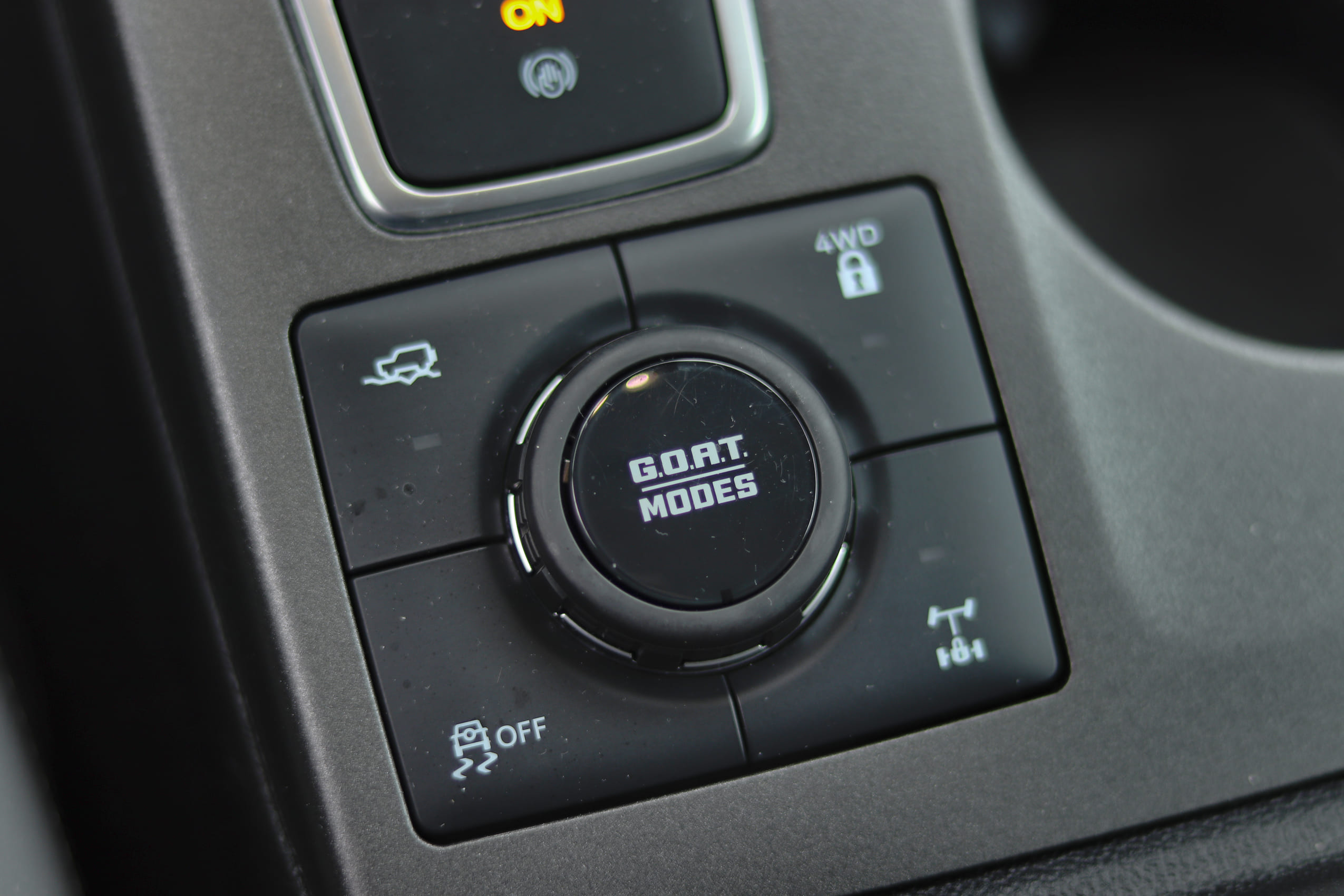
But the real engineering masterclass is the all-wheel-drive system. Lower-tier models get a standard slip-and-grip setup that panics the moment a wheel leaves the pavement. The Badlands, however, gets an advanced 4×4 system with a twin-clutch rear drive unit. This is pure, torque-vectoring sorcery. Instead of lazily pinching the brakes to stop a spinning wheel, the rear diff can mechanically lock up and throw 100 percent of the rear axle’s torque to a single tire. It simulates an old-school locking differential without the heavy, ride-ruining solid-axle hardware. It works beautifully with the G.O.A.T. modes, giving you actual, repeatable traction in Rock Crawl and Rally settings.
And then, because the engineers clearly hijacked the product planning meeting, we get the Sasquatch package.
Checking this box doesn’t give you more power, but it completely re-engineers how that power hits the dirt. Out go the standard struts, replaced by a high-performance off-road stability suspension. The crown jewels here are position-sensitive Bilstein rear shocks with external piggyback reservoirs. They are designed to absorb violent, rapid hits and dissipate heat so you can bomb down washboard trails without the damping fading into a mushy mess.
To give it actual clawing power, they stuffed massive 29-inch Goodyear Territory all-terrain tires into the wheel wells. Now, normally, bolting on heavier, taller tires ruins your acceleration. But Ford actually cared—so they changed the final drive ratio, shortening the gearing to keep the trucklet snappy off the line. Wrap the whole thing in real steel underbody armor and a heavy-duty front brush guard, and you have a unibody platform that completely defies conventional packaging logic.
But here is the real kicker, and the thing that makes this little box weirdly unique in a segment full of soft-roaders that panic if you hook up a bicycle rack: it can actually tow stuff.
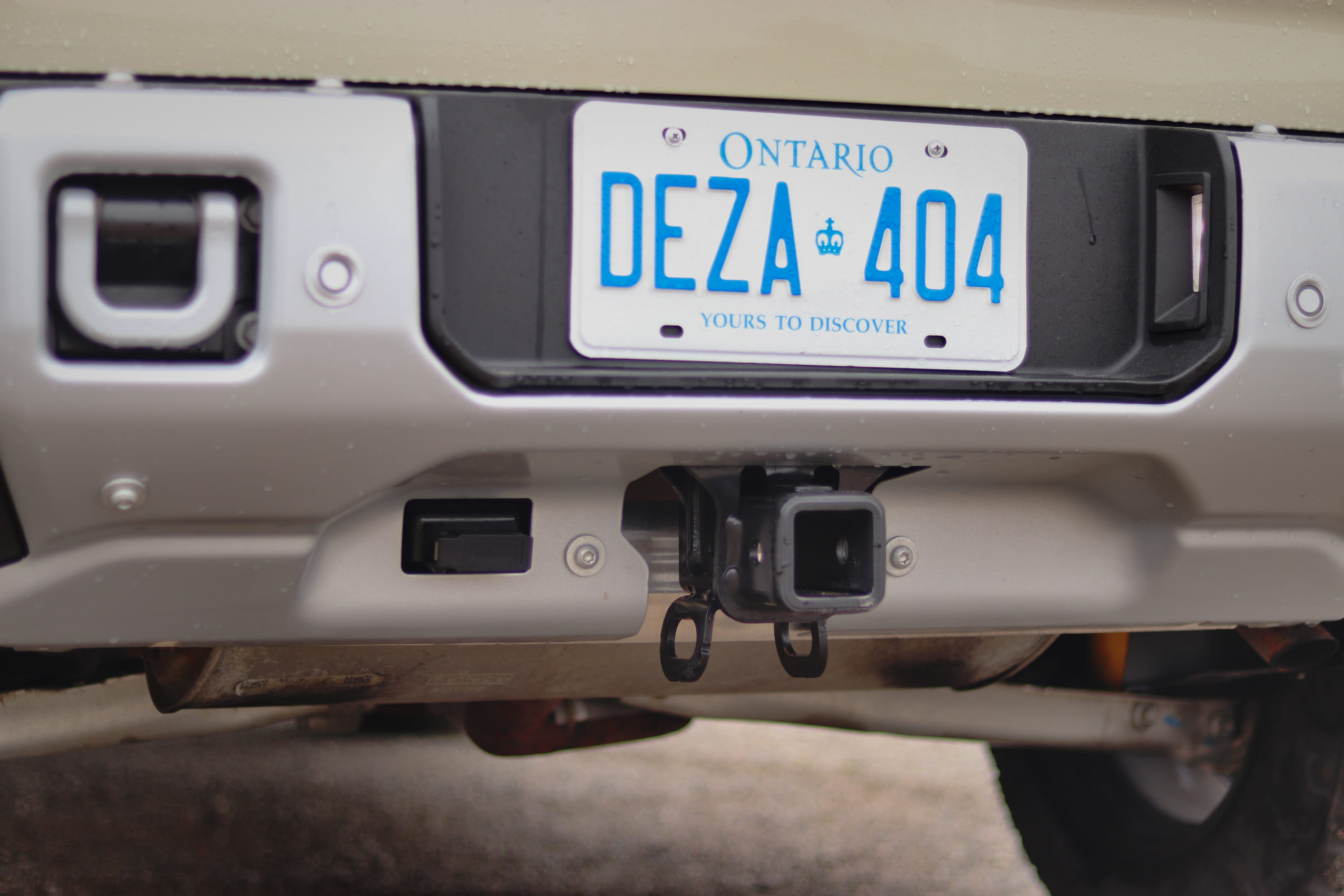
Usually, in this class, if you want to haul anything, you have to go aftermarket, butcher your rear bumper, and hack into the wiring loom. Not here. On the Badlands, Ford throws in a proper Class II trailer hitch receiver with a 2-inch opening and a 4-pin wiring harness standard right from the factory. And because you have that punchy 2.0-liter turbo and a transmission that isn’t made of glass, the max towing capacity jumps to a genuinely useful 2,700 pounds.
What does that mean in the real world? It means you can hook up an aluminum trailer, throw two full-size track-day sportbikes or dirt bikes on the back with all your gear, and pull them to the circuit on the weekend with absolute ease. The chassis doesn’t sag, the engine doesn’t pant, and you aren’t holding up traffic in the right lane. It is an absurd, over-engineered piece of hardware—and I love it.
Behind the wheel, the Sasquatch behaves exactly like a miniature rally raid truck, which is to say it is an absolute hoot. If you expect the razor-sharp, buttoned-down road manners of a typical unibody hatchback, you’re missing the point. Out on the tarmac, those big, knobby Goodyear tires hum a predictable all-terrain baseline, and there is a delightful, old-school mechanical lean when you pitch it into a corner. But the magic happens when the pavement ends.
On a deeply rutted, high-speed gravel road, the Bilstein suspension wakes up and acts like magic carpet. It treats massive potholes, washboards, and frost heaves with complete indifference, soaking up violent impacts that would bend the wheels off a standard Escape. The steering is light but incredibly precise, and when you drop it into Rally mode, the twin-clutch rear diff lets you rotate the rear end on the throttle with the kind of predictable, tail-sliding joy that will make you laugh out loud inside your helmet. It feels robust, playful, and entirely unbothered by abuse.
The verdict, then, is delightfully simple: the Bronco Sport Badlands Sasquatch is a glorious, completely unnecessary triumph of engineering over marketing cynicism. Is it flawed? Absolutely. The rear seat is a claustrophobic penalty box, it drinks fuel like a larger truck, and it costs a substantial chunk of change for something built on a compact platform. If your idea of adventure is a gravel driveway or a smooth gravel path to a manicured campground, save your money and buy a regular crossover. But if you are the kind of person who actually needs a vehicle to haul a couple of track bikes on the weekend, survive a brutal winter commute, and then bomb down a washed-out logging trail without tearing the oil pan off, this is the only game in town. Ford took a boring, sensible appliance and gave it an attitude problem and the hardware to back it up. It is the pocket-sized, over-engineered middle finger to the mundane that we’ve been begging for, and it is worth every single penny.
| 2026 Ford Bronco Sport Badlands (with Sasquatch Package) | |
|---|---|
| Engine | 2.0L EcoBoost® Turbocharged Inline-4 |
| Horsepower & Torque | 250 hp @ 5,500 rpm | 277 lb-ft @ 3,000 rpm |
| Transmission | 8-speed Torque-Converter Automatic (with upgraded auxiliary fluid cooler) |
| Drivetrain | Advanced 4×4 with Twin-Clutch Torque-Vectoring Rear Drive Unit & HOSS 3.0 Suspension with Bilstein Position-Sensitive Piggyback Shocks |
| Base Price (MSRP) | $44,690 CAD |
| Website | www.ford.ca |
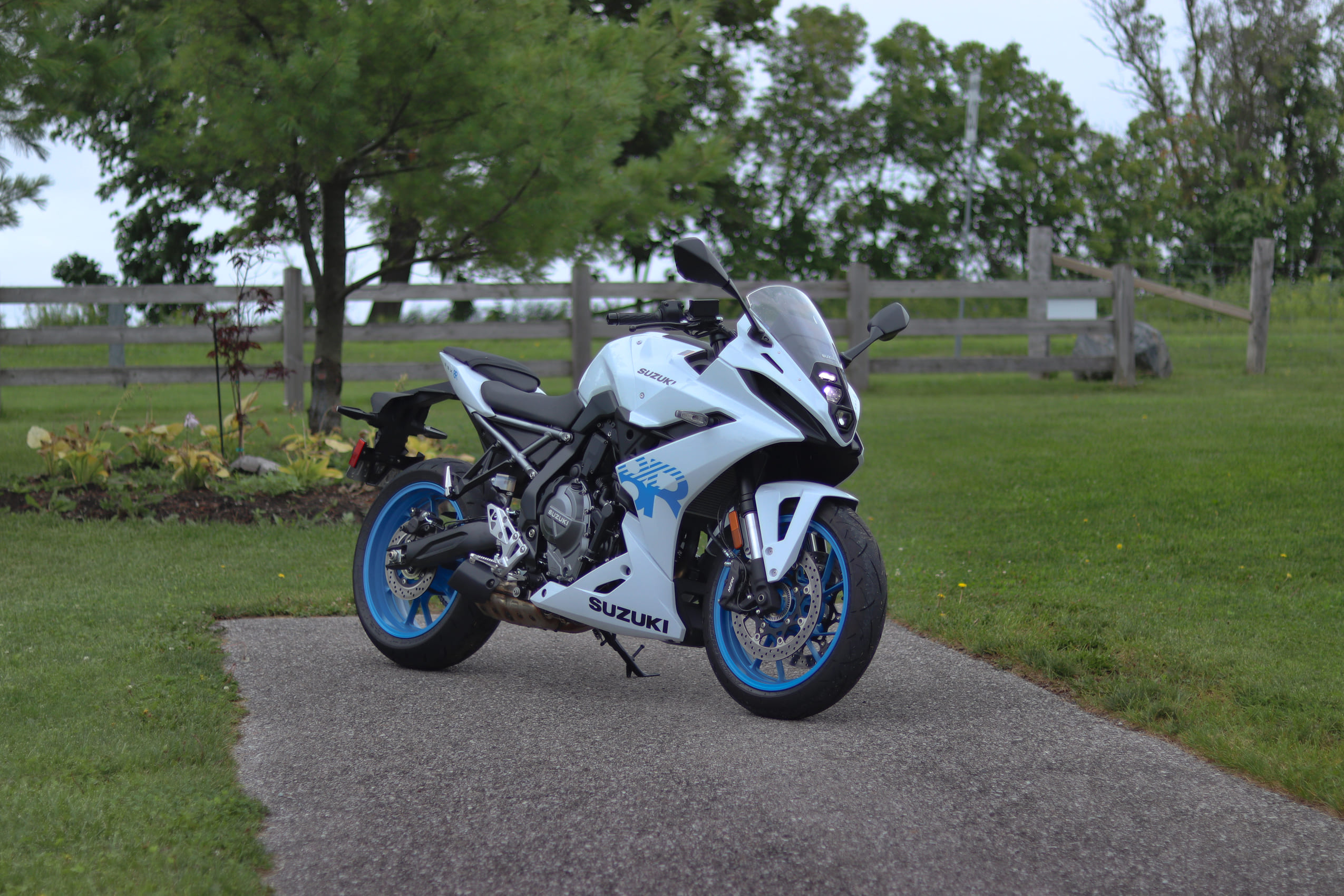
2026 Suzuki GSX-8R: The Middleweight Sport Bike Formula Done Right
The motorcycle world has spent the last decade trapped in a profoundly stupid dick-measuring contest, obsessed with building 200-horsepower, track-focused…

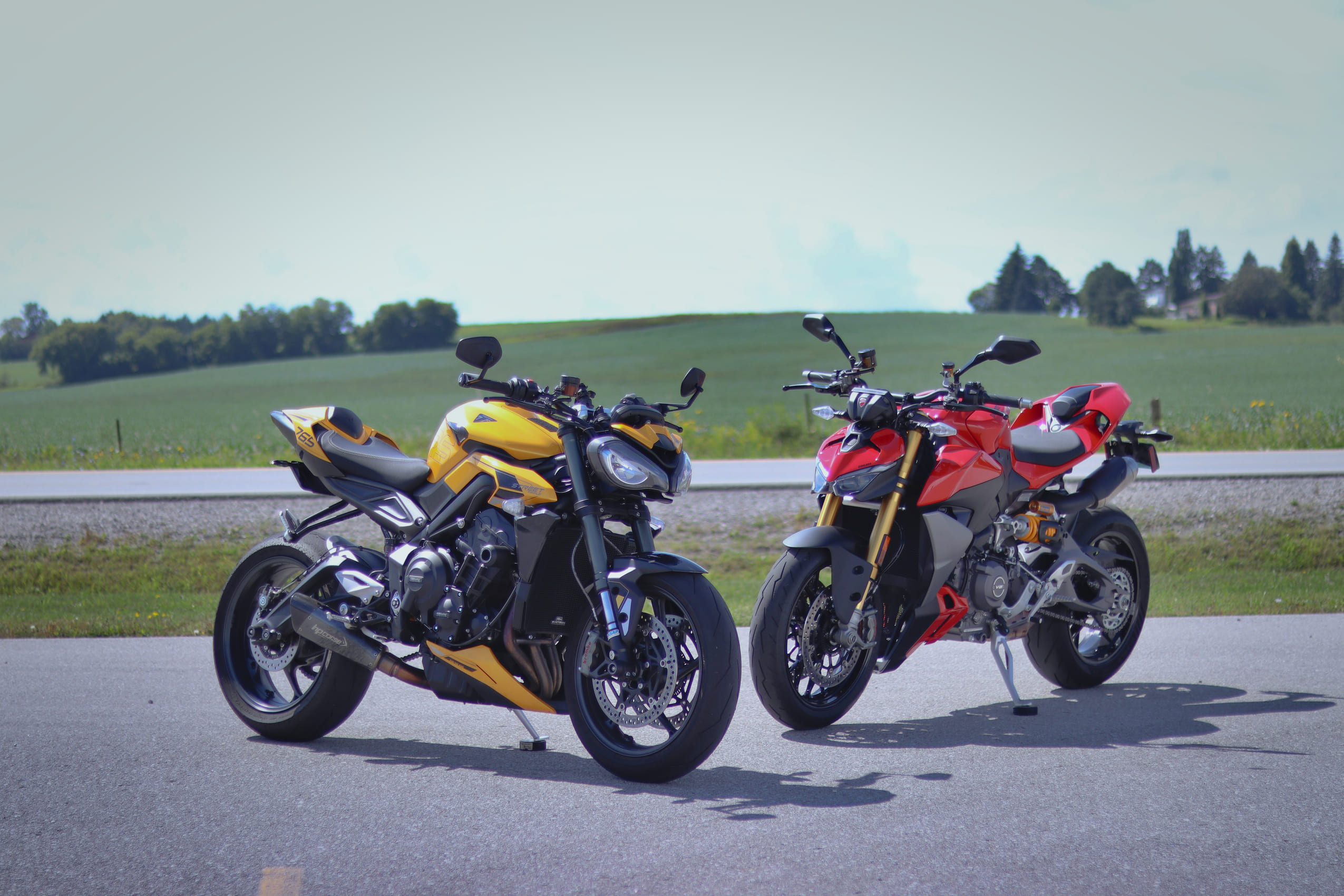
British Precision vs. Italian Violence: 2026 Ducati Streetfighter V2S vs.
Human beings are inherently absurd creatures, but nowhere is that absurdity more evident than in our willingness to strap our…
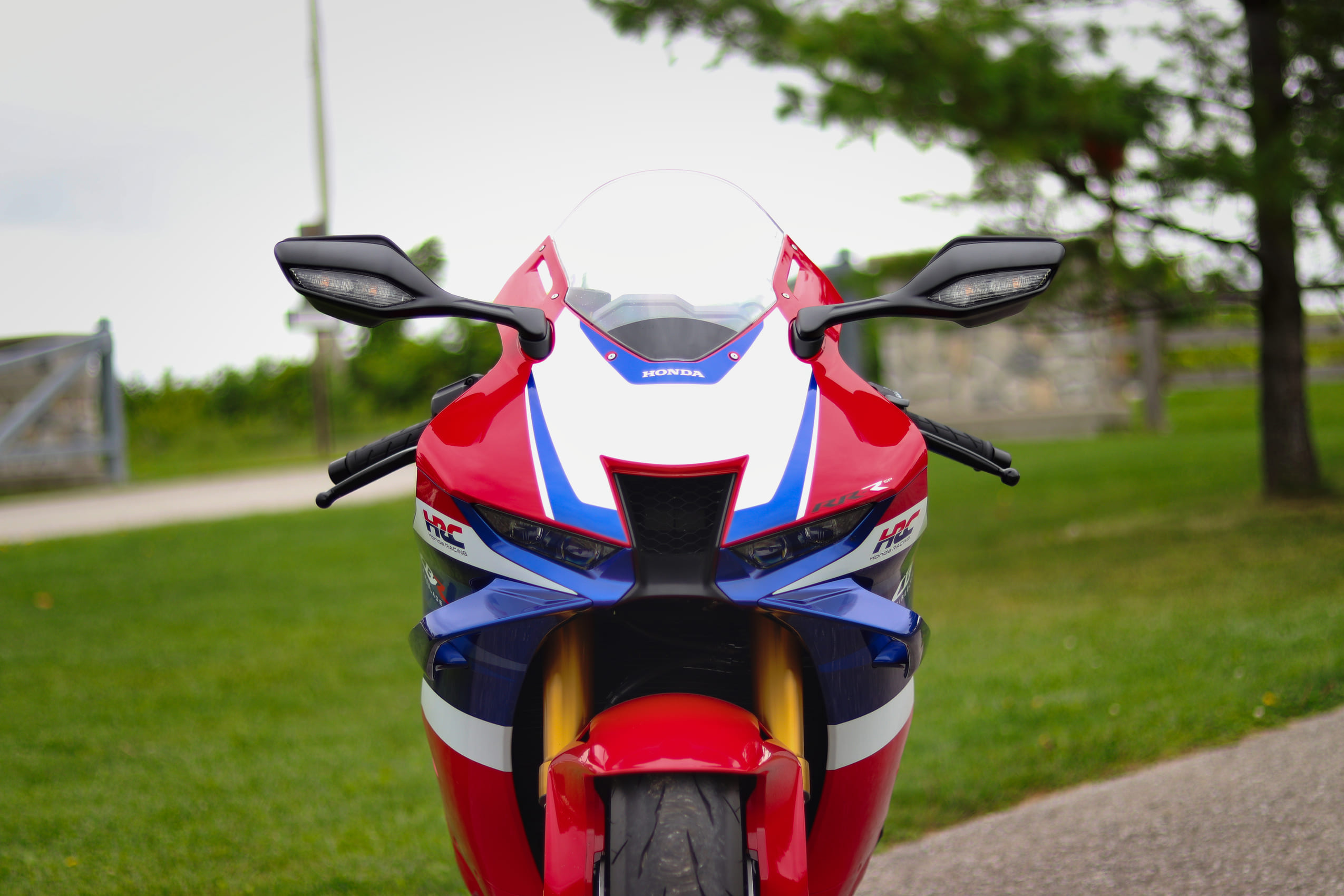
2026 Honda CBR1000RR-R Fireblade SP Review: Pure Mechanical Violence
The 2026 Honda CBR1000RR-R Fireblade SP is not a motorcycle; it is a clinical, unrelenting exercise in absolute mechanical insanity…
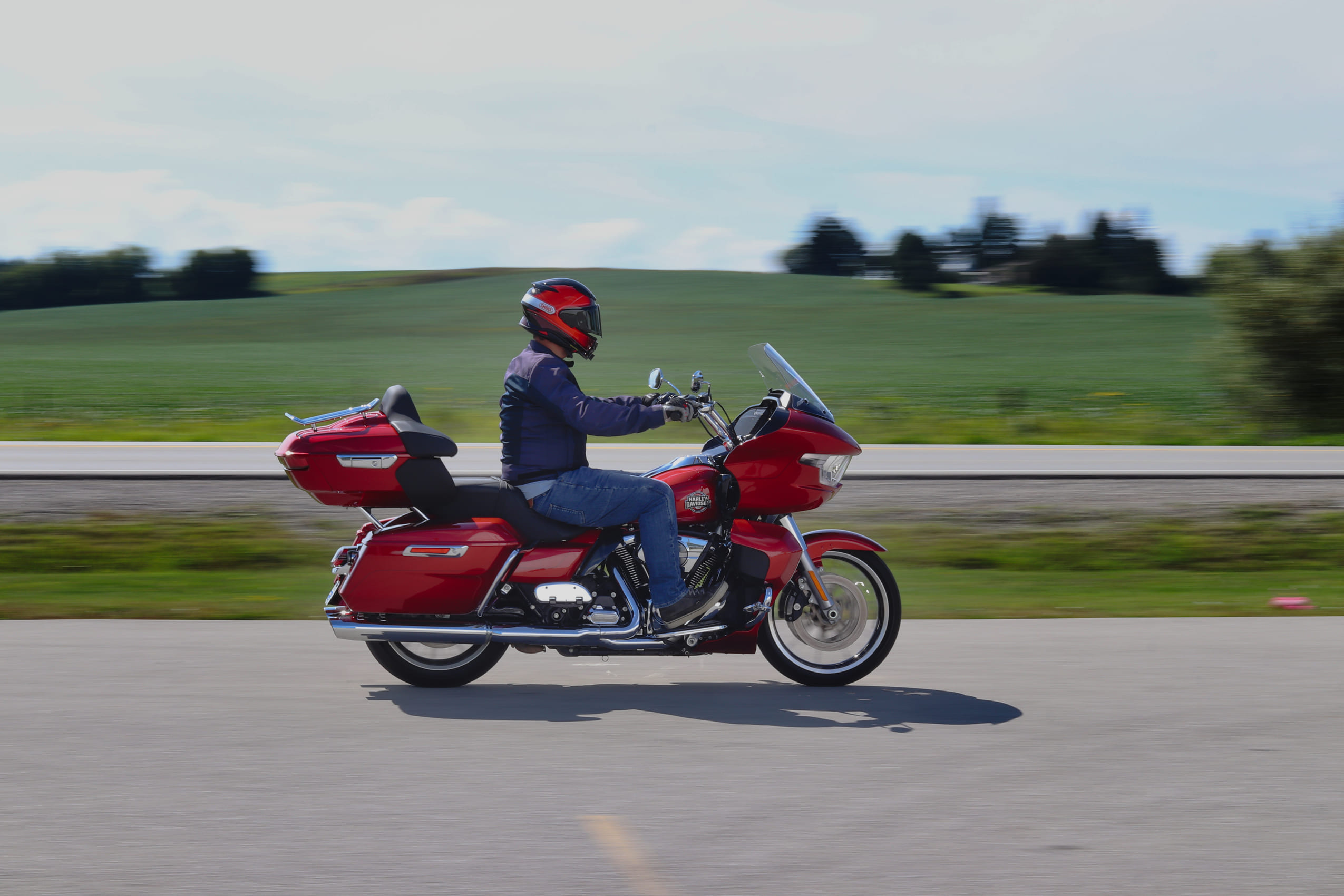
Sharknose Supremacy: Driving the 2026 Harley-Davidson Road Glide
Let’s get one thing straight: the 2026 Harley-Davidson Road Glide shouldn’t make sense. It’s a rolling, 800-pound contradiction—a massive, frame-mounted…
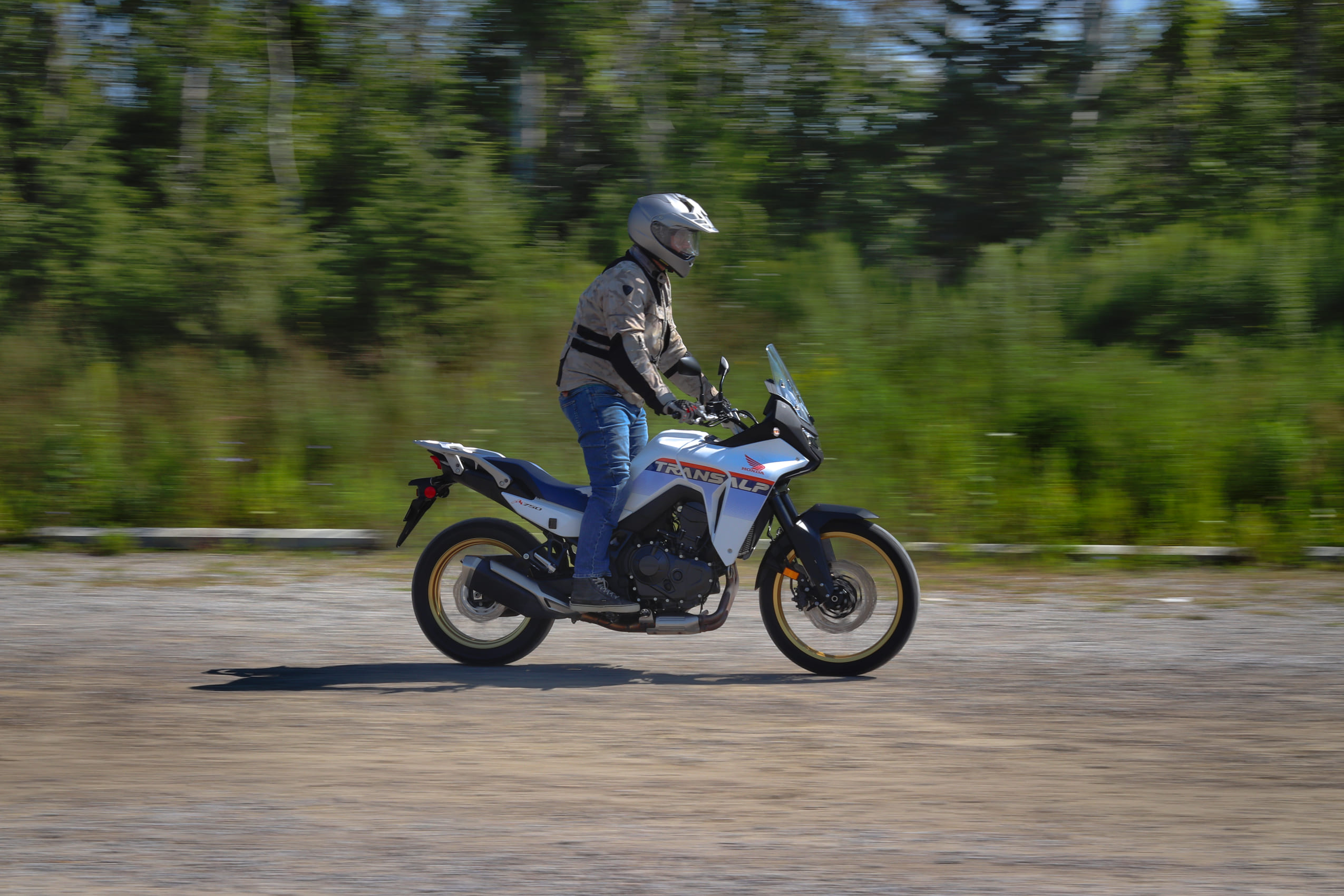
The Anti-ADV Hero: Why the 2026 Honda Transalp is the
Leave it to Honda to look at the entire, absurdly over-engineered, $25,000 middleweight adventure segment—a market flooded with hyper-focused rally…
2026 Suzuki V-Strom 800DE: No V-Twin, No Problem
Words are supposed to mean things. The “V” in V-6 means a V-layout, and for two decades, the “V” in…